The Treat
Apparently “the reward” wasn’t the last stop.
September 5, 2026
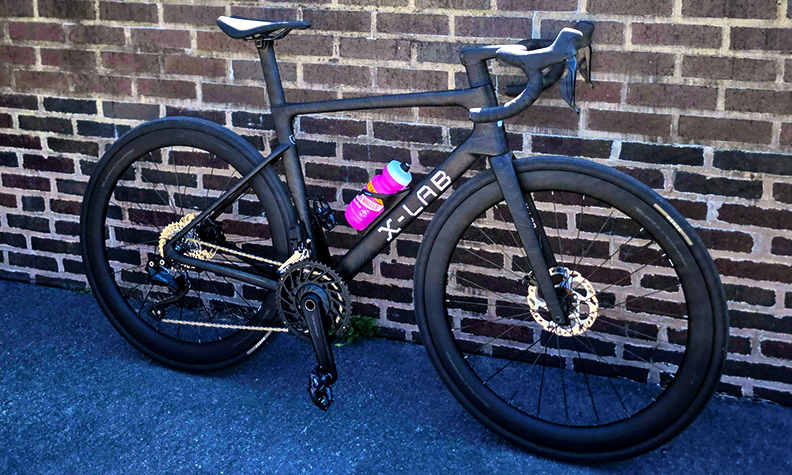
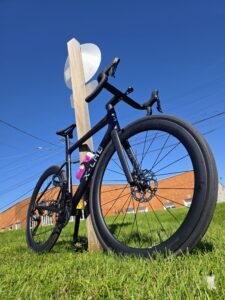
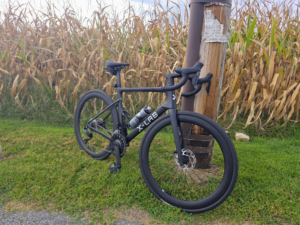
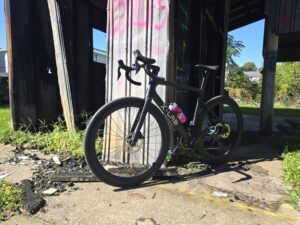
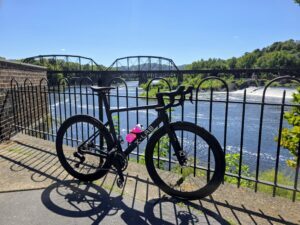
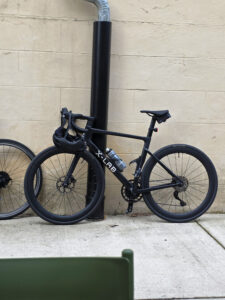
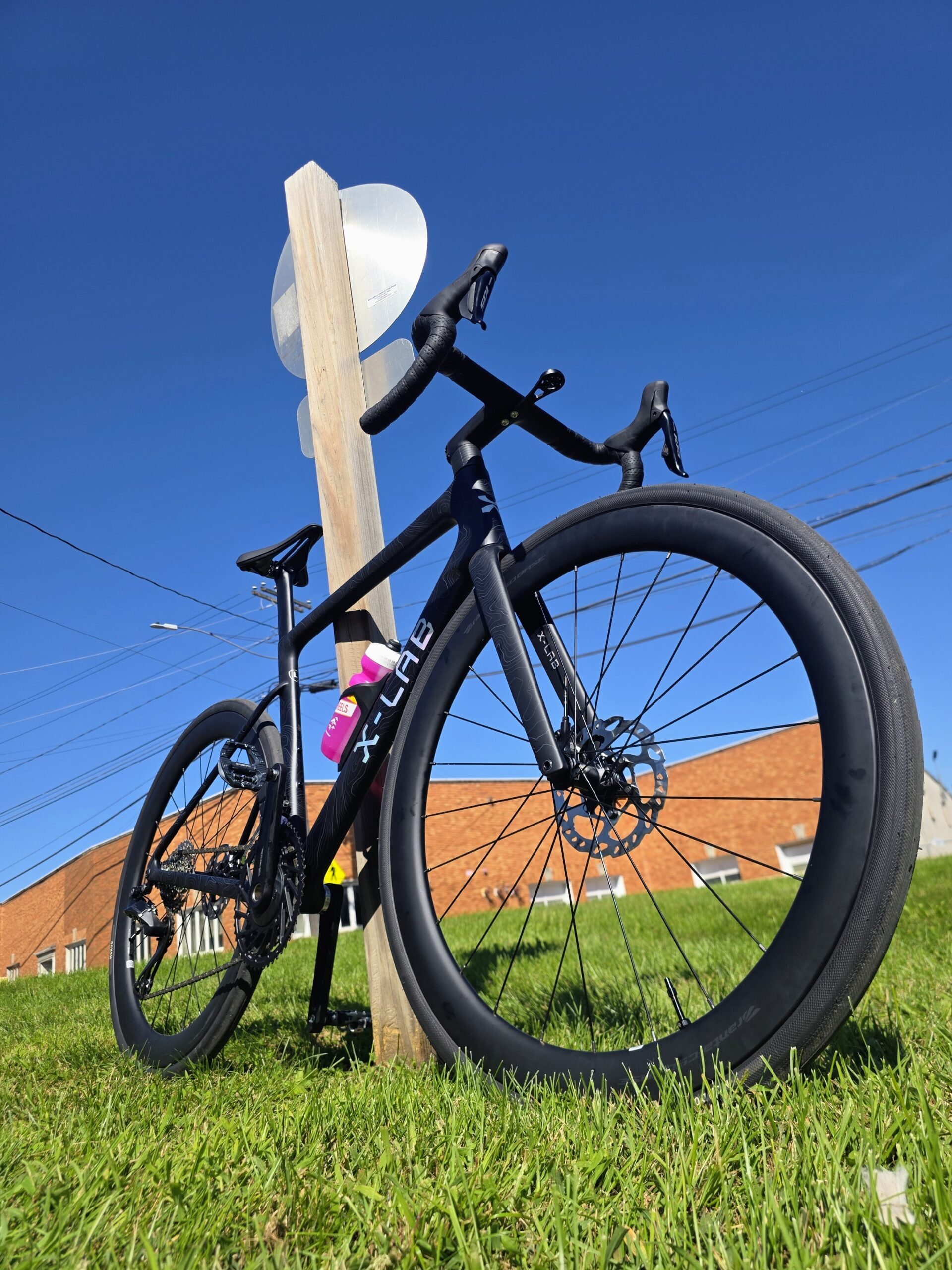
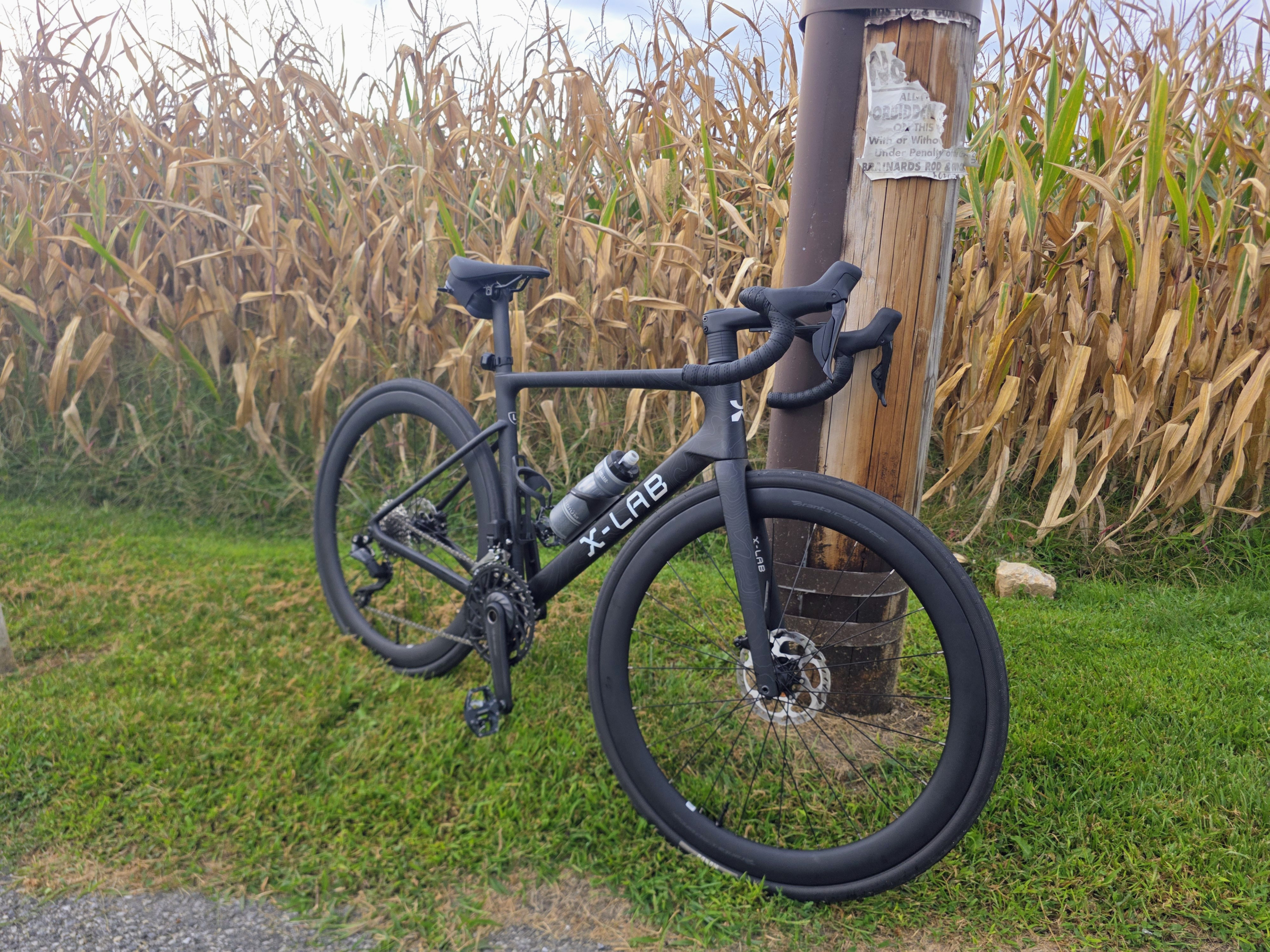
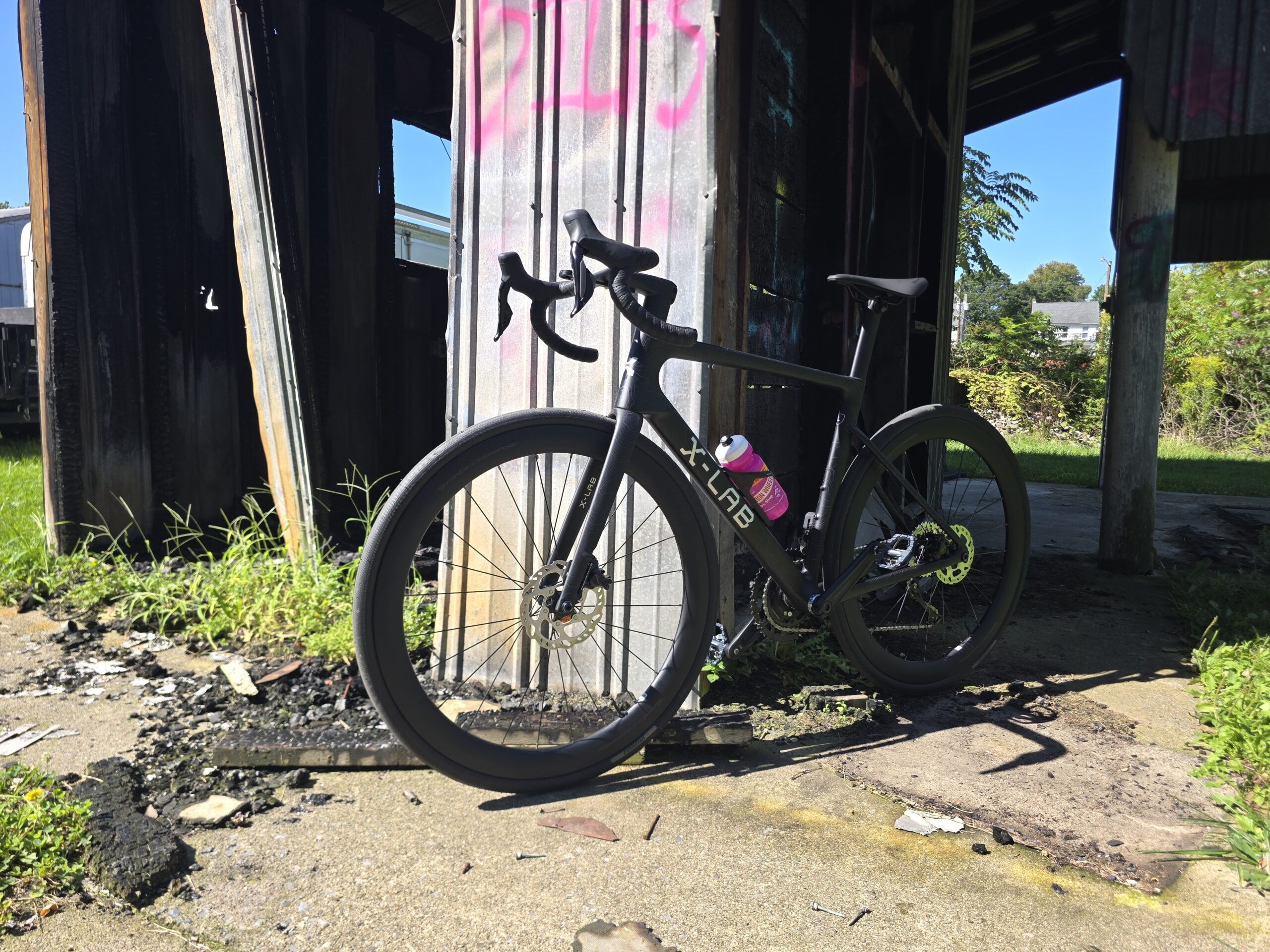
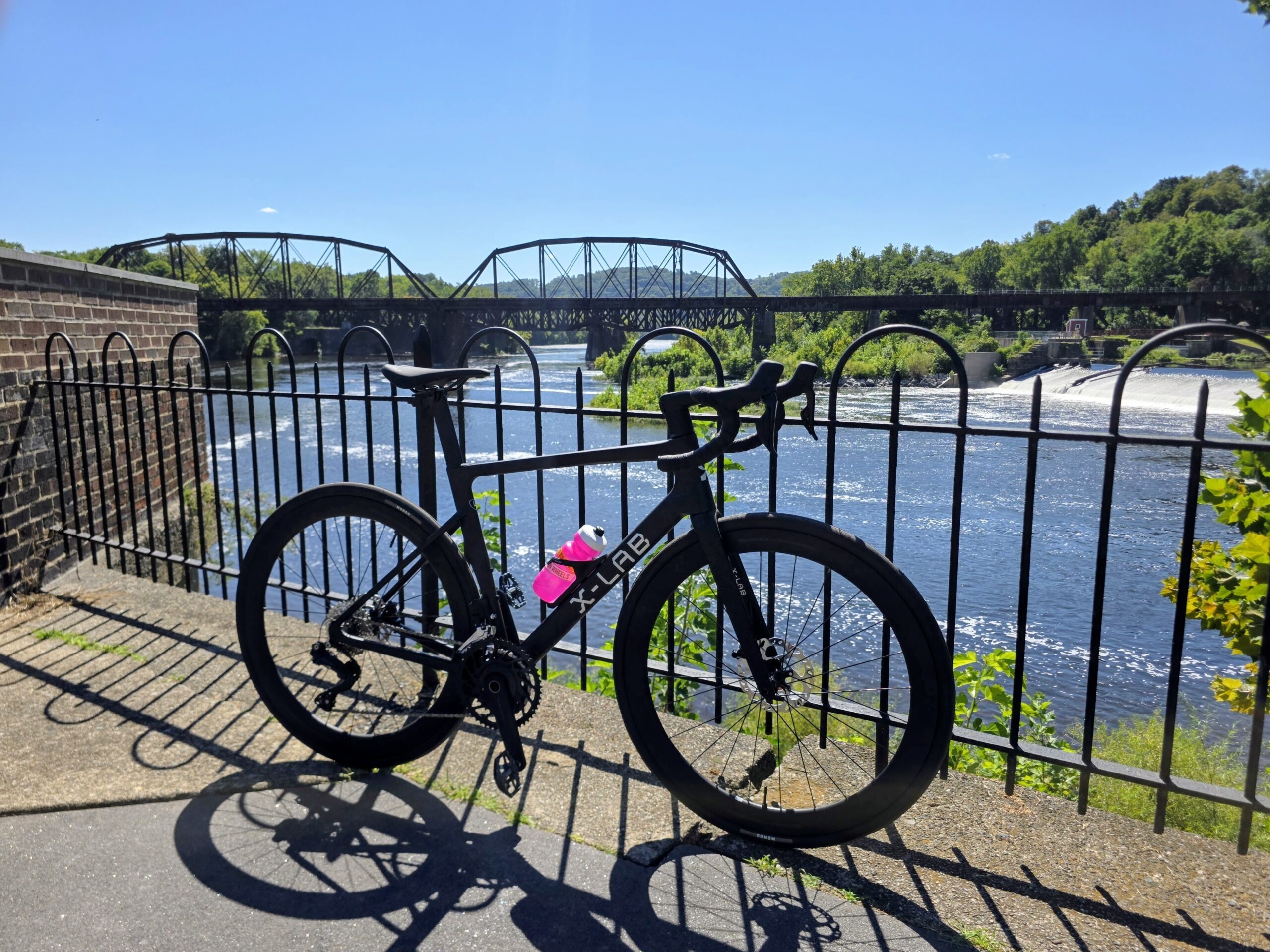
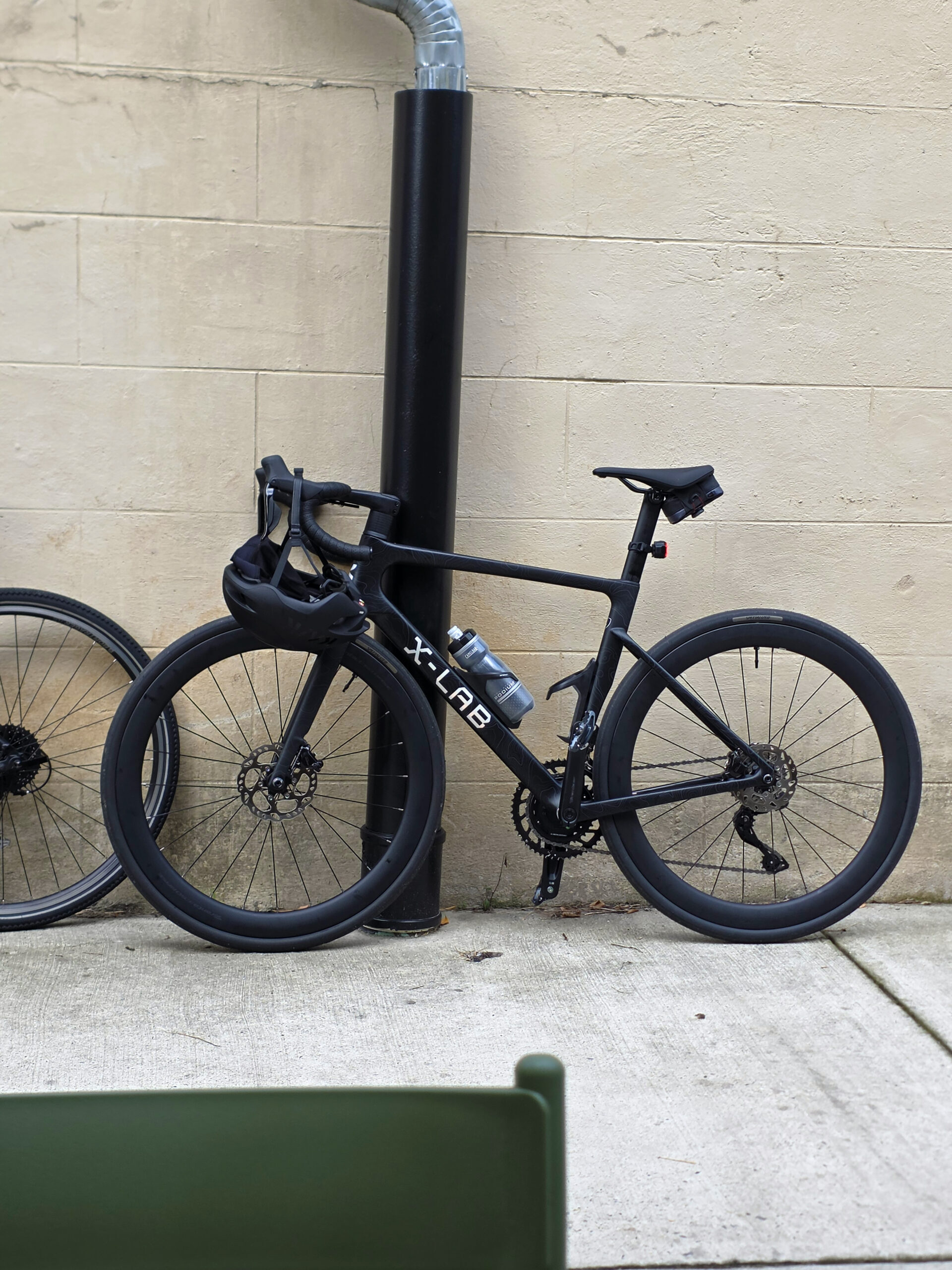
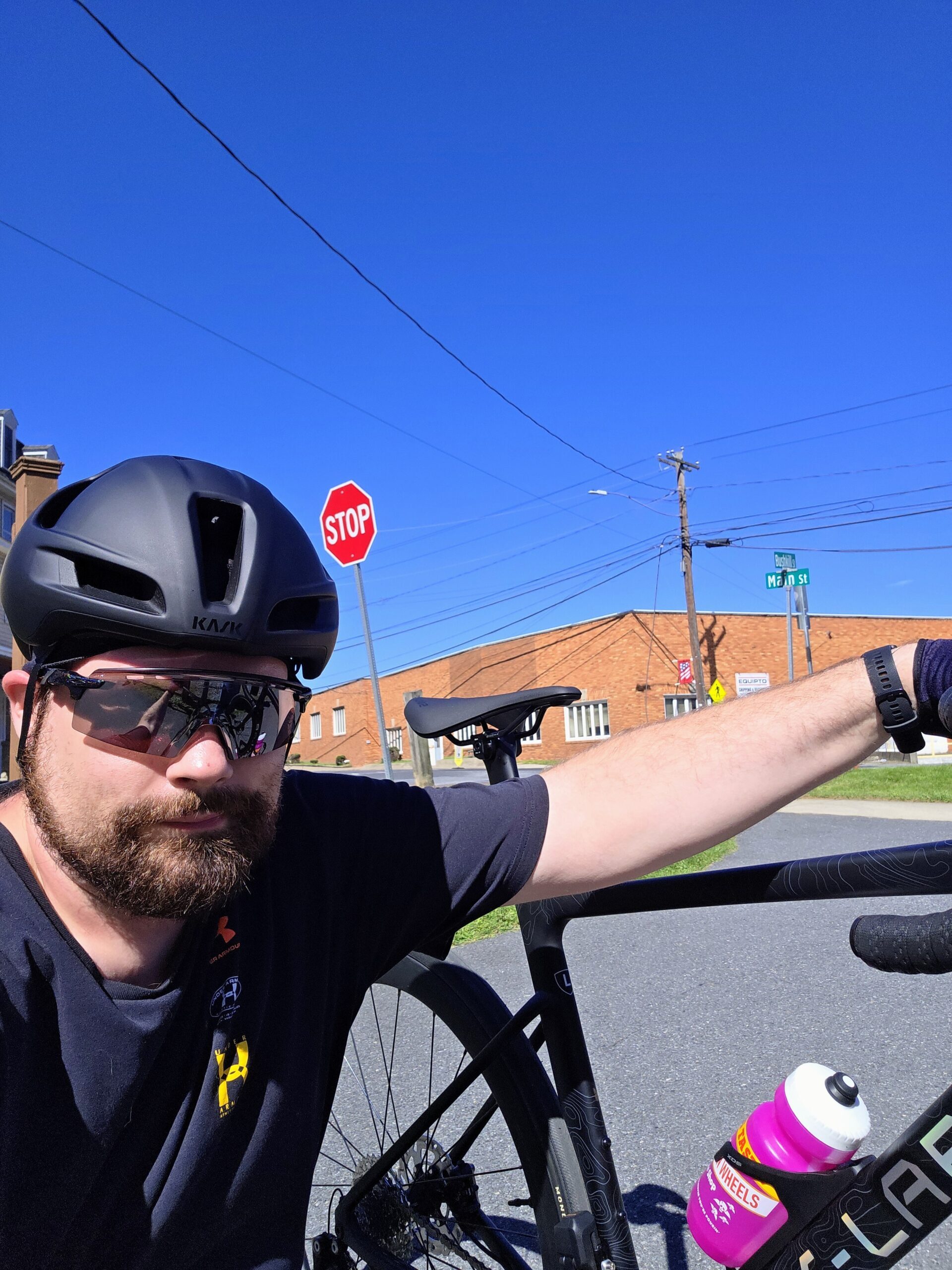
If you read my last post, you might remember I mentioned an X-Lab RS7 somewhere near the end. It was not nothing. I now own a road bike.
In my defense, I have a good reason. I’ve gotten more serious about group rides, and they are the highlight of my week. I also want to start joining the weekly road rides that Launchpad Bikes organizes here in Easton, in addition to the coffee and pizza rides I already participate in.
I could have used the Checkpoint and it would have been perfectly acceptable. Modern gravel bikes absolutely hold their own on the road. But, to be frank, I’ve always had my heart set on a sleek, aero-style carbon road bike. For the longest time, I didn’t feel like I could justify one. They are expensive, and I’m not exactly who the bike industry has in mind when they picture a road cyclist. Now, with the fitness and weight loss I’ve put in since starting to ride, I finally felt like I’d earned the chance to ride one instead of just admiring them at my local shop.
I know what most people are probably thinking: what is X-Lab? It’s not a household name like Trek or Specialized. But once I dug into the brand, I stopped worrying. X-Lab frames come out of XDS, a manufacturer that’s actually enormous. They have more than 15,000 employees, multiple global production hubs, and an 80,000-square-meter carbon manufacturing facility with more than 200 R&D engineers. For most of its existence, XDS was basically an “OEM ghost,” building frames and wheels for big-name brands you’d recognize while staying completely invisible themselves. Then in 2025, they stopped hiding and launched their own performance line, X-Lab. Kind of like what S-Works is to Specialized. And now XDS bikes are actually showing up at the Tour de France, the Giro, the Vuelta. Pretty solid resume for a name most casual riders have never heard of.
The carbon frame is legit. XDS sources Toray carbon out of Japan, and depending on the model, you get different grades. My RS7 runs T800, which is a step down from the T1100/M40X blend on their flagship RT9 and AD9. The M40X part is what actually got my attention. Toray is very selective about who gets to use it, and one of the few brands that does is Pinarello, in the Dogma F. So no, my bike isn’t running the exact same blend as a Dogma. But it’s likely coming out of the same factory, from the same supplier, that’s putting out some of the best carbon in the world. Draw your own conclusions. I’m not losing sleep over it.
Right now, X-Lab has the energy of a scrappy, punchy upstart. Maybe they’ll fizzle out, or maybe they’ll be the next Canyon. From a business standpoint, they’re doing it right, building out a legitimate dealer network and distributing through local bike shops instead of just drop-shipping frames. I guess we’ll find out about their longevity together.
The biggest factor that sold me on the bike was the value. All X-Lab bikes are spec’d well above their price range, and the RS7 is no exception. Full carbon fiber everywhere, frame, wheels, even the one-piece handlebar and stem combo, a power meter, plus Shimano 105 Di2 electronic shifting. Those last two points are usually where a bike crosses into $4,000-$5,000 territory, and I got it for much less.
Funny enough, my Checkpoint runs SRAM AXS, and that’s still my preference, the paddle shifters are just more intuitive. But the 105 Di2 is growing on me. Shimano’s shifting is smoother than I expected, and I’m satisfied by how quiet it is compared to SRAM’s clunkier feel. I also like the clickiness of the buttons.
The only real weak point out of the box was the stock Chao Yang tires, which everyone across has labeled “mid.” I swapped them out for some larger 32mm Mondos and went tubeless from the get-go. Even on the stock tires during the test ride, the bike was impressive. After the swap, it was a night and day difference.
I don’t suspect they’ll be able to keep prices this low forever. I’m not sure it’s a sustainable strategy. This is exactly how other bike brands have broken into the market before pulling back on the discounts once they’ve established themselves. Winspace is a good recent example of a direct-to-consumer Chinese brand undercutting established pricing to gain a foothold, with the expectation that prices creep up once the brand is established. Canyon basically wrote the playbook for this strategy. They launched direct-to-consumer and undercut the prices of the big brand names, which helped them build a loyal following before increasing prices as the brand matured. It’s a proven strategy, but it only works if the bikes are actually good. Only time will tell if X-Lab follows the same trajectory. So in some respects, I took a bit of a gamble, and I’m definitely not a gambling man.
The other part of this story is that I also just wanted to treat myself. The last three months have been a lot. We finally finished our move into the new apartment, and our dog Heidi, who has been dealing with glaucoma, came through her enucleation surgery and is fully recovered and better than ever. Both of those things had been weighing on me for a while. Once they were finally behind us, I dove into research mode and eventually pulled the trigger.
Speaking of the Bianchi… in the last post, I mentioned that I would have to sell it to make room for the RS7. Update: it’s still here. I managed to make the case to my better half, though not without some concessions on my end. A completely fair trade, to be honest. I’m happy that it worked out, because I finally brought the Bianchi on a group ride. First time it’s ever come along, and people would not stop complimenting it. Half the group told me I was insane for even considering selling it. Everyone was fawning over the new corner bars (WITH CELESTE BAR TAPE!), and just how burly and tank-like it is. Turns out a bike doesn’t need to be carbon-light to get respect. It just needs to be original. It’s hard to sell a bike when people are ready to fight me if I sell it.
As for ride quality on the RS7: this is my first road bike, but more than that, it’s my first time on a carbon frame and carbon wheels. My Checkpoint is aluminum, and my Bianchi is aluminum too, but built so heavy it might as well be steel. Stepping onto full carbon for the first time feels great. The amount of road buzz that gets filtered out is outstanding. The frame feels alive under power, almost encouraging me to push it. Combined with the performance tires, everything about this bike feels quicker than my Trek, which I already thought was a rocket compared to the Bianchi. I’m holding higher sustained speeds with less effort, sprint faster, and the control and responsiveness are next-level.
Now I want to work on my cadence. I’ve got a bad habit of mashing the pedals. It works, but it’s bad form. It’s also not going to hold up on longer rides or hills with a group that actually knows how to cycle. I want to get better at this. I want to see real improvements.
So next up is figuring out a bike computer to go with it. I’ve got a power meter now, which means I can finally see stats on how hard I’m working. I used to roll my eyes at people obsessing over every stat on their rides. But I totally understand it now. When you can actually see the gap between where you are and where you want to be, it’s hard not to chase it. So I suppose I’m officially one of those people obsessing over every number and marginal gain.
Welcome to the club, I guess.