Japan IV:
Still Not Enough
Coming off an incredible week in Seoul, you’d think we might need some time to breathe. We didn’t. Japan was next. We knew exactly what we were doing; yet, Japan still managed to surprise us.
April 1, 2026 – April 8, 2026
🇯🇵: Tokyo, Kyoto, Osaka, Nara, Uji
There’s a specific comfort you feel when a place stops being foreign to you. Not because it’s your country, it isn’t, and it never will be, but because you no longer feel like a stranger.
Coming off an incredible week in Seoul, you’d think we might need some time to breathe. We didn’t. Japan was next, and we hit the ground running. I loved my time in Korea, but even with a head start from coworkers, I was still left reading the room more often than not. Do I pour my own drink, or wait for someone to fill it? If I’m pouring for an elder, am I using both hands? Do I turn my head away when I actually drink it? If my boss is treating me, am I a guest or an employee? Is it rude to just set chopsticks down flat? Am I supposed to wait for the oldest person at the table to eat first? CU or GS25? Red Velvet or Le Sserafim? So many questions!
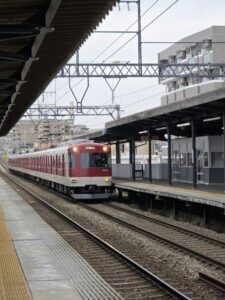
Japan doesn’t ask that of me anymore, and nor do I need to ask Japan. By the fourth trip, the travel anxiety is completely gone. No second-guessing the trains schedules, no fumbling with my Suica card, no staring blankly and pointing at a menu to order. My Japanese is sharper than ever, the customs are muscle memory, and I’ve long stopped needing anyone to explain how things work there. I can read the kanji on a udon shop’s menu without Googling it. I know the Yamanote line the way I know my own commute. Somewhere in the last four visits, “visiting” became “returning.” It’s the closest a place that isn’t home has ever felt to home.
Meanwhile, my girlfriend — on her third visit — was fully ready to pick up where she left off. She had a shopping and activities list. A long one. I was, willingly, along for the ride.
Seven Dollars and Seventy-Seven Cents
Japan greeted me the same way it did exactly a year prior: with rain. We had spent most of the day still in Seoul before an evening flight out of Gimpo, landing sometime around 6pm. In a first for us, we decided to take a taxi from Haneda to Shinagawa. I’d always heard Japanese taxis were expensive, and it’s true. Its the complete opposite from Korea, where you can get across Seoul for basically nothing. But after a long day of travel, we were not in the mood to deal with crowded trains. We climbed into the taxi and let the white-gloved driver do his thing.
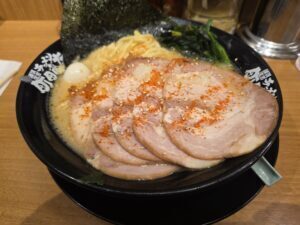
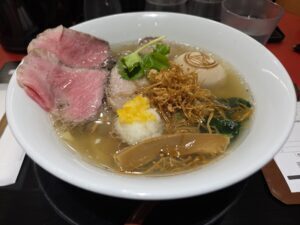
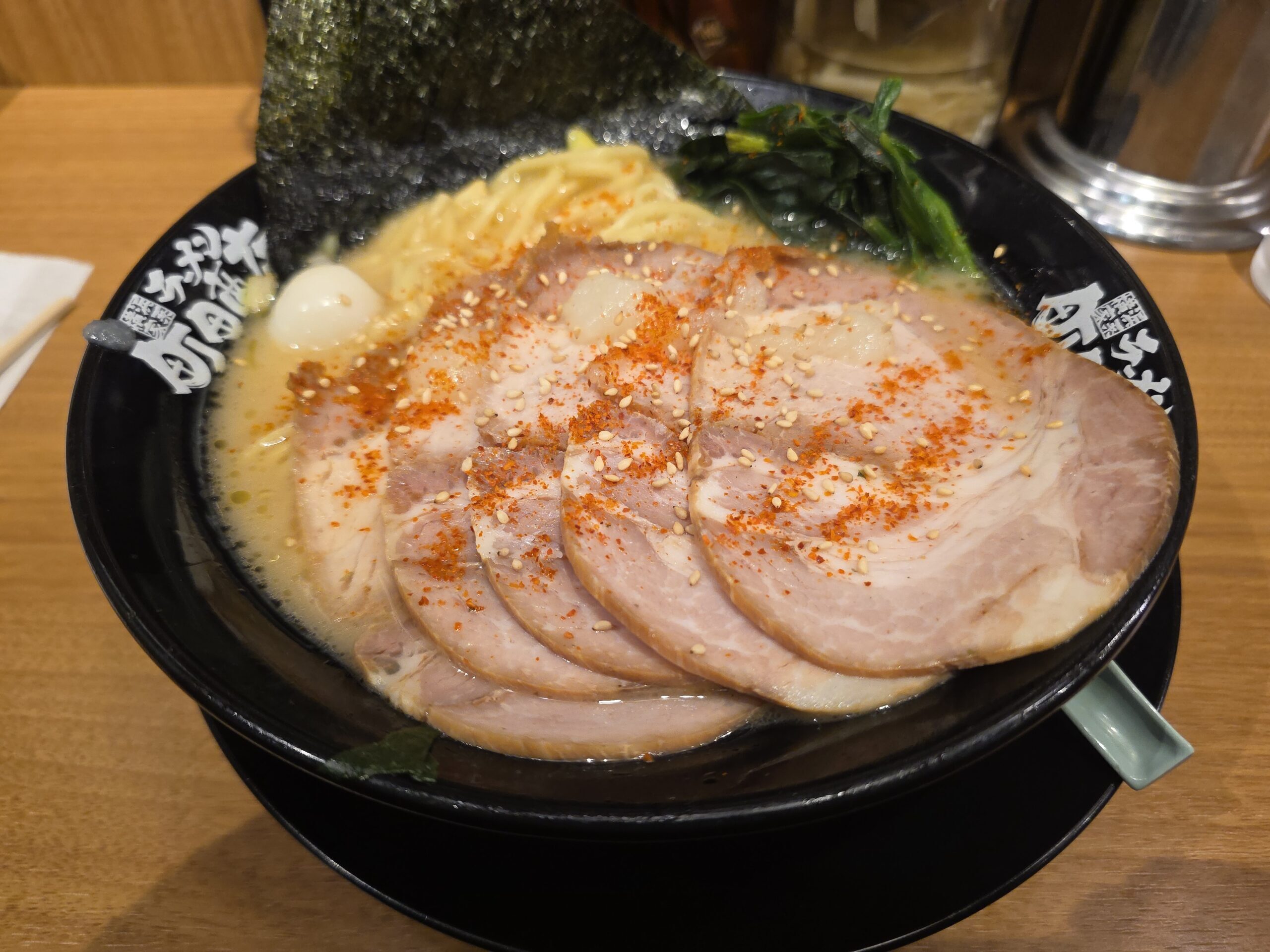
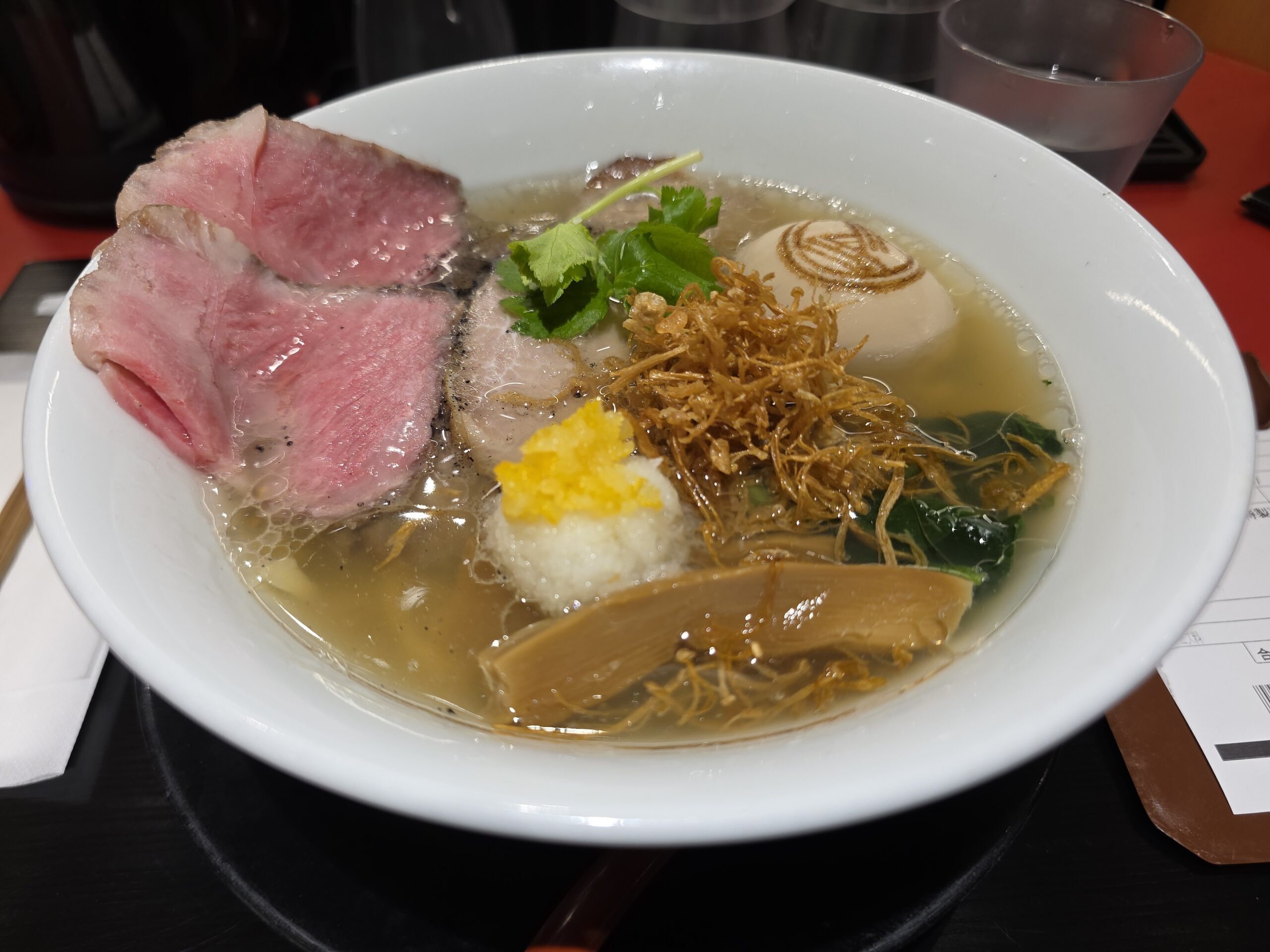
Once settled in, I knew exactly what I wanted: ramen. A warm bowl after landing has become a ritual upon my return. I think it’s been my first meal every single visit. And, thanks to the yen being at historic lows, my bowl came out to the equivalent of $7.77. Seven dollars and seventy-seven cents for ramen that runs circles around the $18 bowl I can get back home. I went to sleep grateful, as always, to be back in Japan.
The Usual Suspects
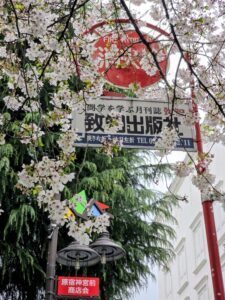
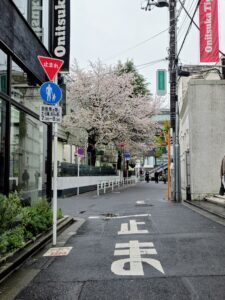
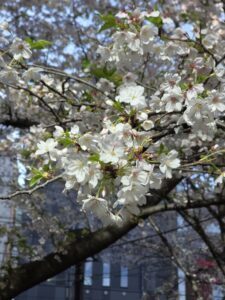
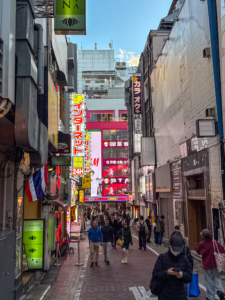
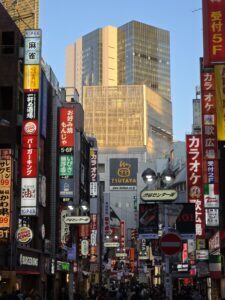
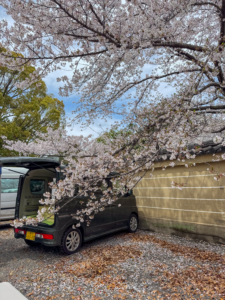
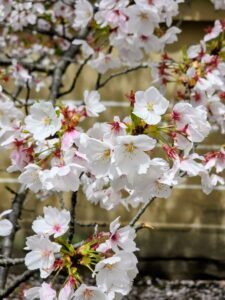
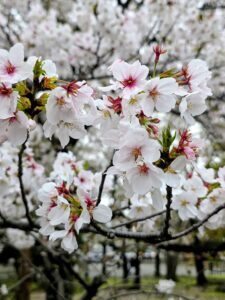
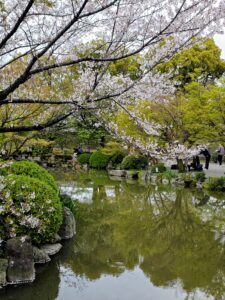
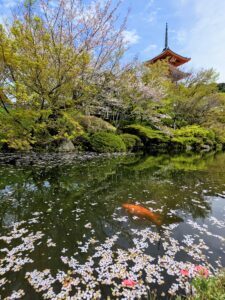
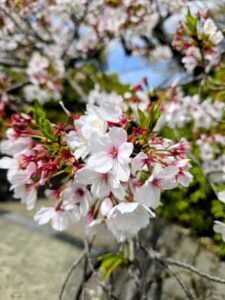
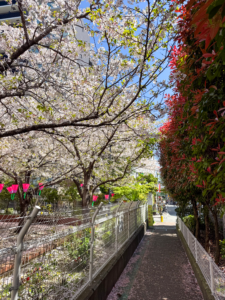
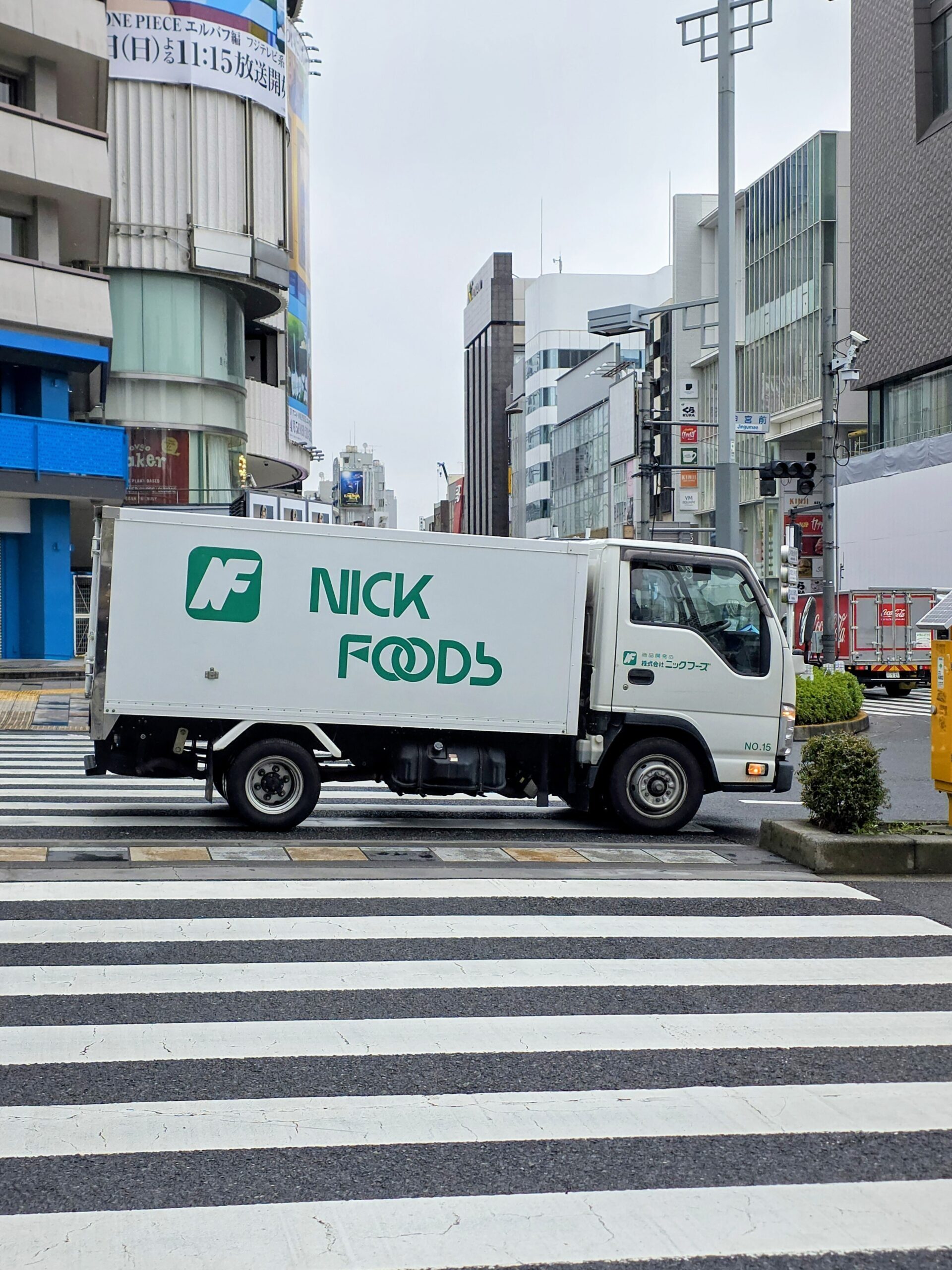
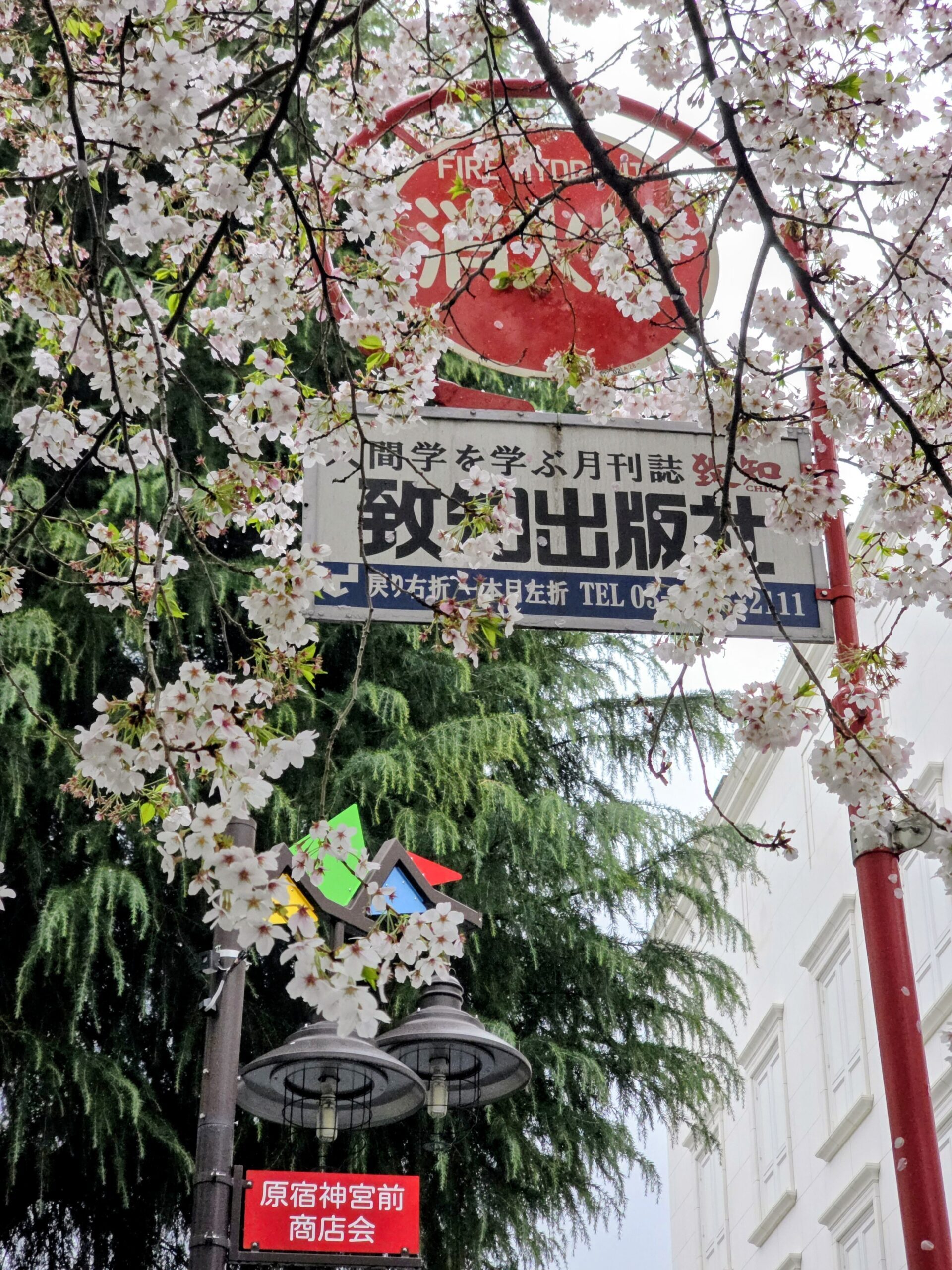
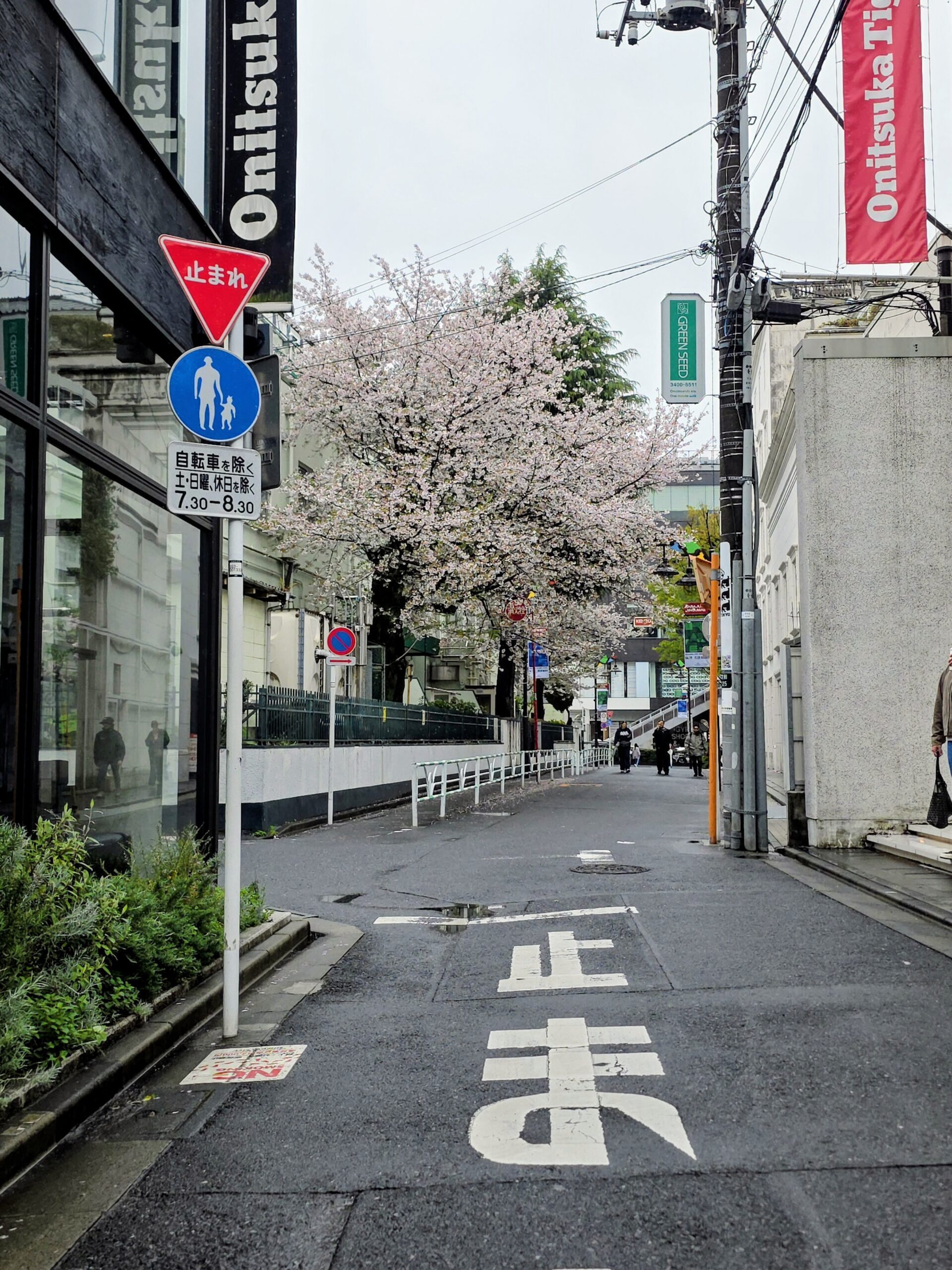
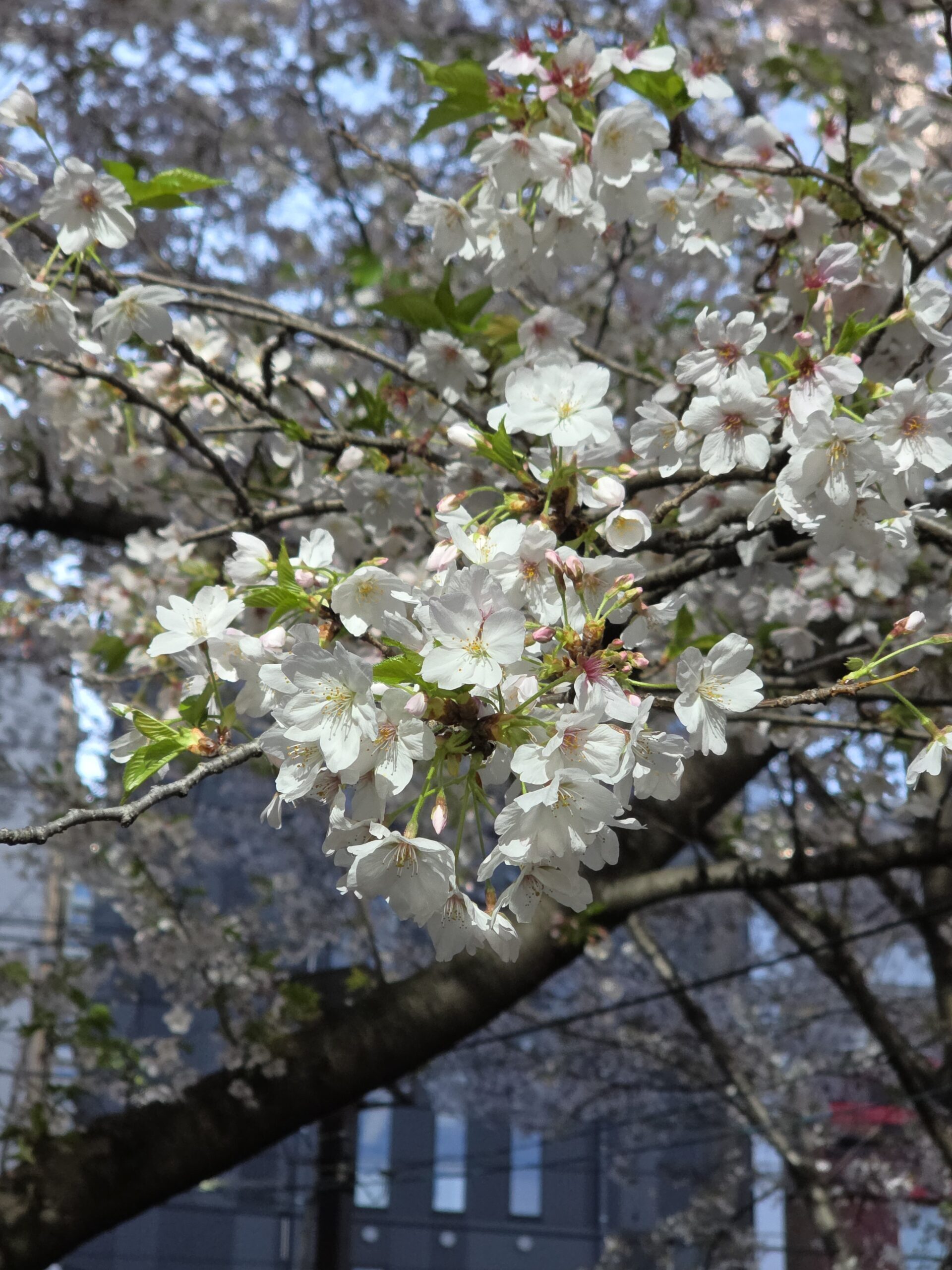
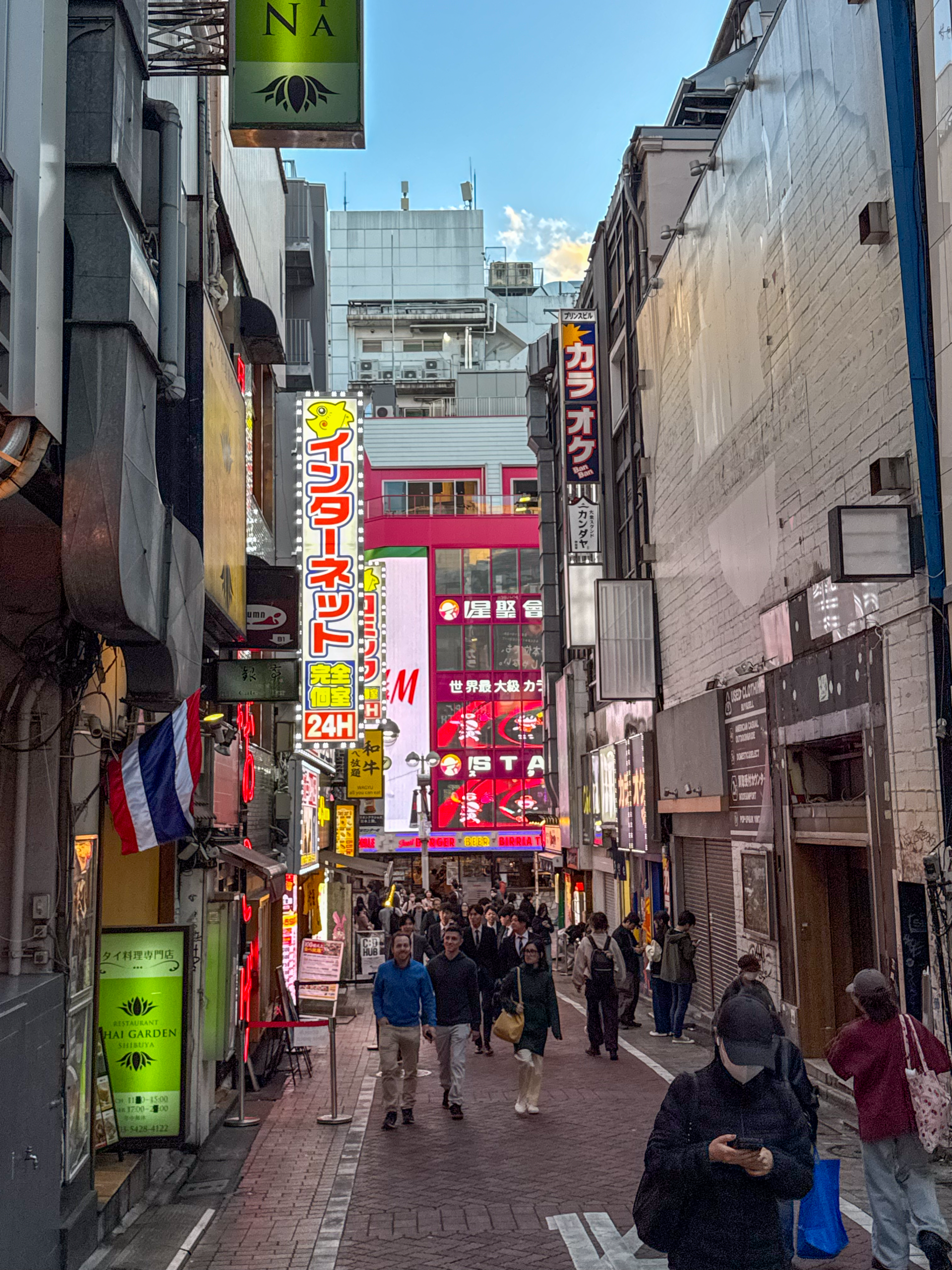
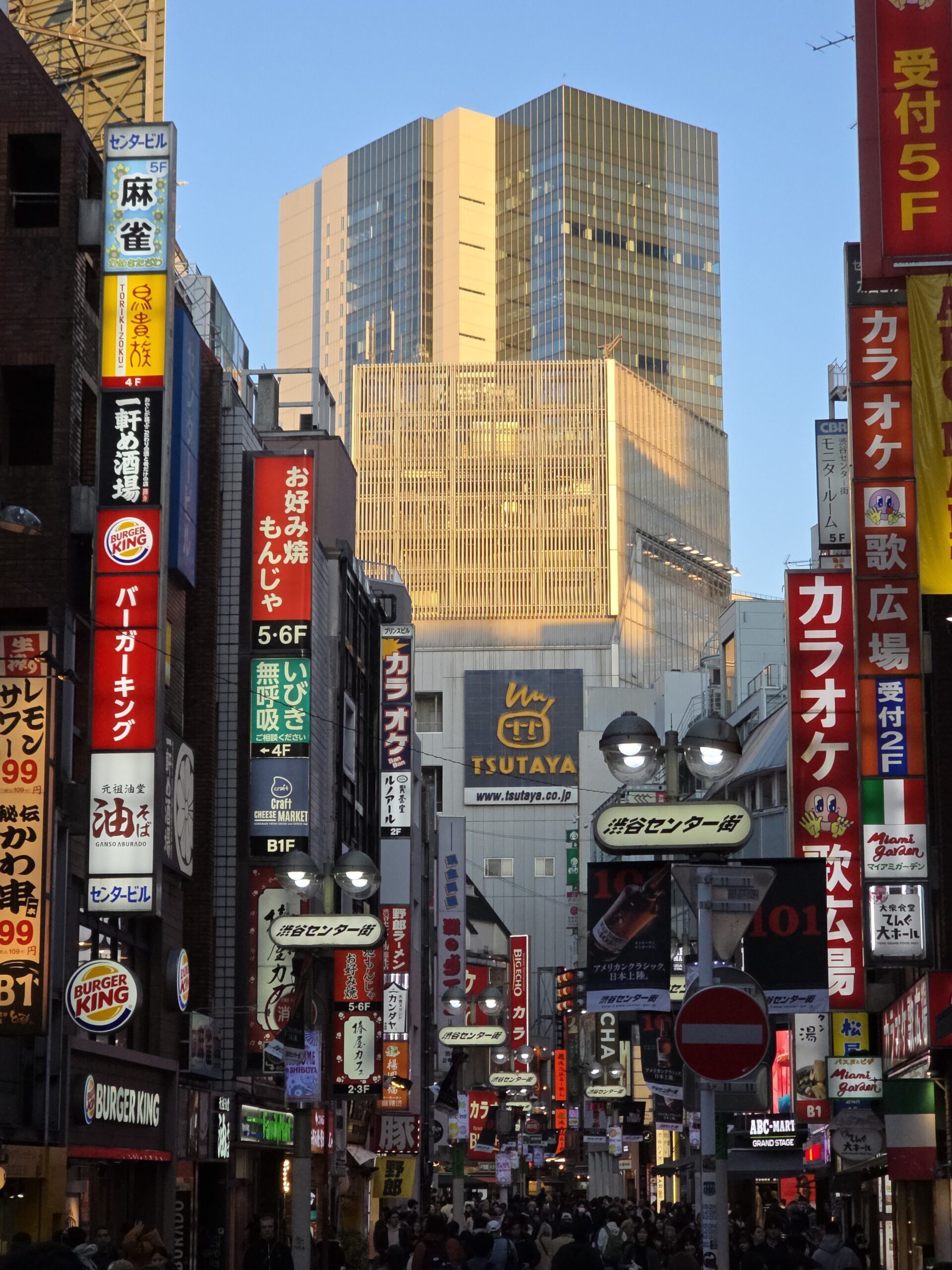
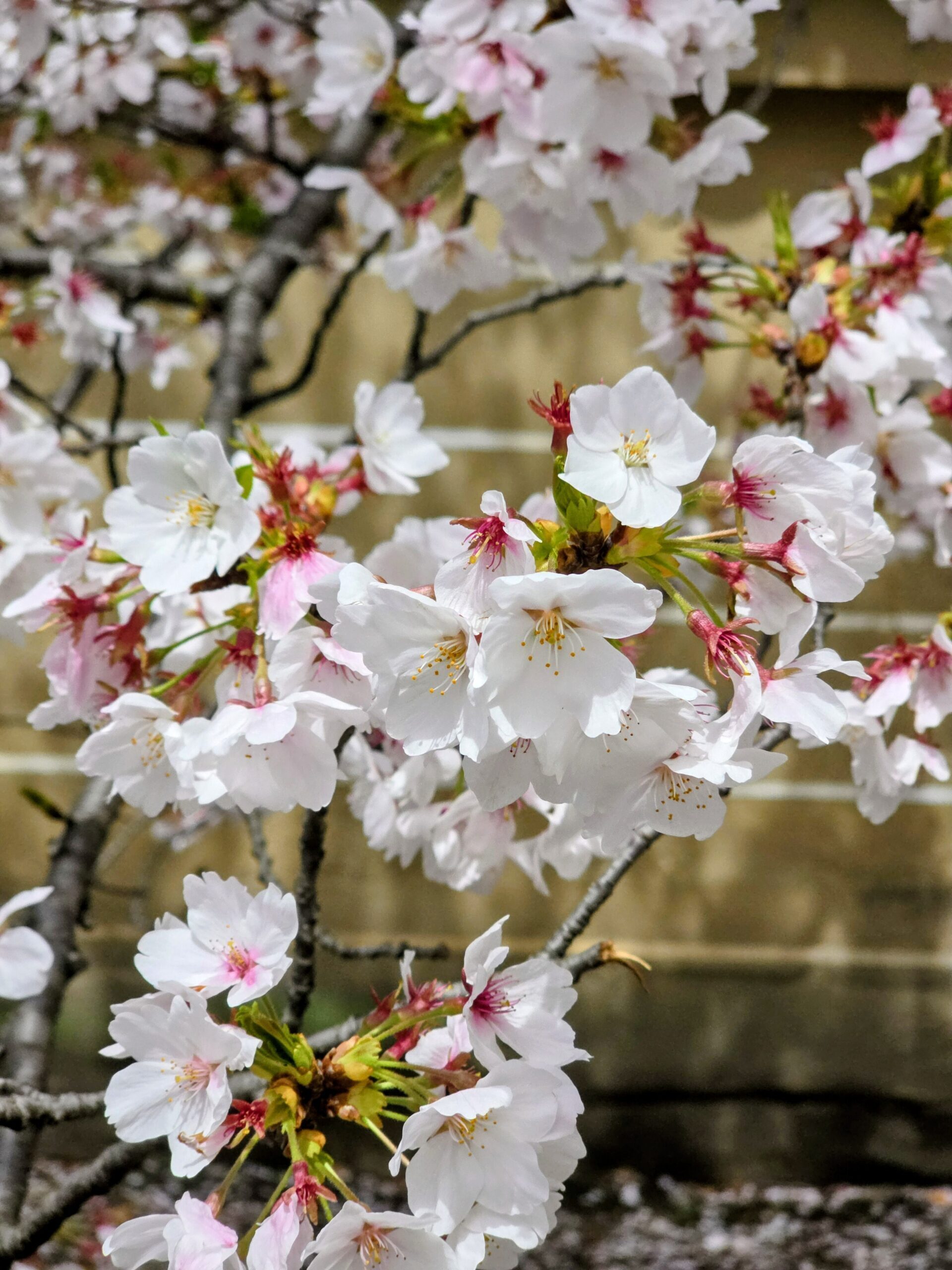
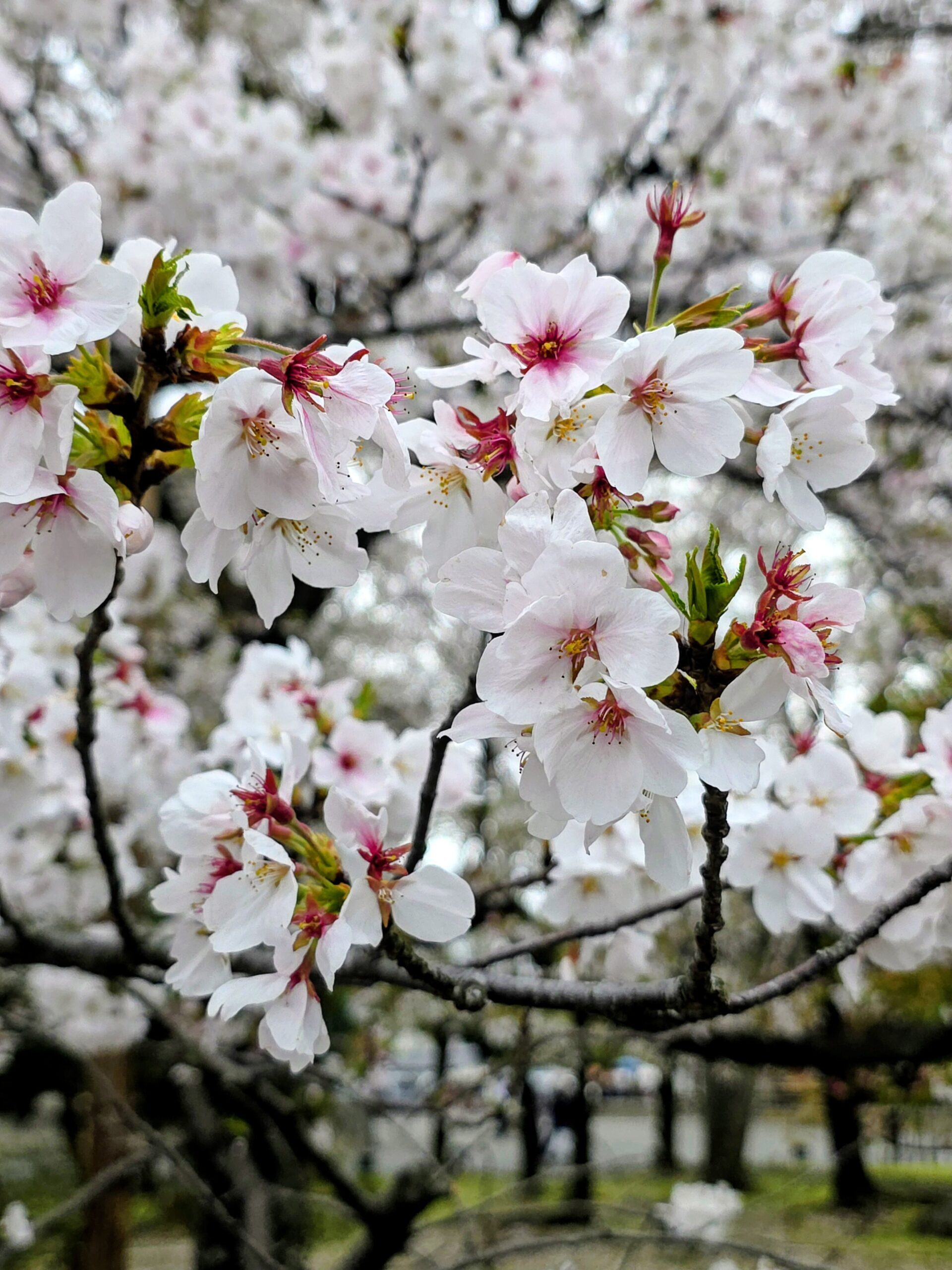
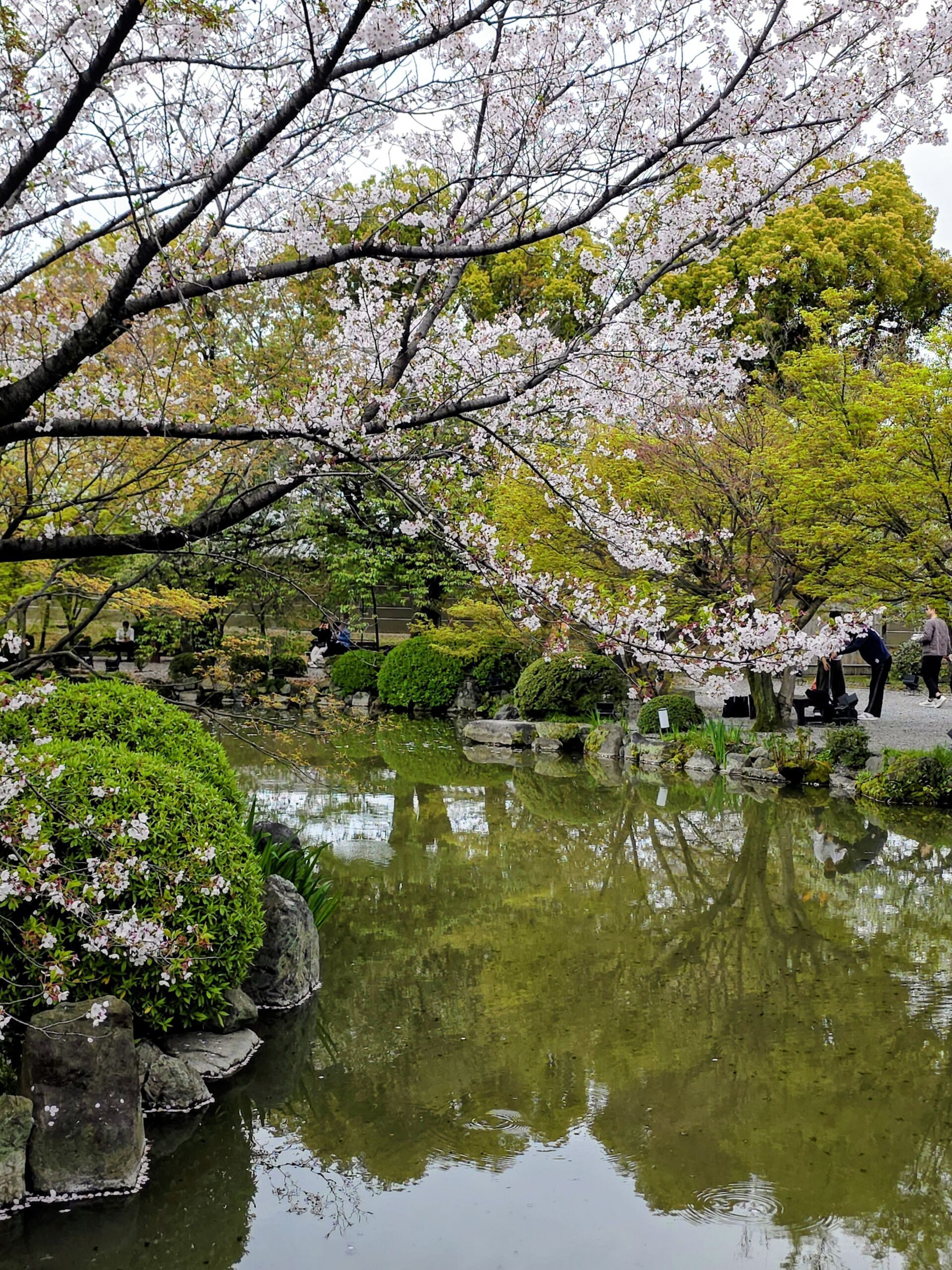
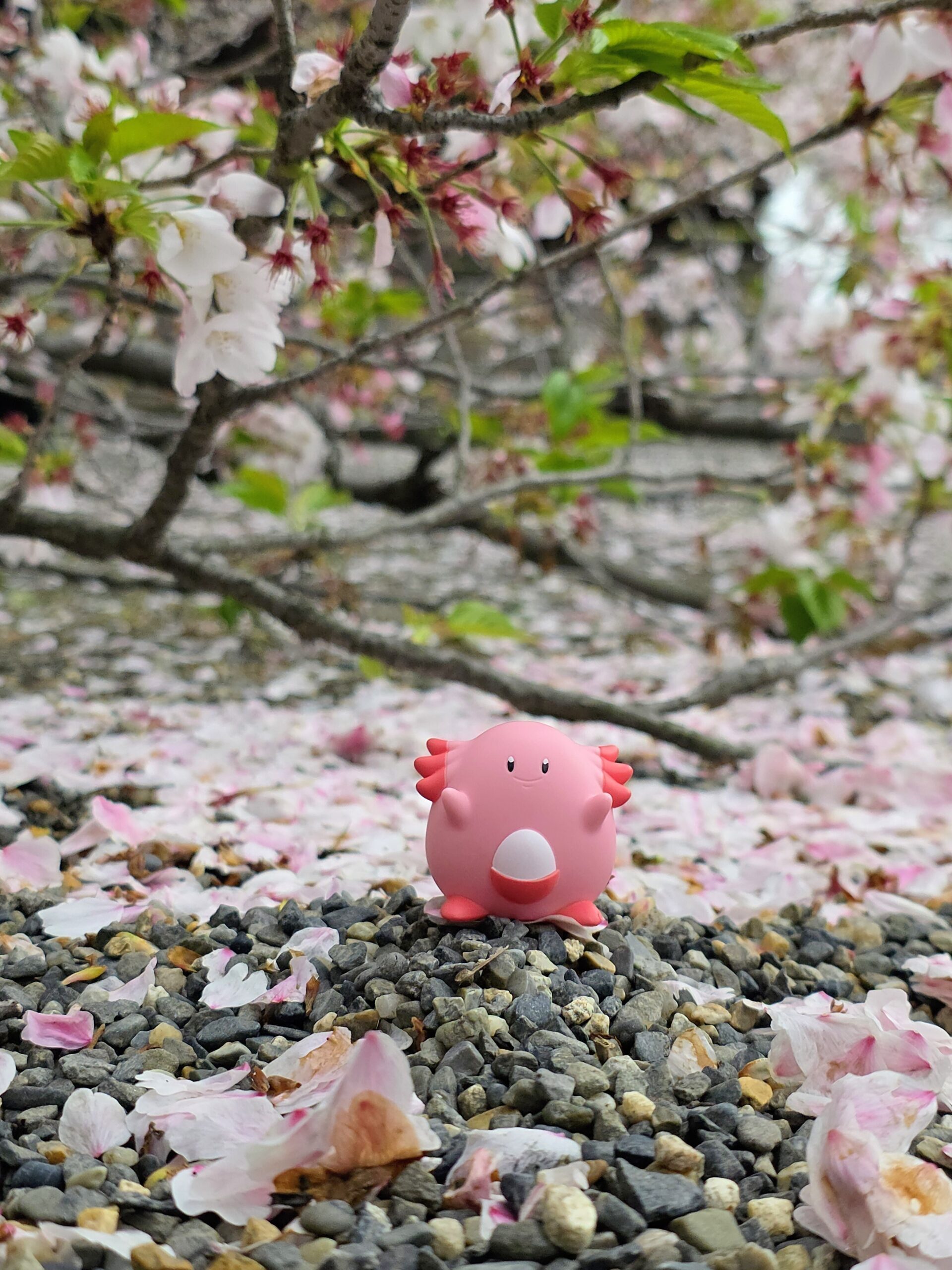
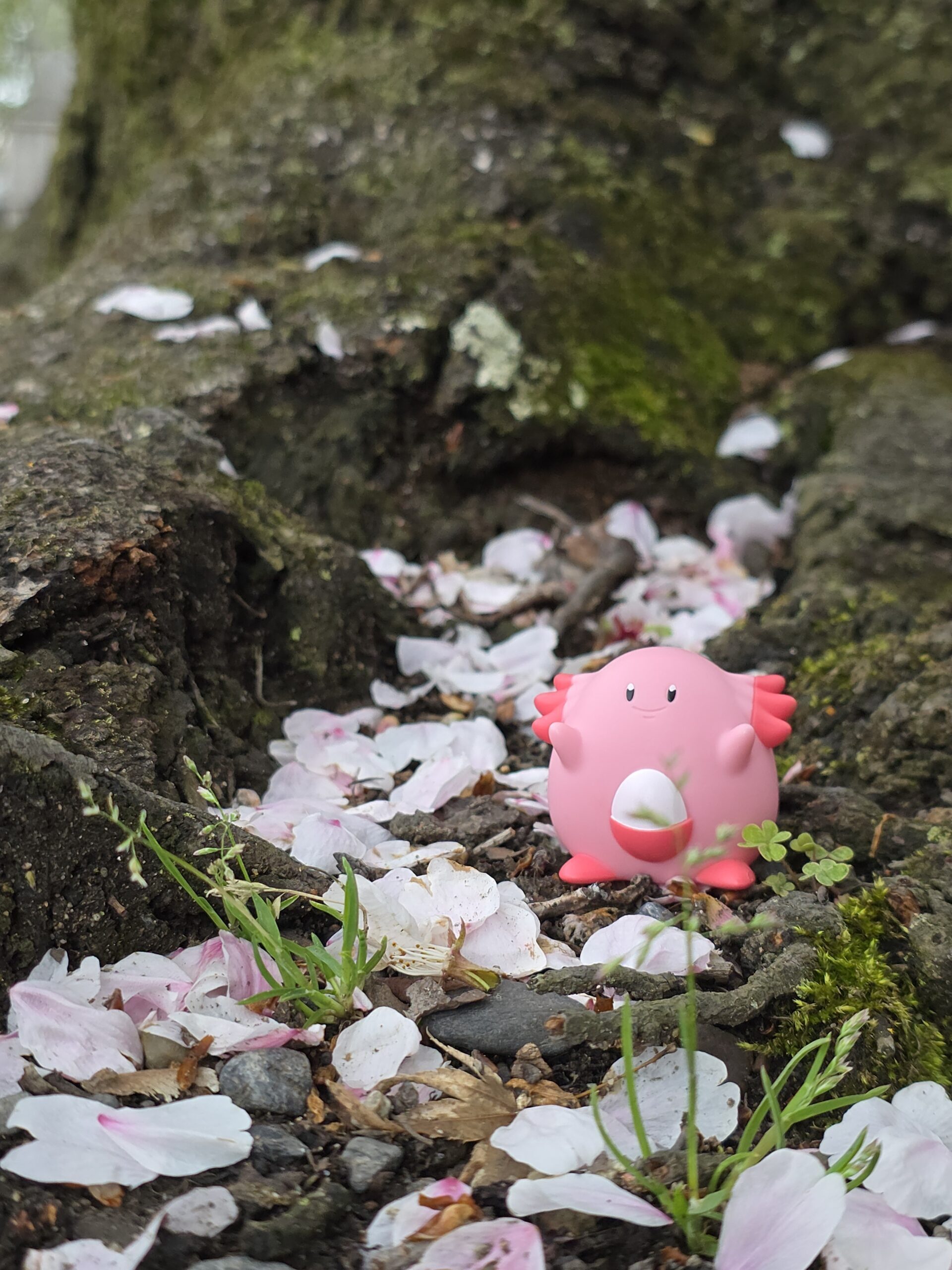
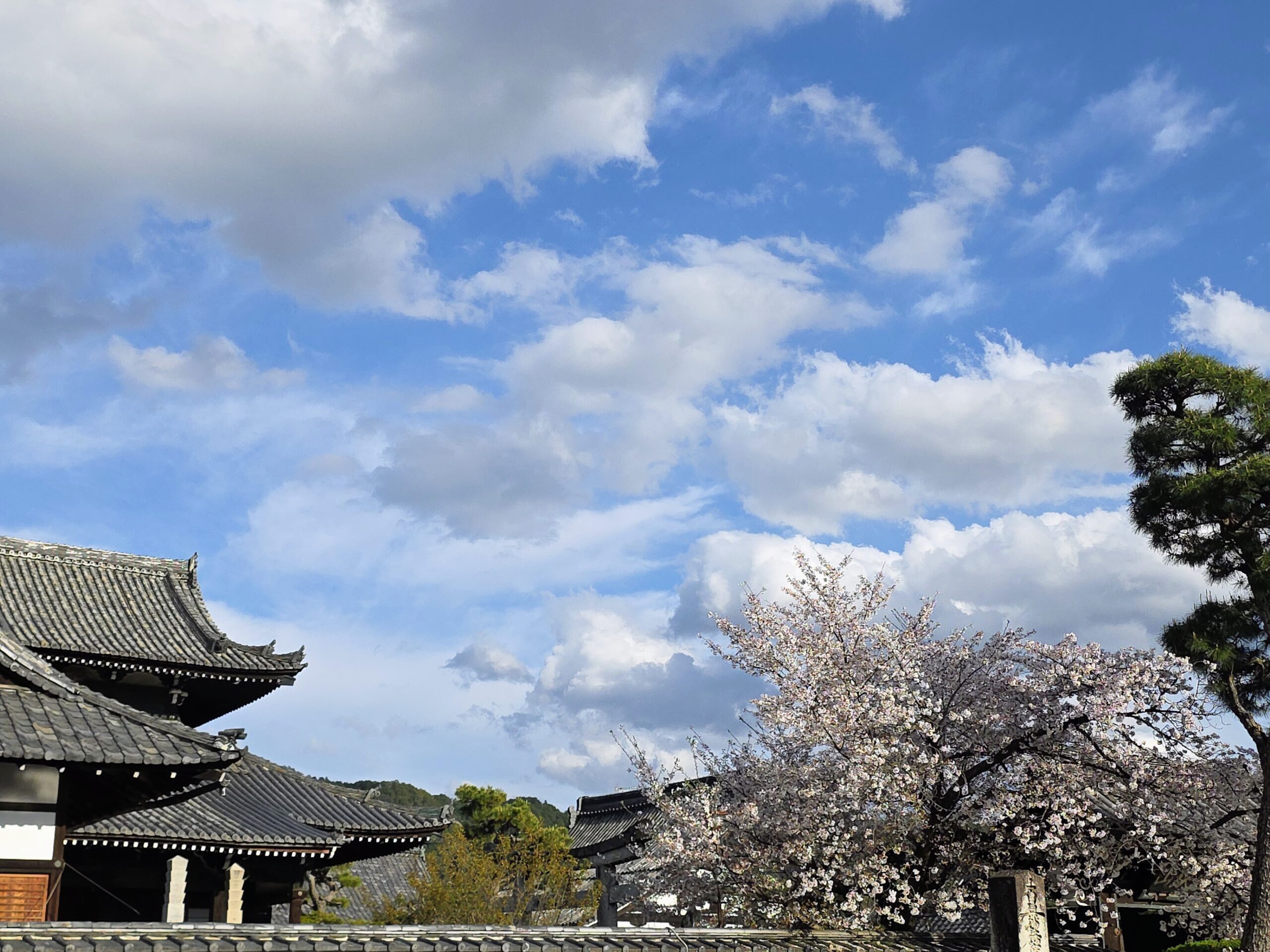
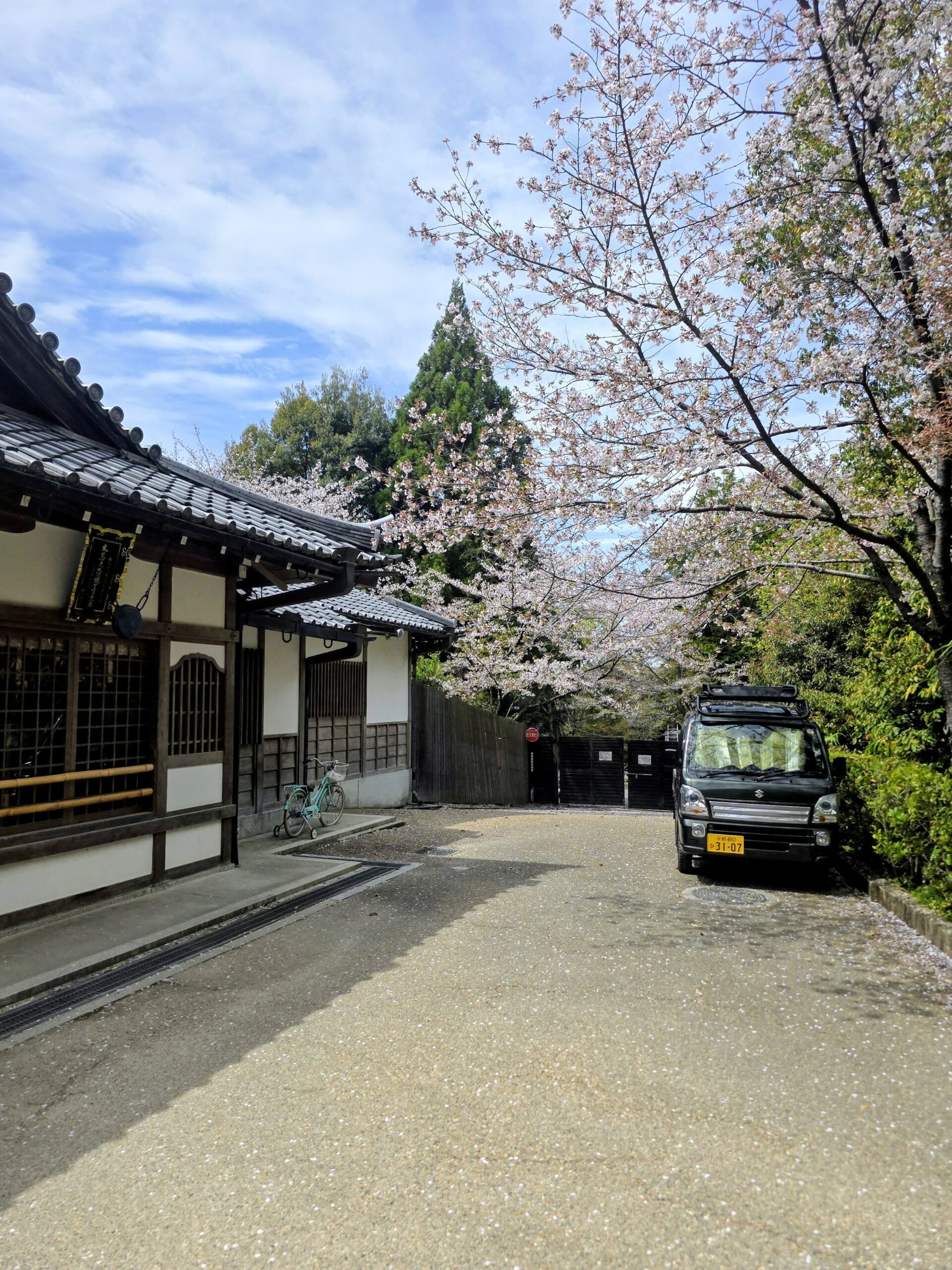
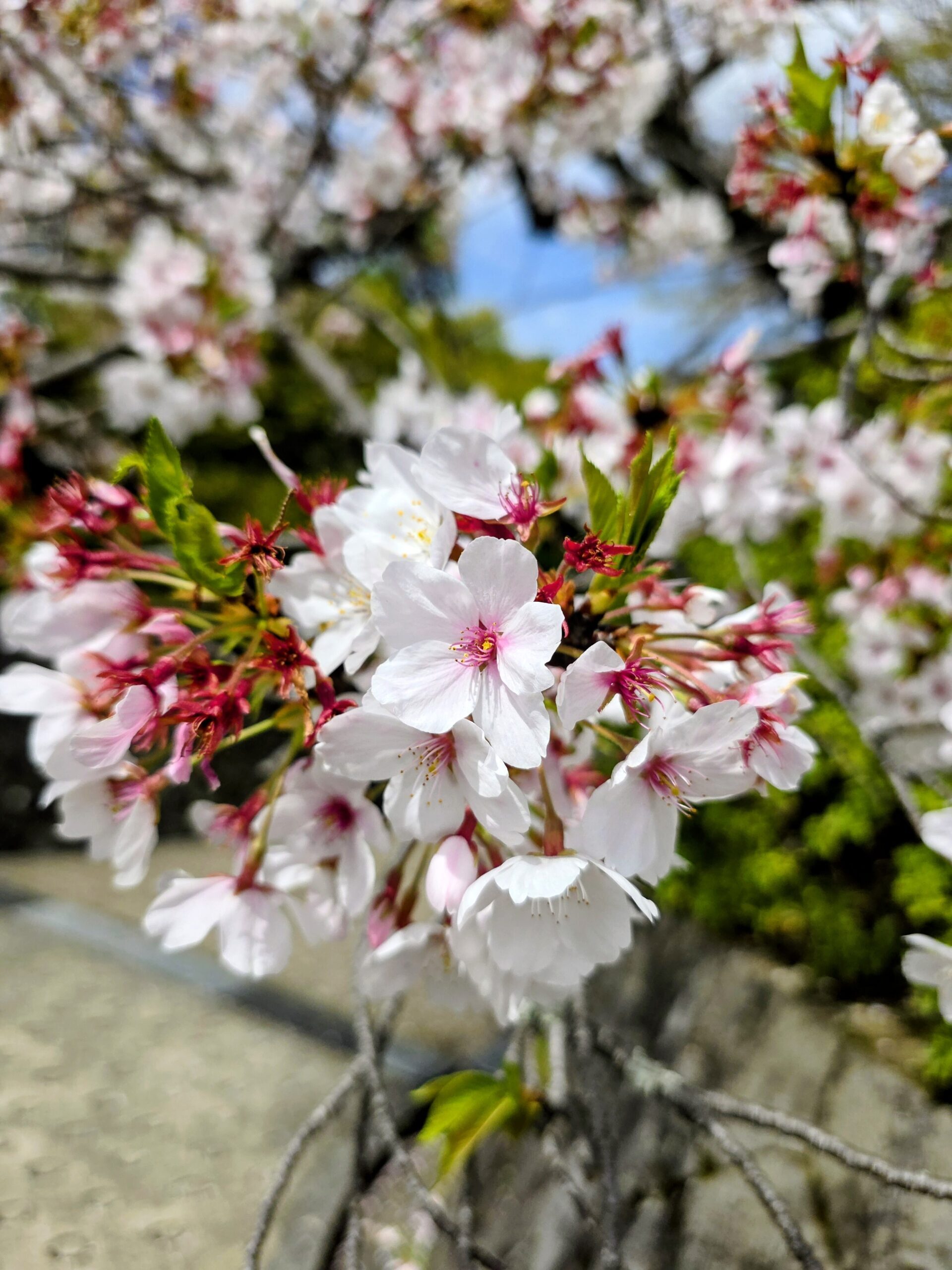
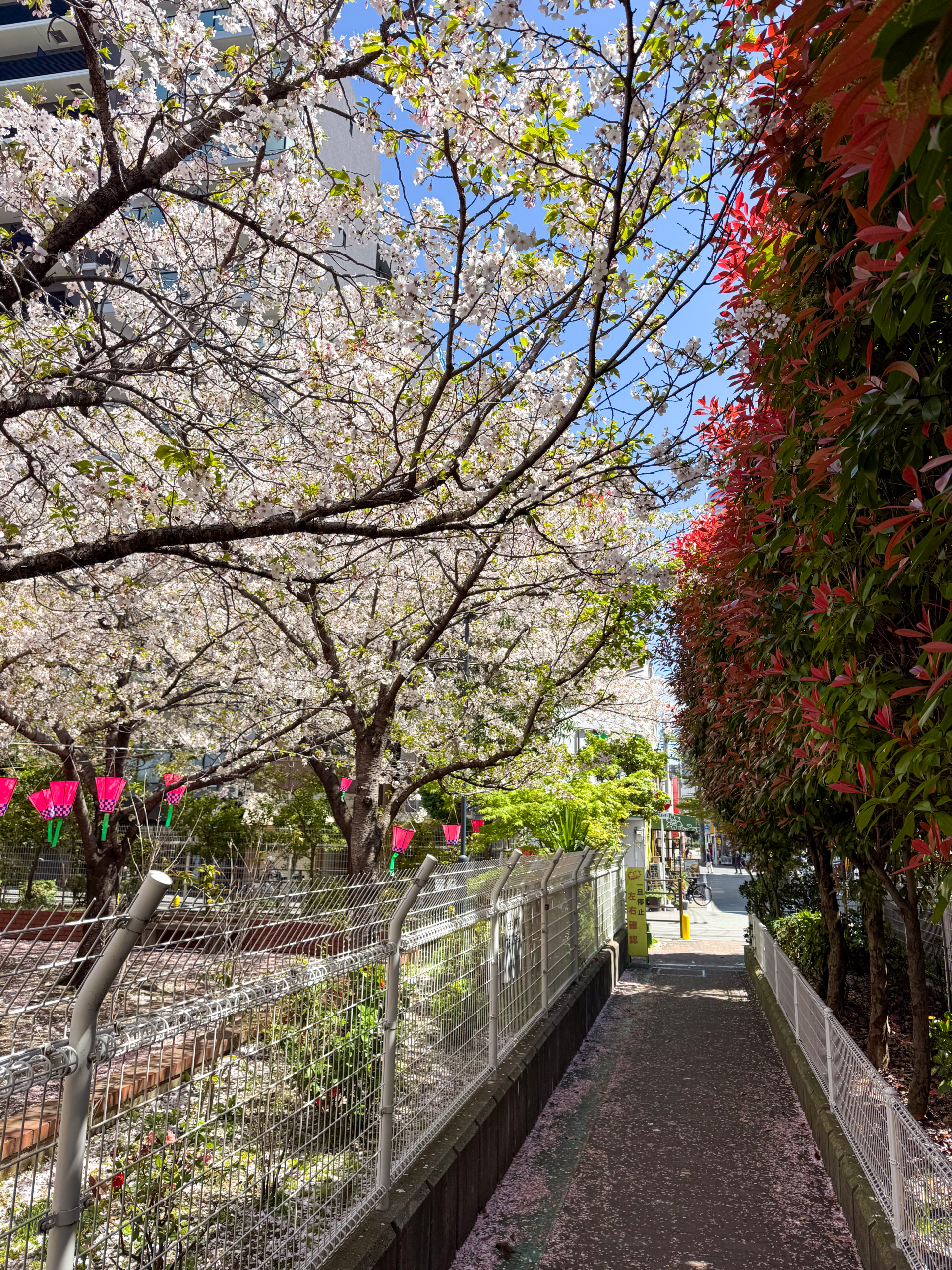
Back to our stomping grounds, hitting Shibuya first, then Harajuku after. Just like in Seoul, the cherry blossoms were in full bloom. Soft pink against a dense grey Tokyo skyline. I find it incredibly hard to visit Japan outside of sakura season anymore.
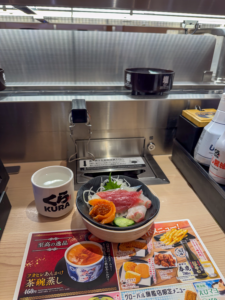
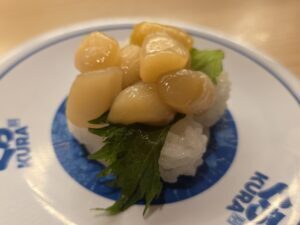
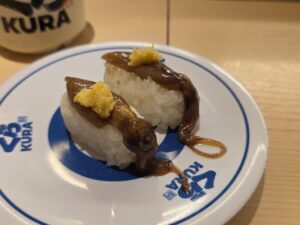
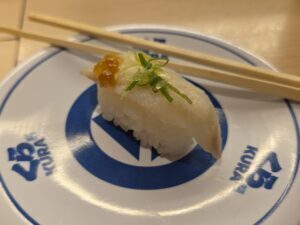
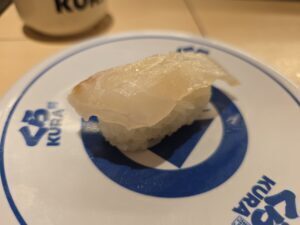
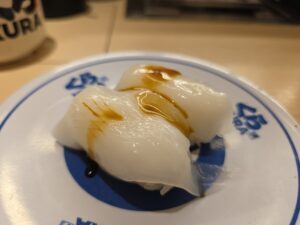
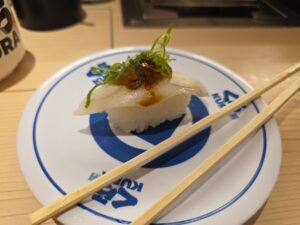
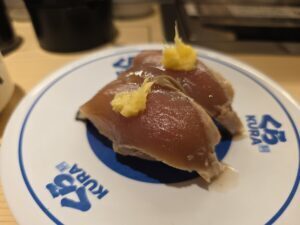
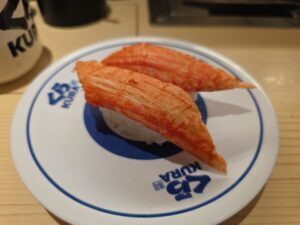
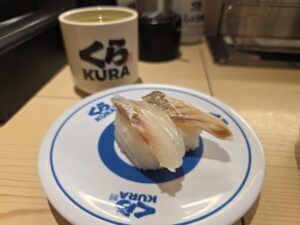
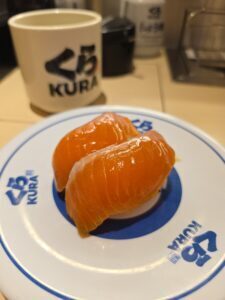
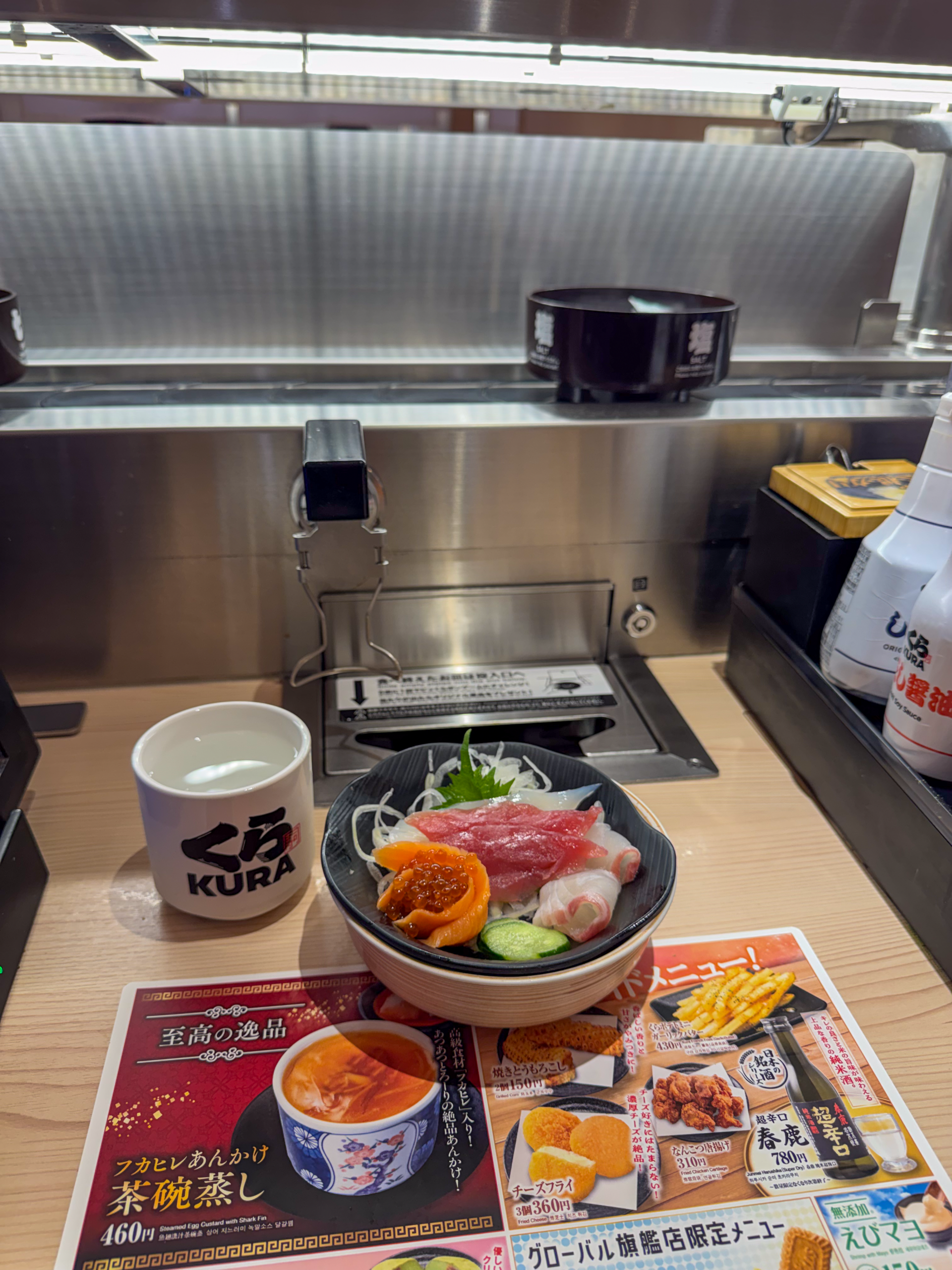
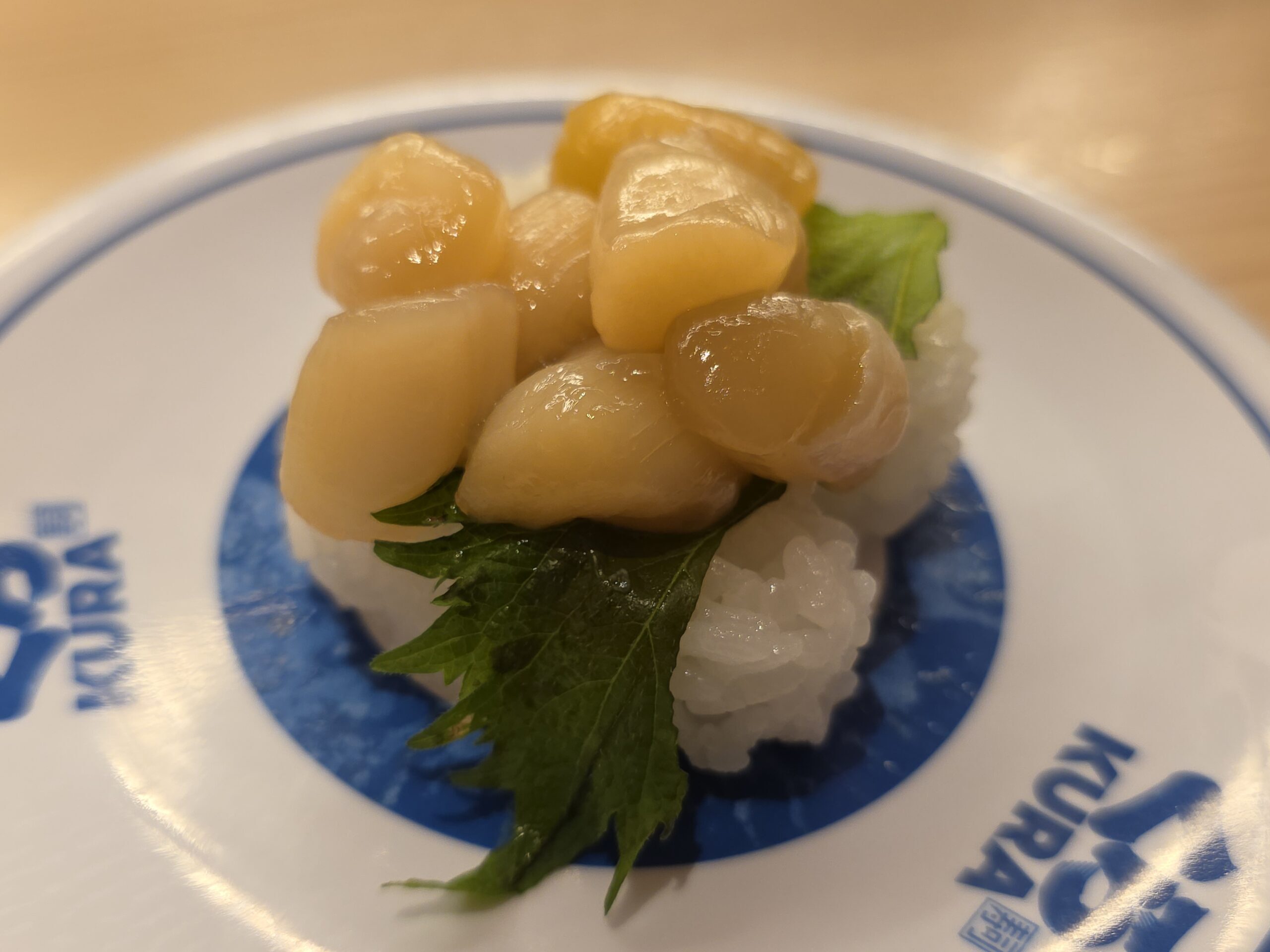
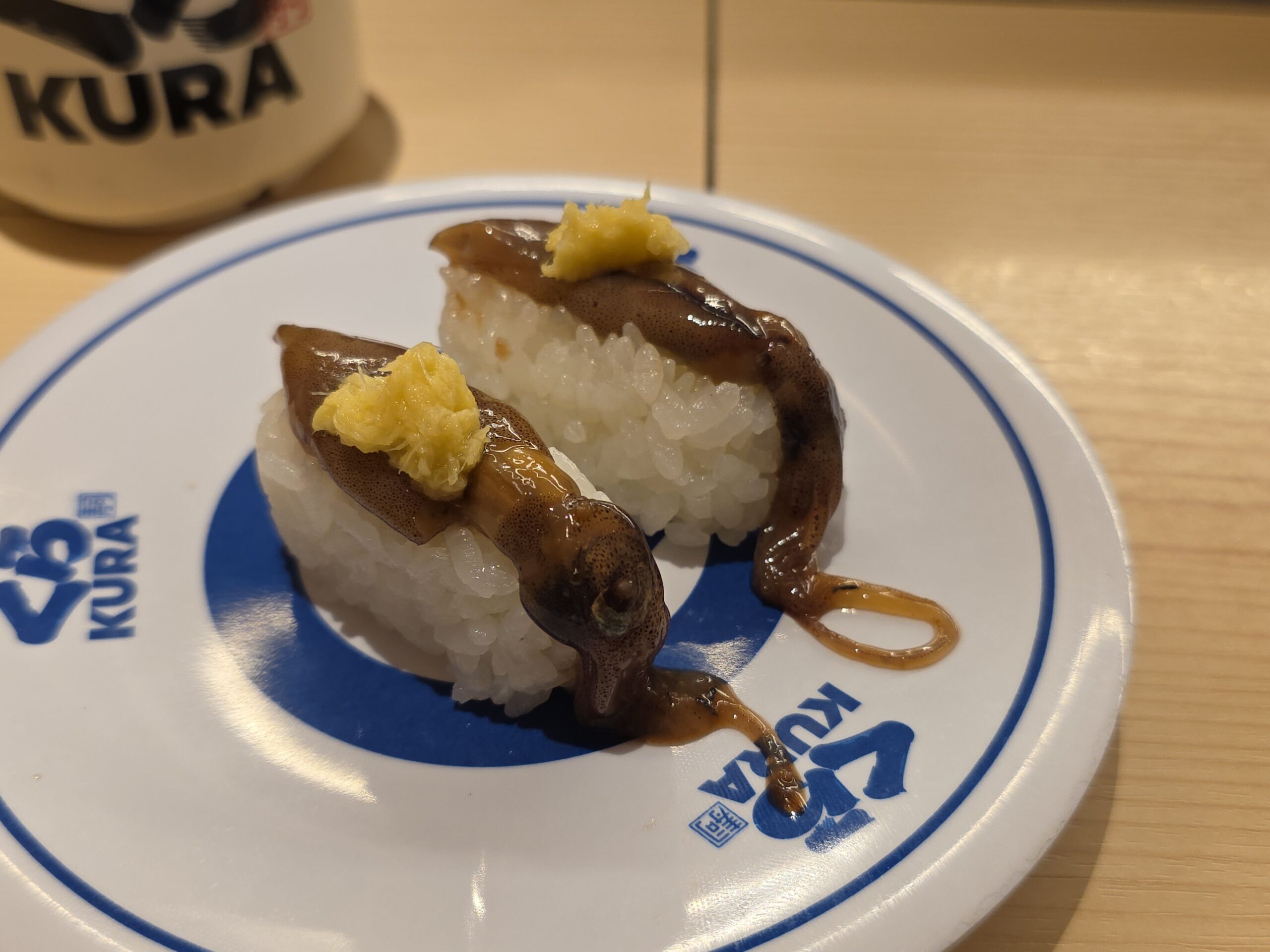
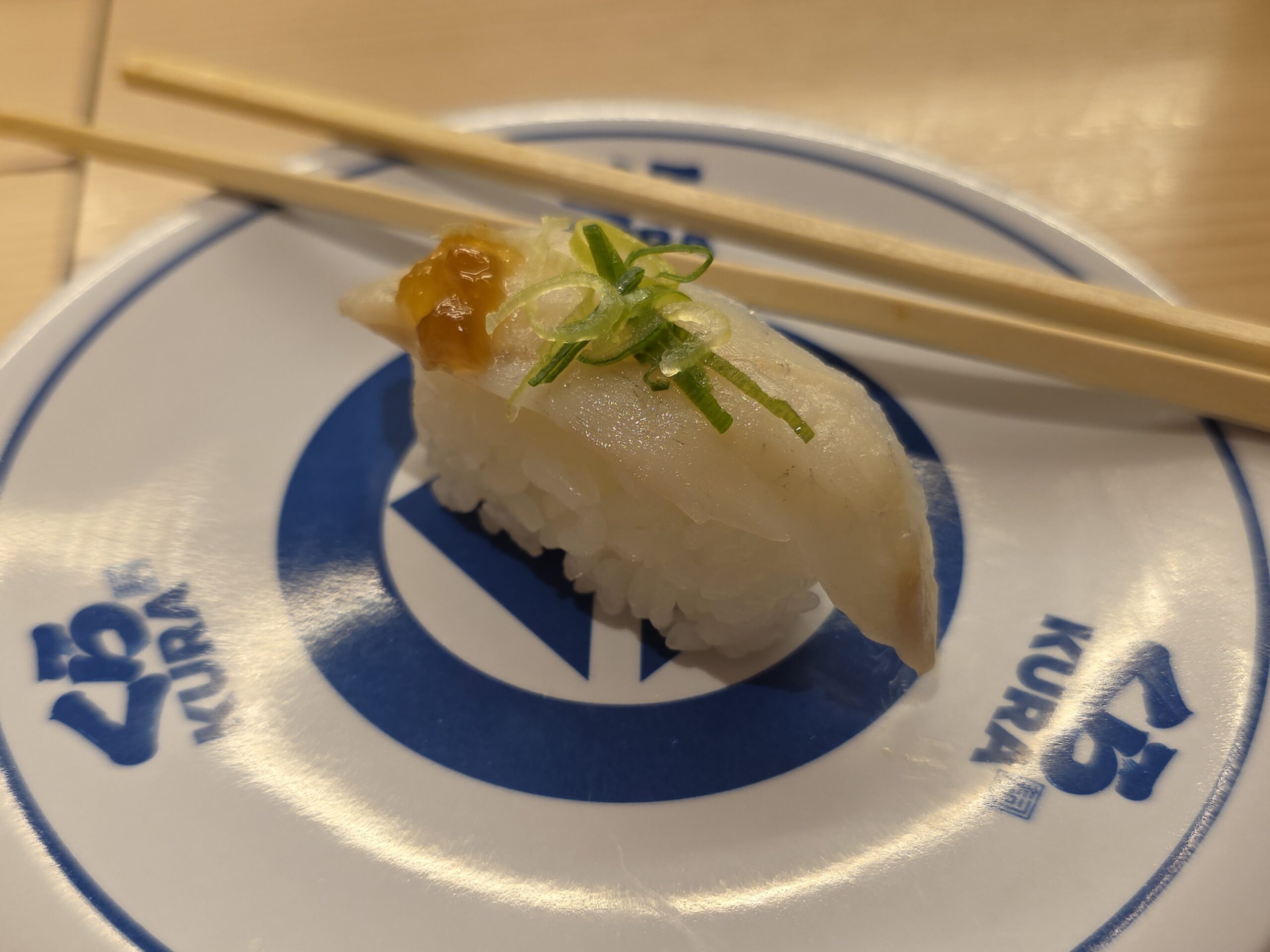
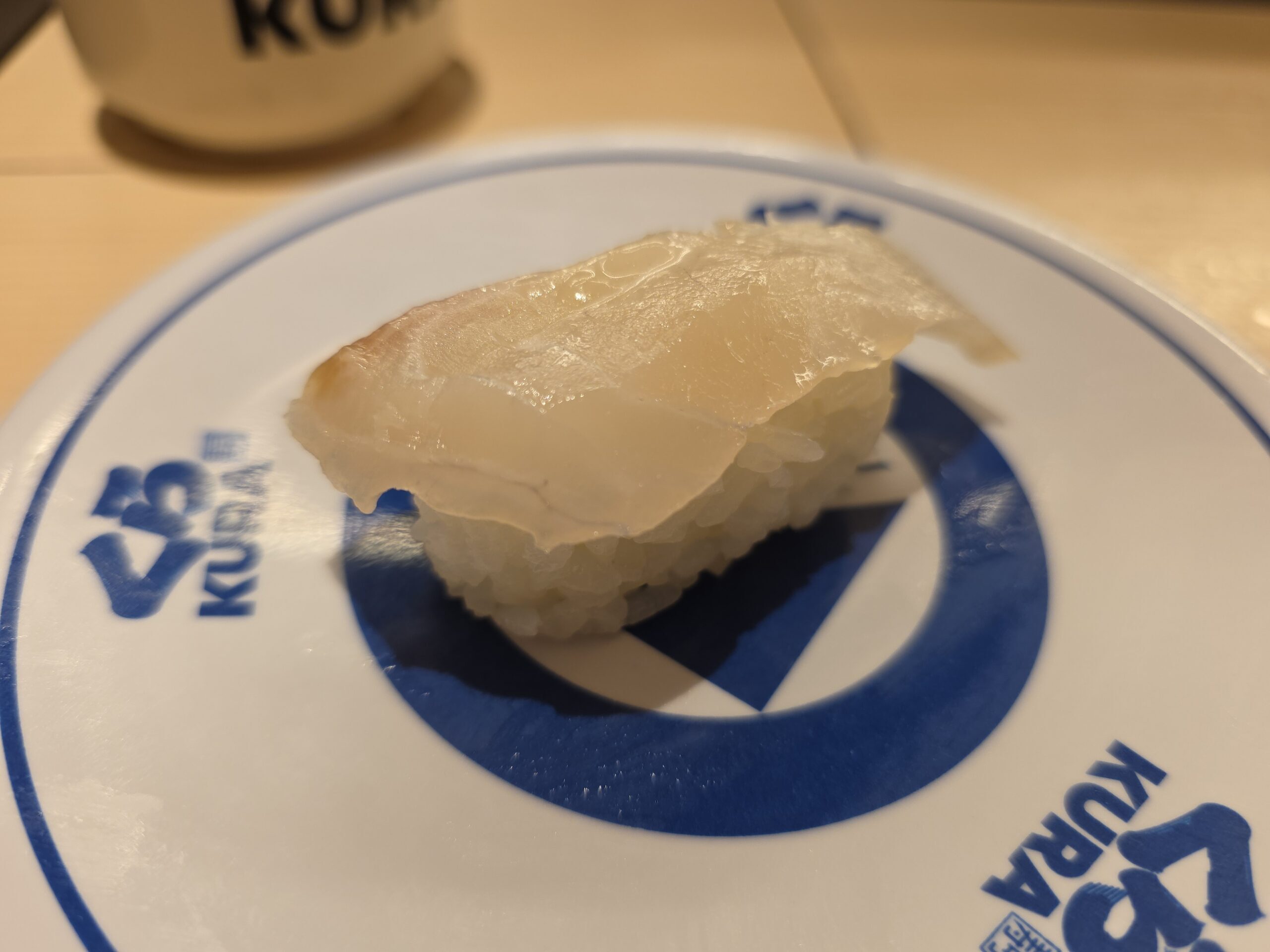
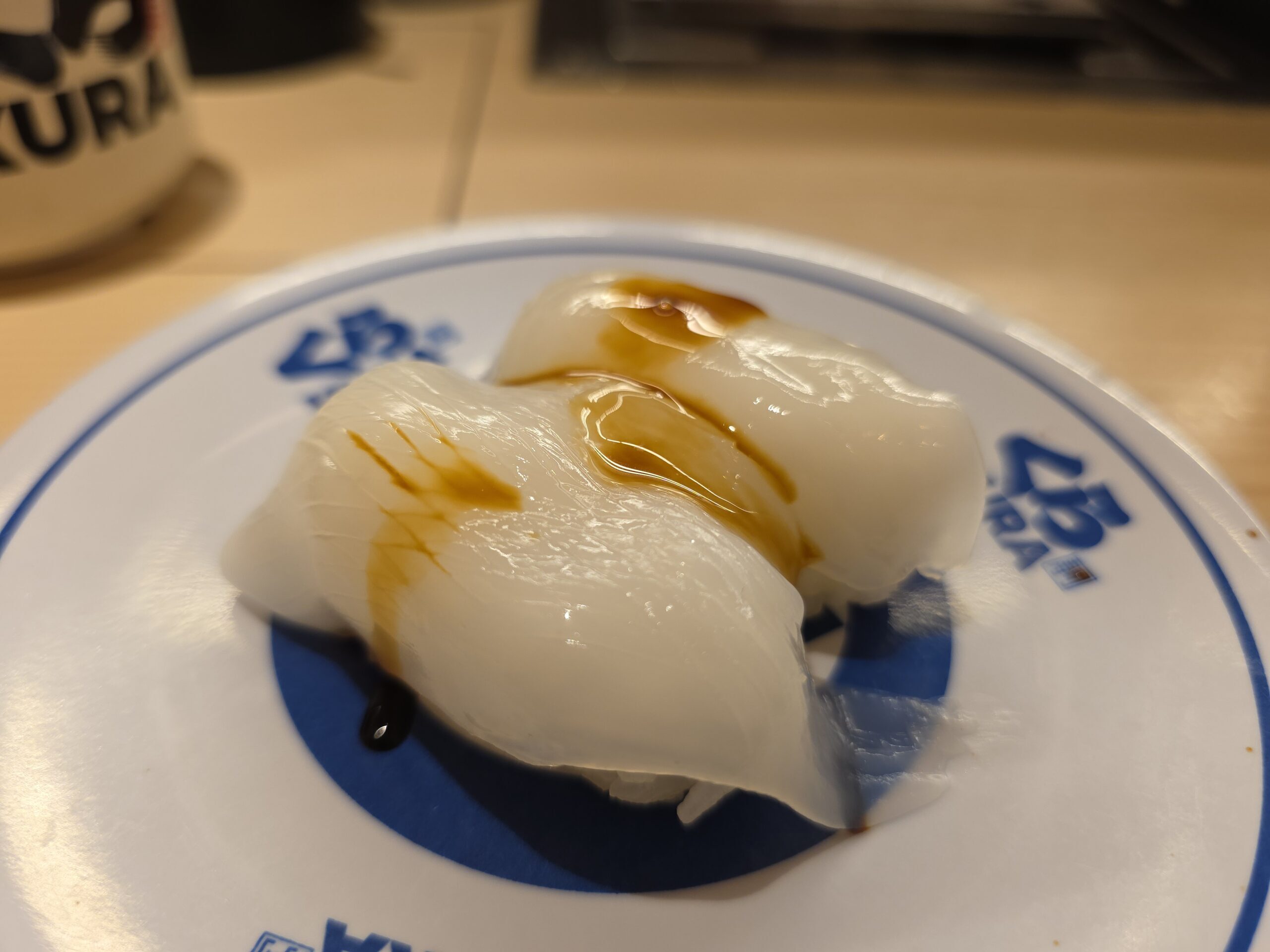
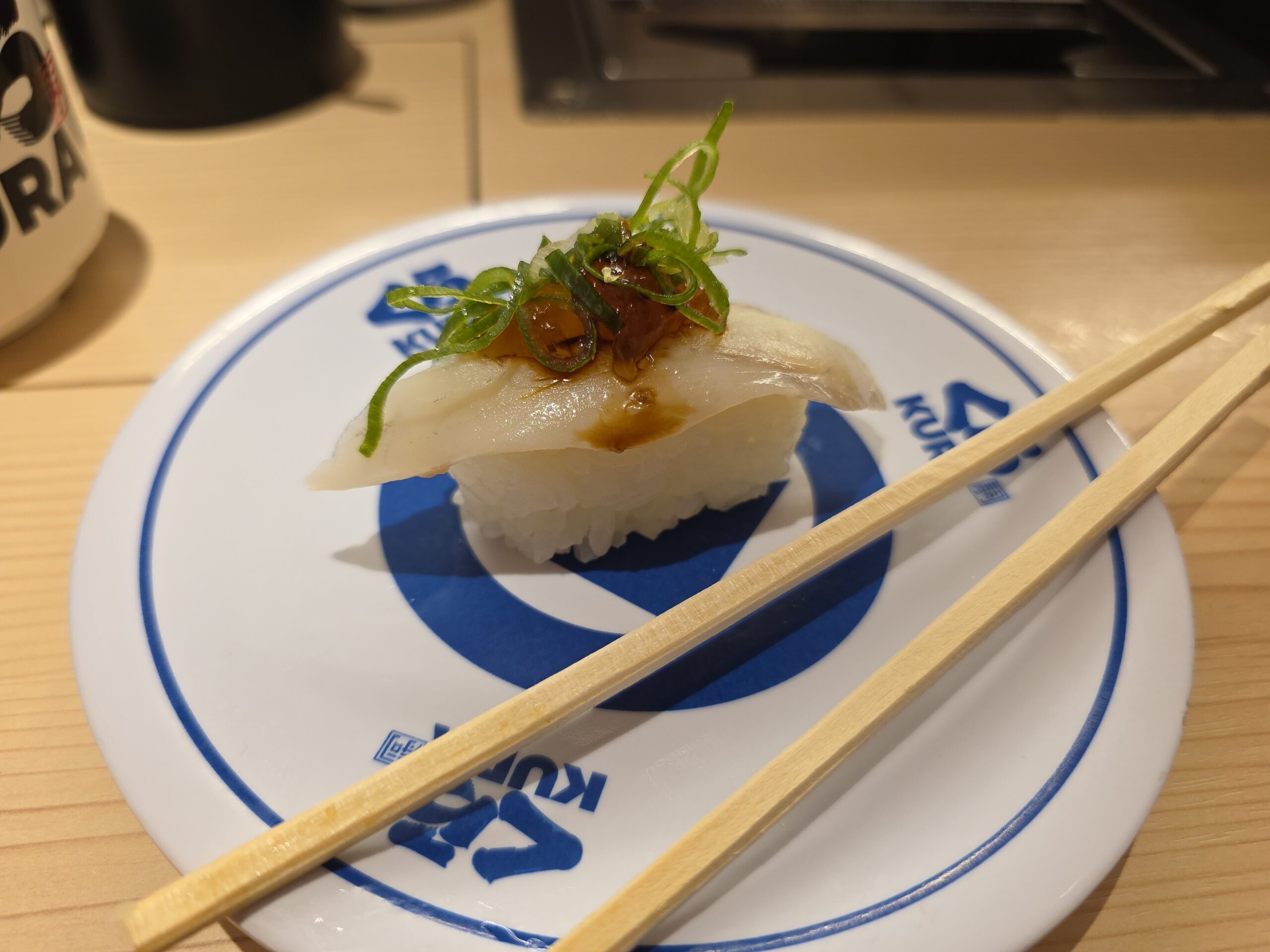
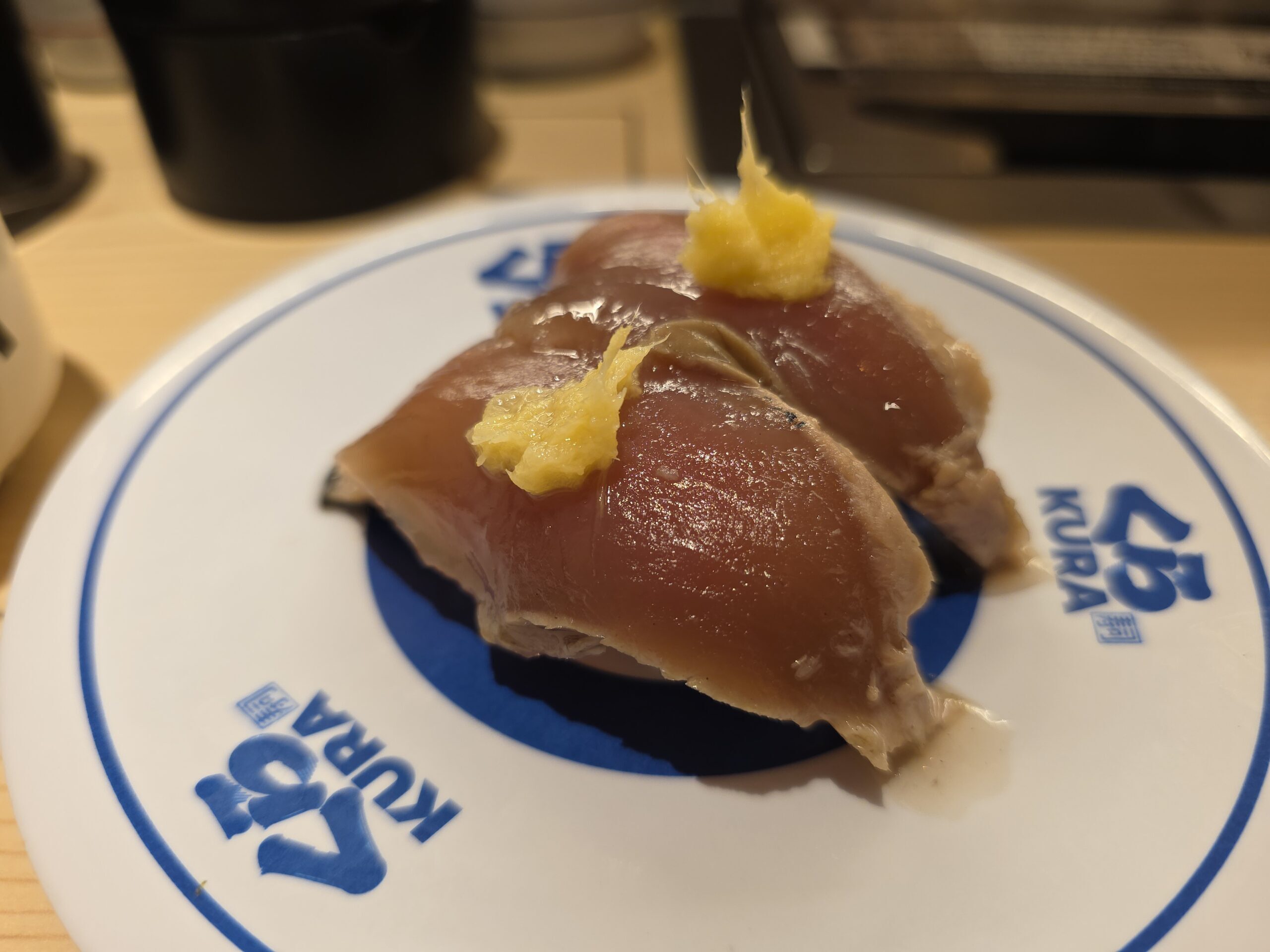
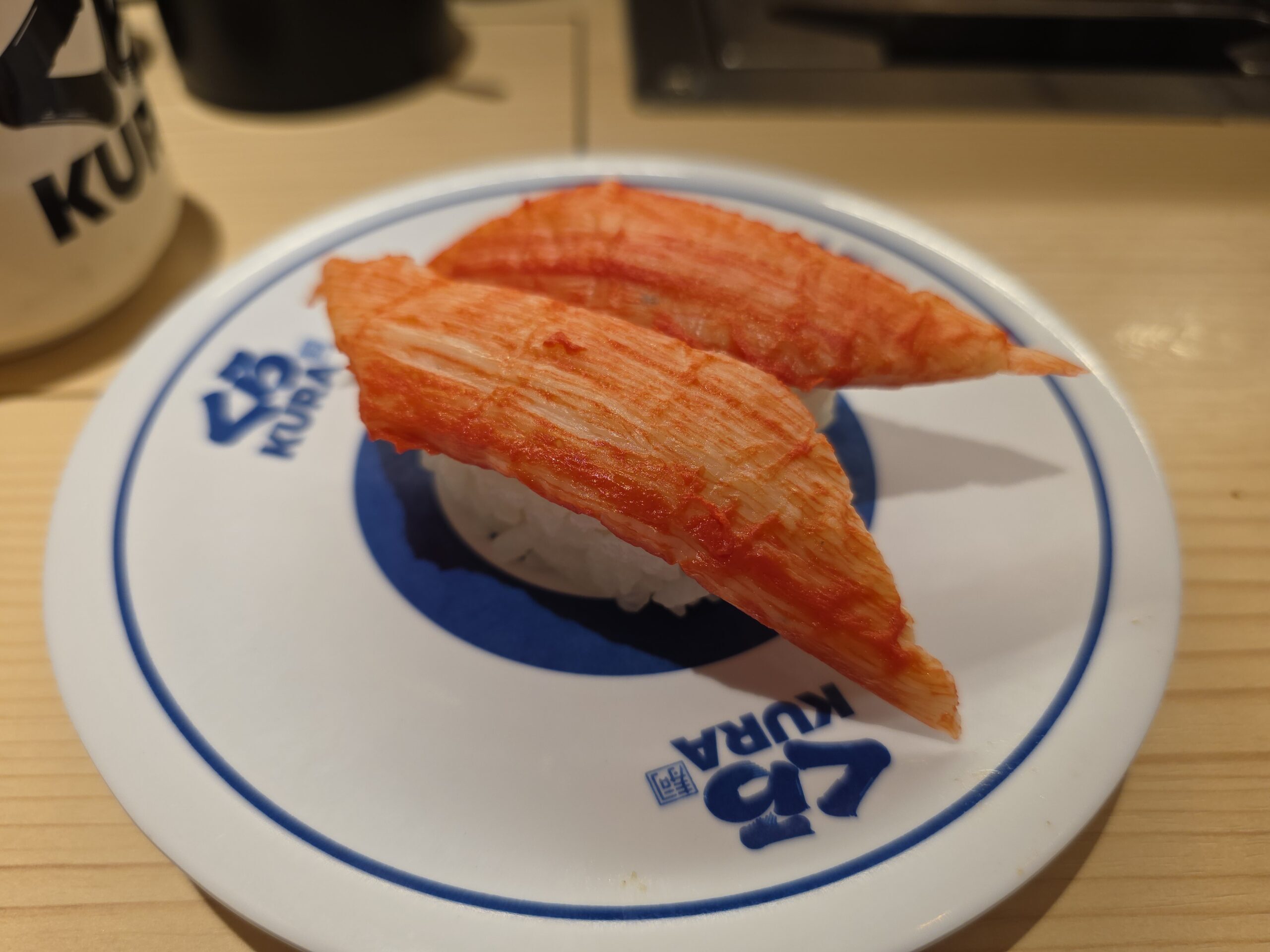
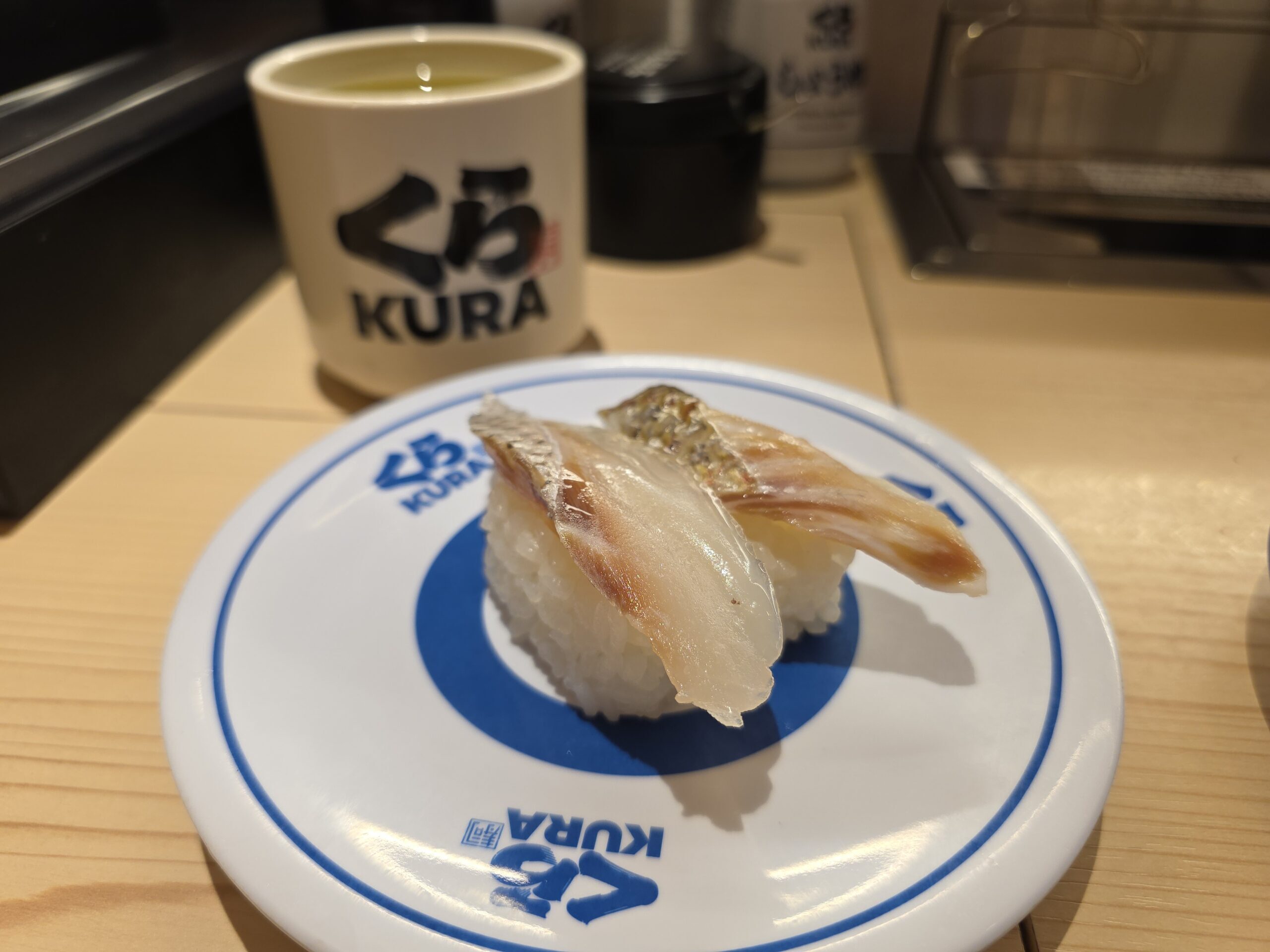
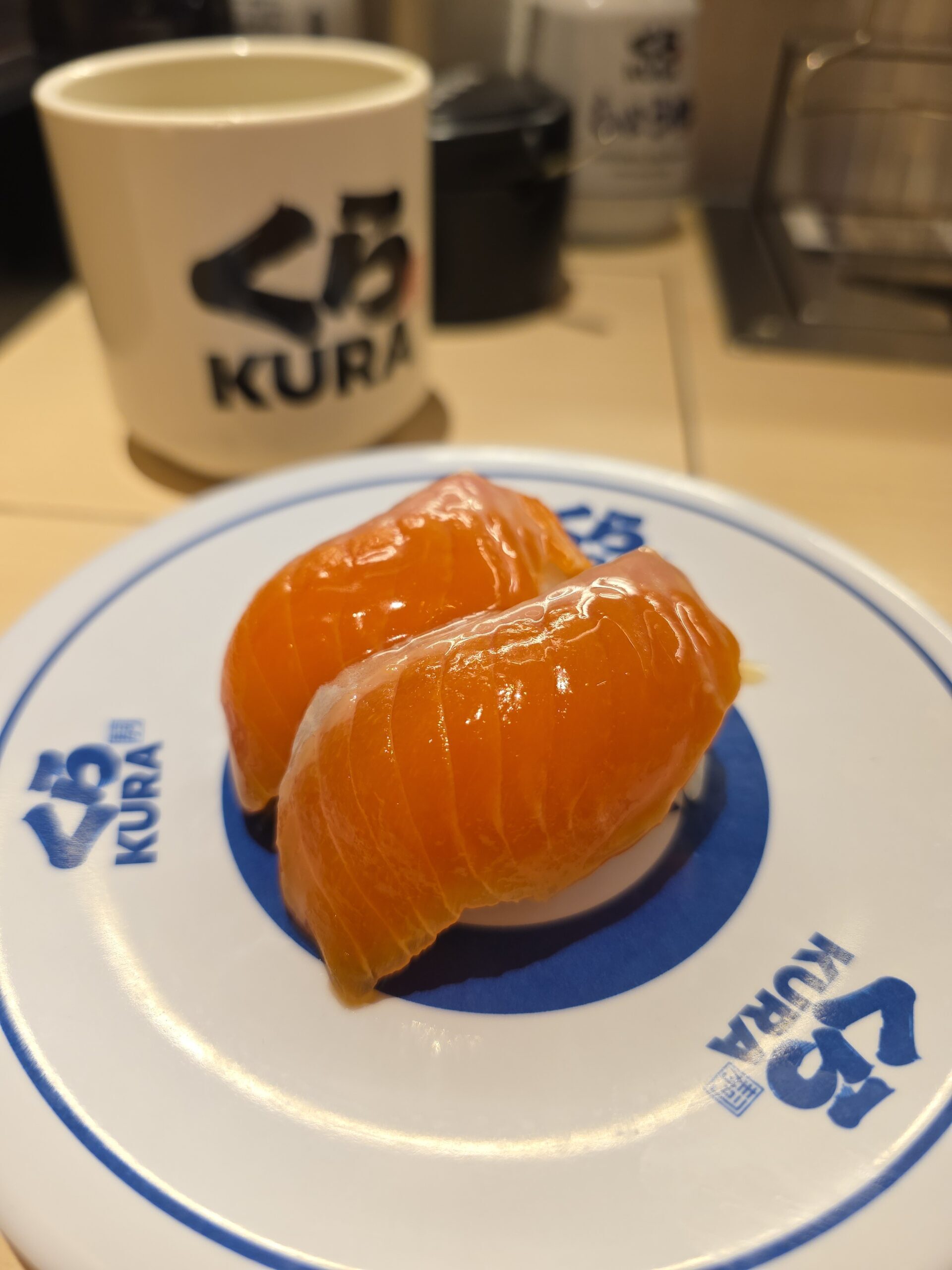
My girlfriend had some shopping to tend to (she had missed a whole Japan trip and had debts to pay…to herself, mostly). While she browsed, I wandered at a comfortable pace, taking in the scenery. Okay okay, I might have shopped a bit too. We made our way to the Kura Sushi flagship store in Harajuku for lunch. I love kaitenzushi, a.k.a. conveyor belt sushi, and Kura is one of our favorites. Plates ranged from 110 to 300 yen for the fancier options, which is an insultingly good value when you’re used to American sushi prices.
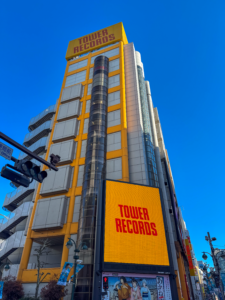
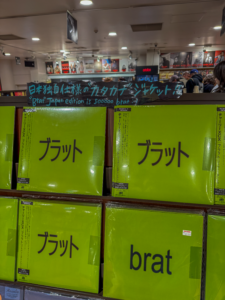
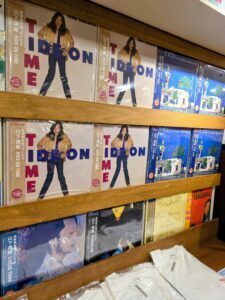
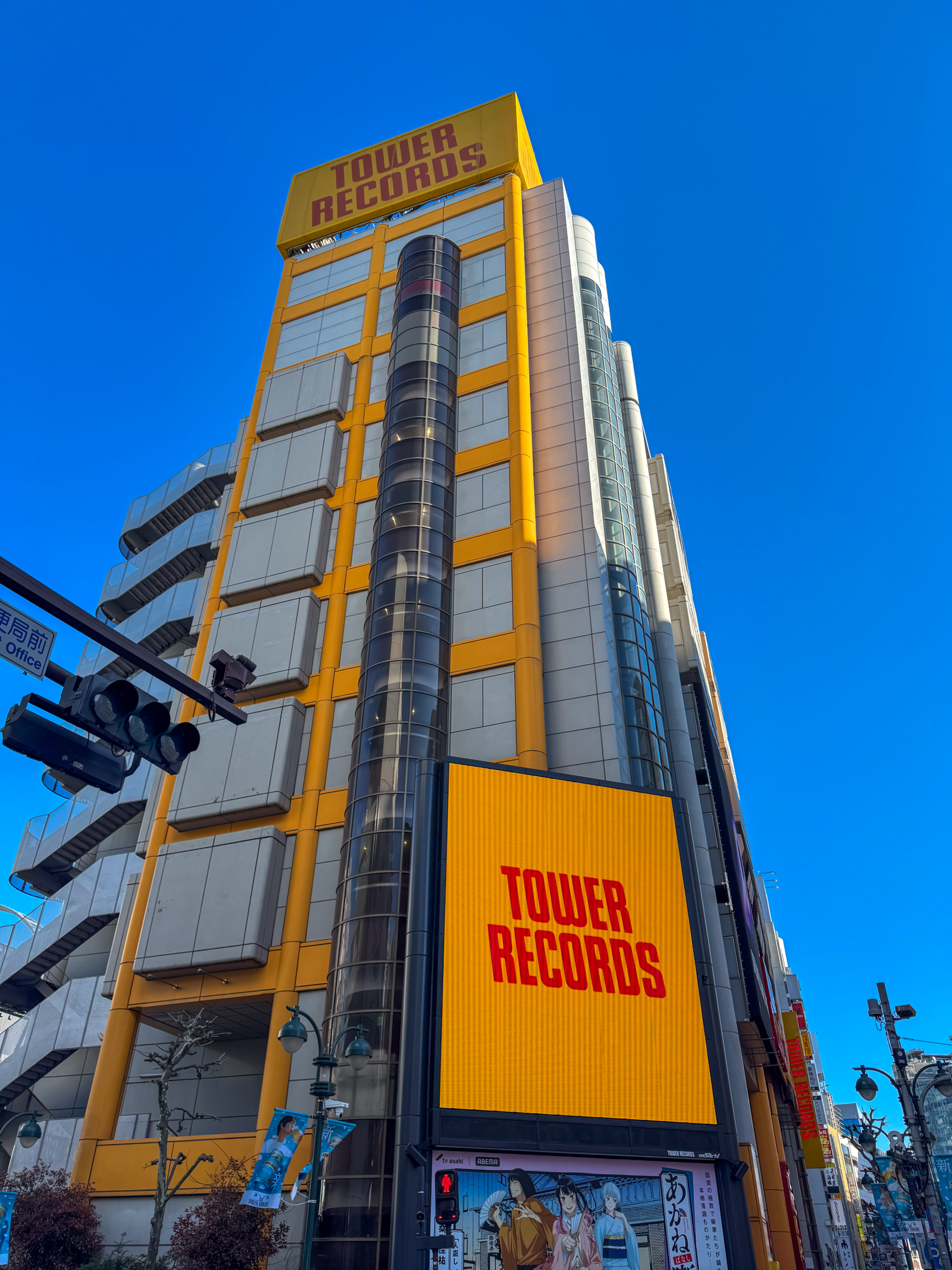
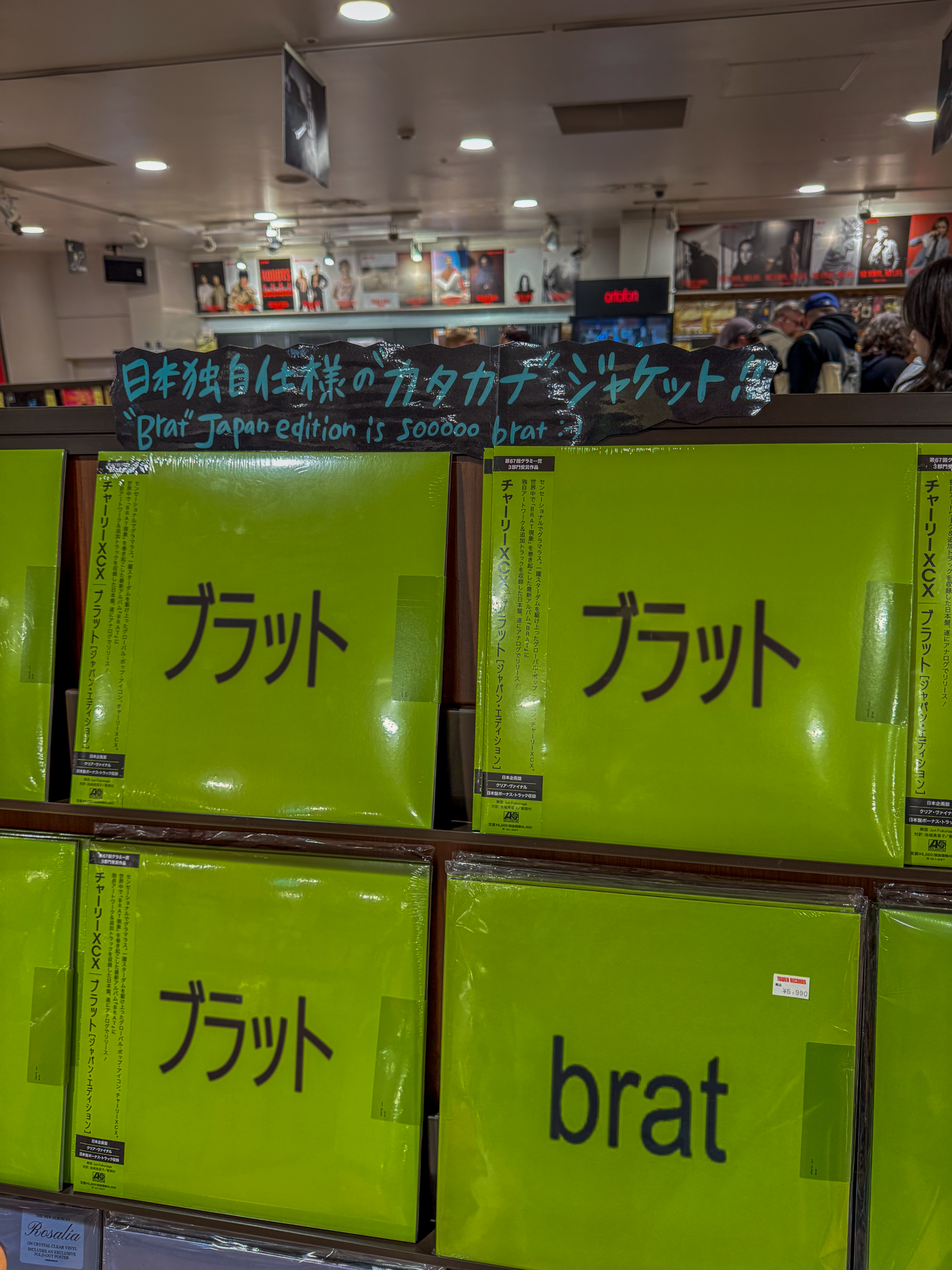
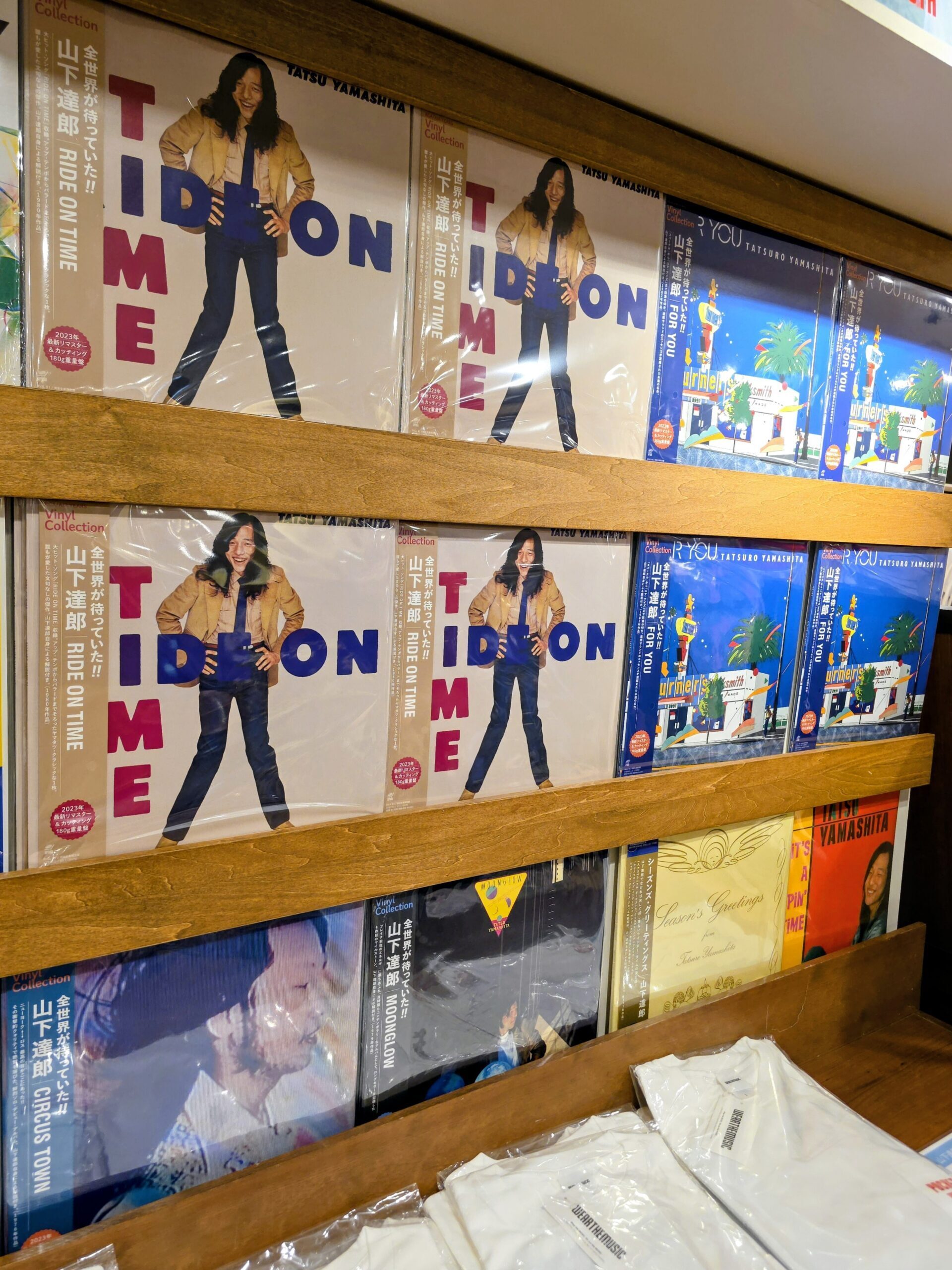
From there, we made our pilgrimage to Tower Records Shibuya. Tower Records hold a special spot in our hearts. The chain went bankrupt and shuttered across the U.S. in the early 2000s, ultimately another casualty of the streaming era. I used to visit the one in Northeast Philly because they’d occasionally carry Japanese import CDs and albums from Japanese bands, so this place has always felt personal to me. While U.S. operations ceased, the Japanese subsidiary survived independently. Today, the Shibuya location is nine stories of music: vinyl, CDs, artist merchandise, limited editions, regional exclusives, live event spaces. I even noticed cassettes are making a comeback here, as it seems that Japan never fully let them go. In a world where physical music retail has all but vanished, Tower Japan stands as proof that if the fanbase is passionate enough, the store survives. We always walk out with something.
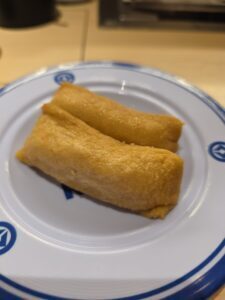
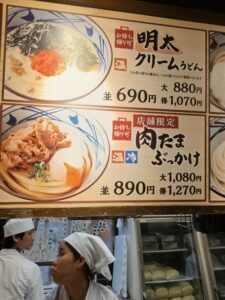
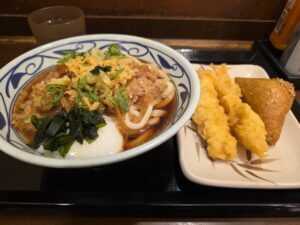
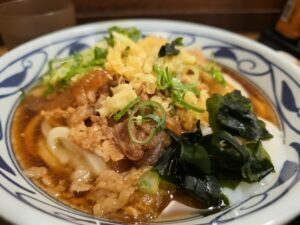
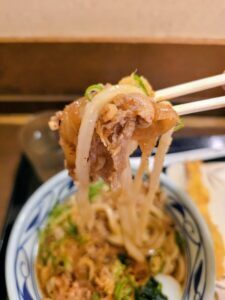
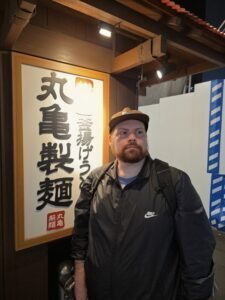
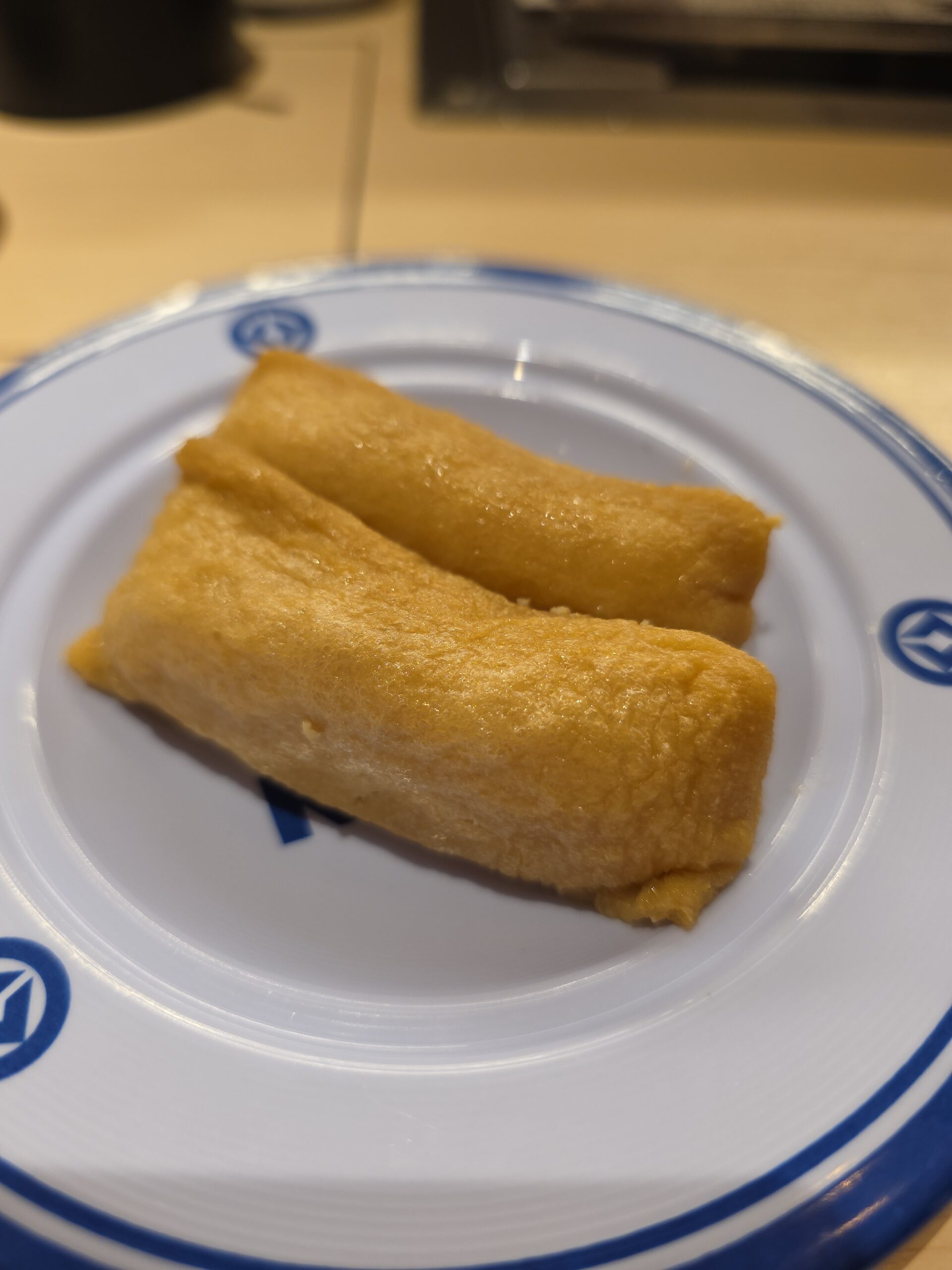
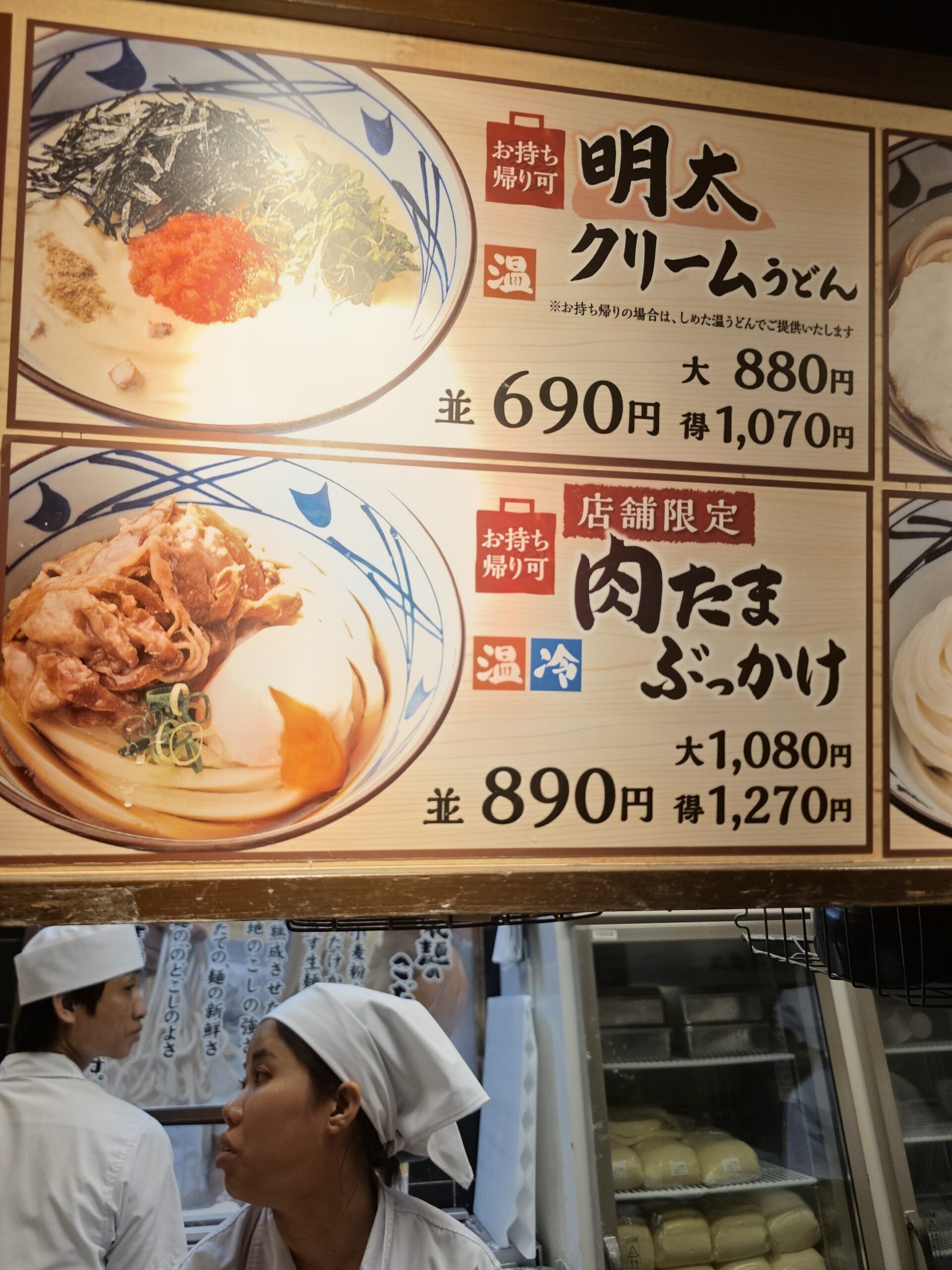
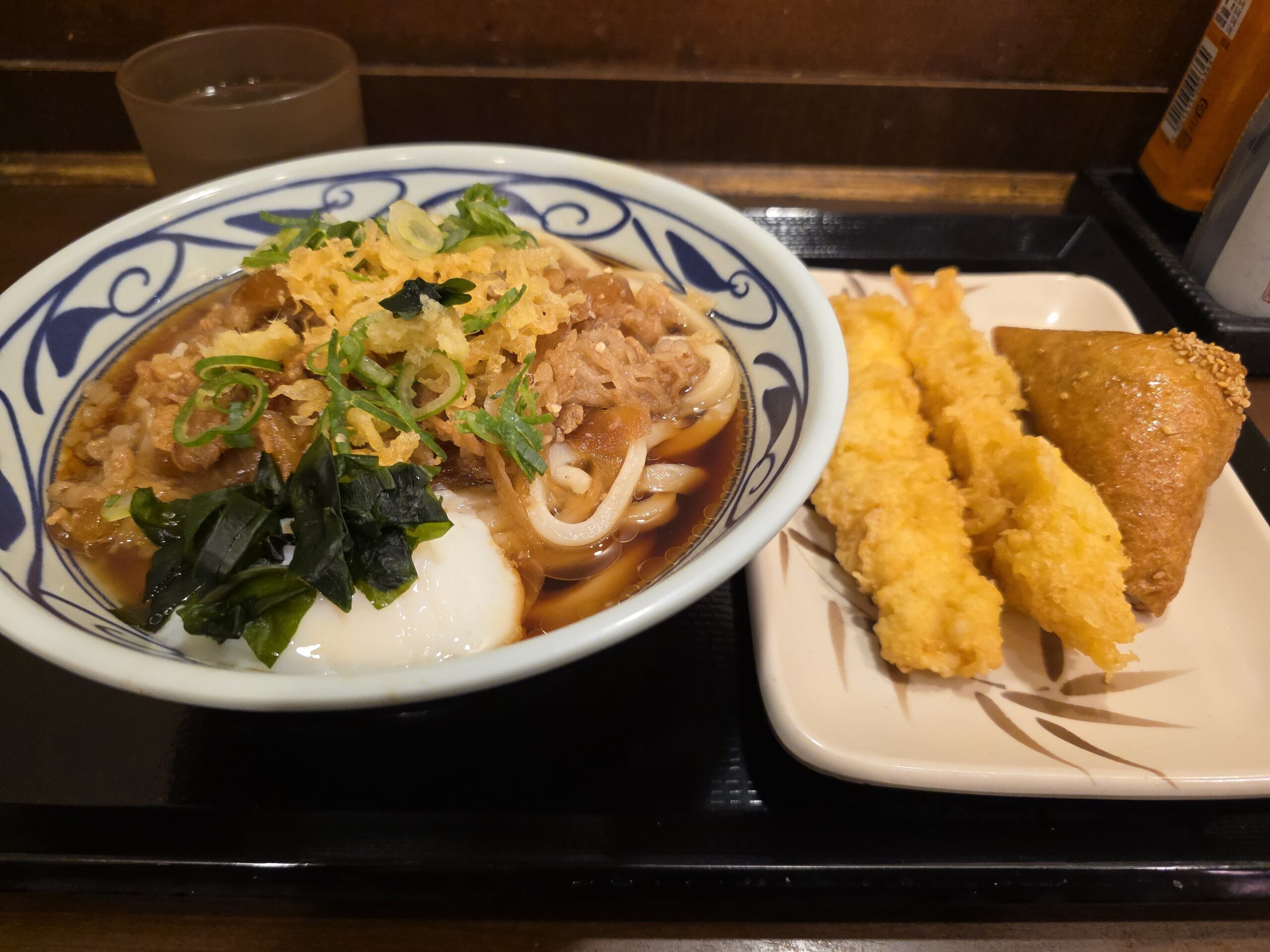
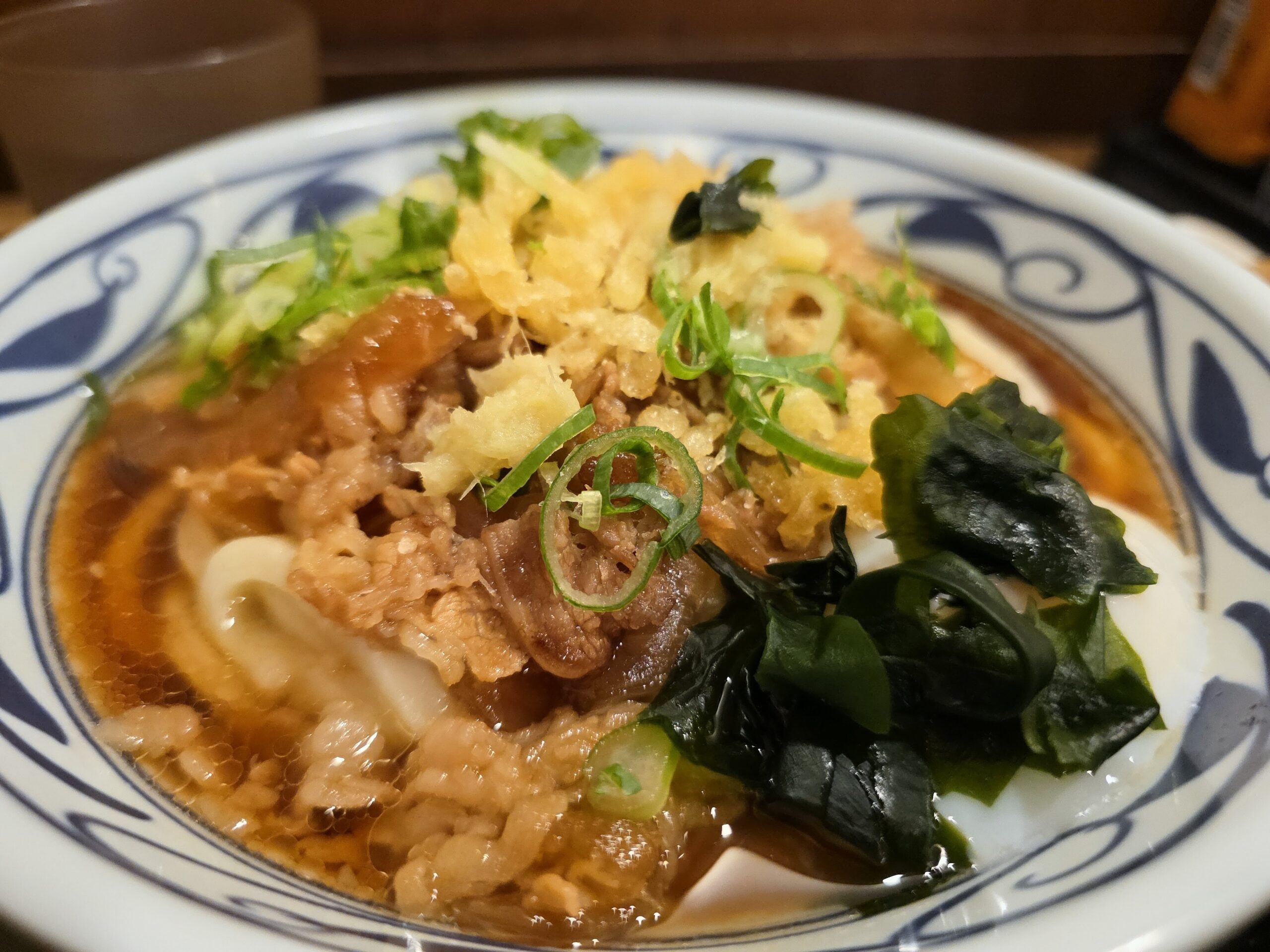
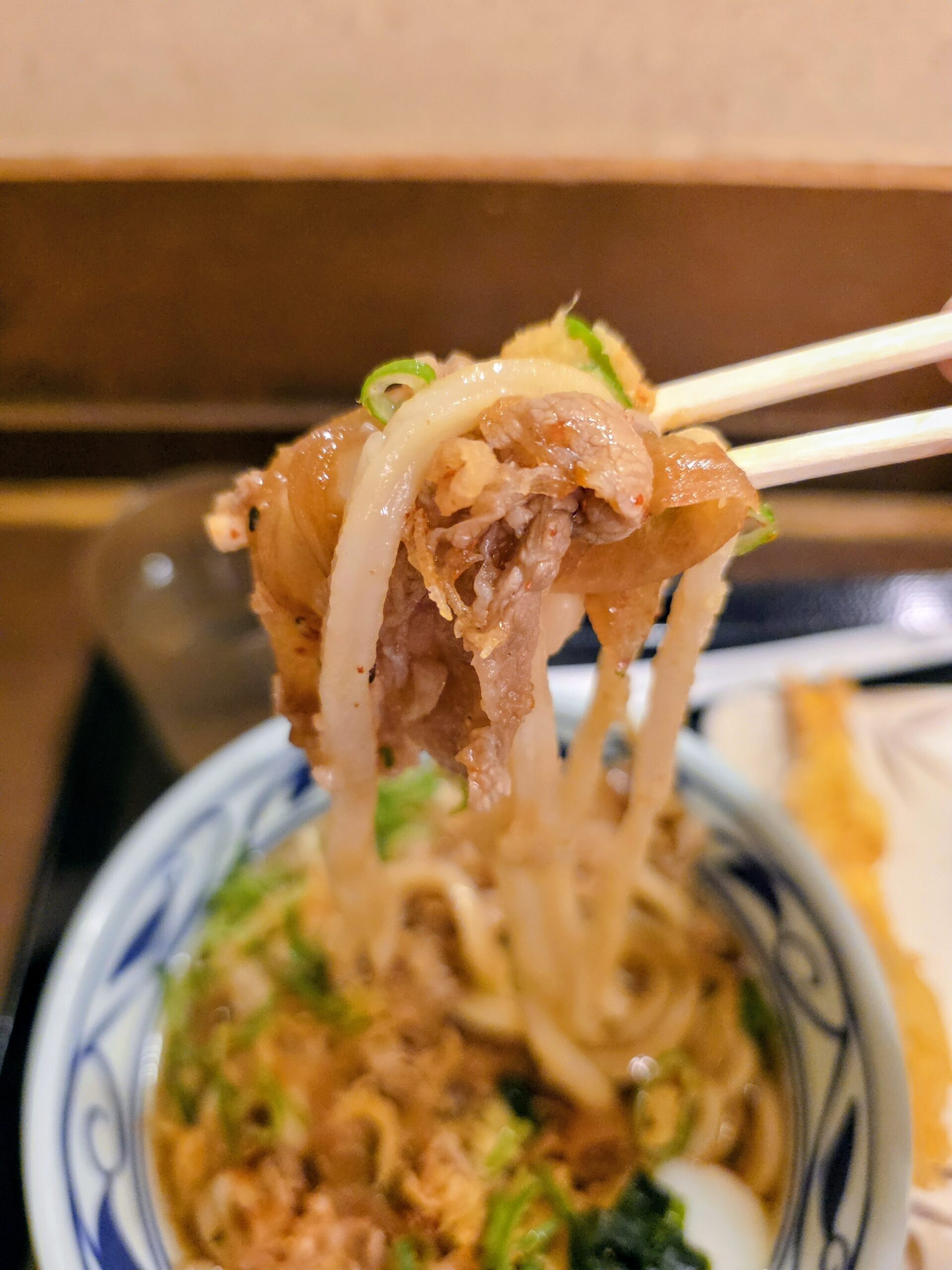
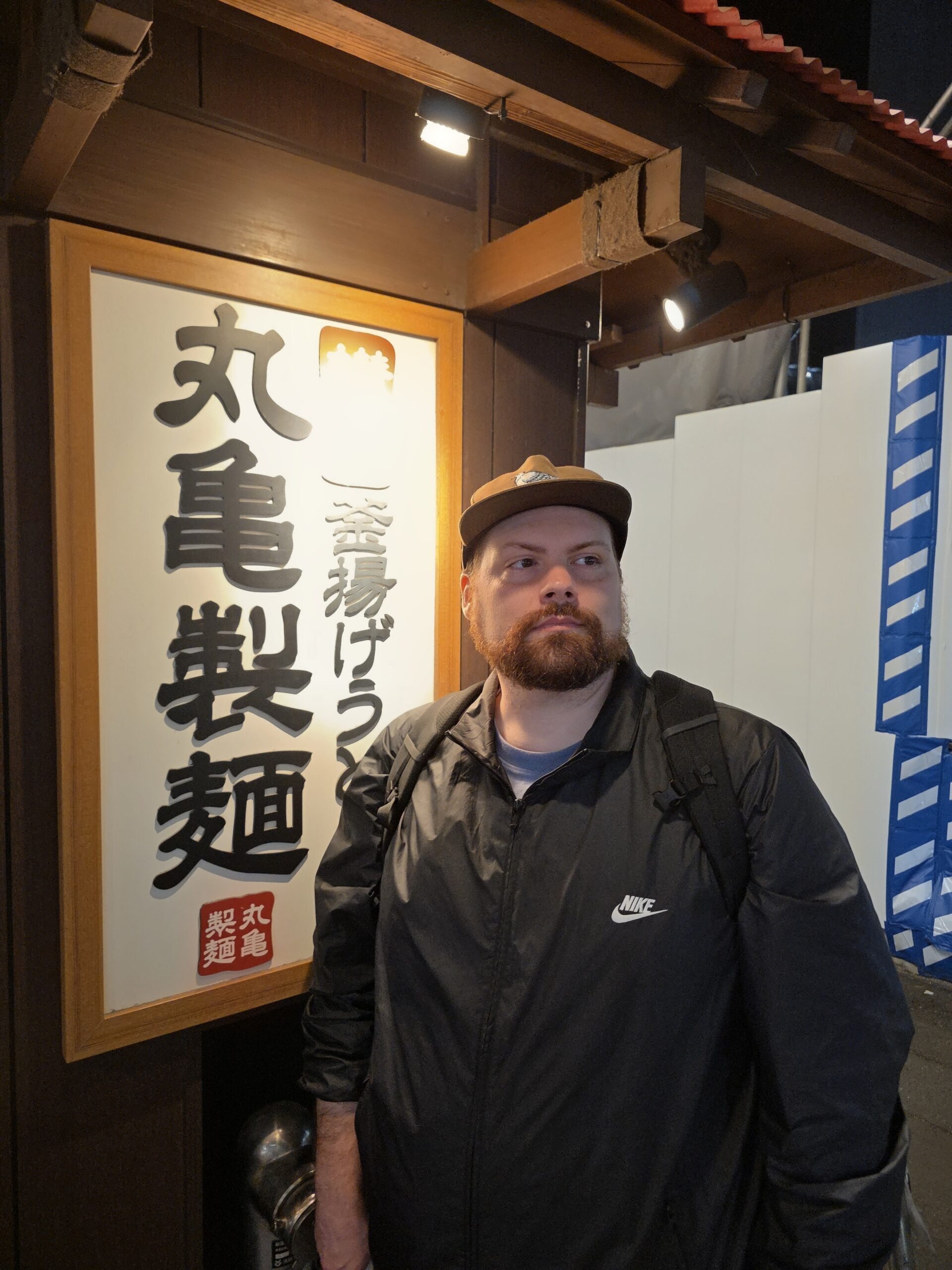
We closed out the evening at Marugame, the one on Dōgenzaka Hill specifically, the same location we visited on our first trip. I ordered bukkake udon with beef, and added fried cuttlefish, tempura shrimp, and an inari sushi. But the highlight wasn’t the food. It was that I could read and understand the entire menu sign — kanji and all — completely in Japanese. Years of Japanese study have started to pay off, it just took four visits!
Small Cute Things and the Adults Who Love Them
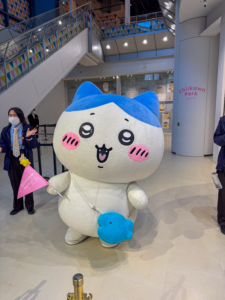
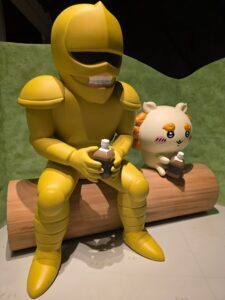
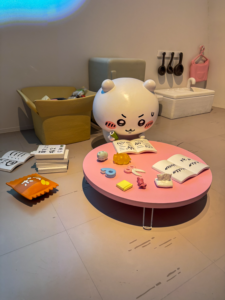
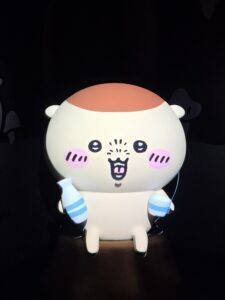
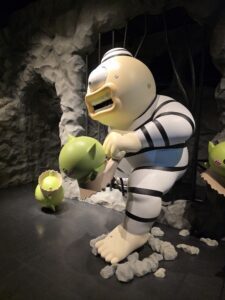
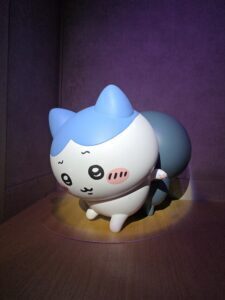
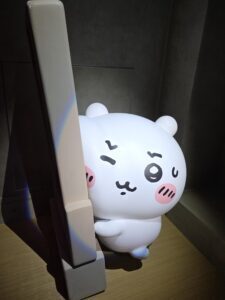
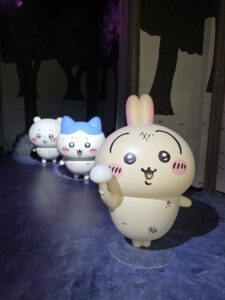
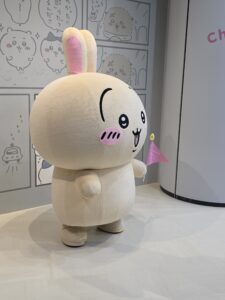
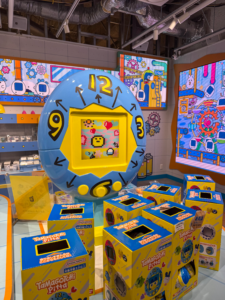
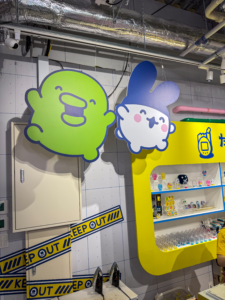
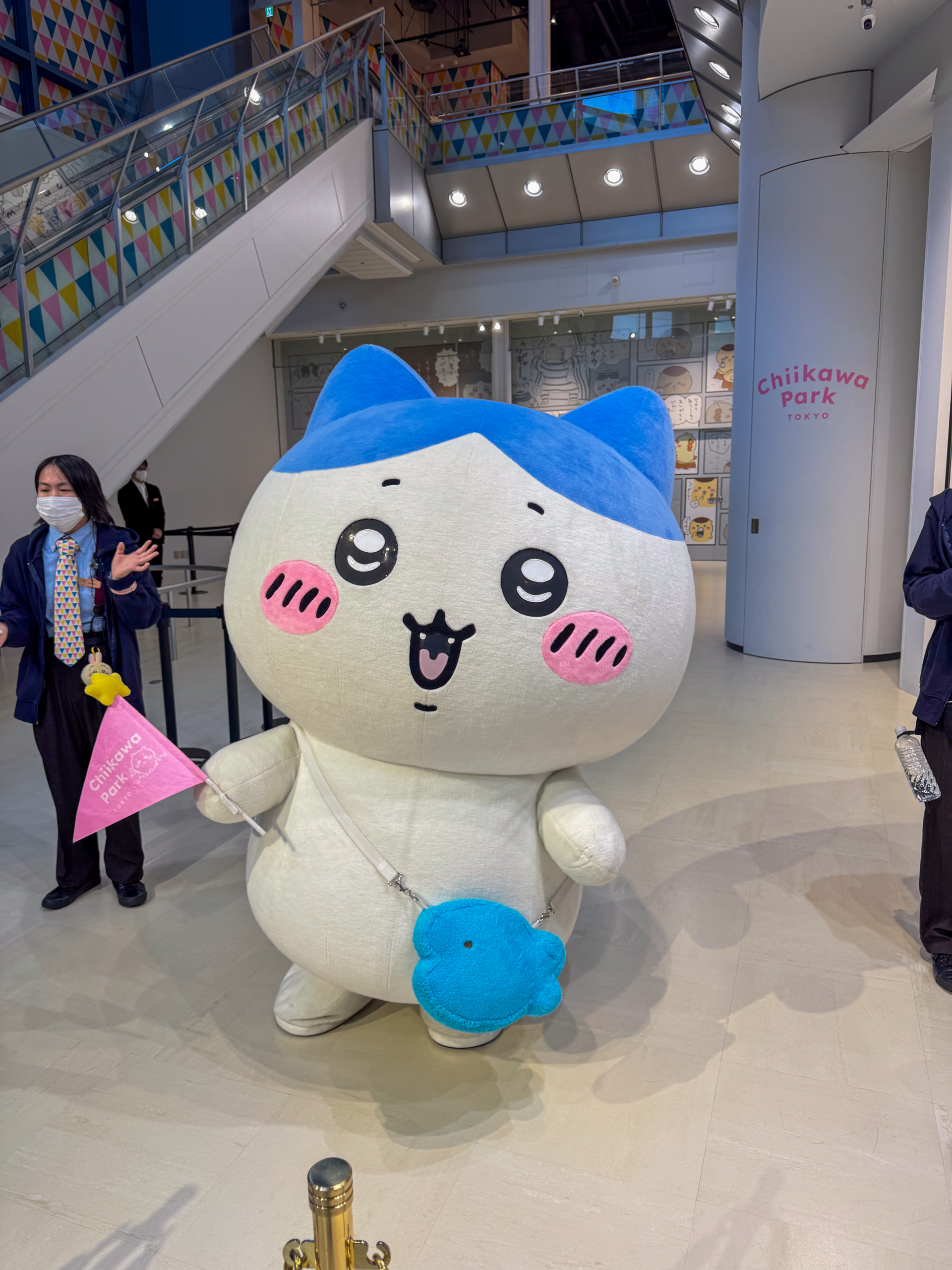
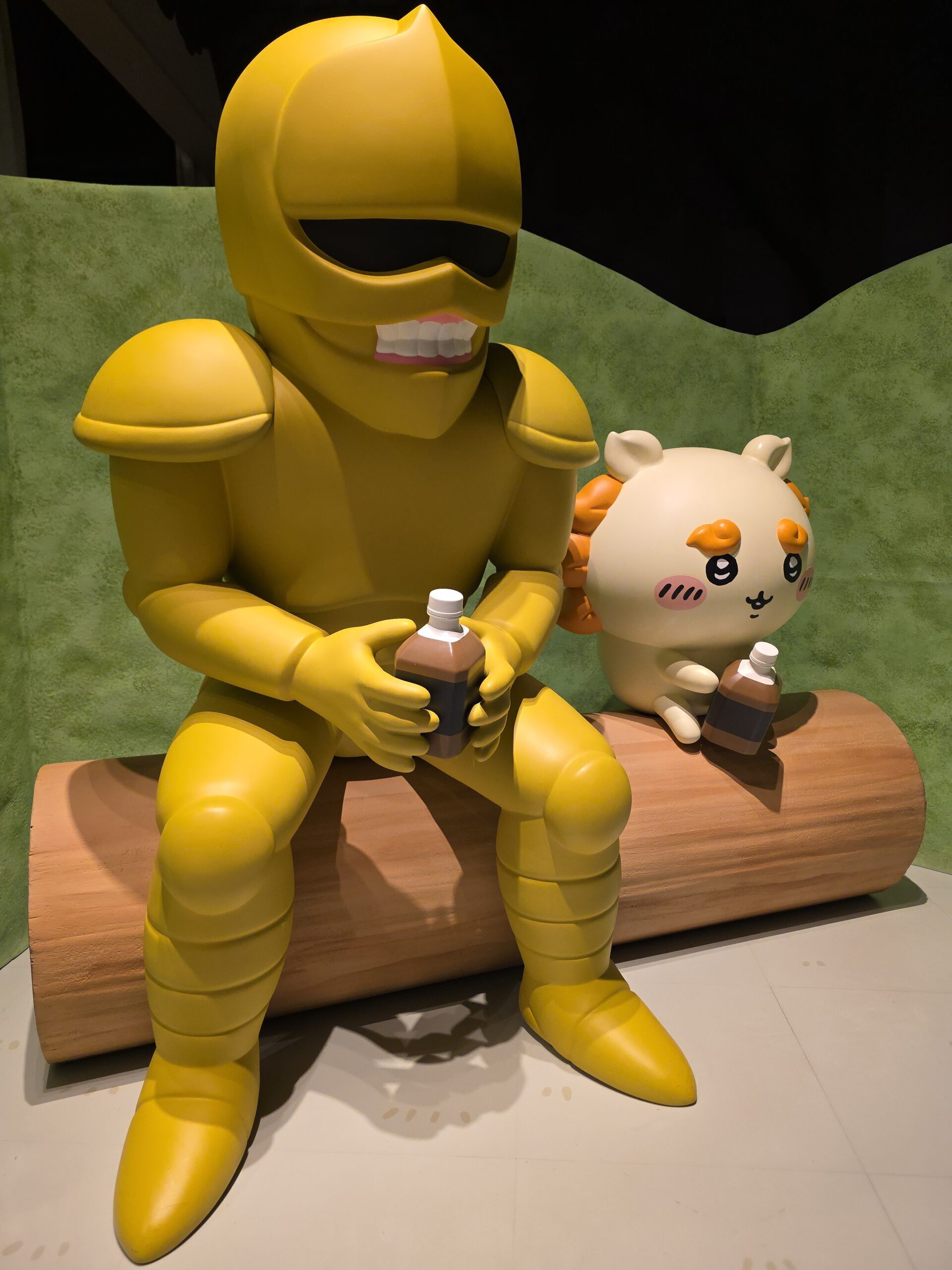
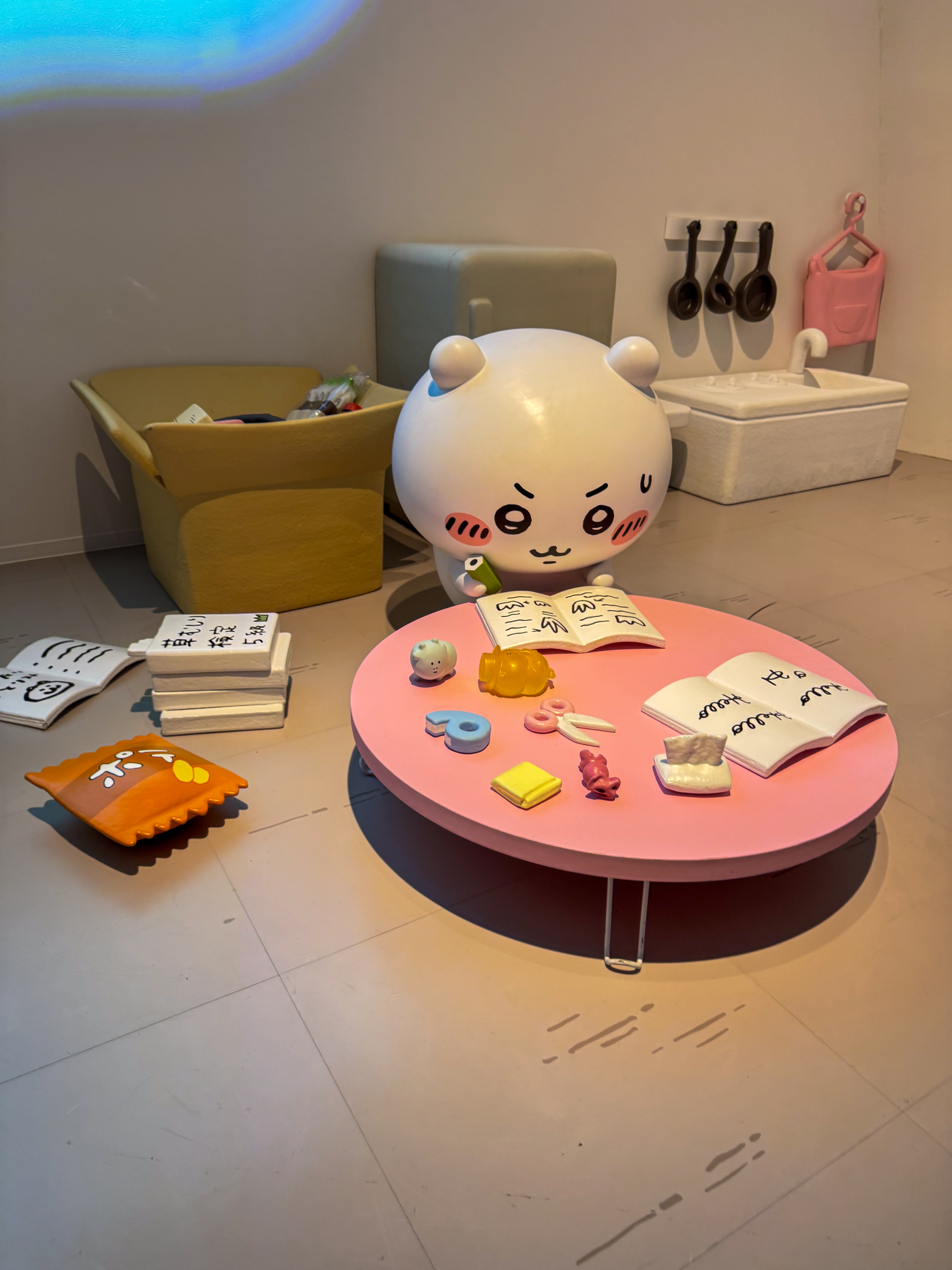
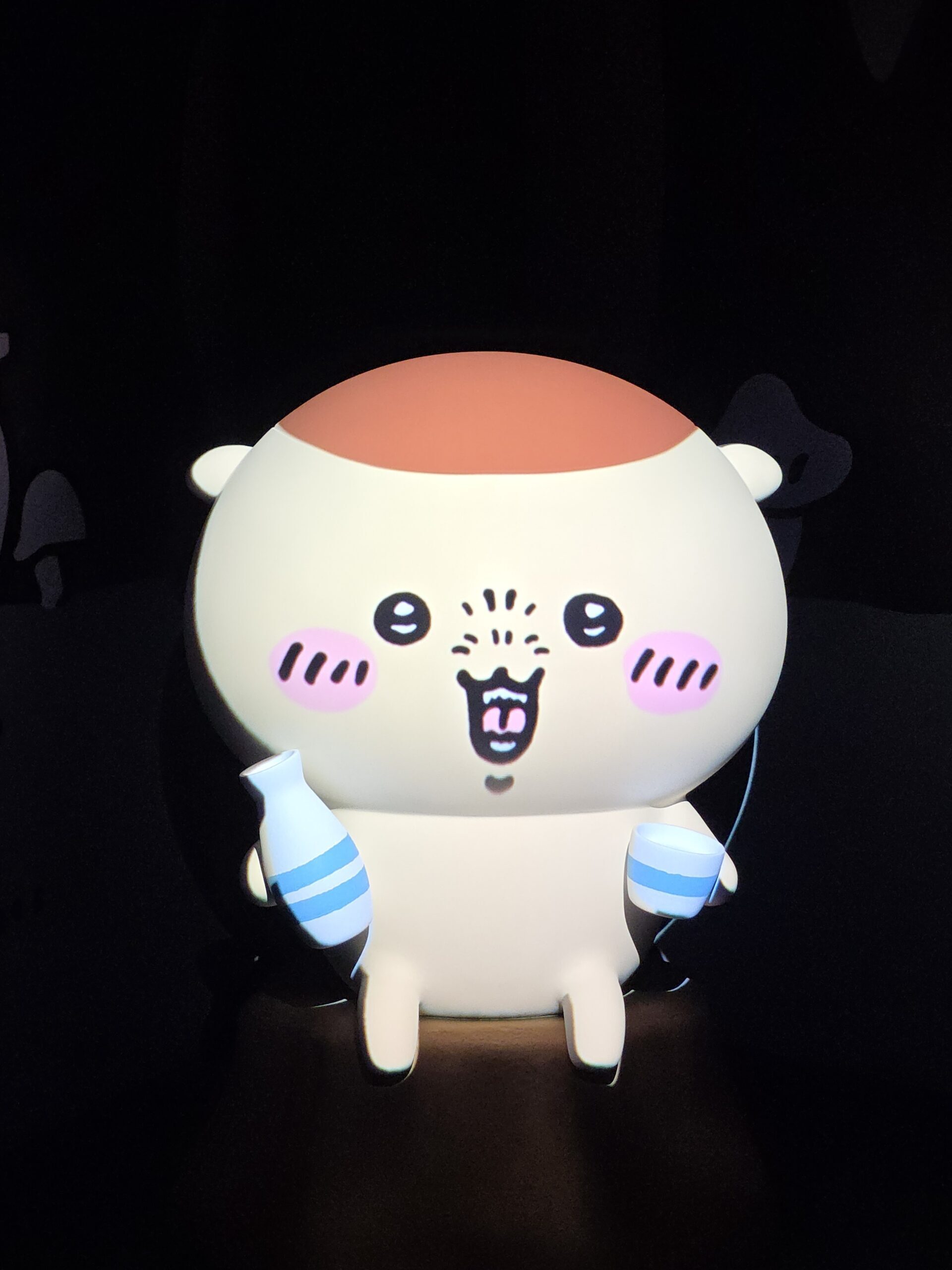
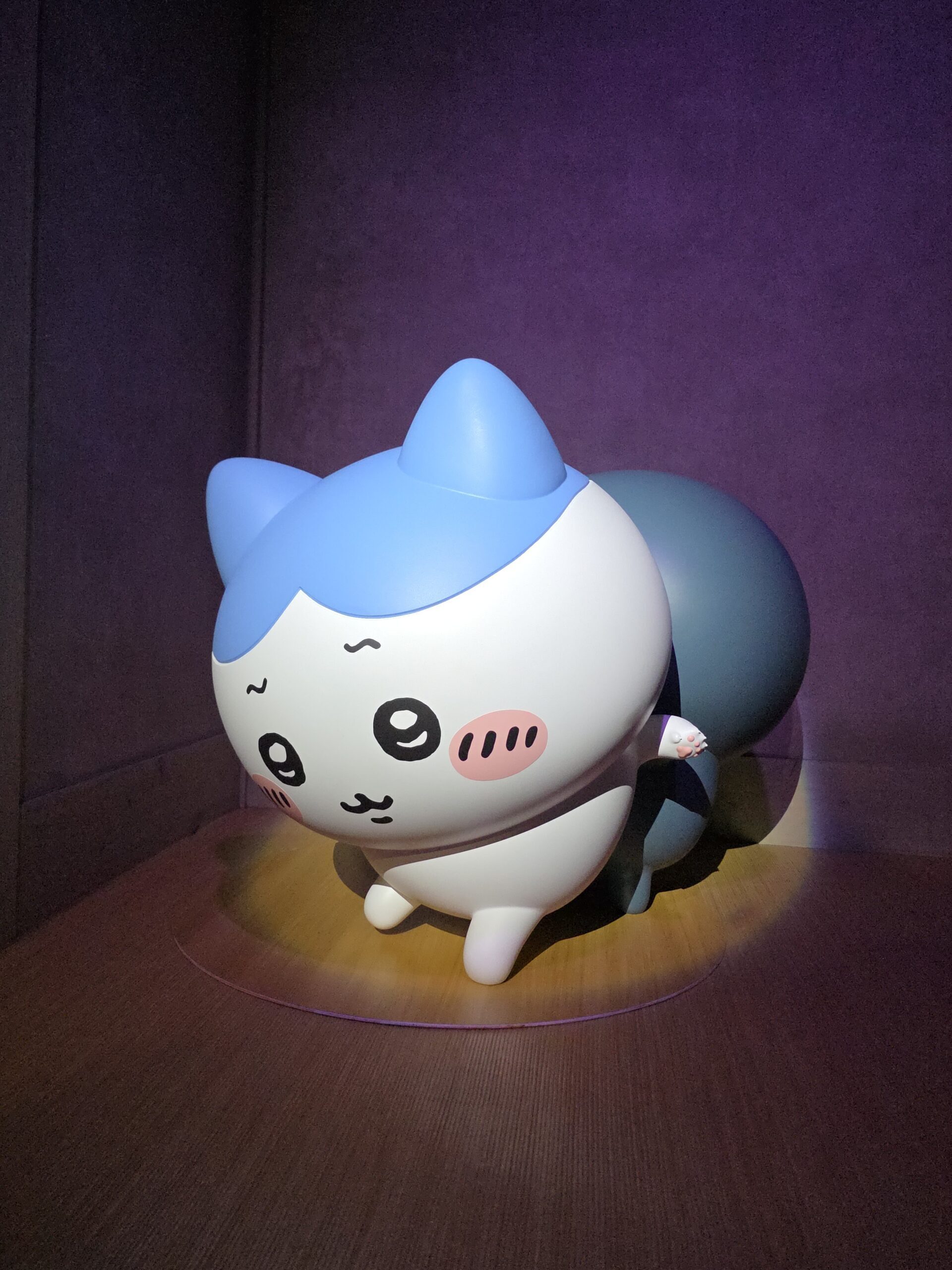
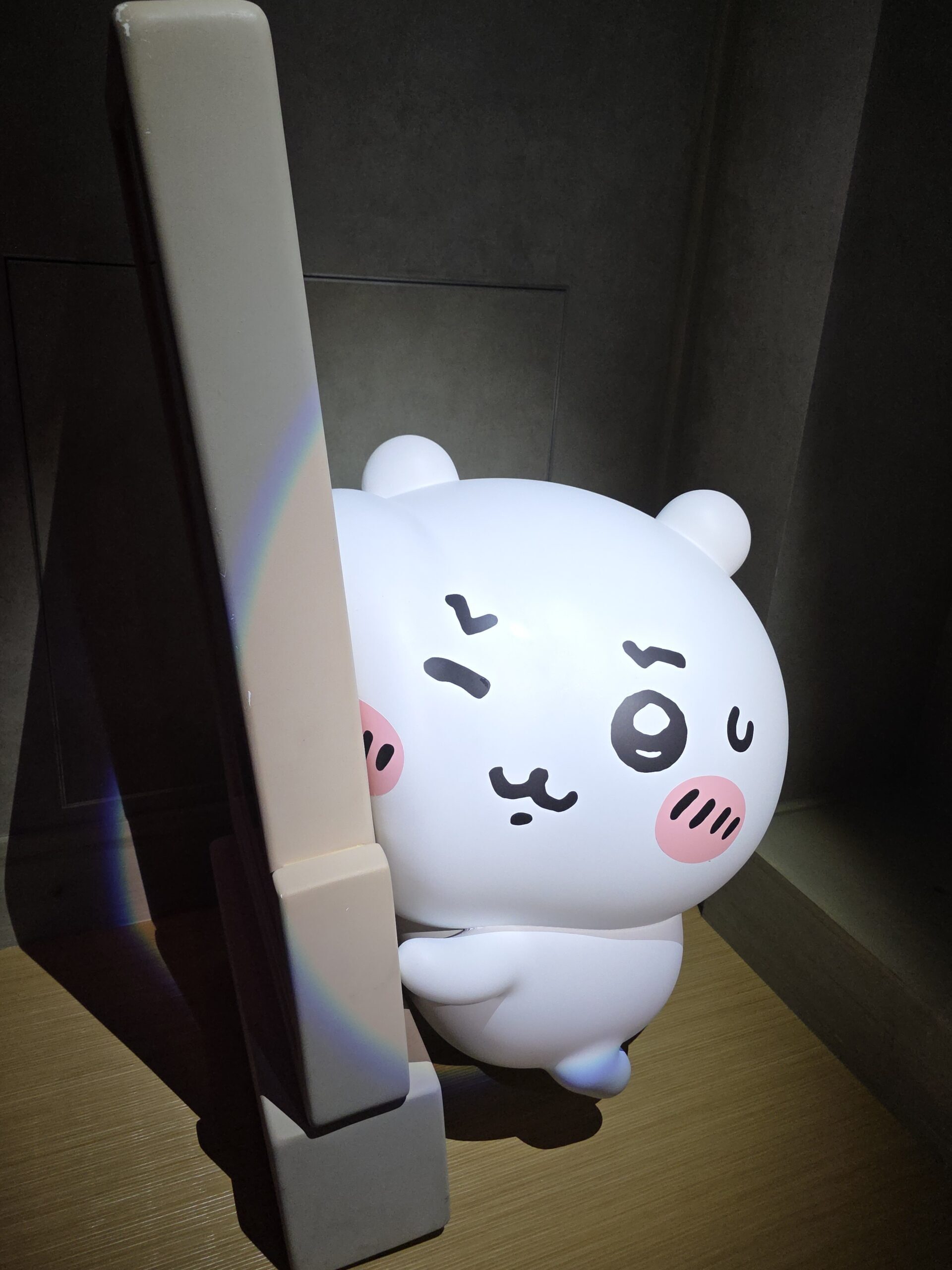
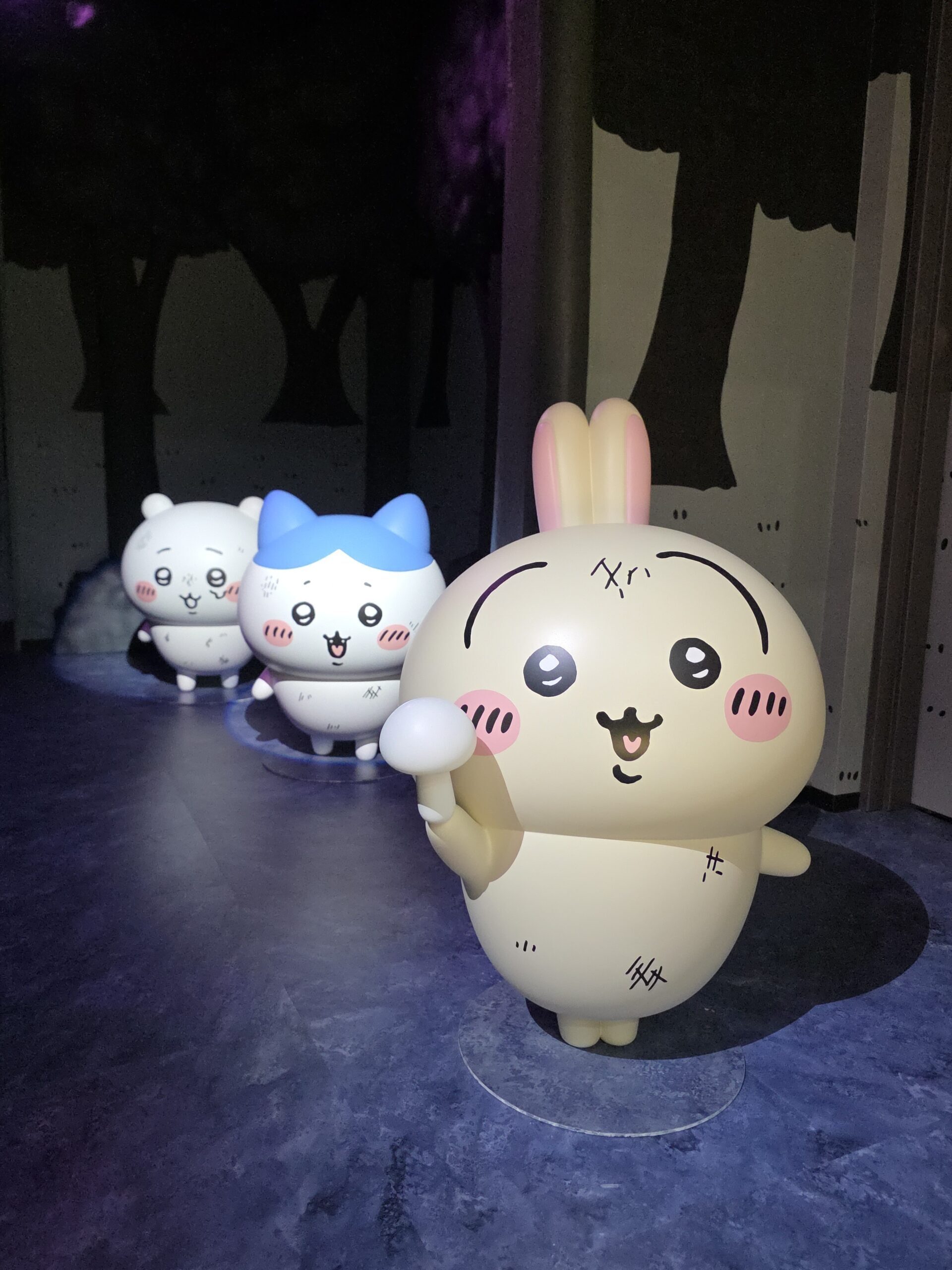
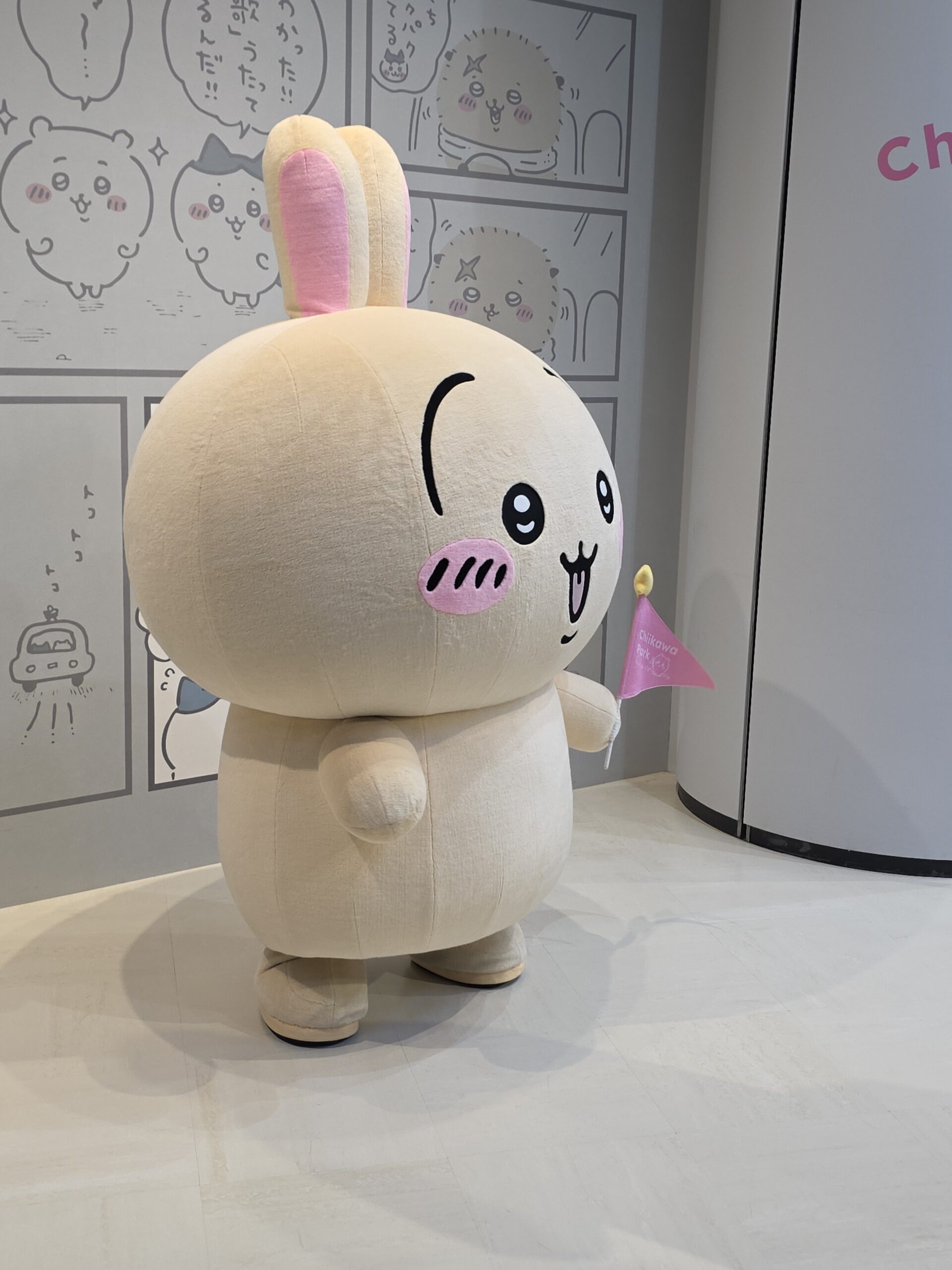
If you’re not familiar with Chiikawa, let me do the honors. Chiikawa — ちいかわ — roughly translates to “small cute thing,” which is quite an apt name. It started as a Twitter manga about tiny round creatures navigating a world that is surprisingly heavy. They fight monsters. They pick weeds. They struggle, but they always overcome. The characters resonated so deeply with people that it became a full-blown anime and one of the biggest character IPs in Japan. While technically marketed toward children, the overwhelming majority of the Chiikawa fanbase is adults. No judgment from me whatsoever. My girlfriend is one of them, and she had booked us into Chiikawa Park at Sunshine City. The park was charming and immersive, and… of course full of adults. We were not the outliers.
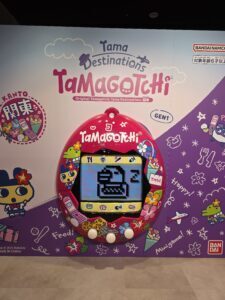
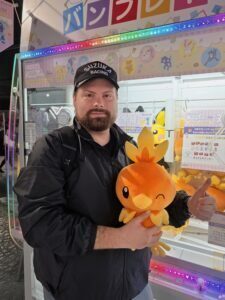
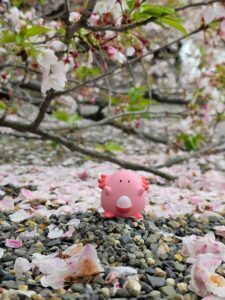
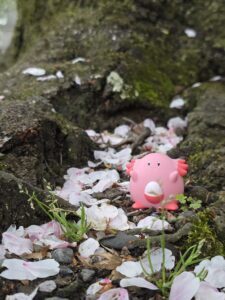
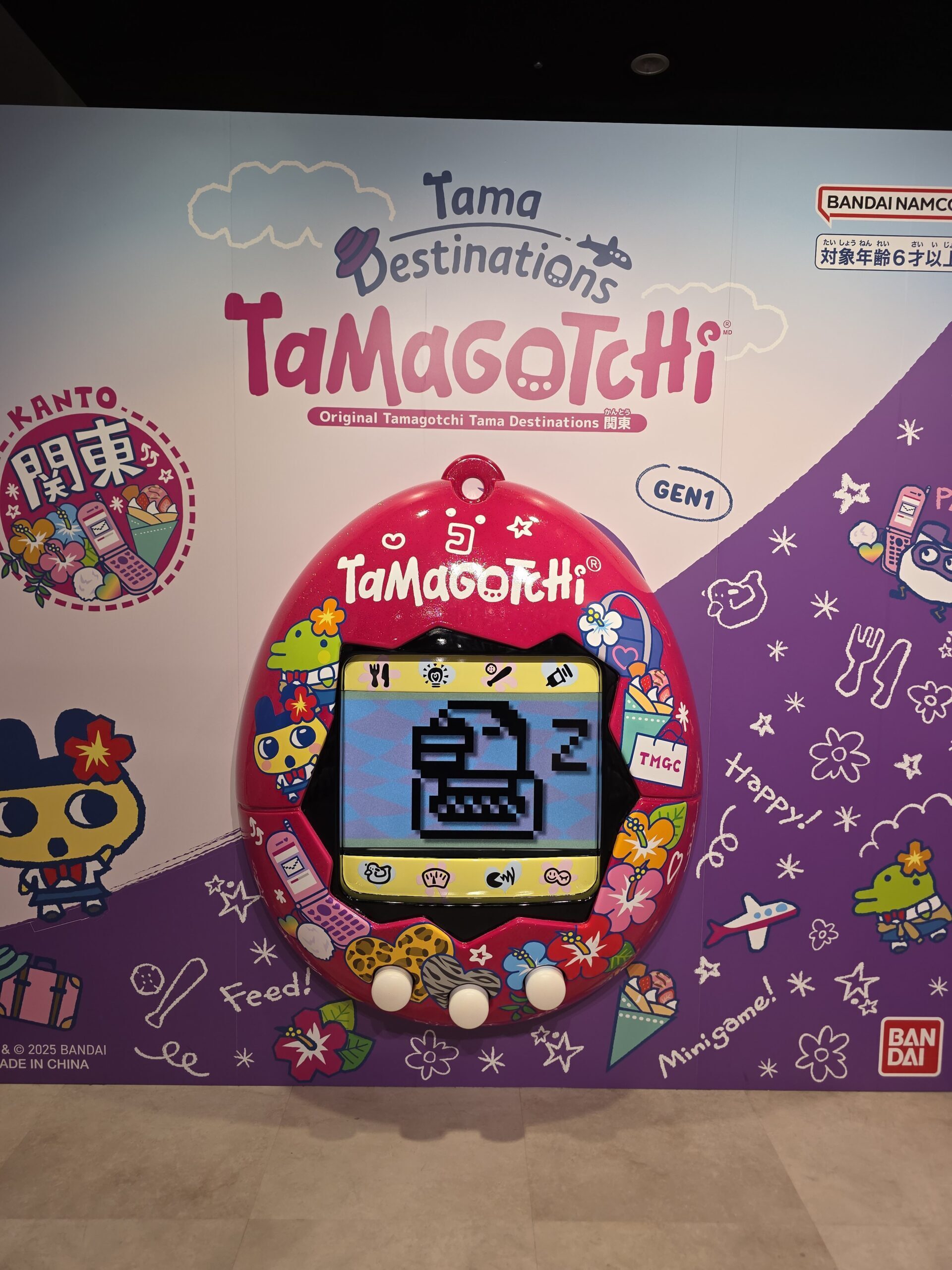
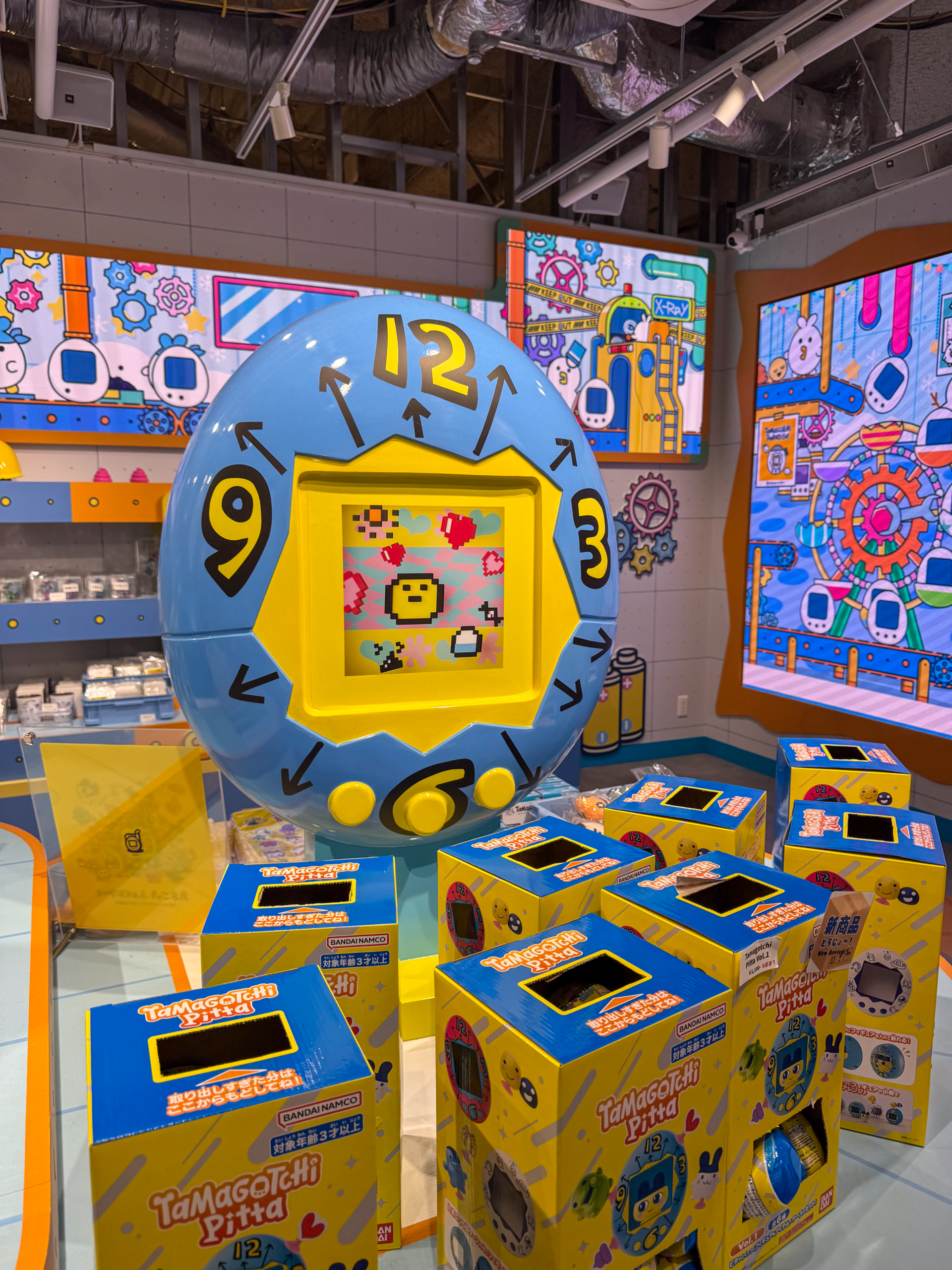
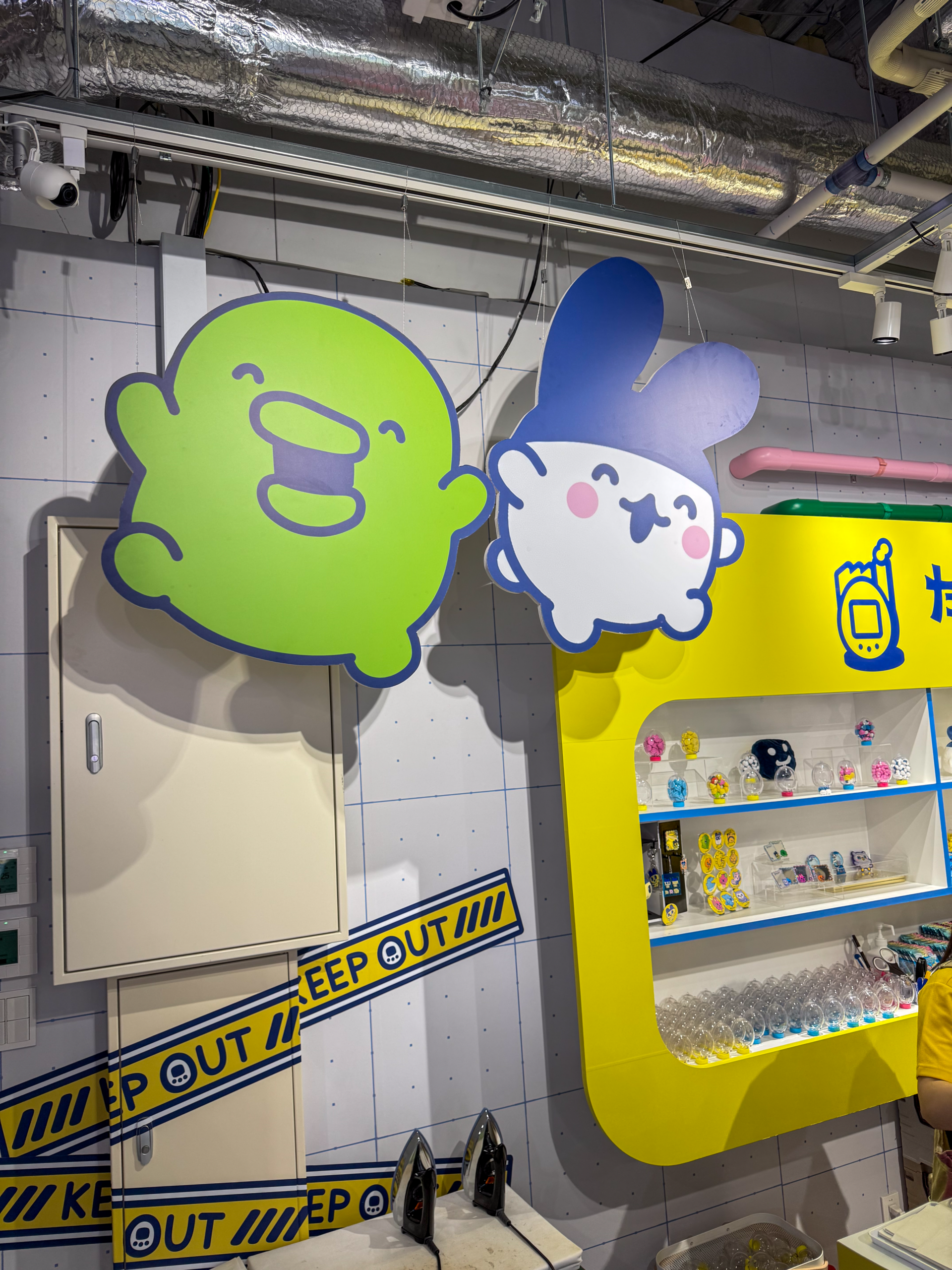
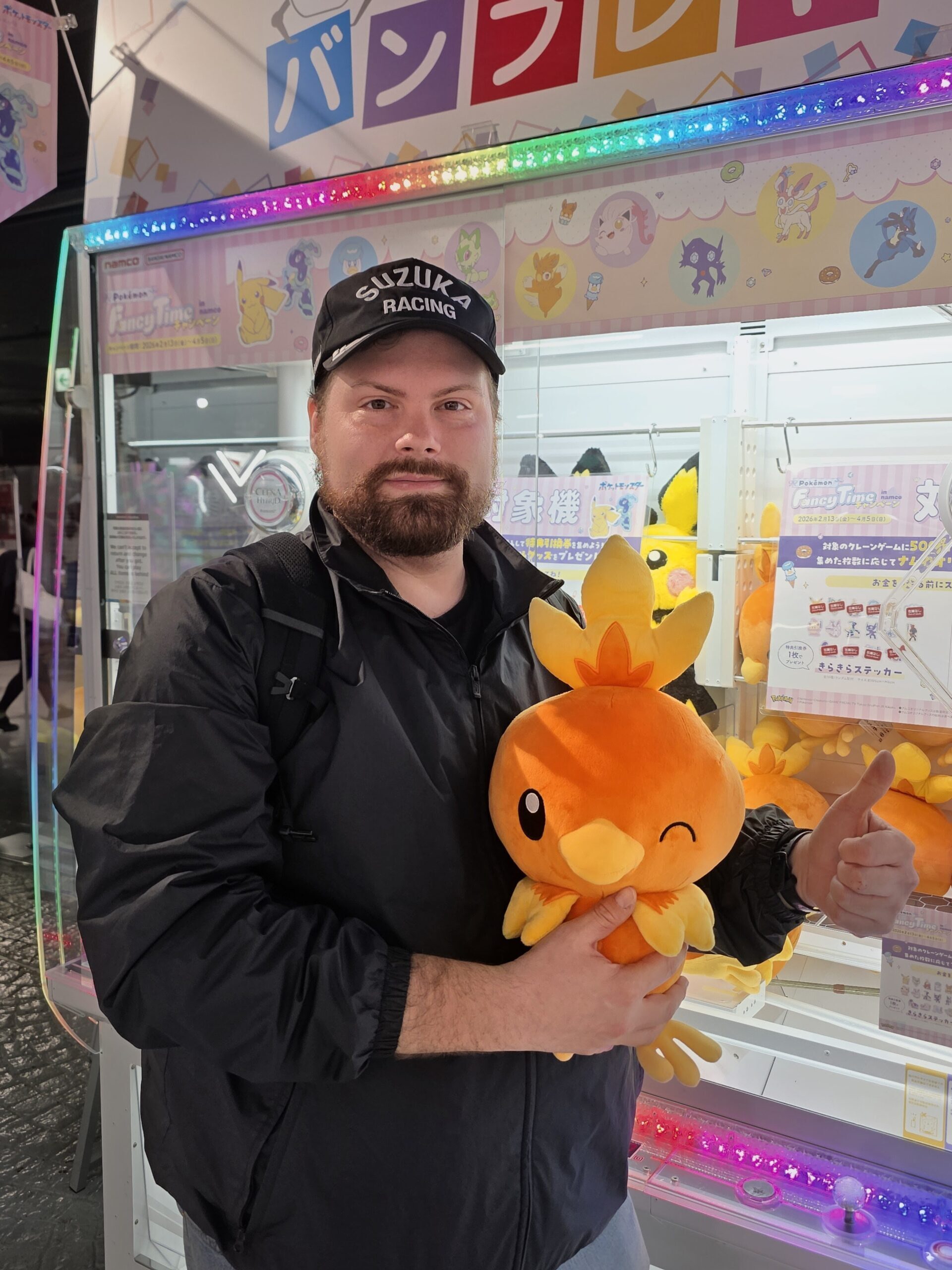
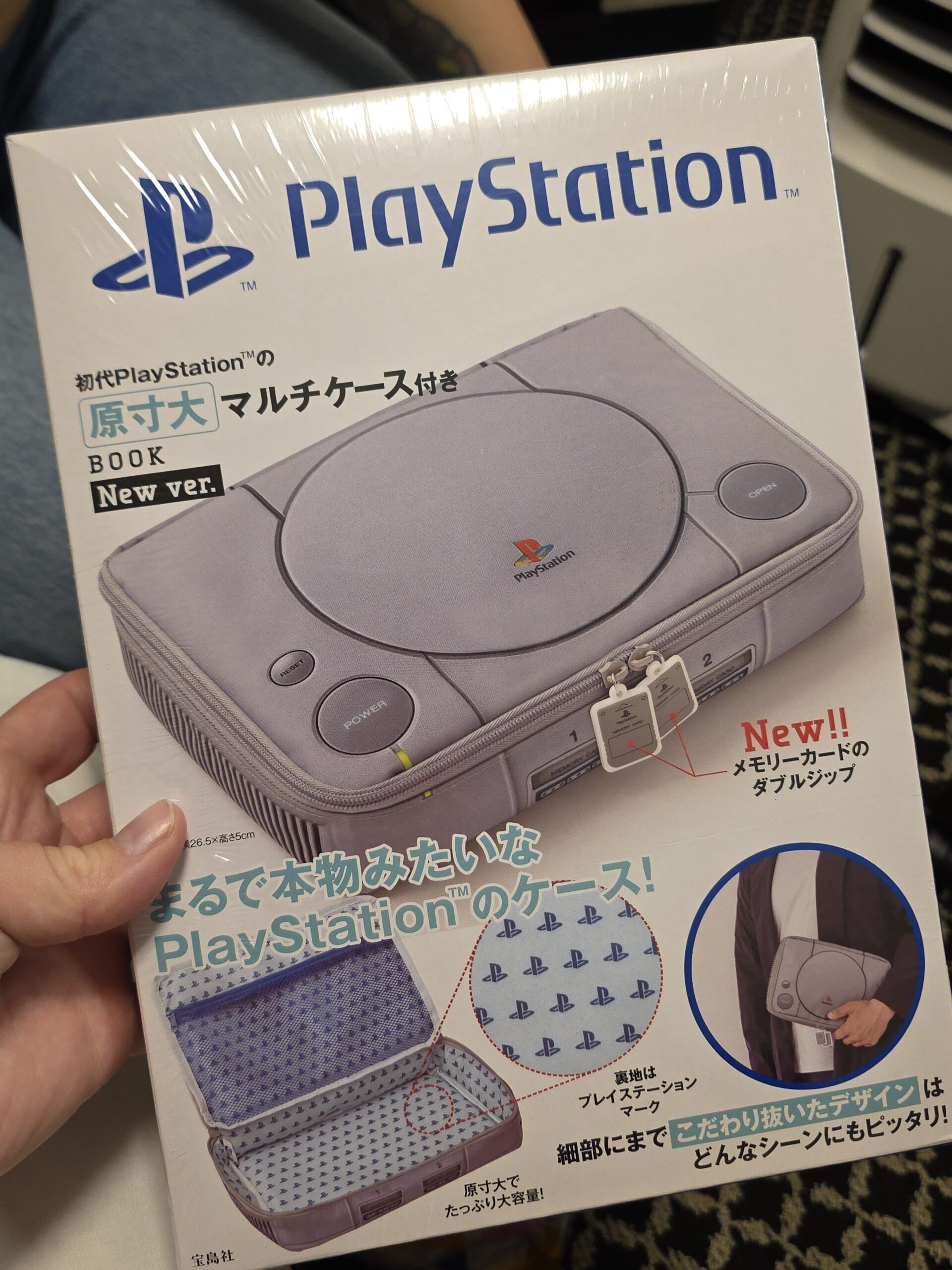
Harajuku was next, which also meant Tamagotchi merchandise. Yet another beloved Japanese IP, strictly required by my girlfriend. I remember owning one as a kid in the late ’90s, and like every kid, I needed my parents to watch it when I went to bed so it wouldn’t die. My knowledge of Tamagotchi ends there. We also found a small arcade where I tried my luck at a claw machine targeting a giant Torchic plush for my Pokémon-loving nephew. After a few failed attempts, a staff member appeared and offered professional intervention that only happens in Japan, essentially making it impossible for me to lose. She adjusted the position of the plush and I walked out with a giant Torchic under my arm. My nephew has no idea how much effort went into this gift.
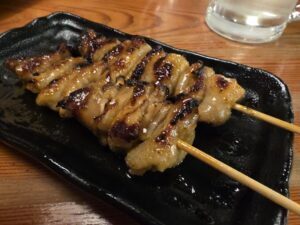
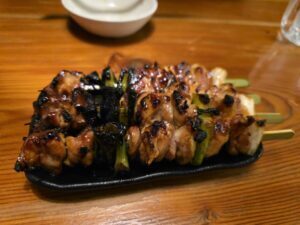
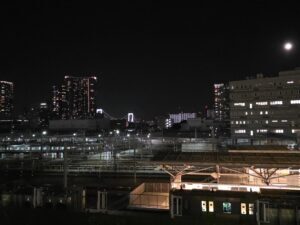
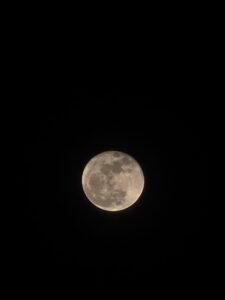
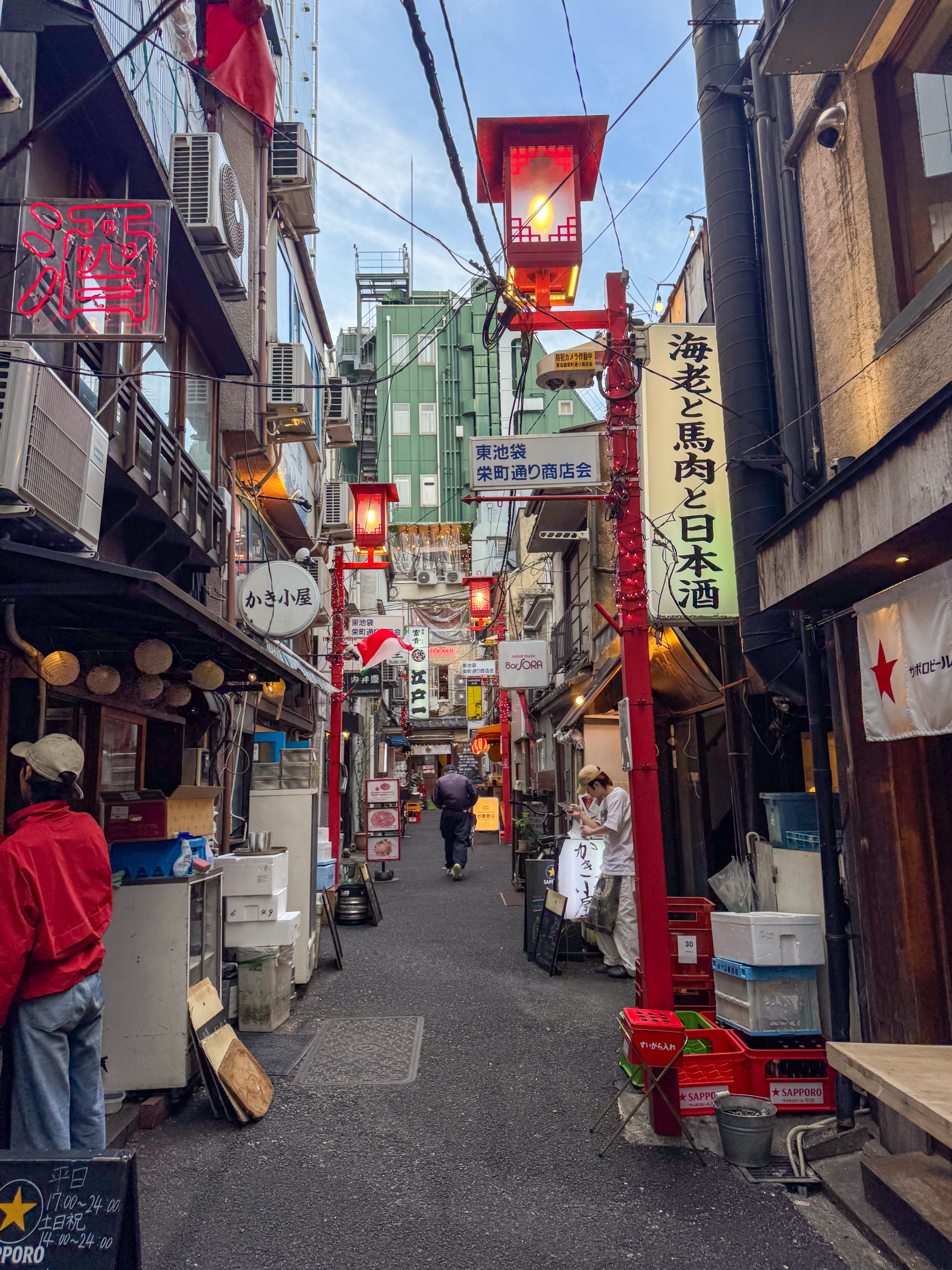
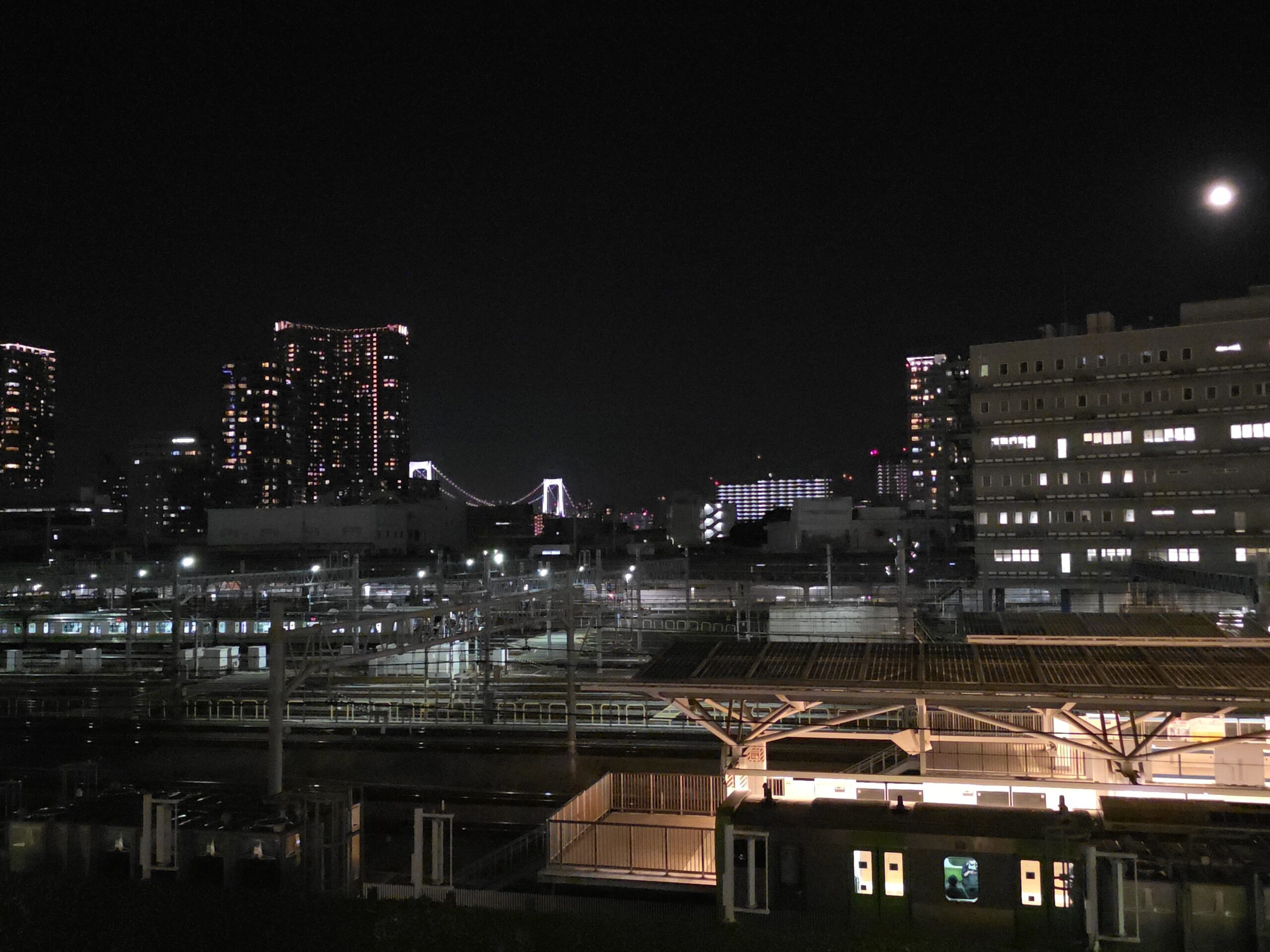
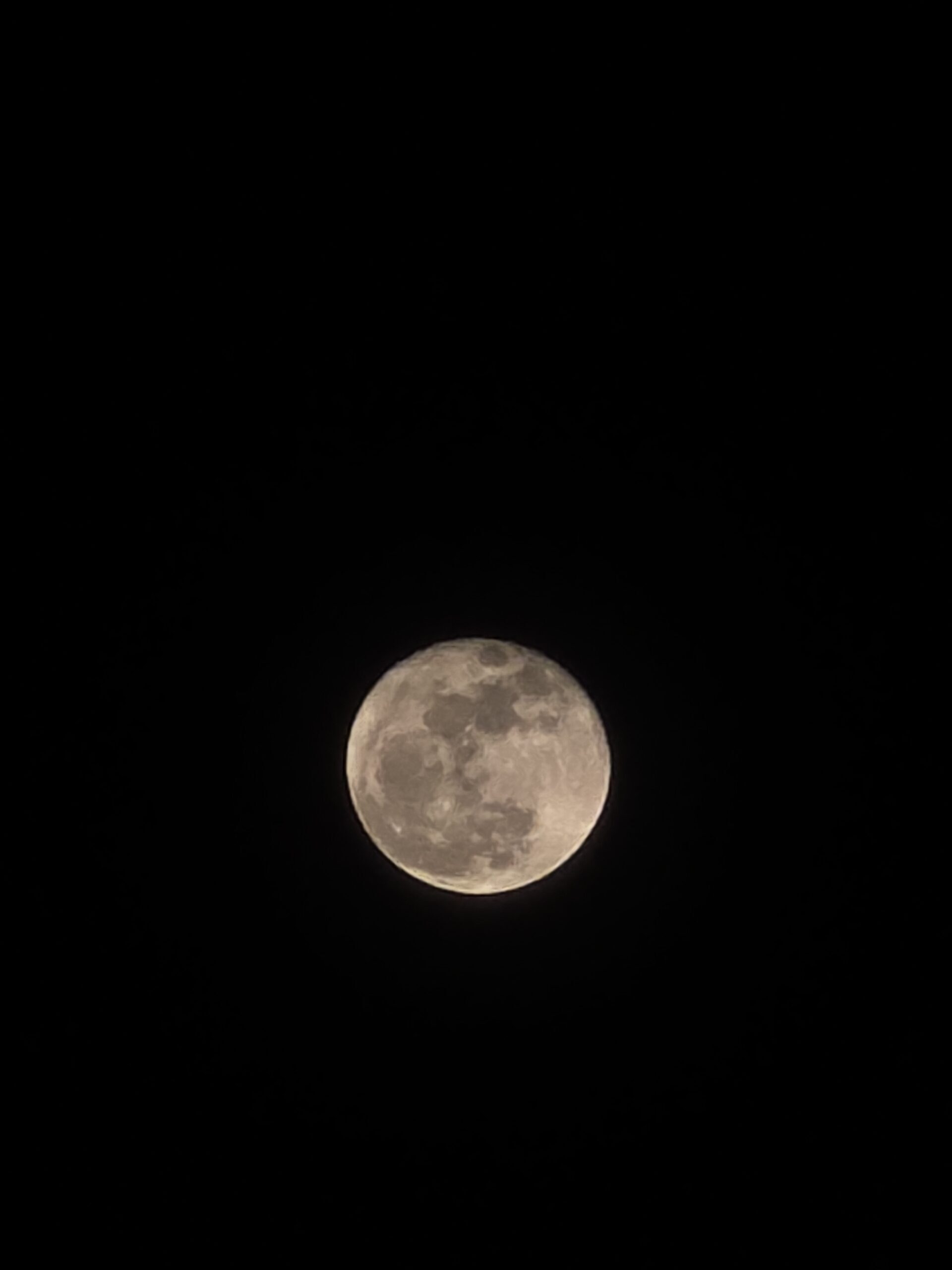
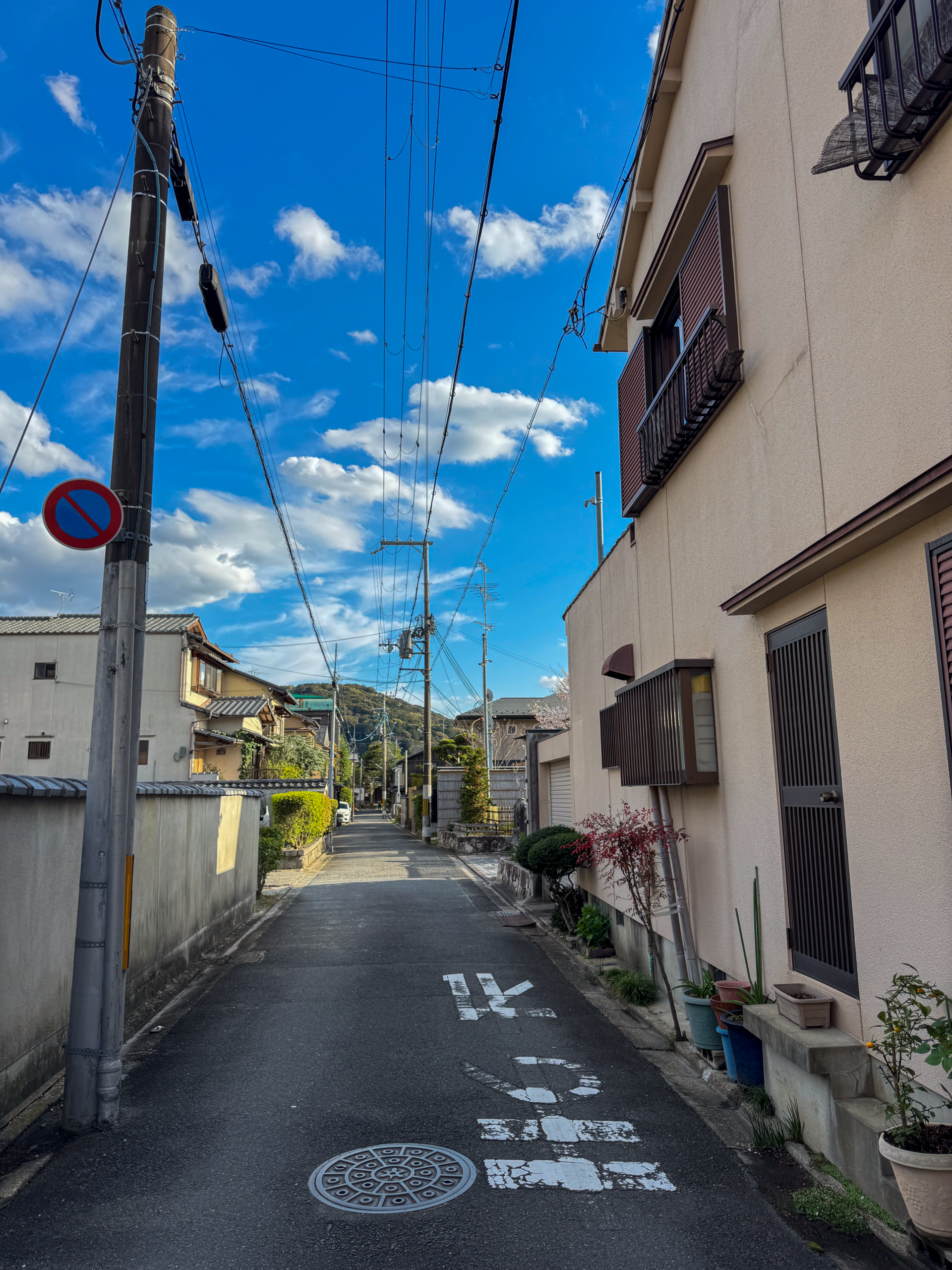
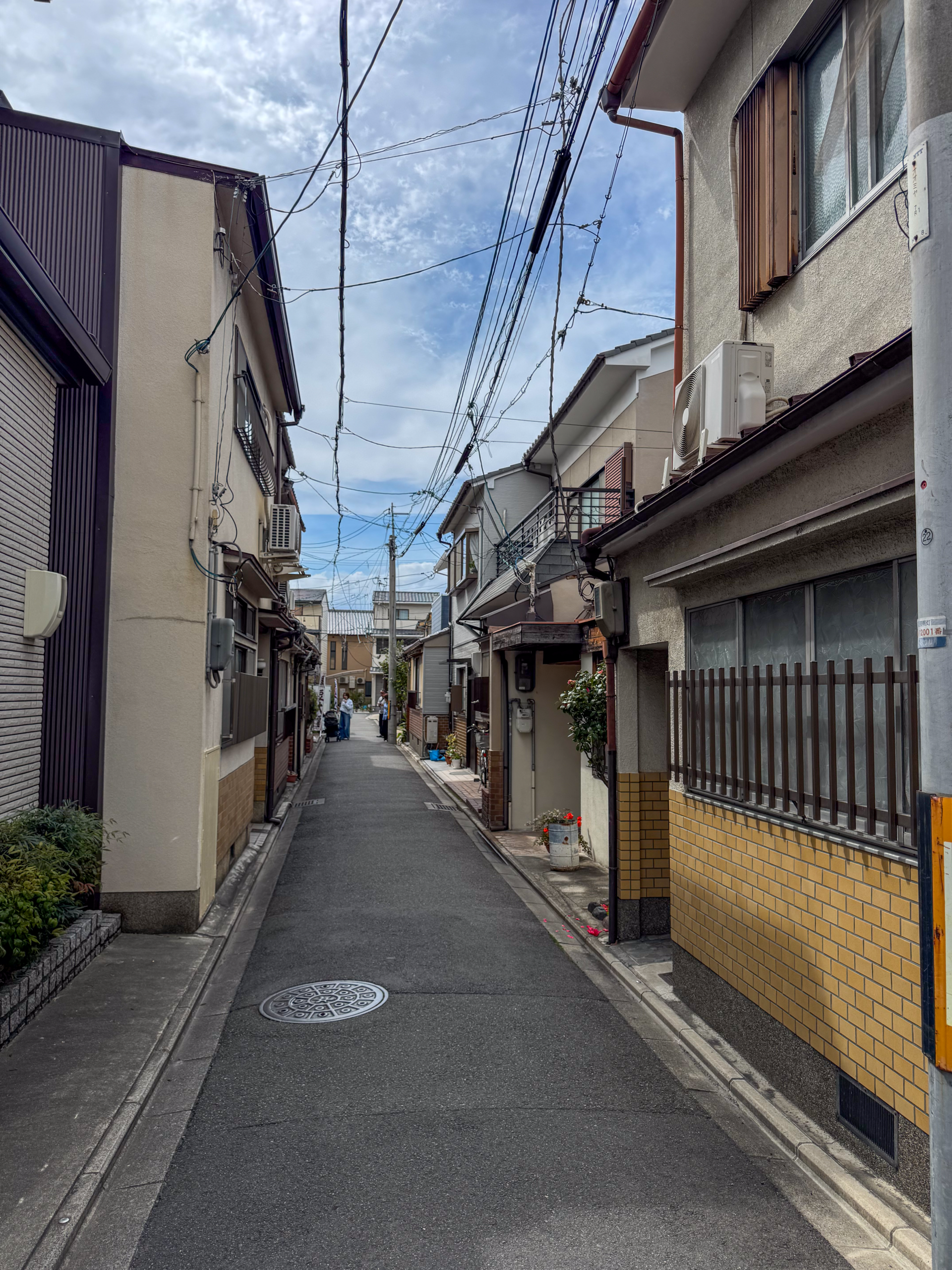
We stayed out late exploring Toshima-ku, a part of Tokyo I hadn’t spent much time in before. A little quieter, and a bit more residential than Shibuya or Shinjuku. We ended up at Torikizoku, our reliable standby for cheap yakitori and cold drinks, and caught a full moon hanging fat and bright over the city skyline on the way back. Good way to say bye to Tokyo.
Osaka Has Entered the Chat
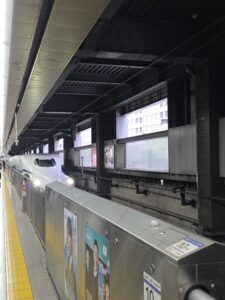
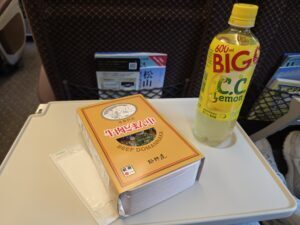
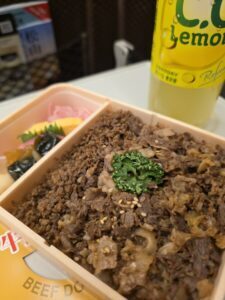
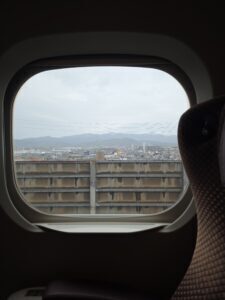
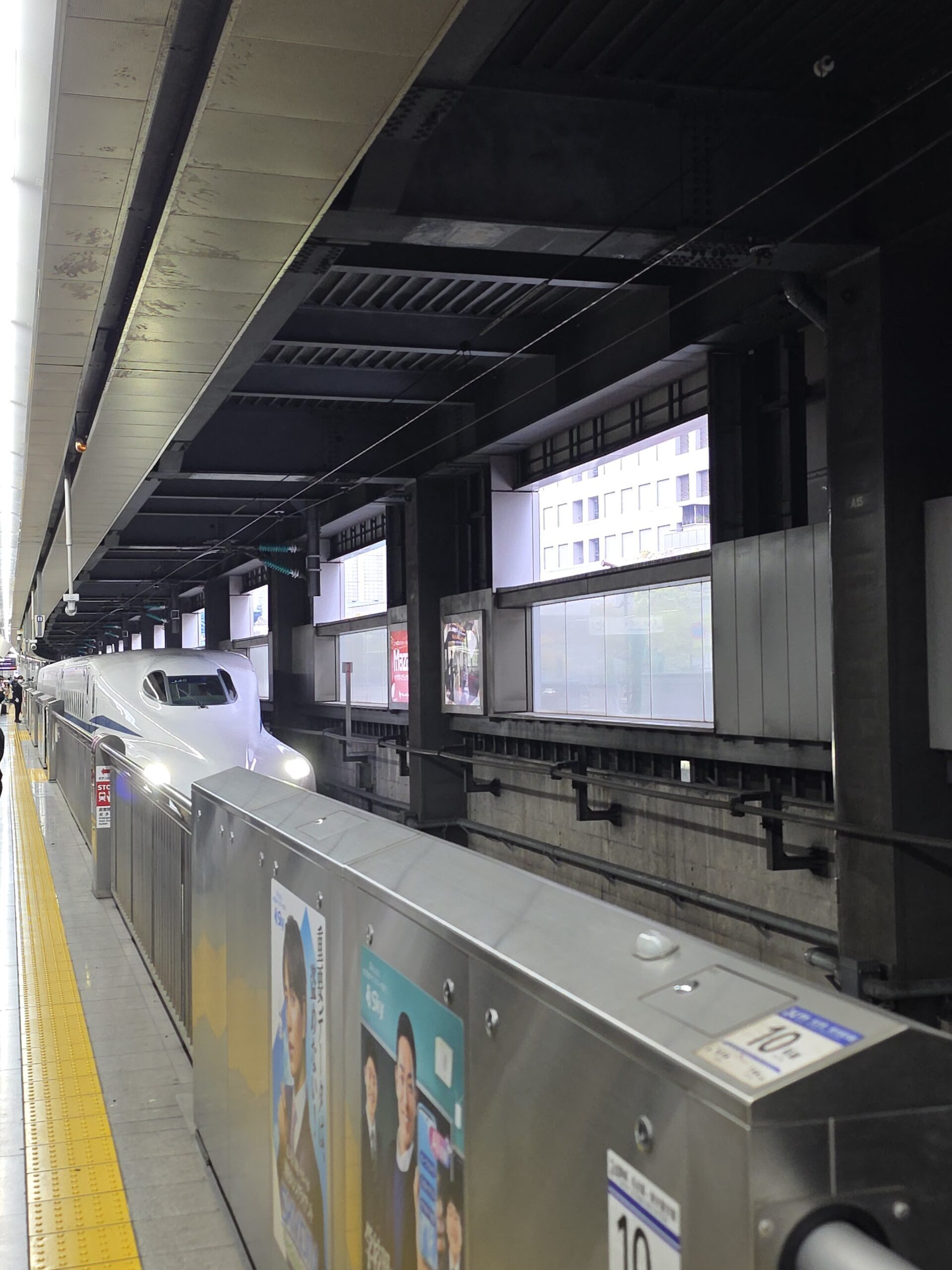
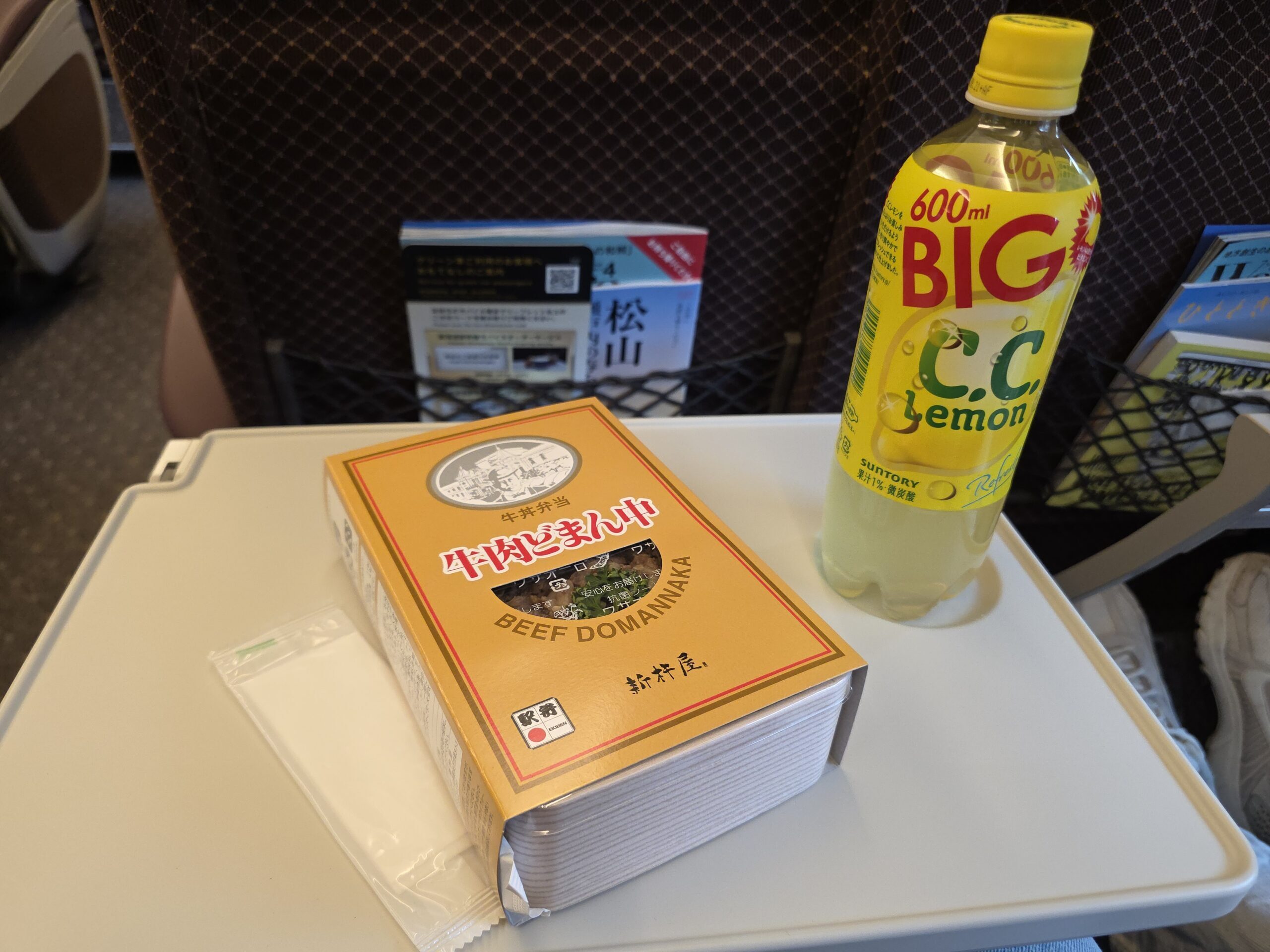
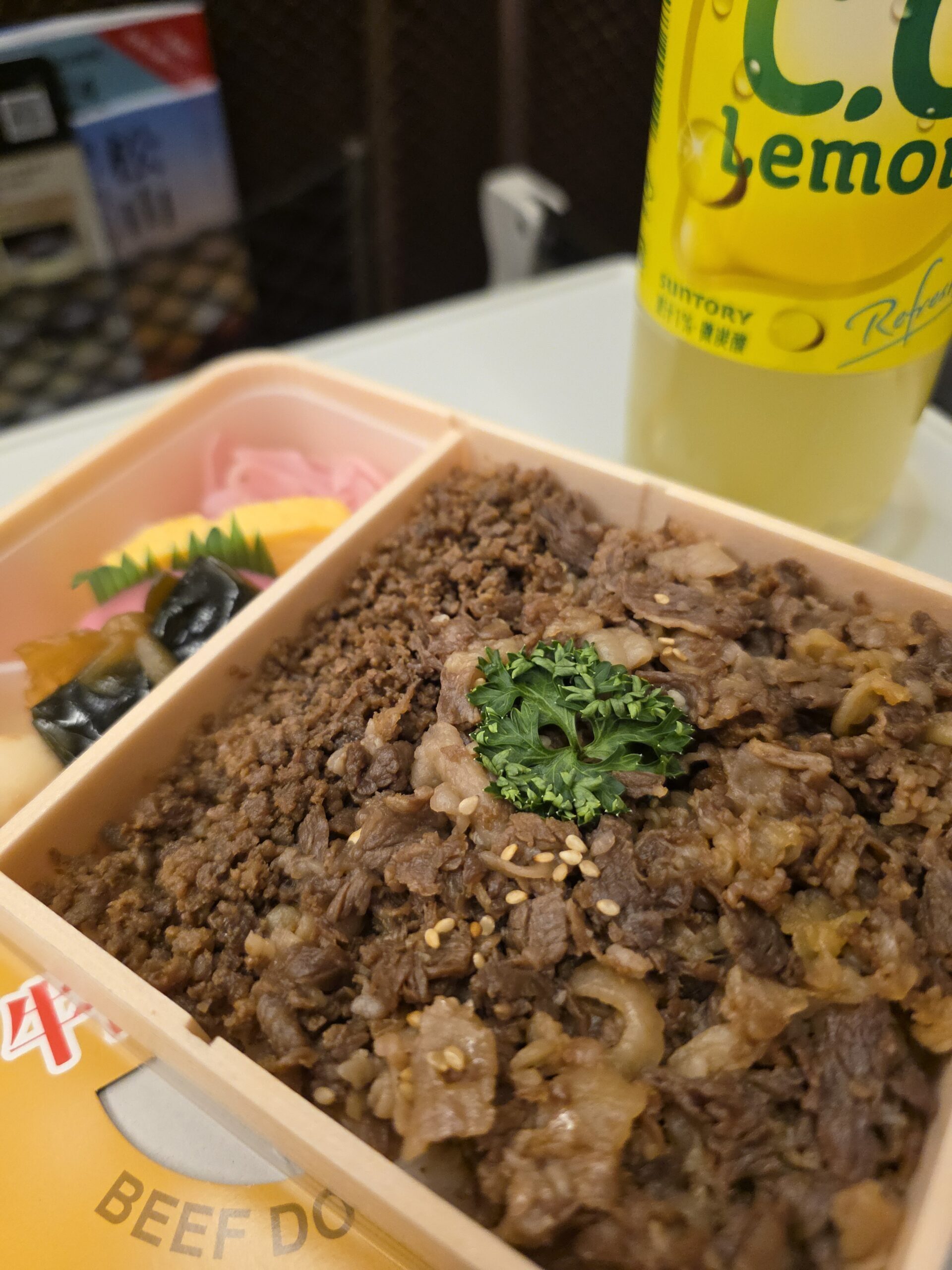
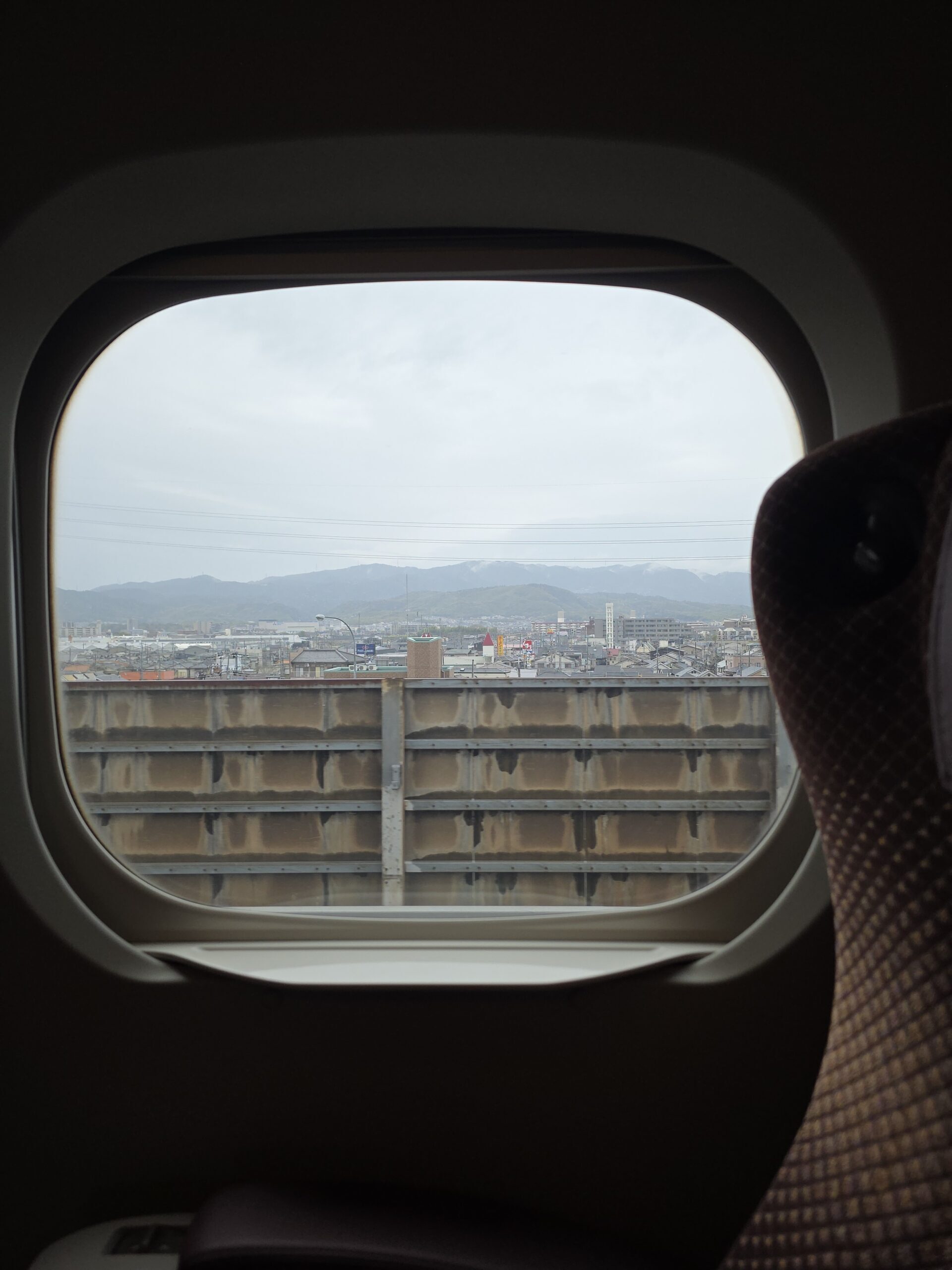
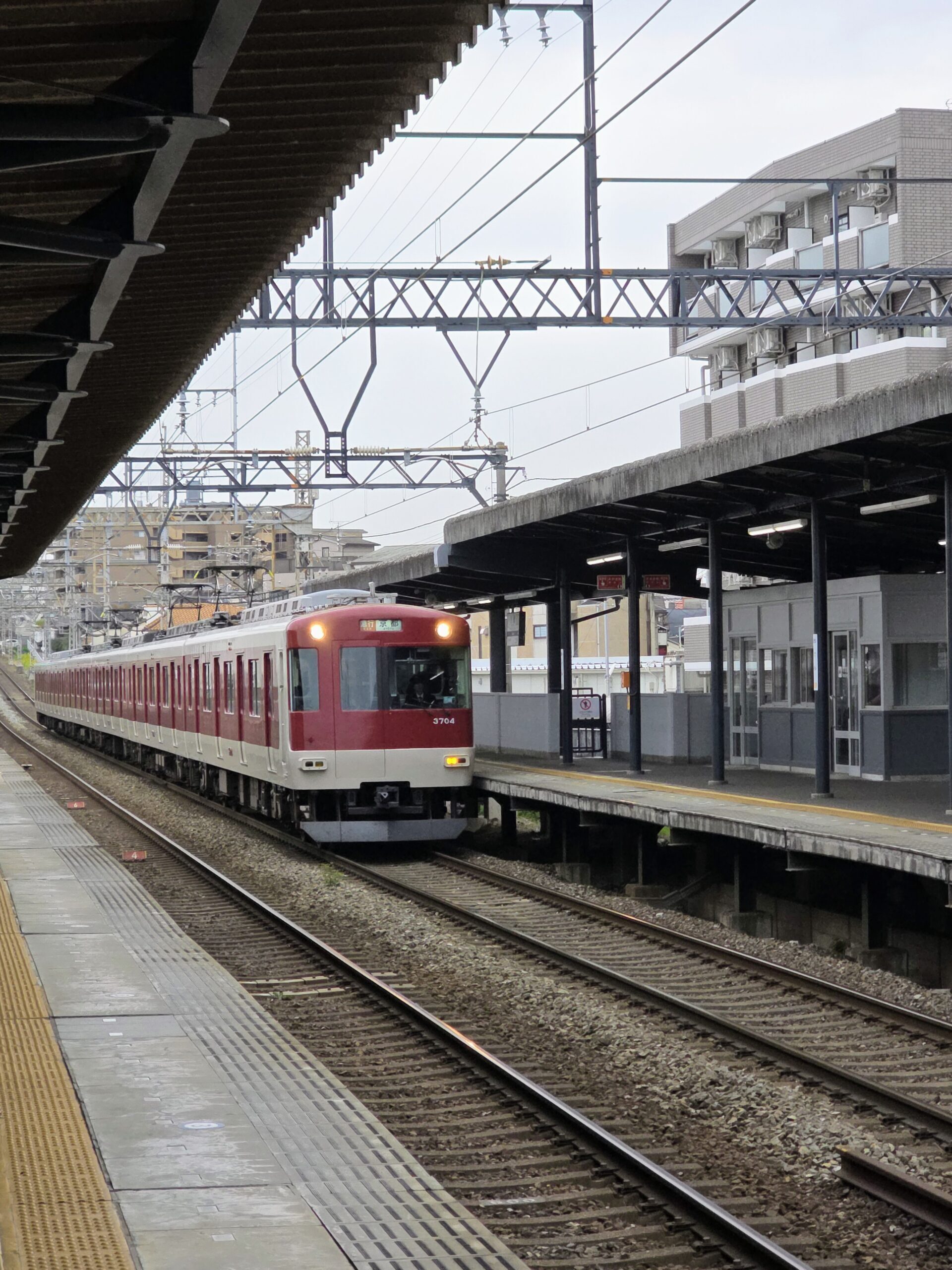
The next day it was time to board the Shinkansen and head to Osaka. I’m a pro at this now, and I had an opportunity to pass on what I know. I introduced my girlfriend to the concept of the ekiben (駅弁), the bento boxes sold at train stations, designed to be eaten onboard. Although eating and drinking is frowned upon on regular trains in Japan, it is openly encouraged on long Shinkansen rides. Each region has its own signature box made with local ingredients, and there is an entire subculture devoted to the ekiben. I skipped the self-heating beef tongue option I had eyed on my last trip (next time), and went with the classic: Gyūniku Domannaka. It’s a legendary Yamagata ekiben containing layers of seasoned beef over rice. The name means “dead center,” named after the rice variety it’s built on. It’s been one of Japan’s most beloved ekiben for decades, and for good reason. Surprisingly good even at room temperature, which is the point. Ekiben are engineered for the journey, not the microwave.
We arrived in Osaka and checked into our hotel in Namba, a significant upgrade from my last trip when I was tucked into an APA Hotel shoebox all the way north in Shin-Osaka. I had spotted a deal days earlier for a hotel that normally runs over my budget, jumped on it, and locked in a premium room for only about $125 more in total than my original booking. Better location, better room, better everything.
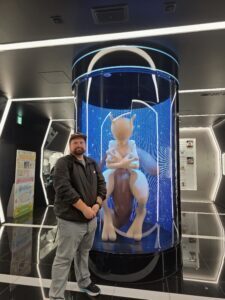
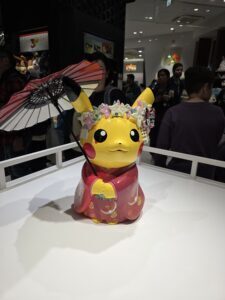
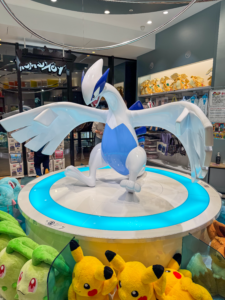
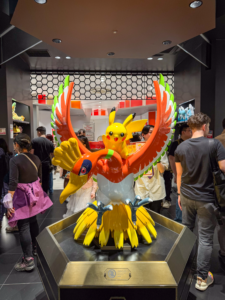
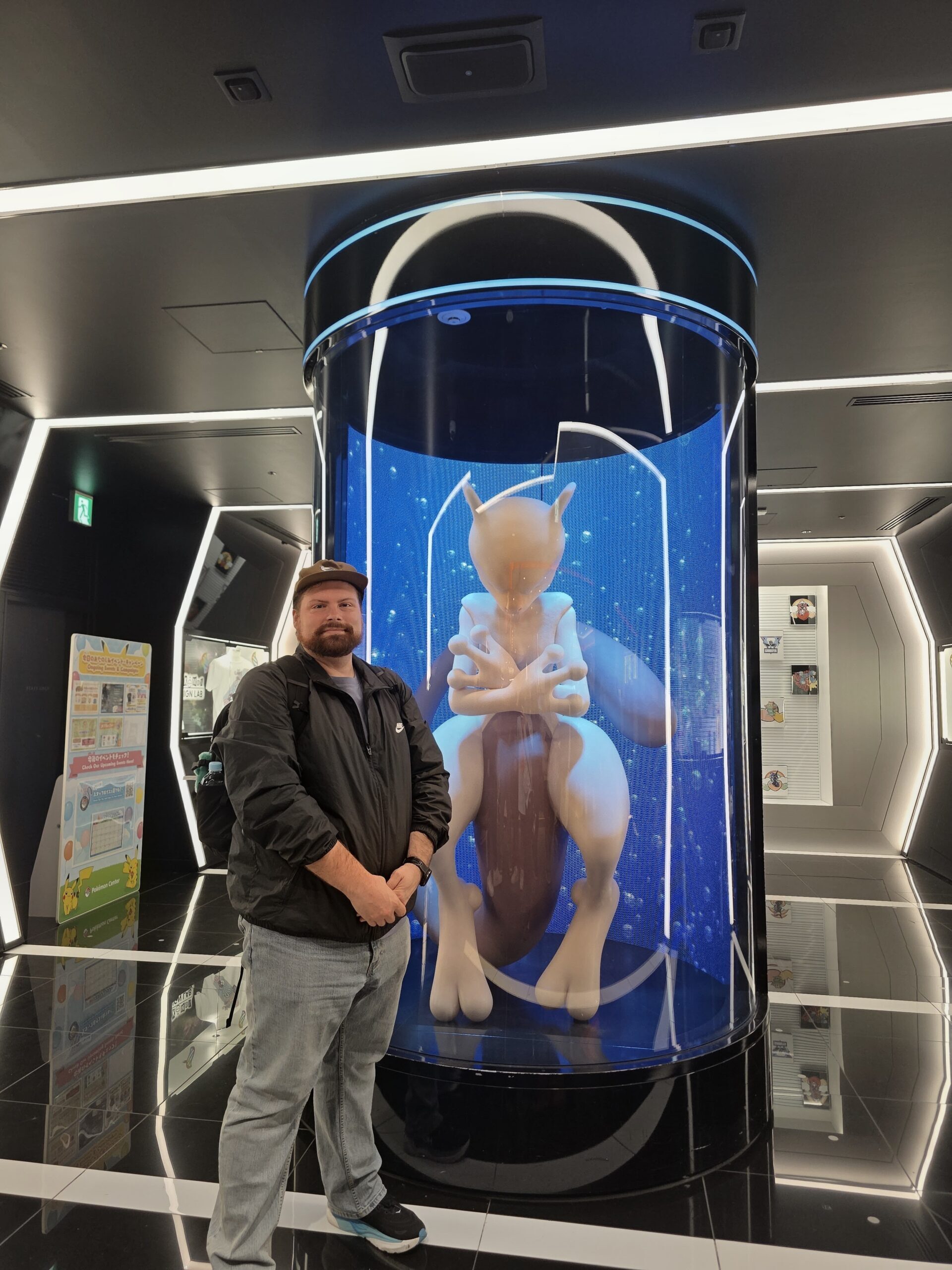
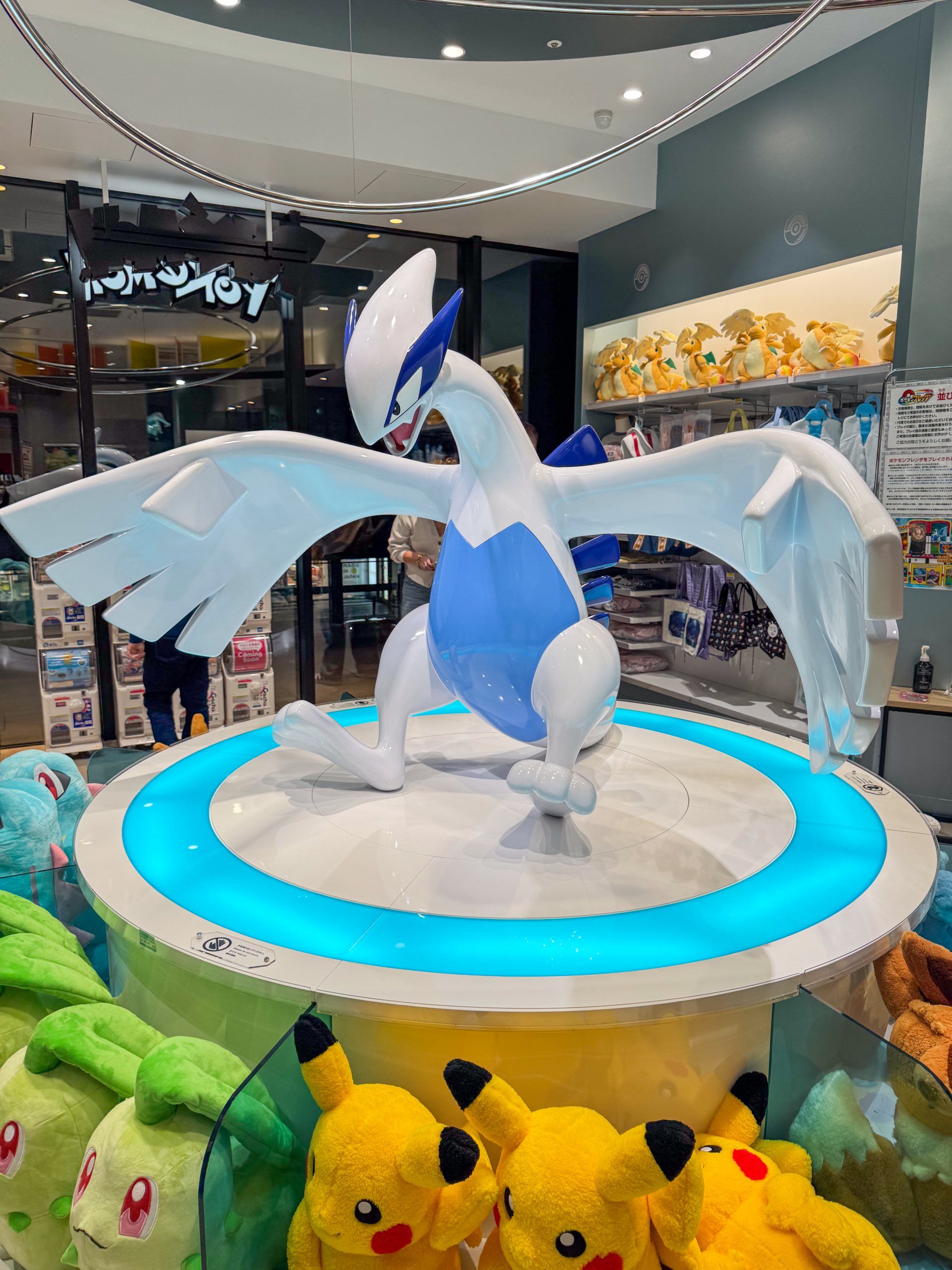
We had planned to hit the Pokémon Center in the Daimaru building, but discovered it was closed for renovations. The Tokyo location was also off the table for different reasons entirely — a tragic loss of life involving a staff member had led to its temporary closure, and given the circumstances, visiting would’ve felt wrong regardless. My nephew’s Pokémon haul would have to wait.
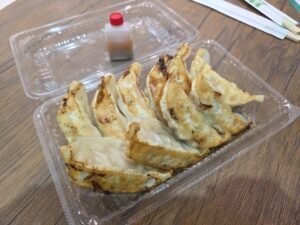
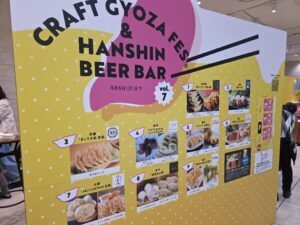
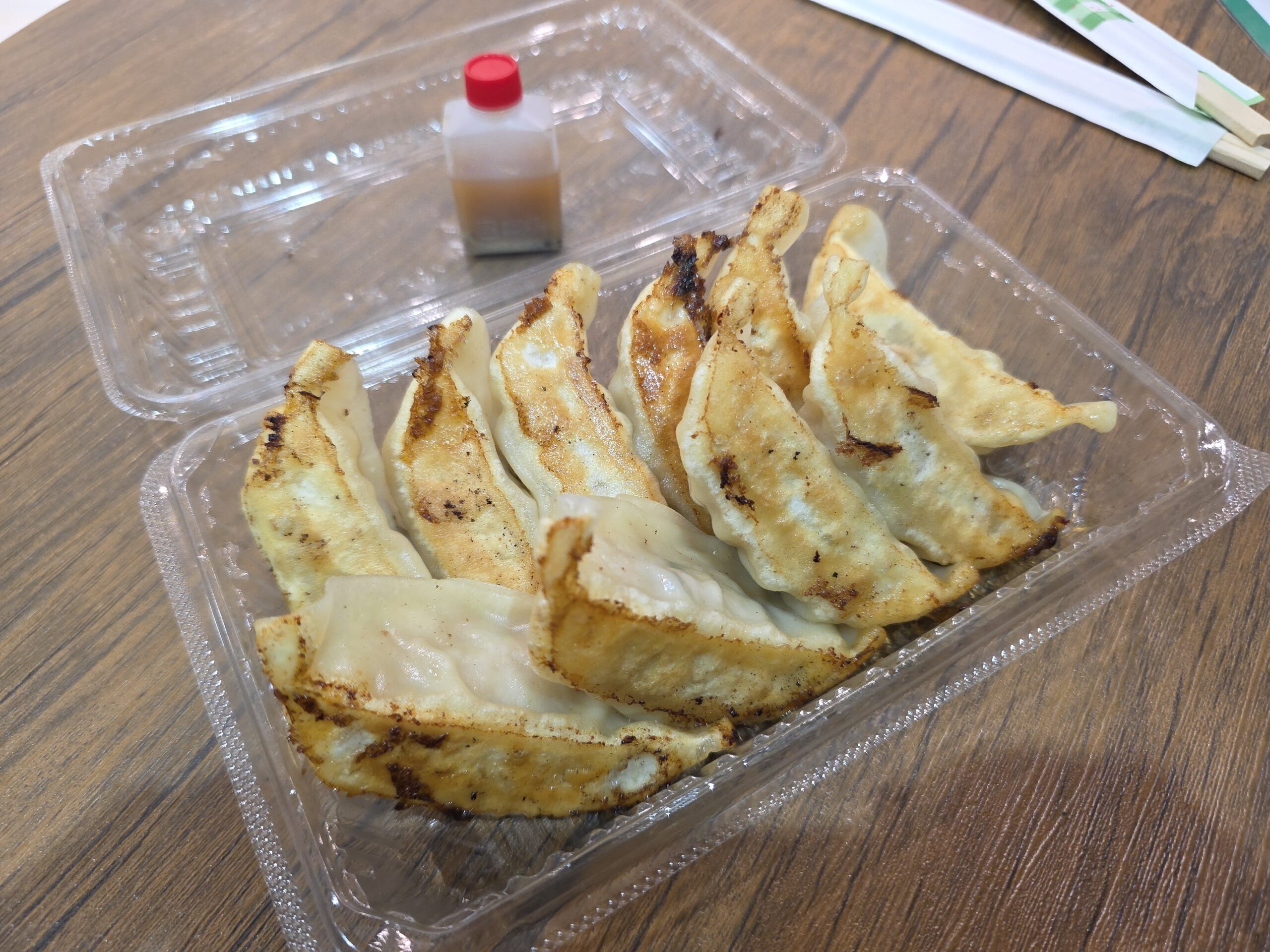
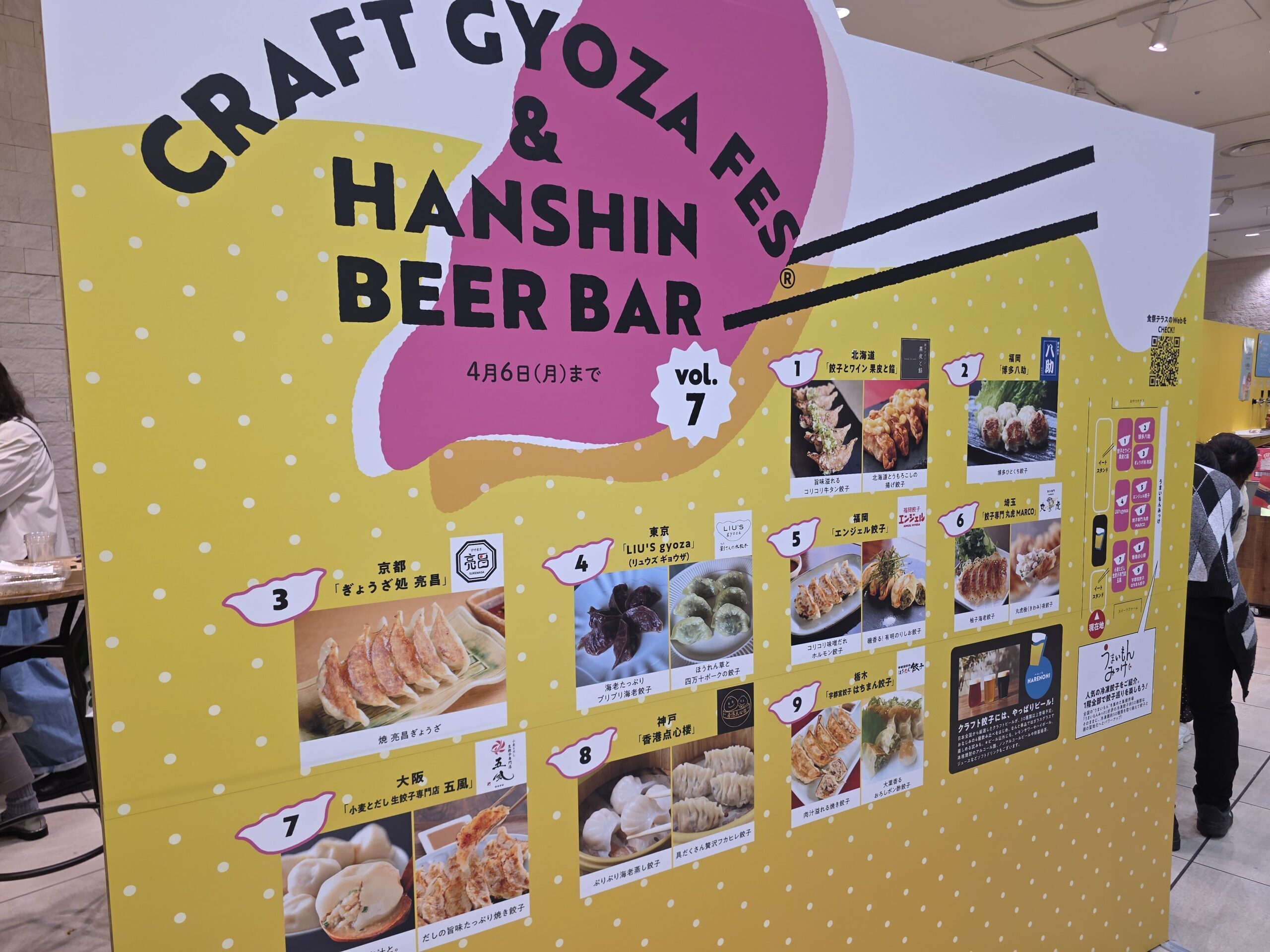
Instead, we wandered into Hanshin Department Store and discovered a surprise: a Craft Gyoza Festival and beer bar taking over the lower level. Local vendors had set up shop, each offering their own version of gyoza, with visitors invited to try them and vote on the best. We skipped the voting and just joined the longest line, figuring that was the safest bet. Three varieties: pork, garlic, and chicken. We went traditional pork, and it was the best gyoza either of us had ever had.
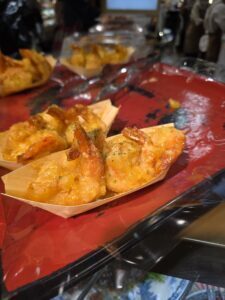
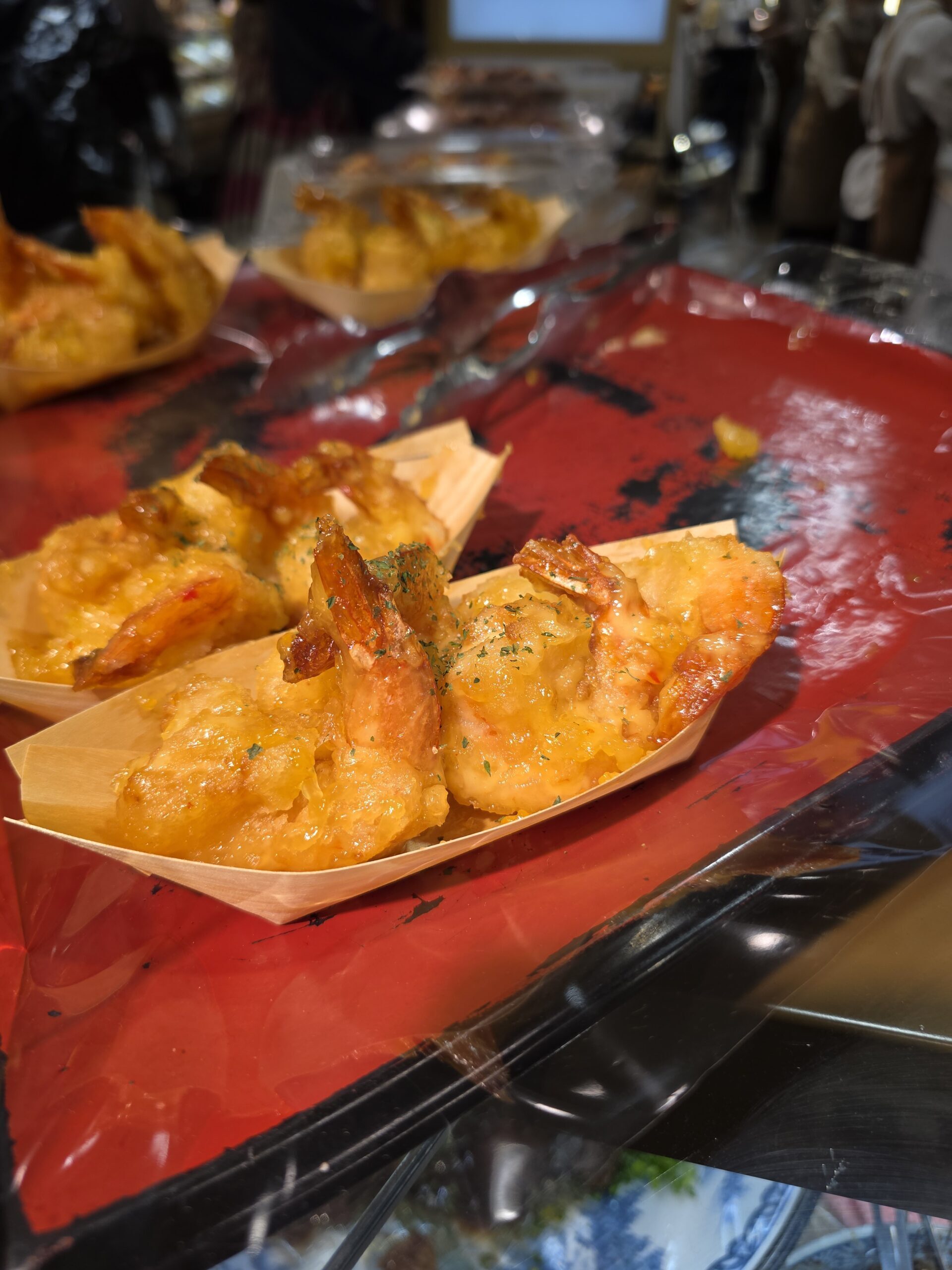
Deeper into the basement was the everyday food market, the kind tailored specifically to Japanese locals. Fresh sushi, fresh meats and seafood, teas, dessert shops. I picked up some massive glazed prawns that were a little pricey even by Japanese standards, but they were bursting with butter and honey, and fried to a perfect crisp. Worth every yen.
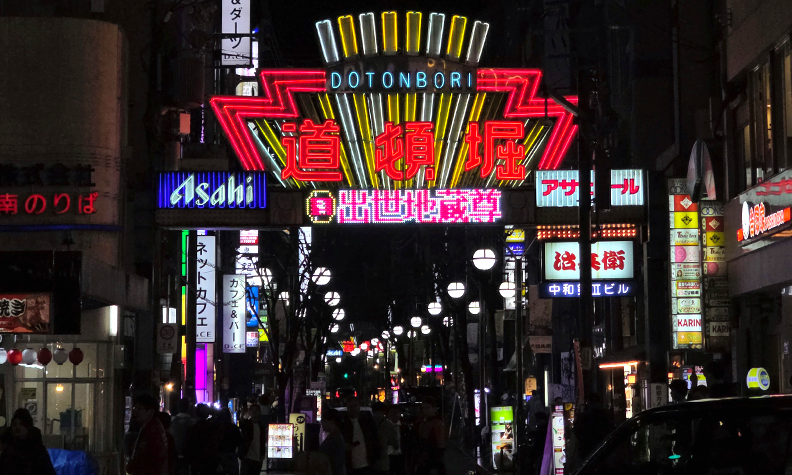
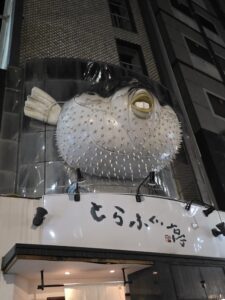
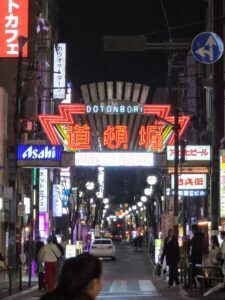
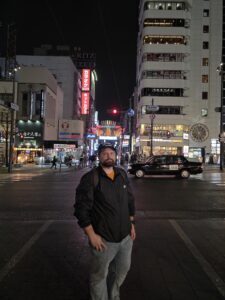
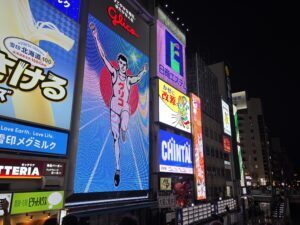
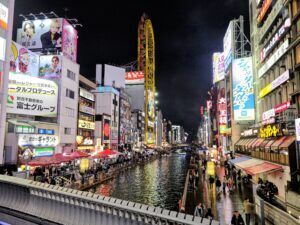
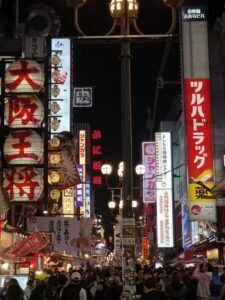
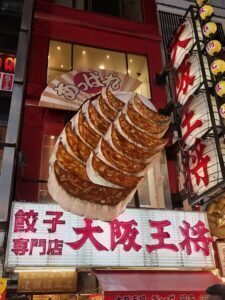
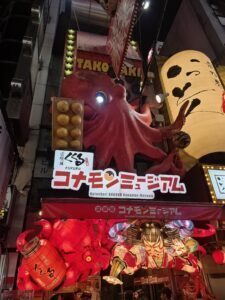
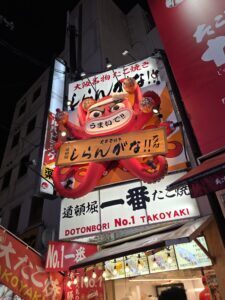
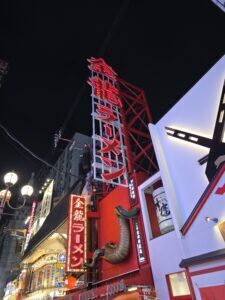
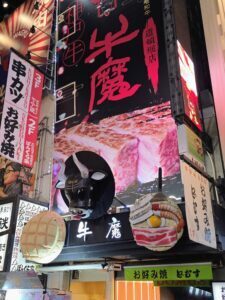
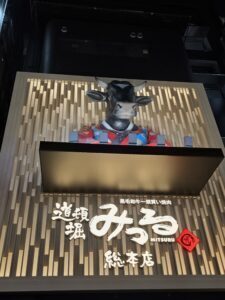
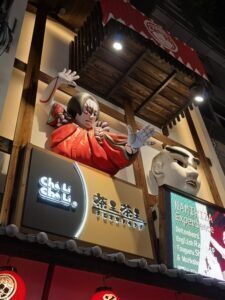
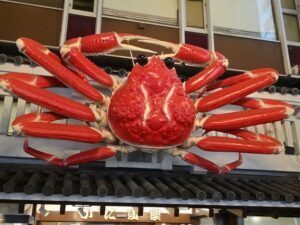
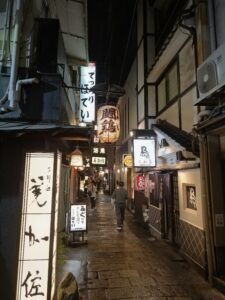
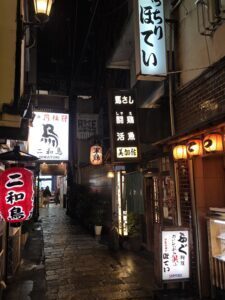
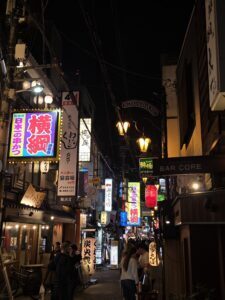
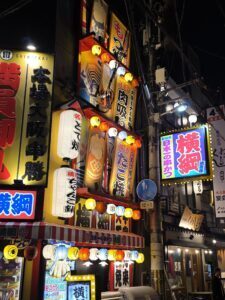
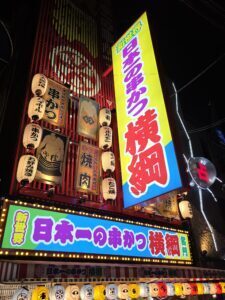
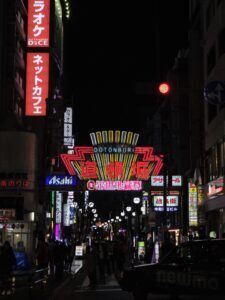
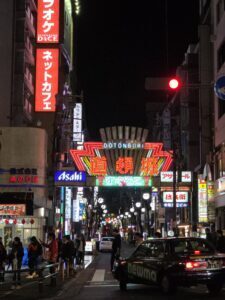
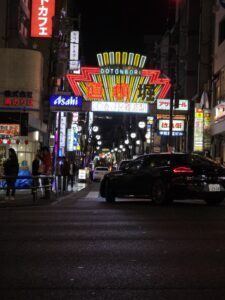
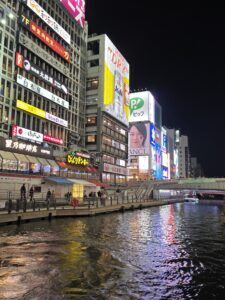
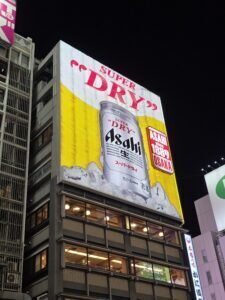
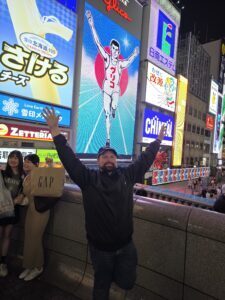
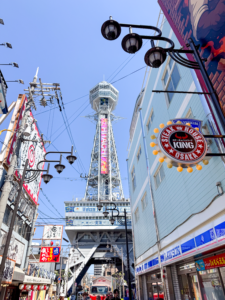
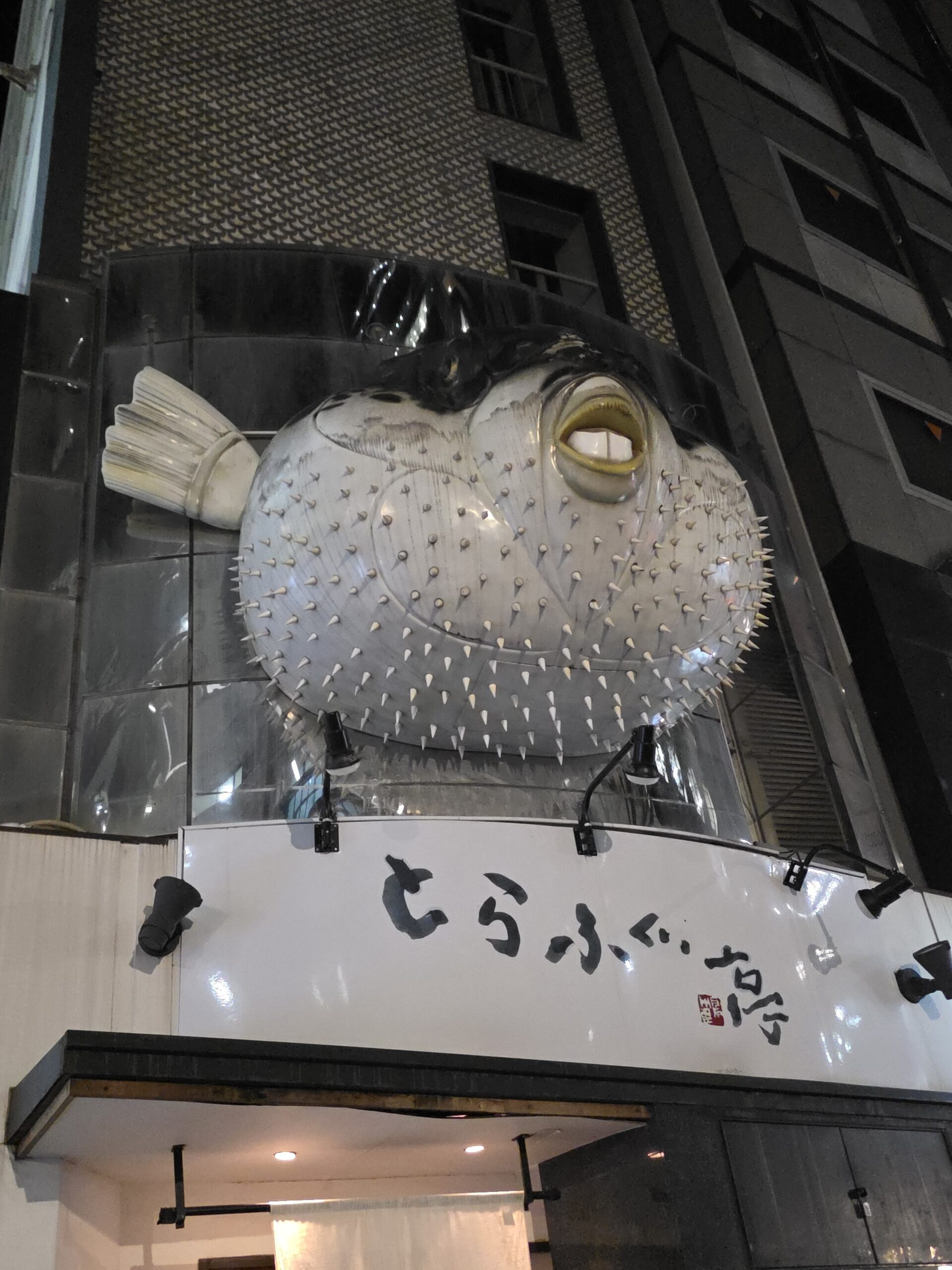
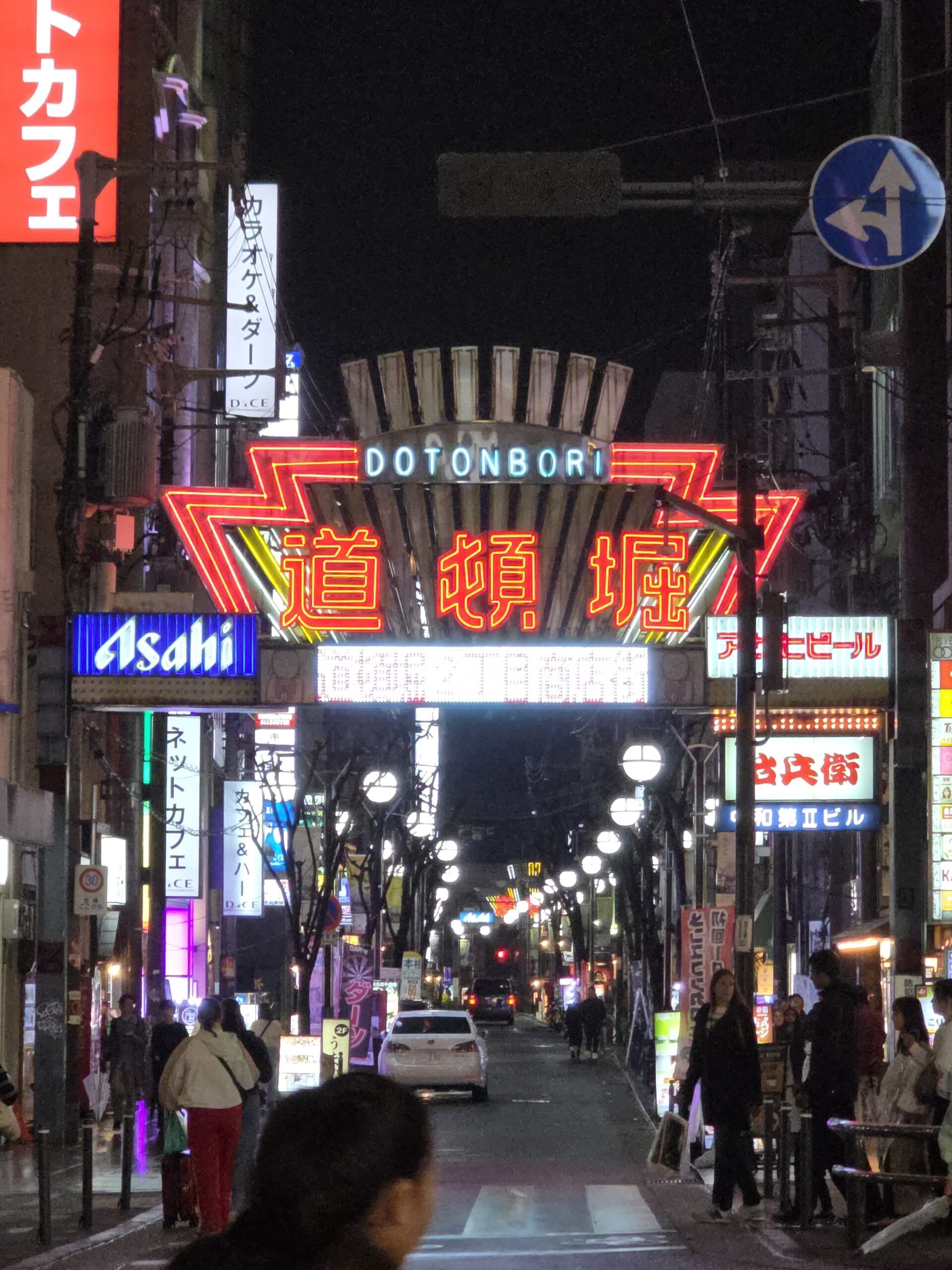
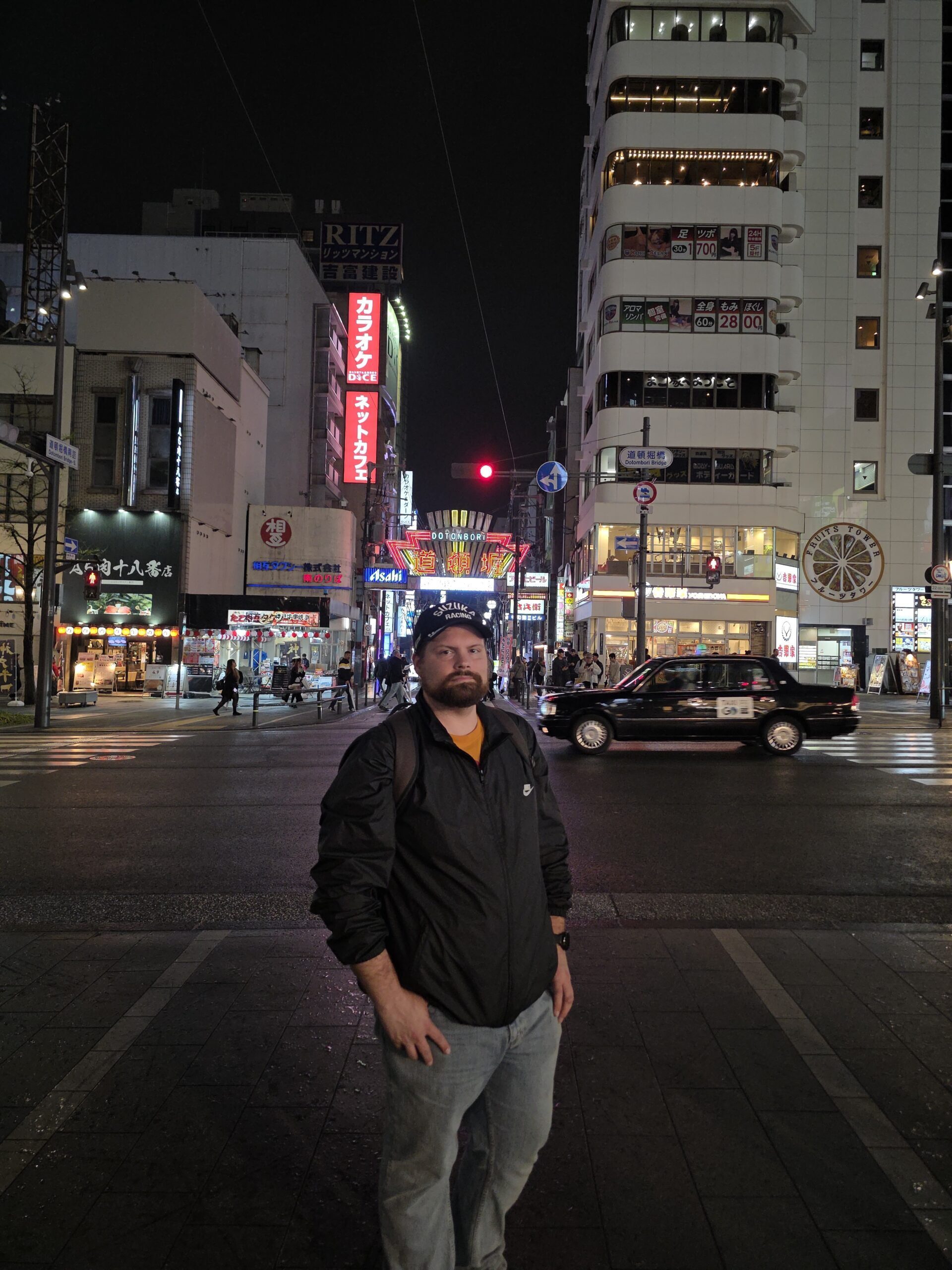
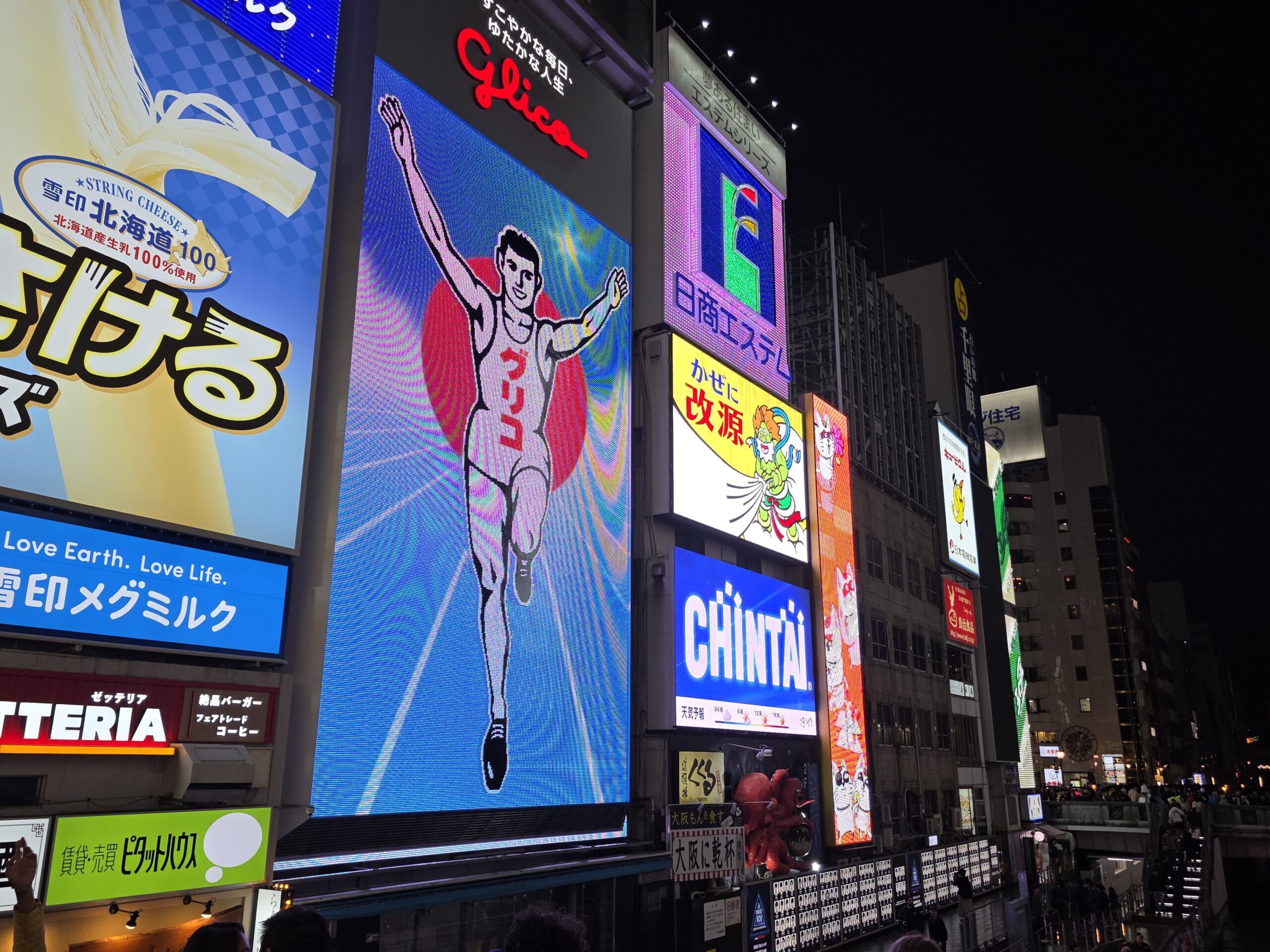
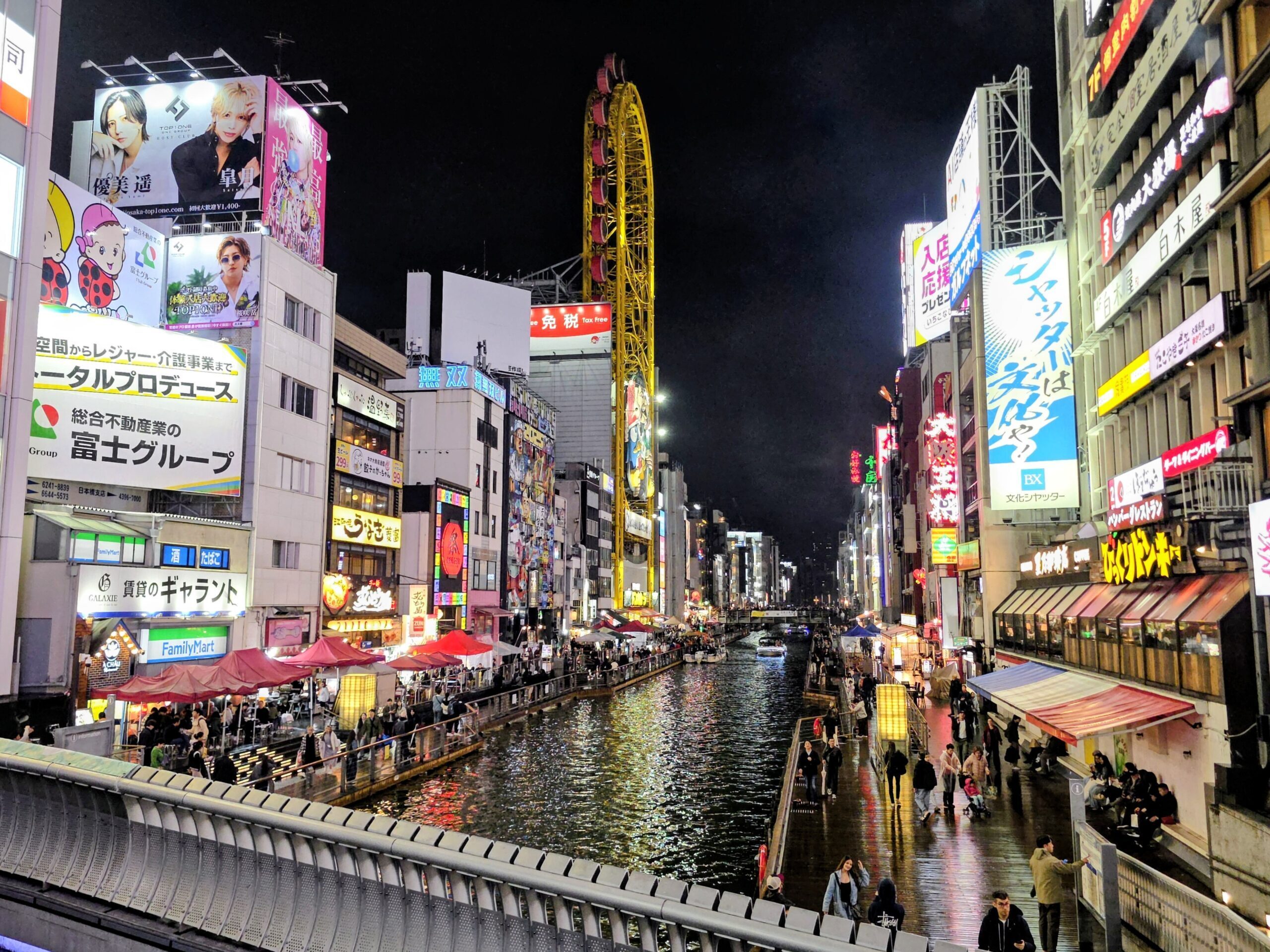
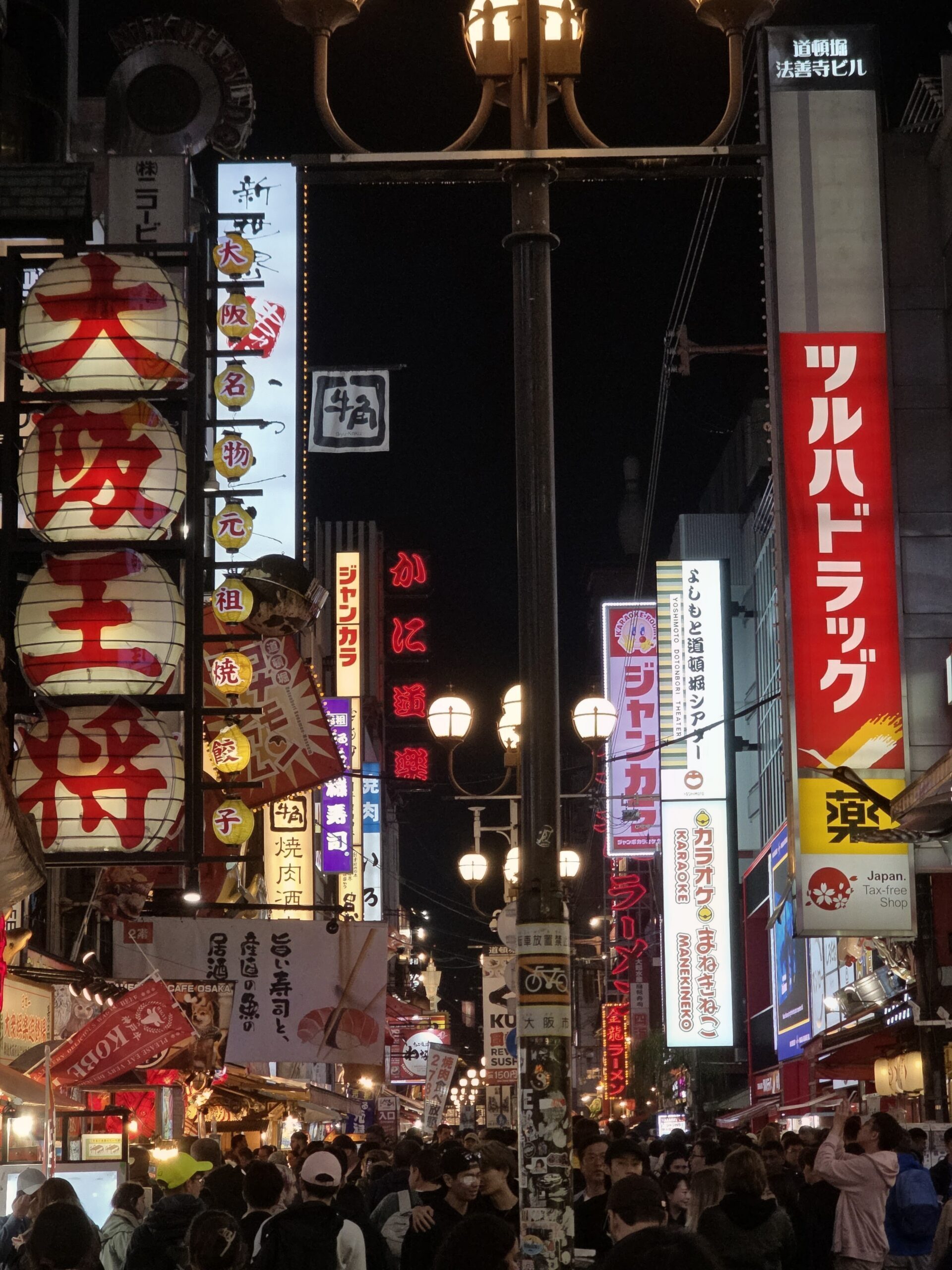
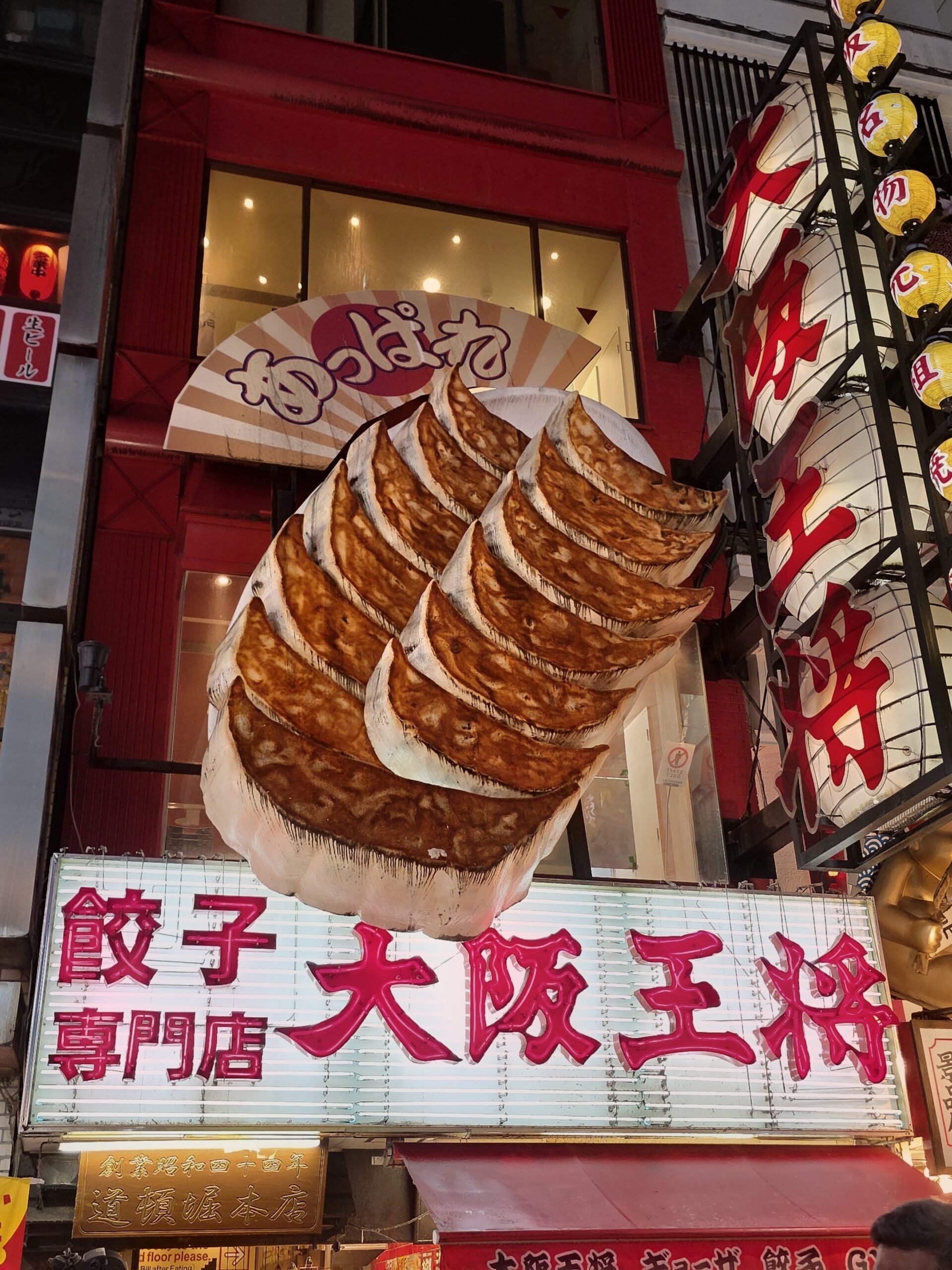
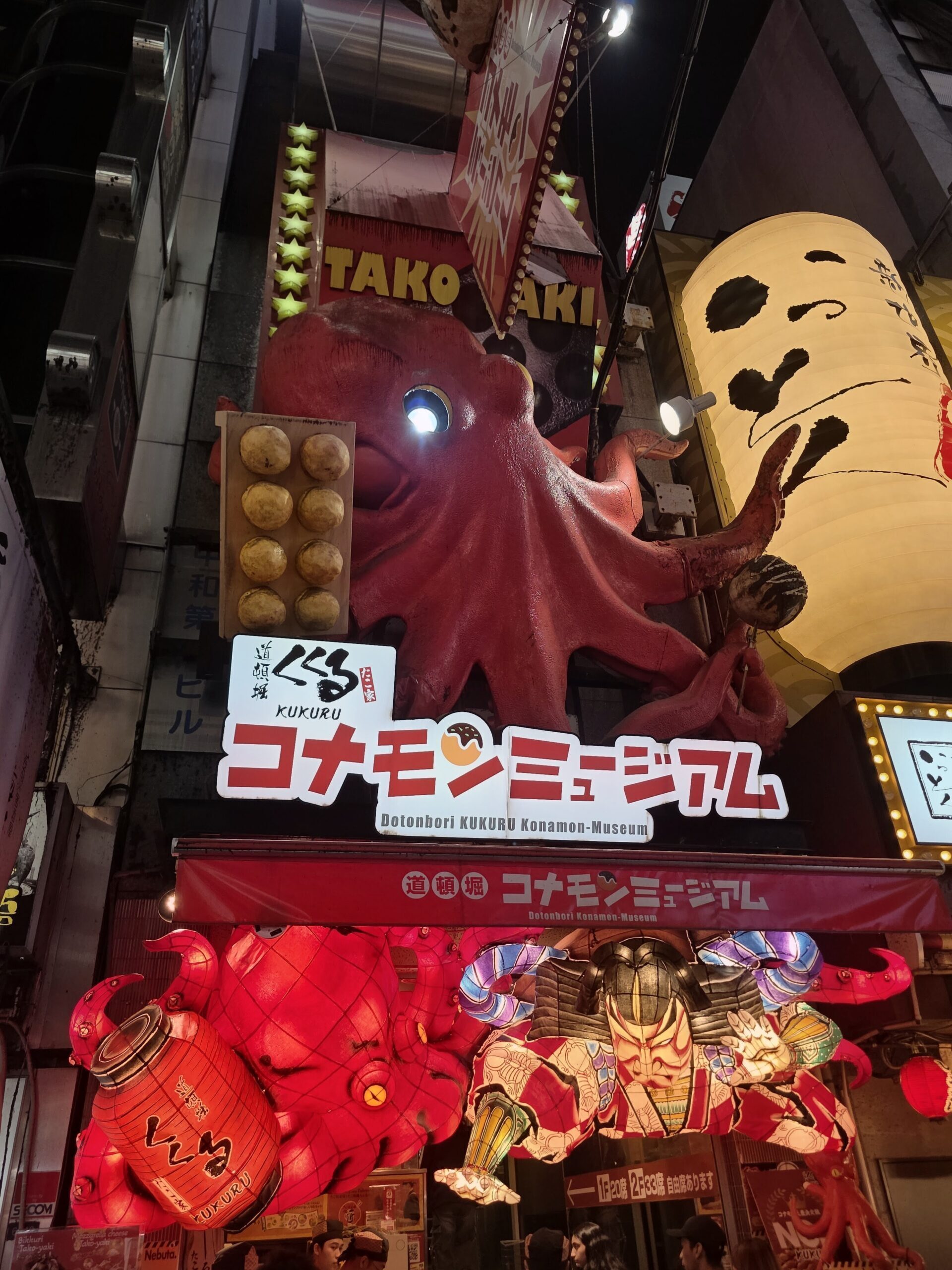
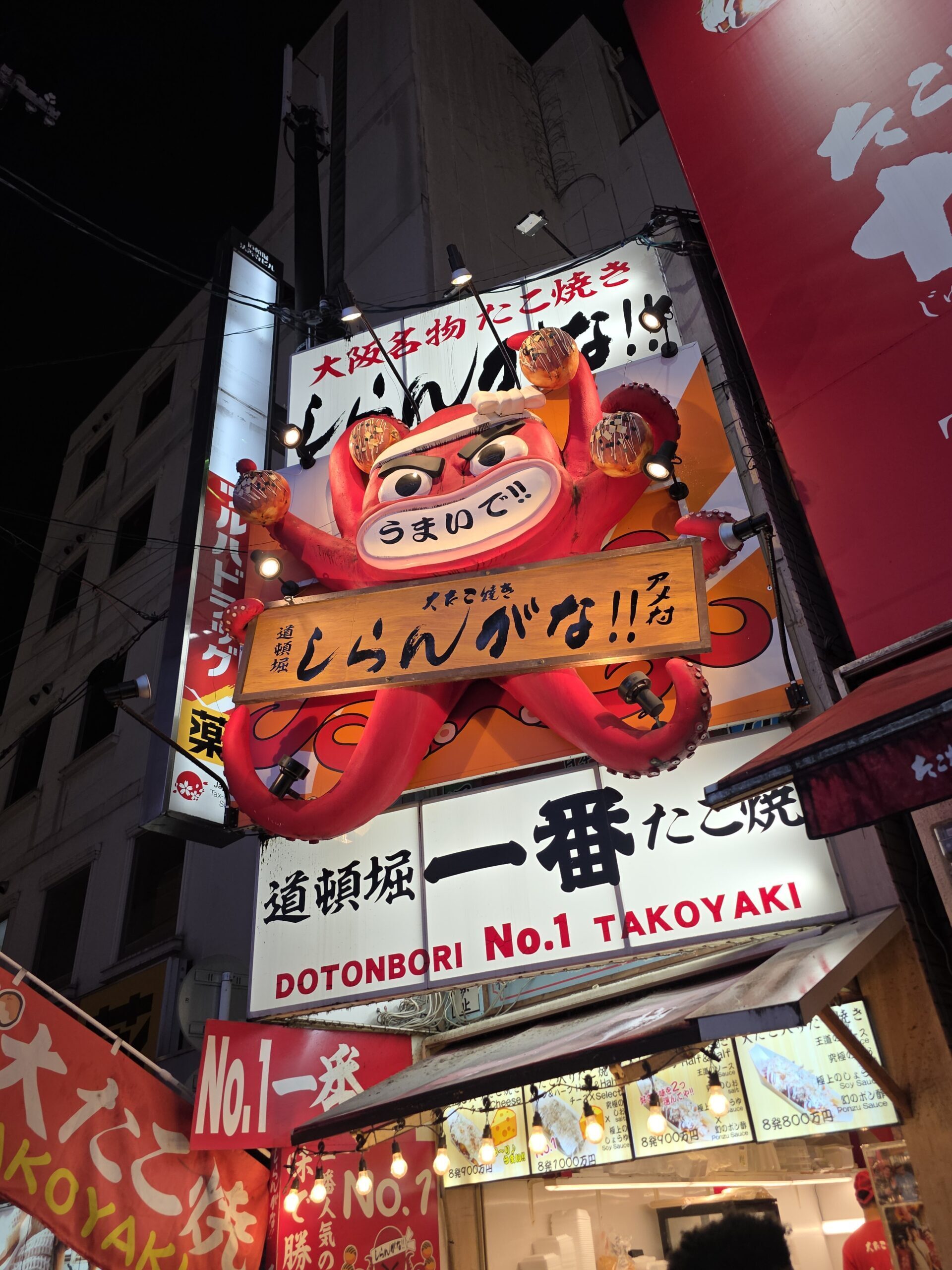
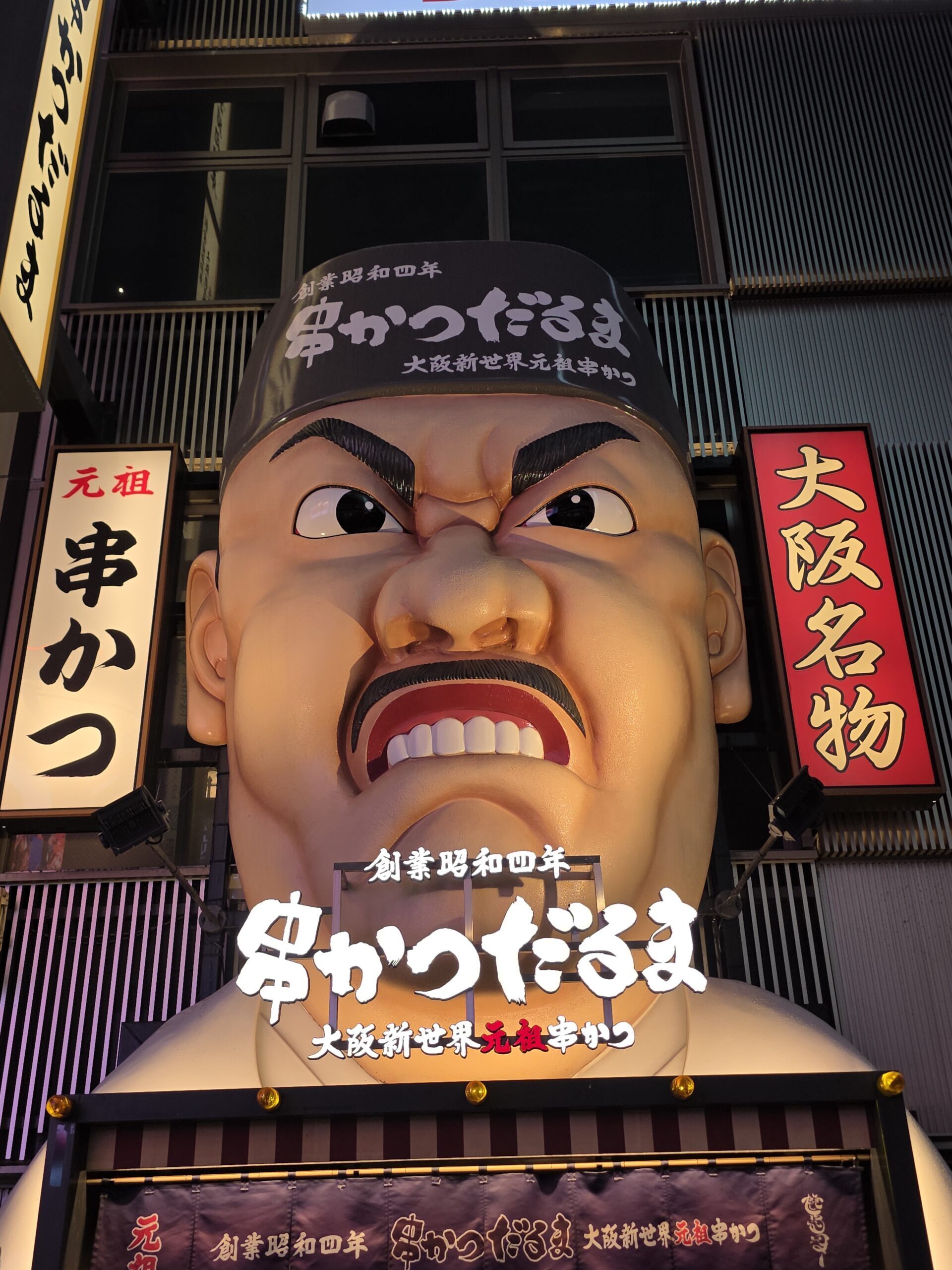
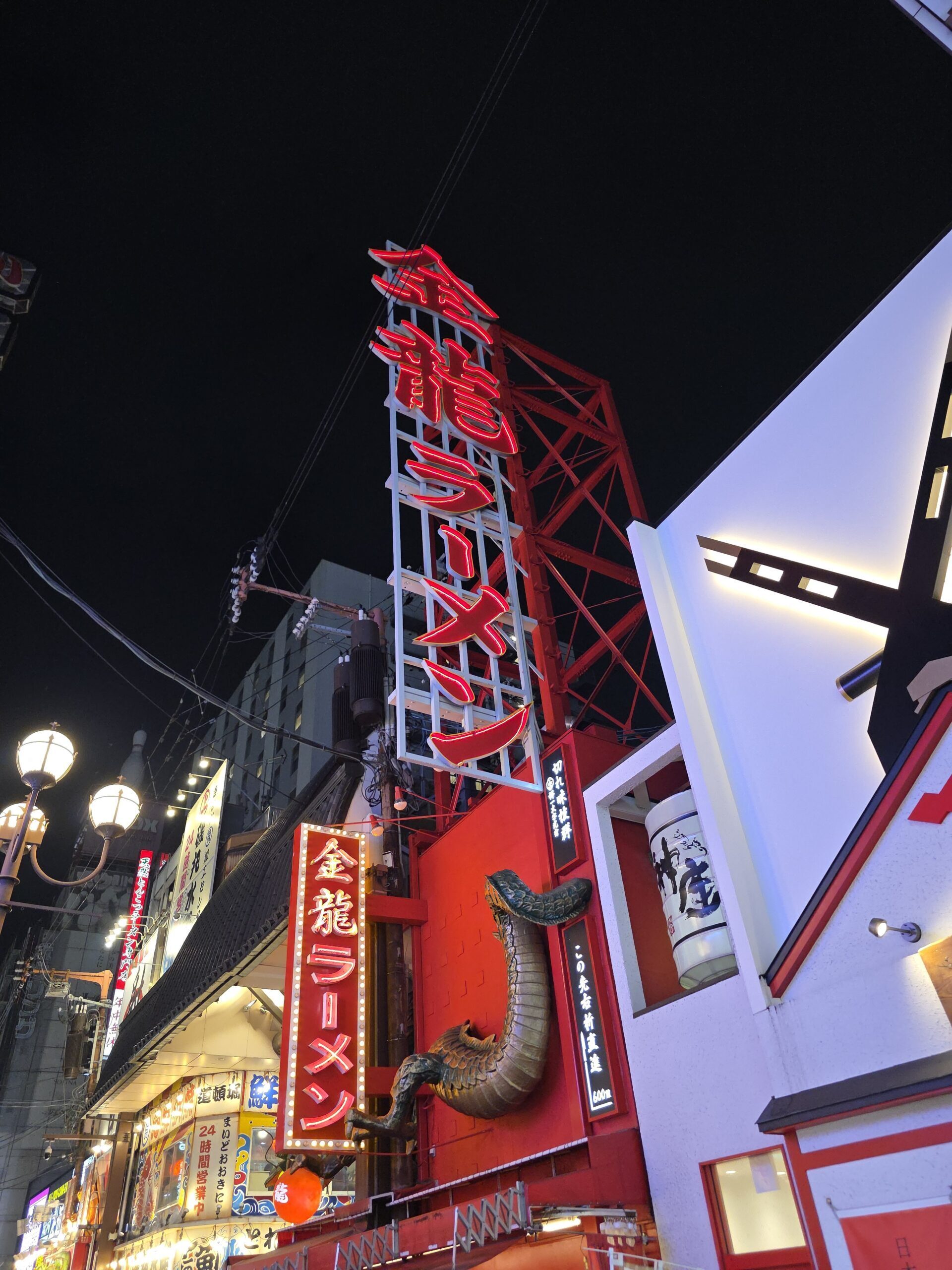
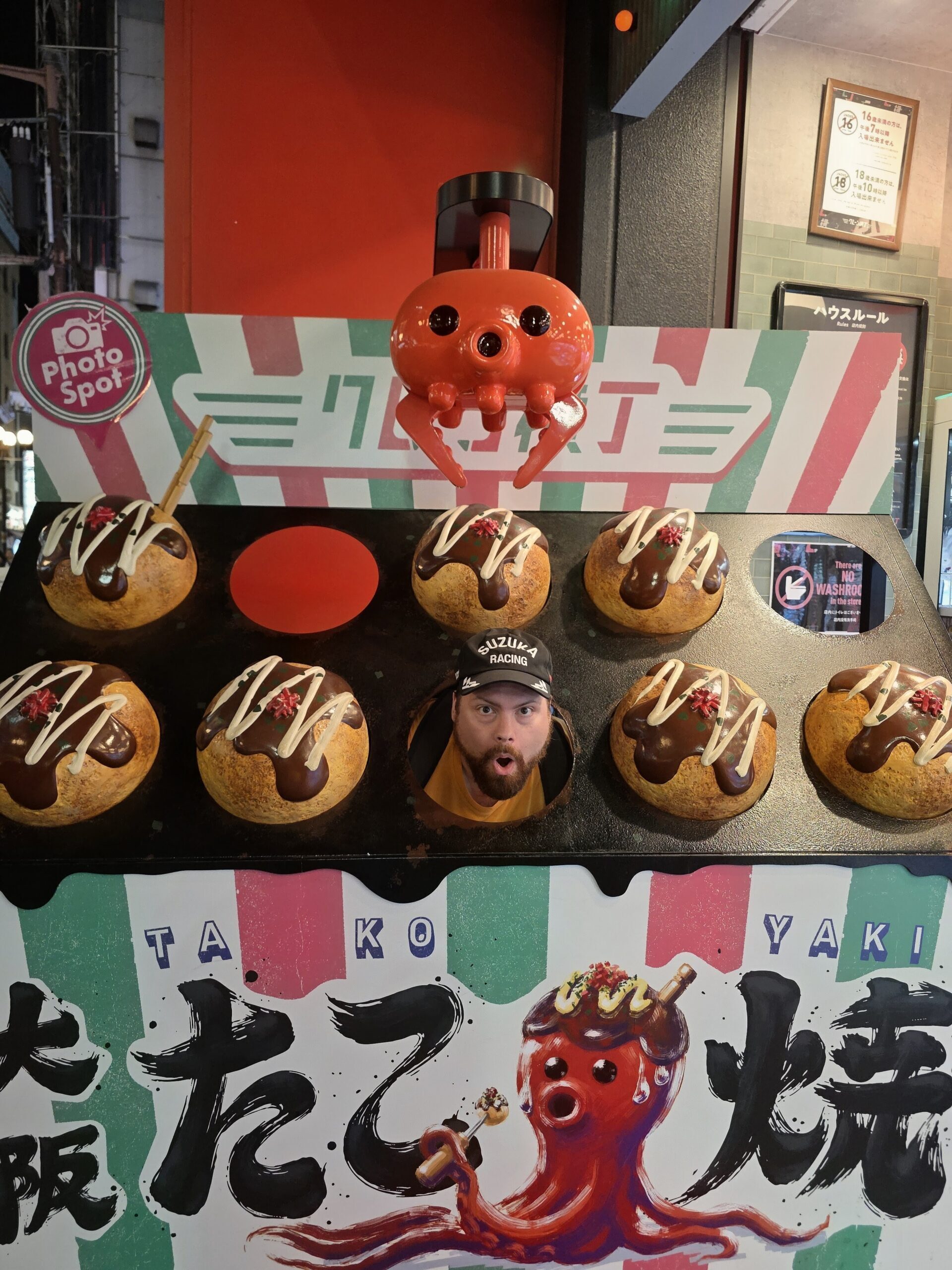
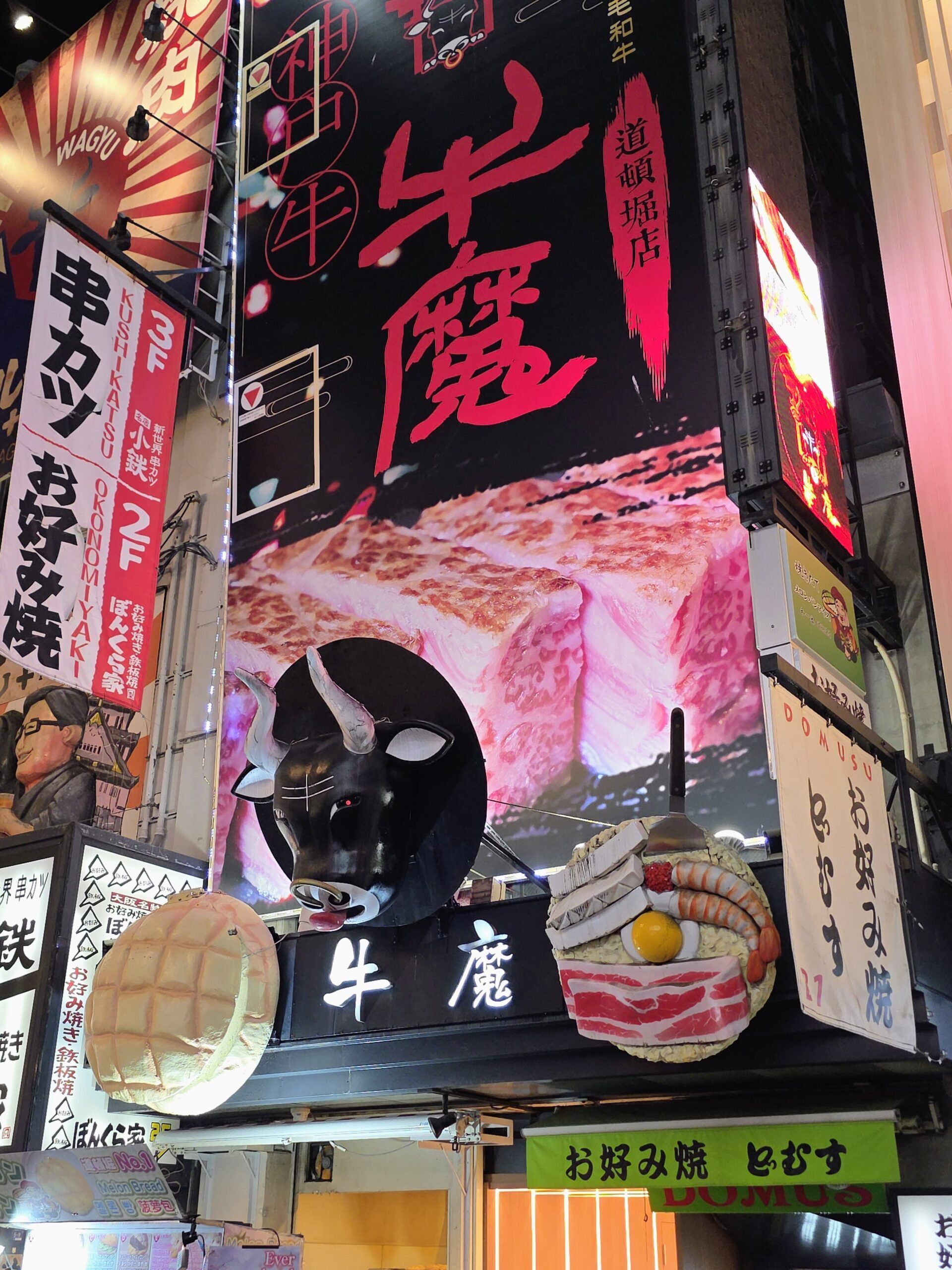
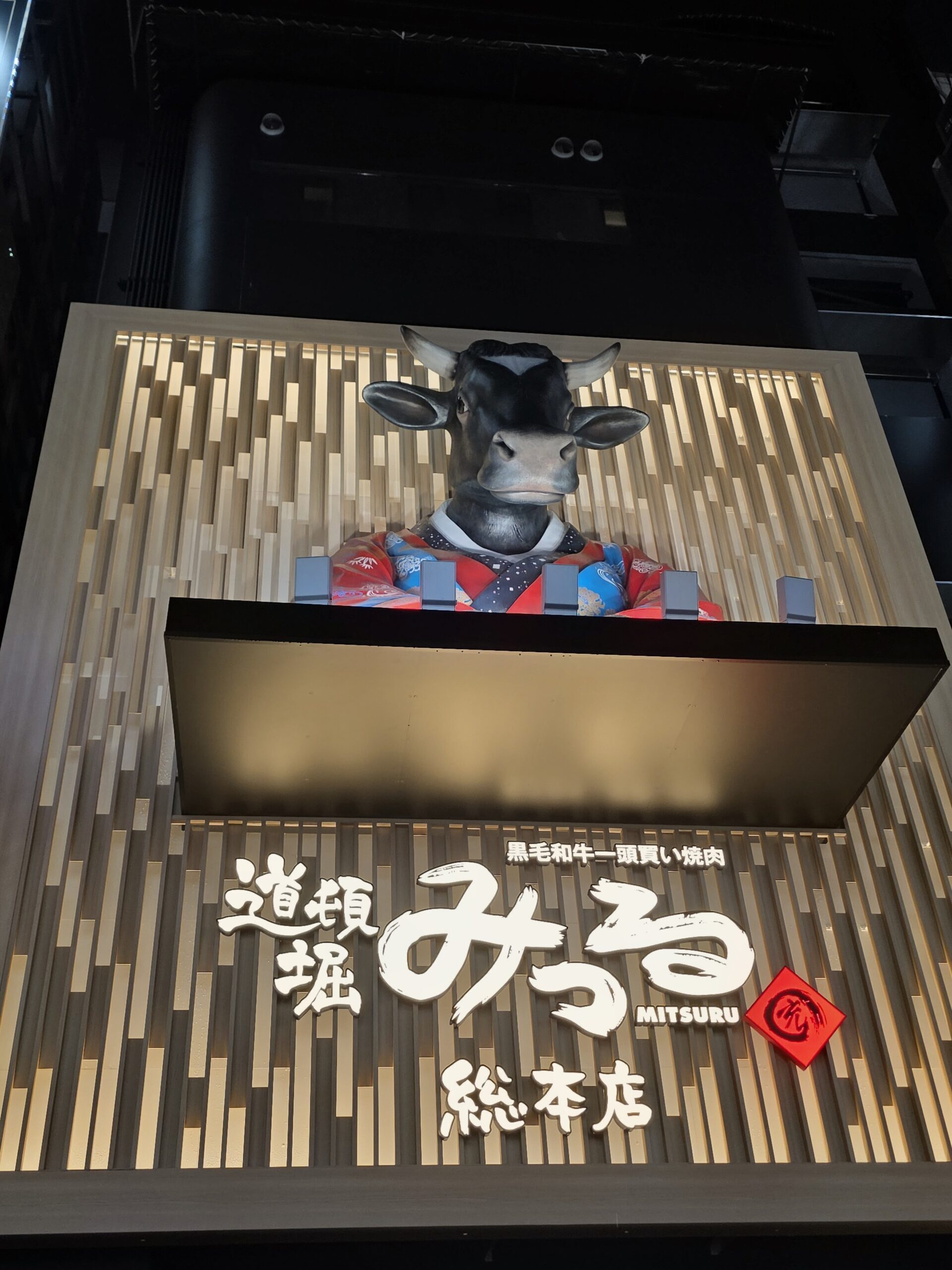
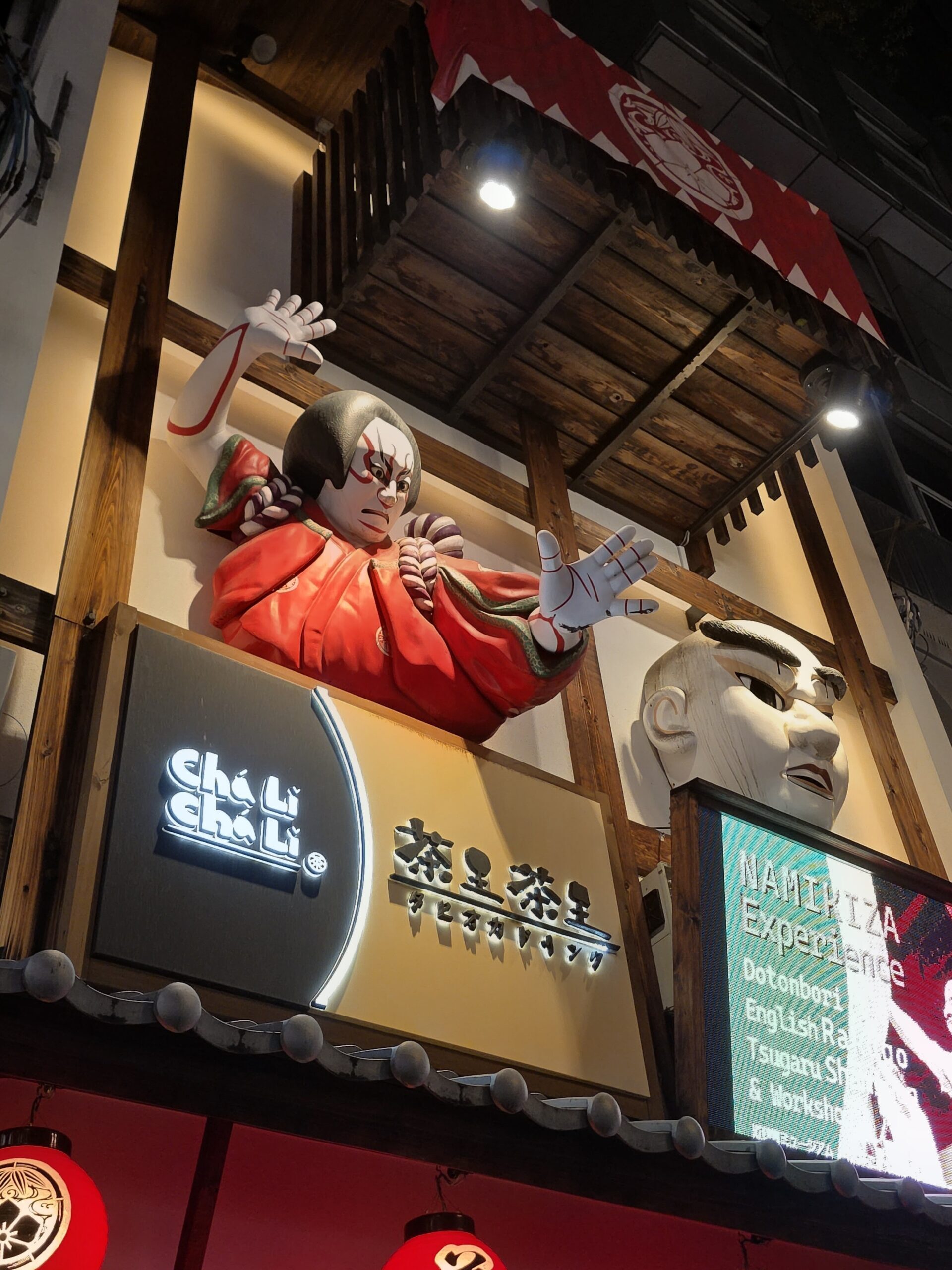
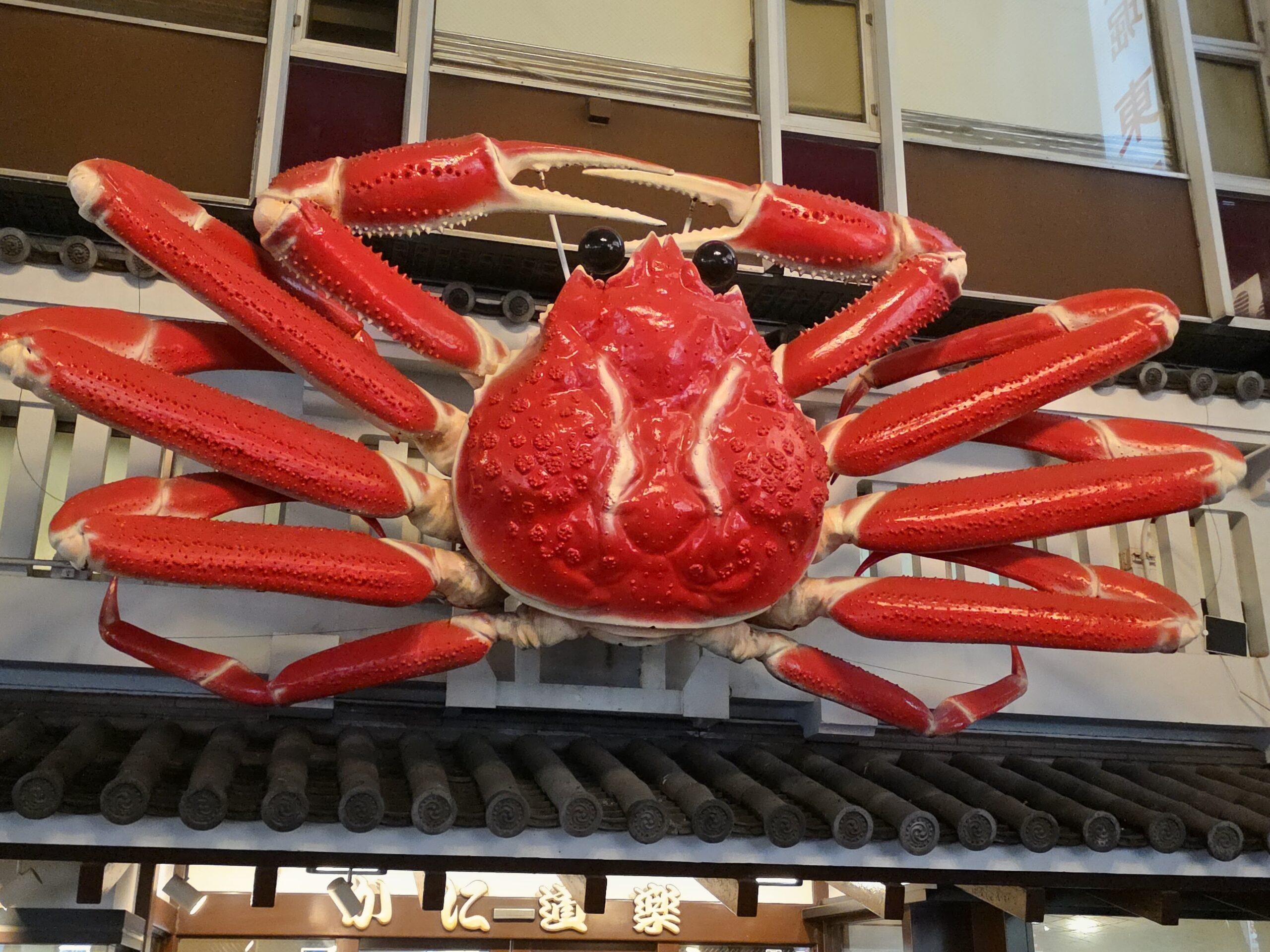
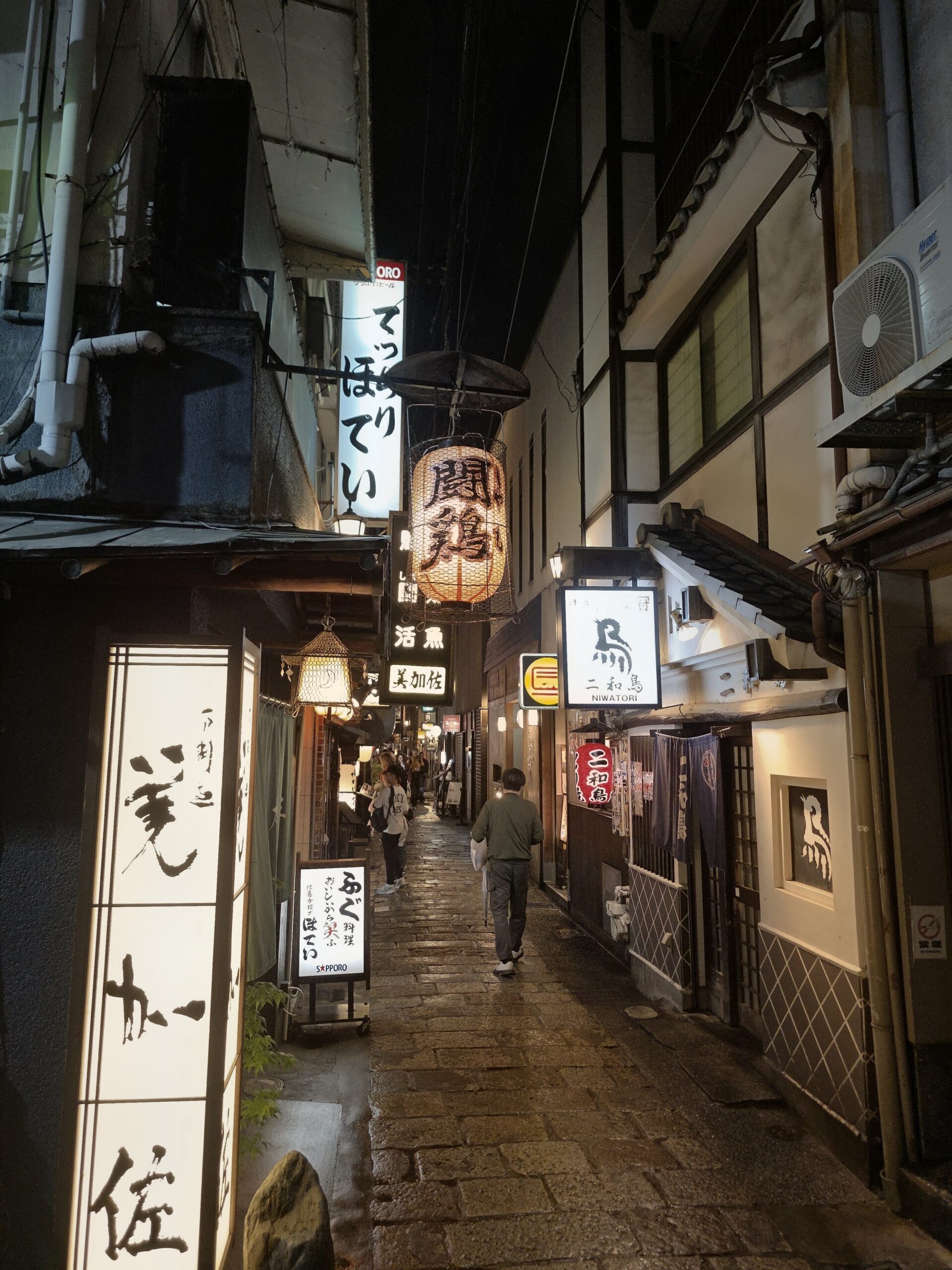
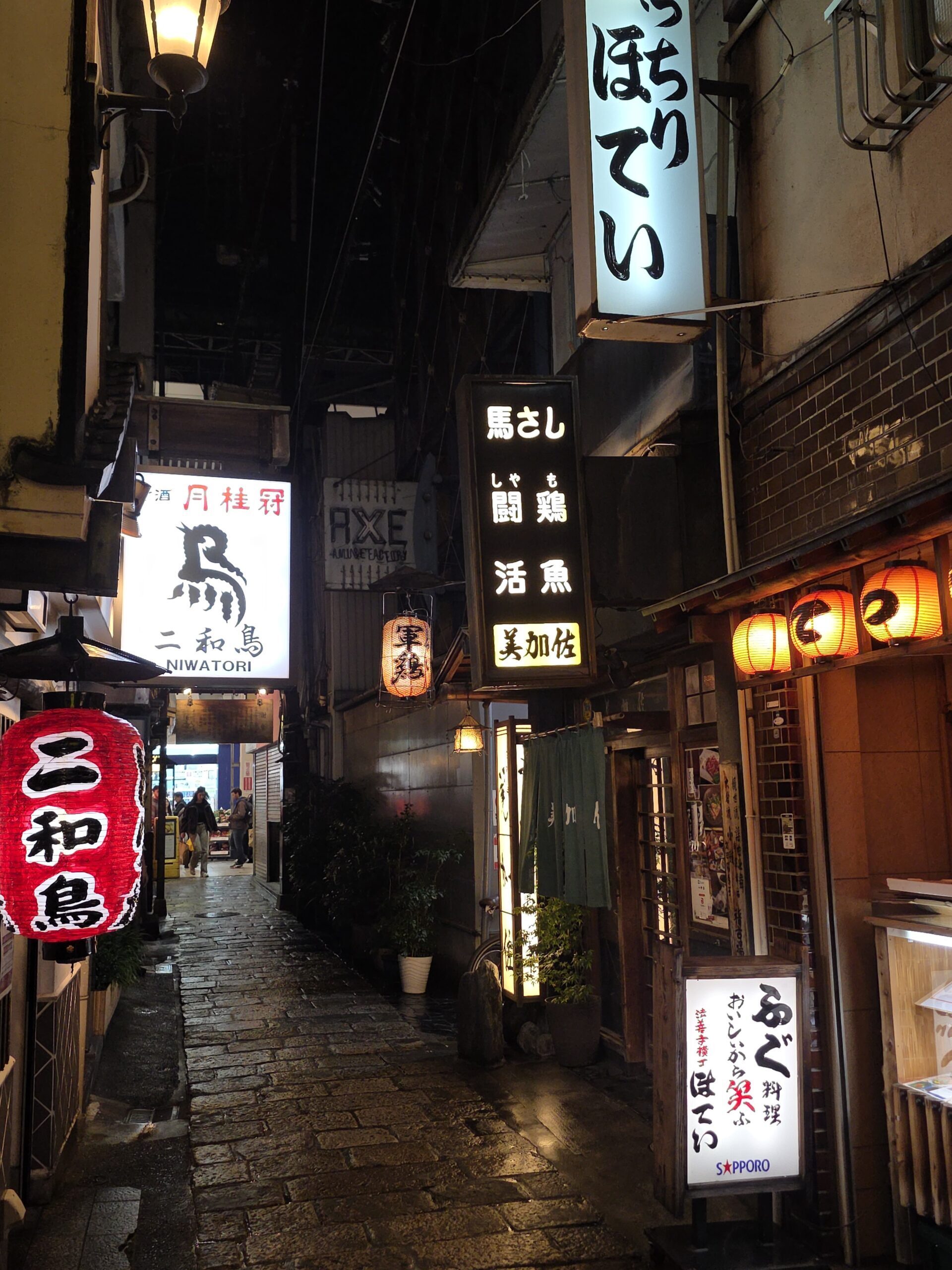
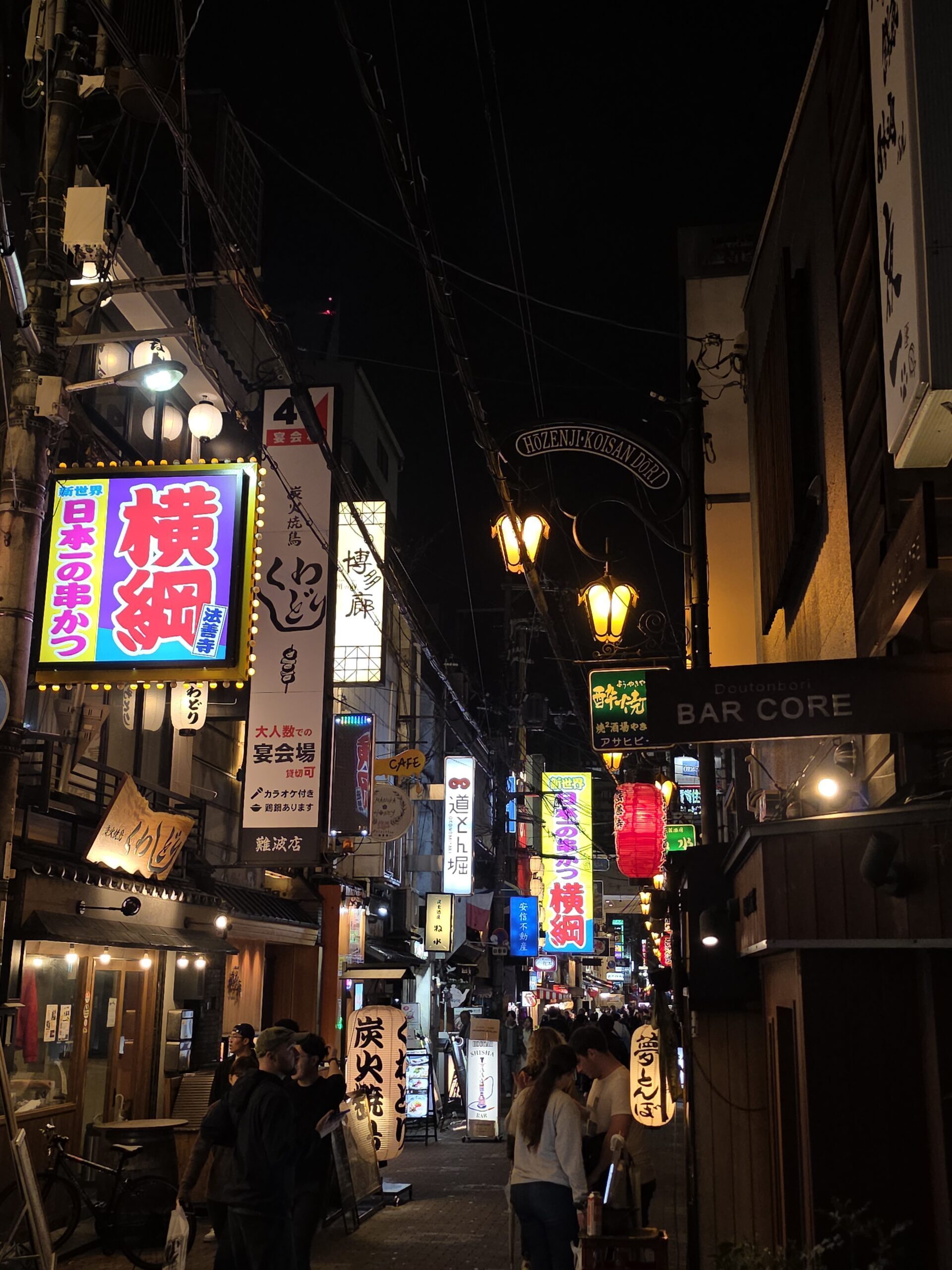
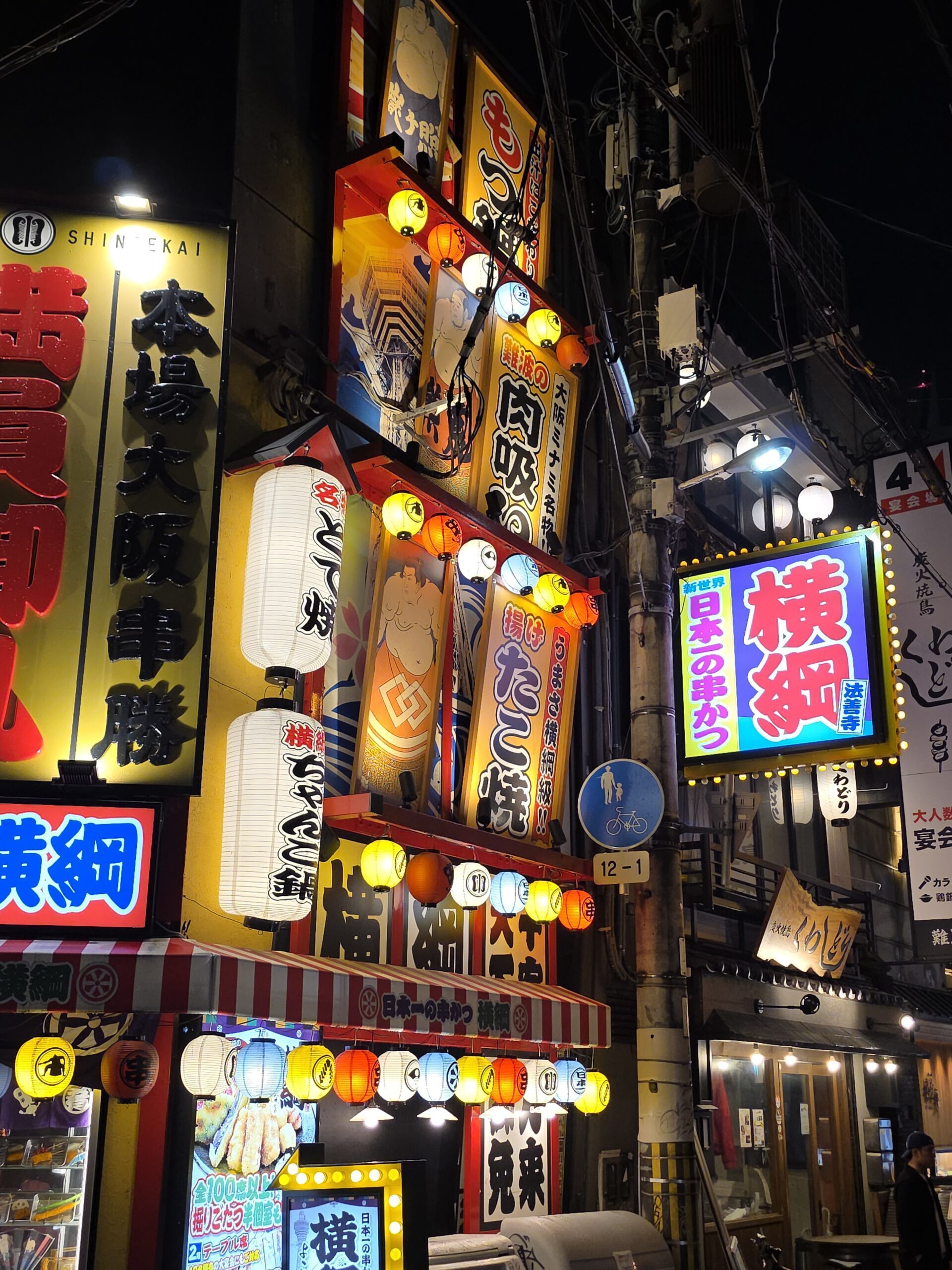
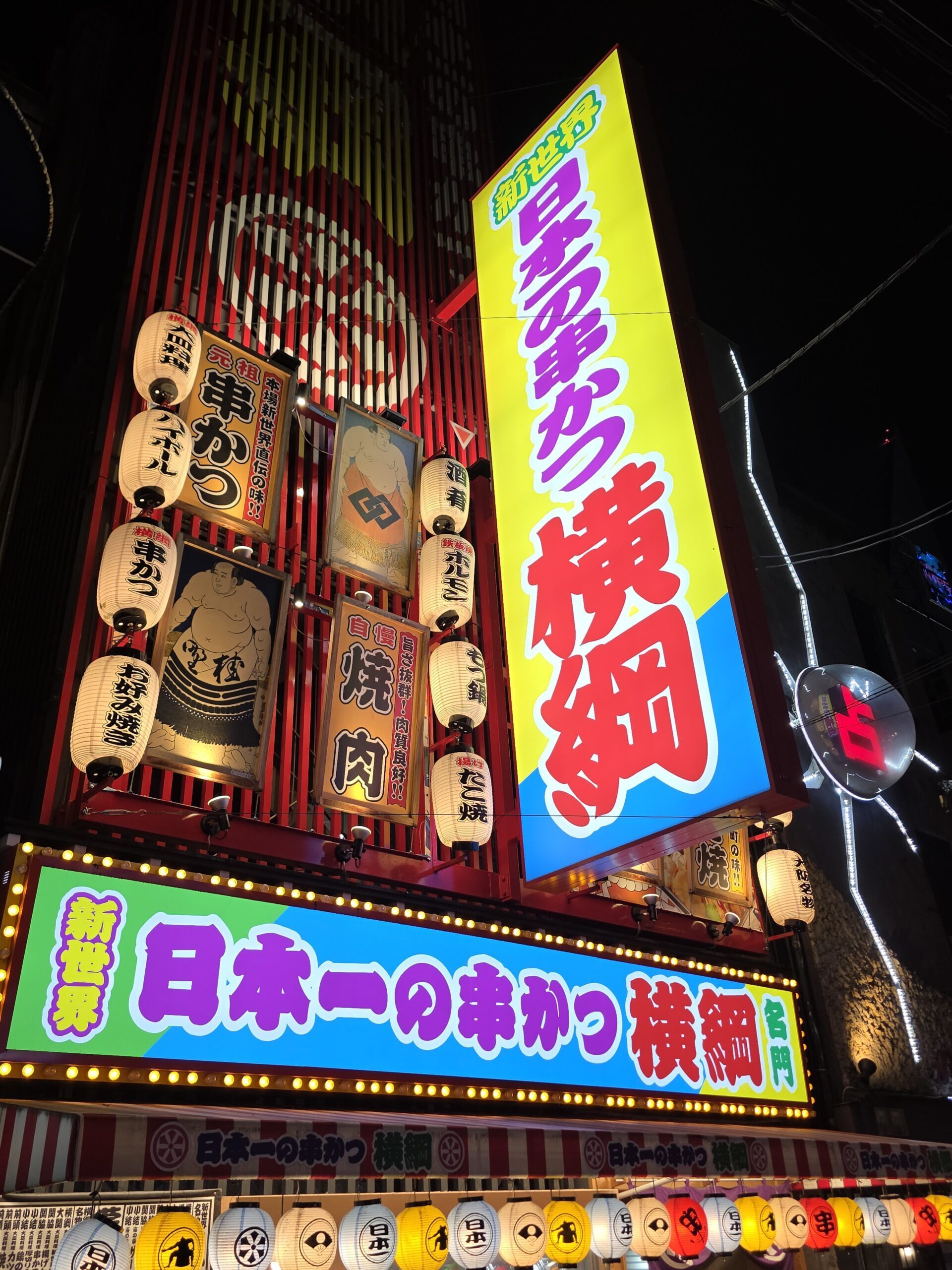
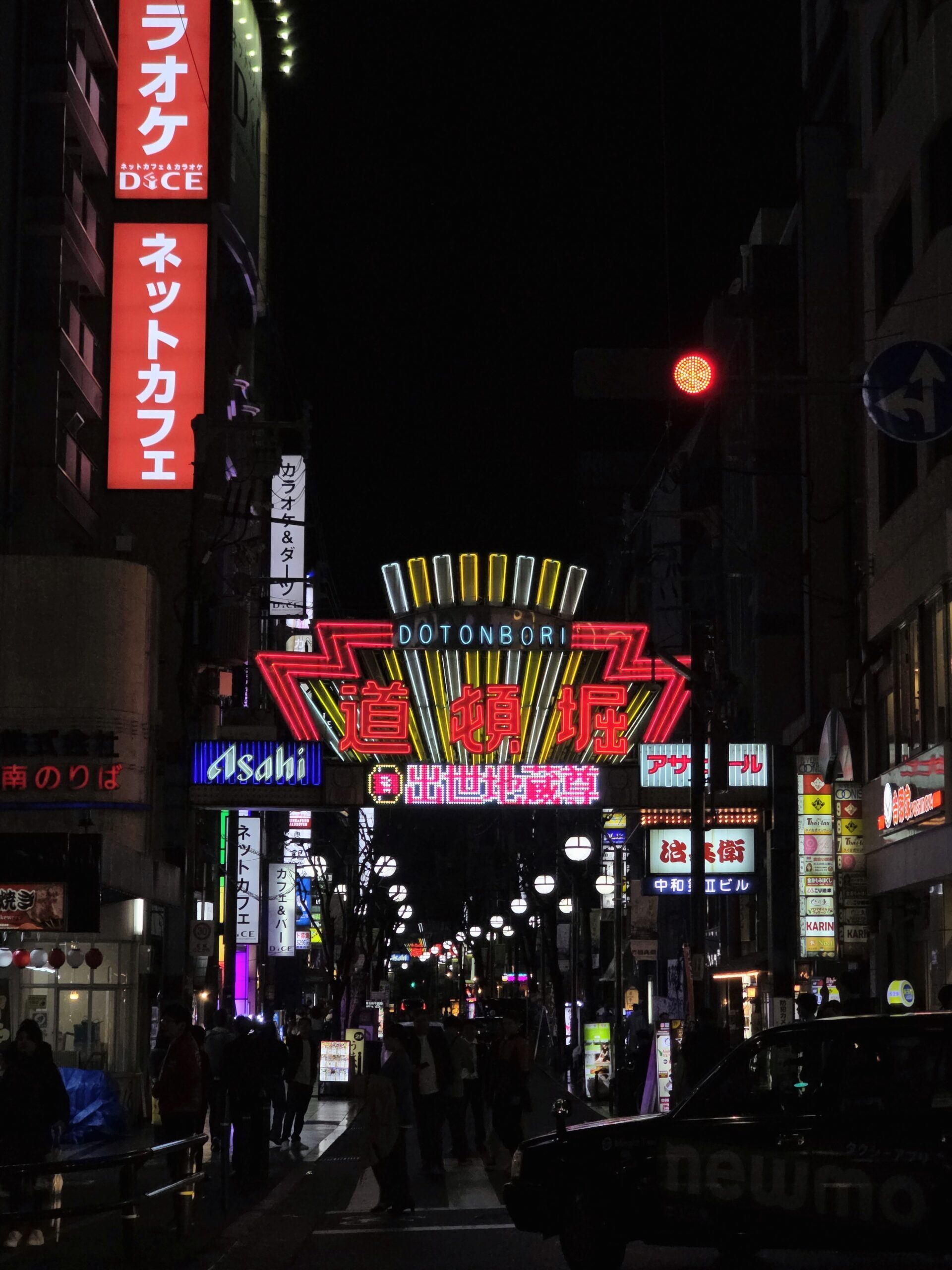
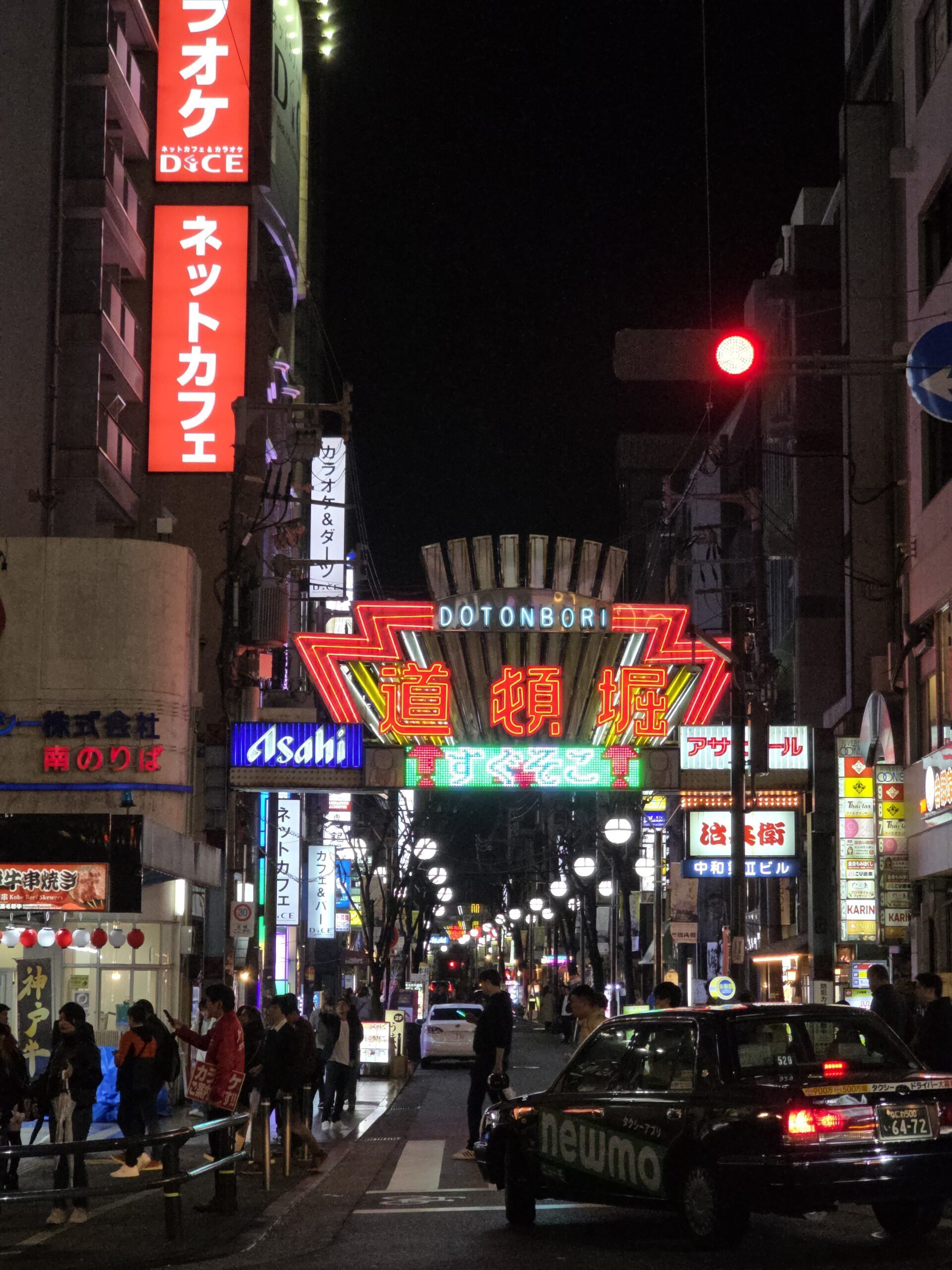
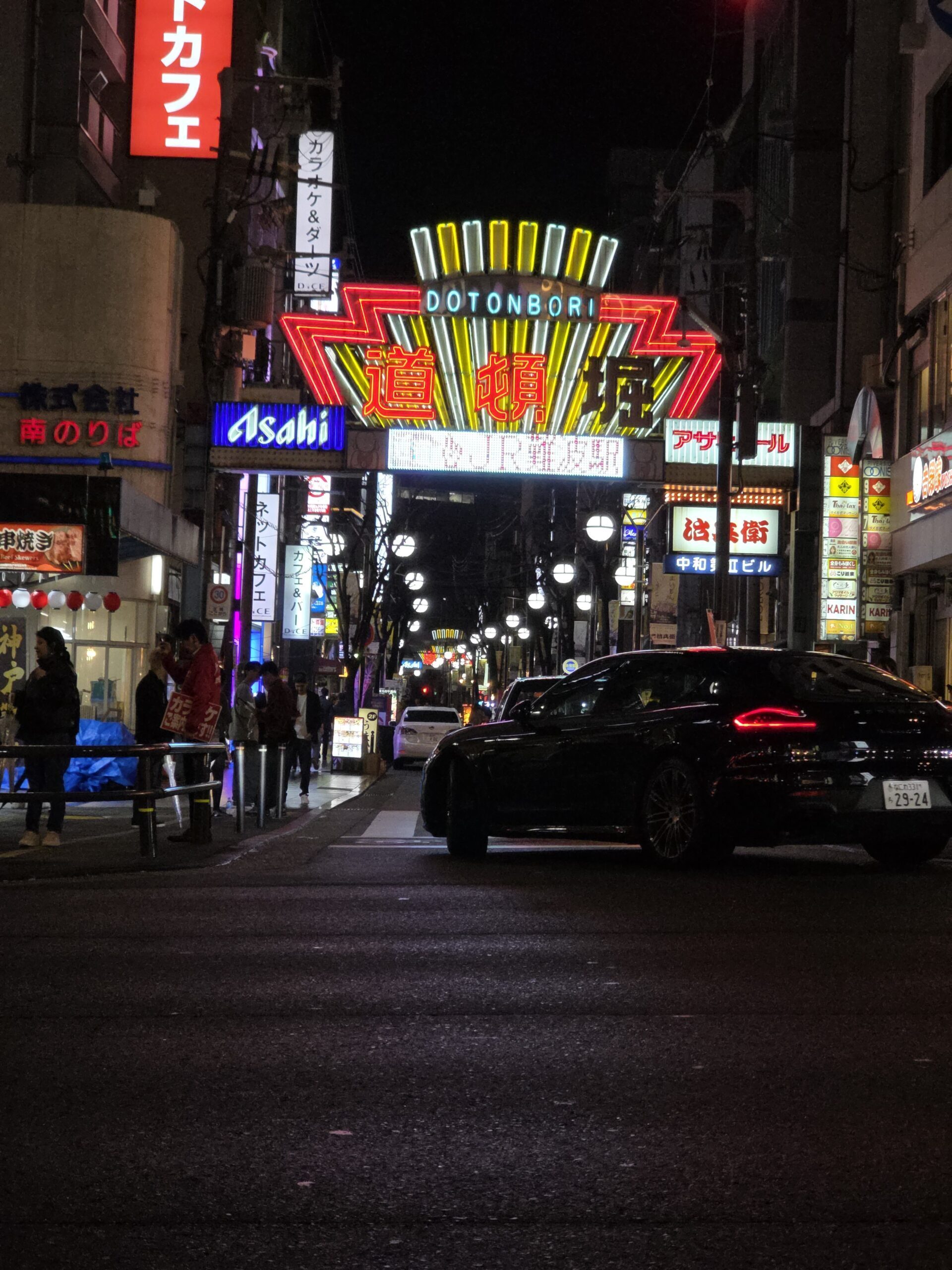
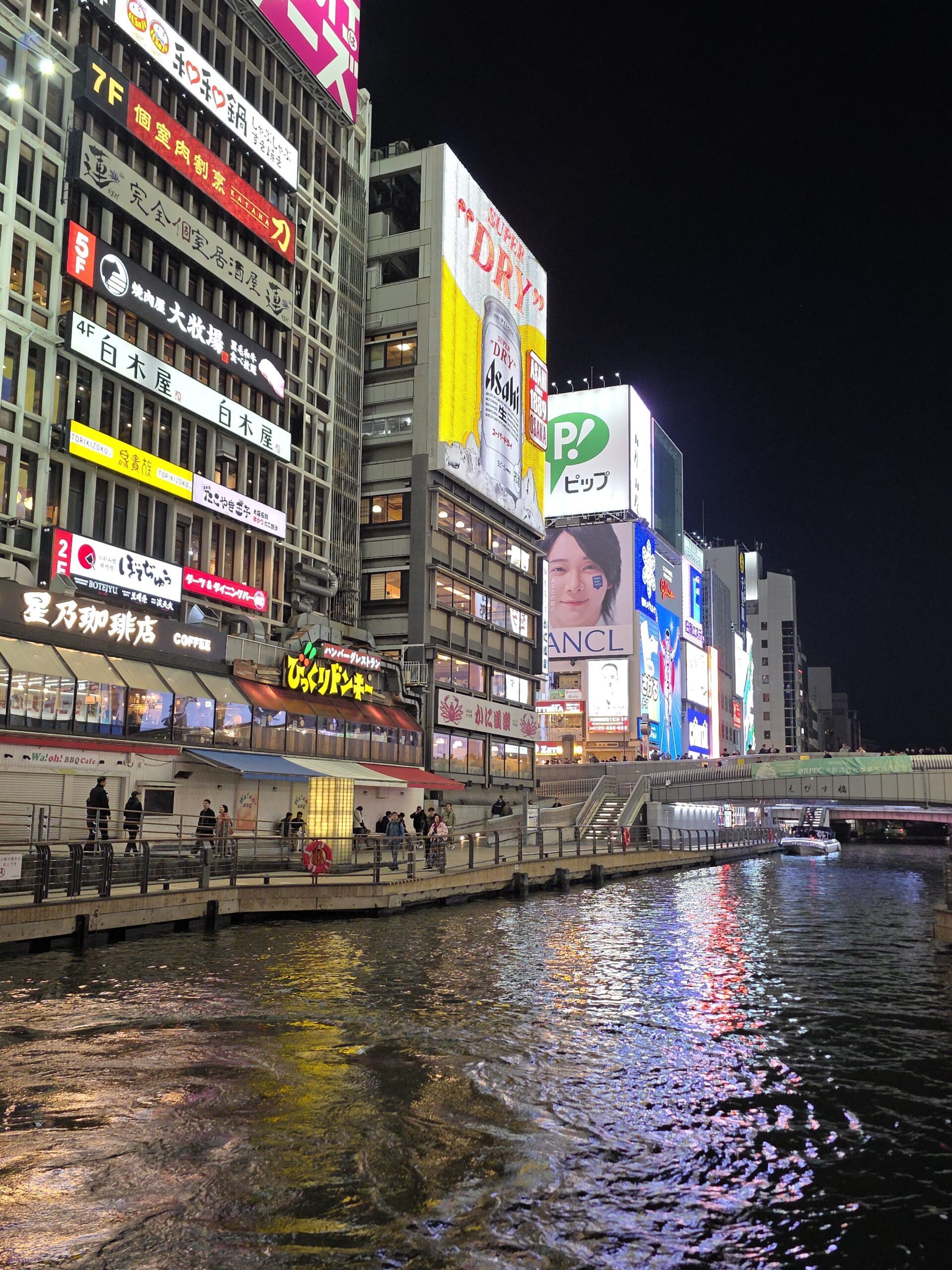
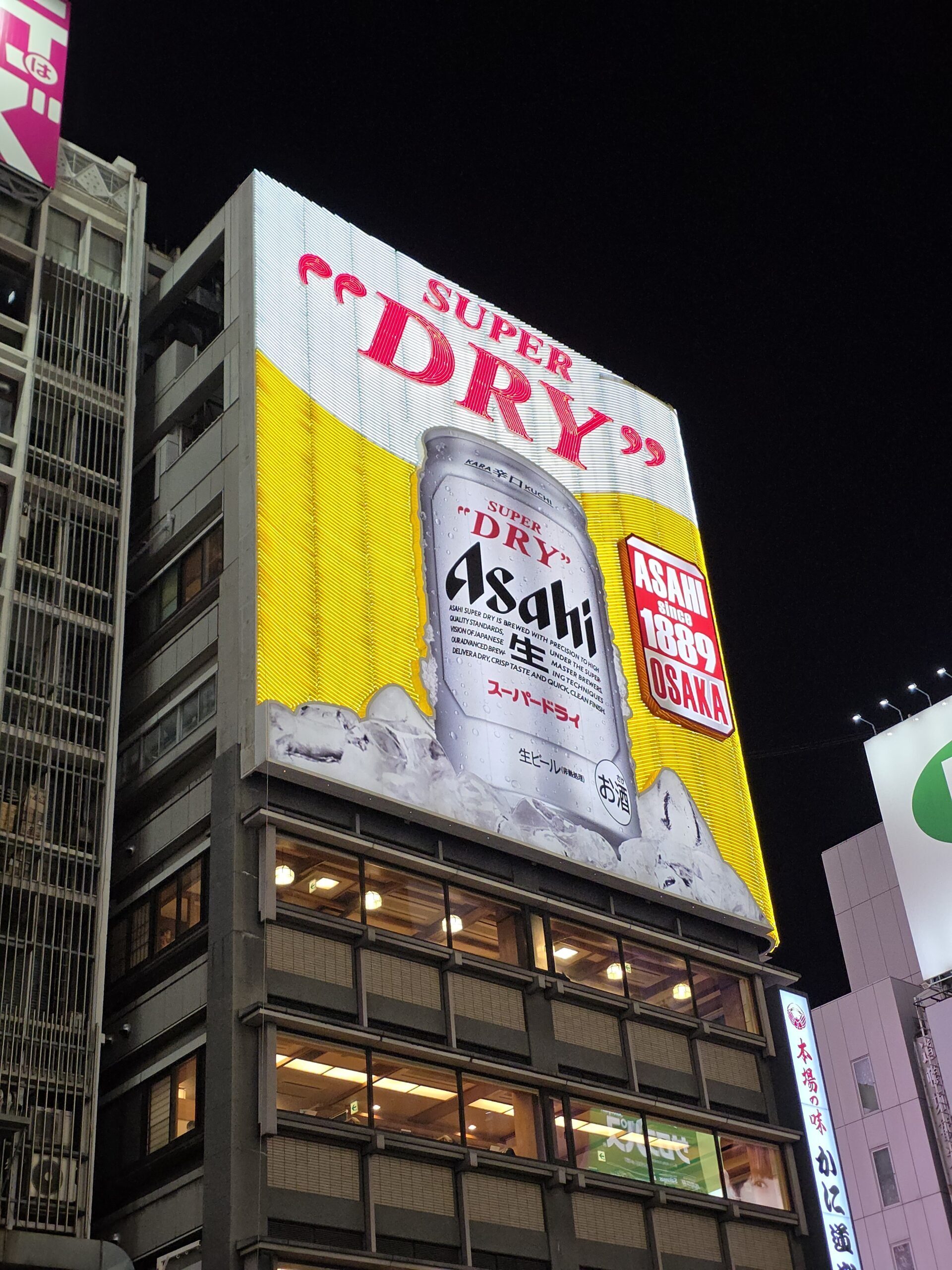
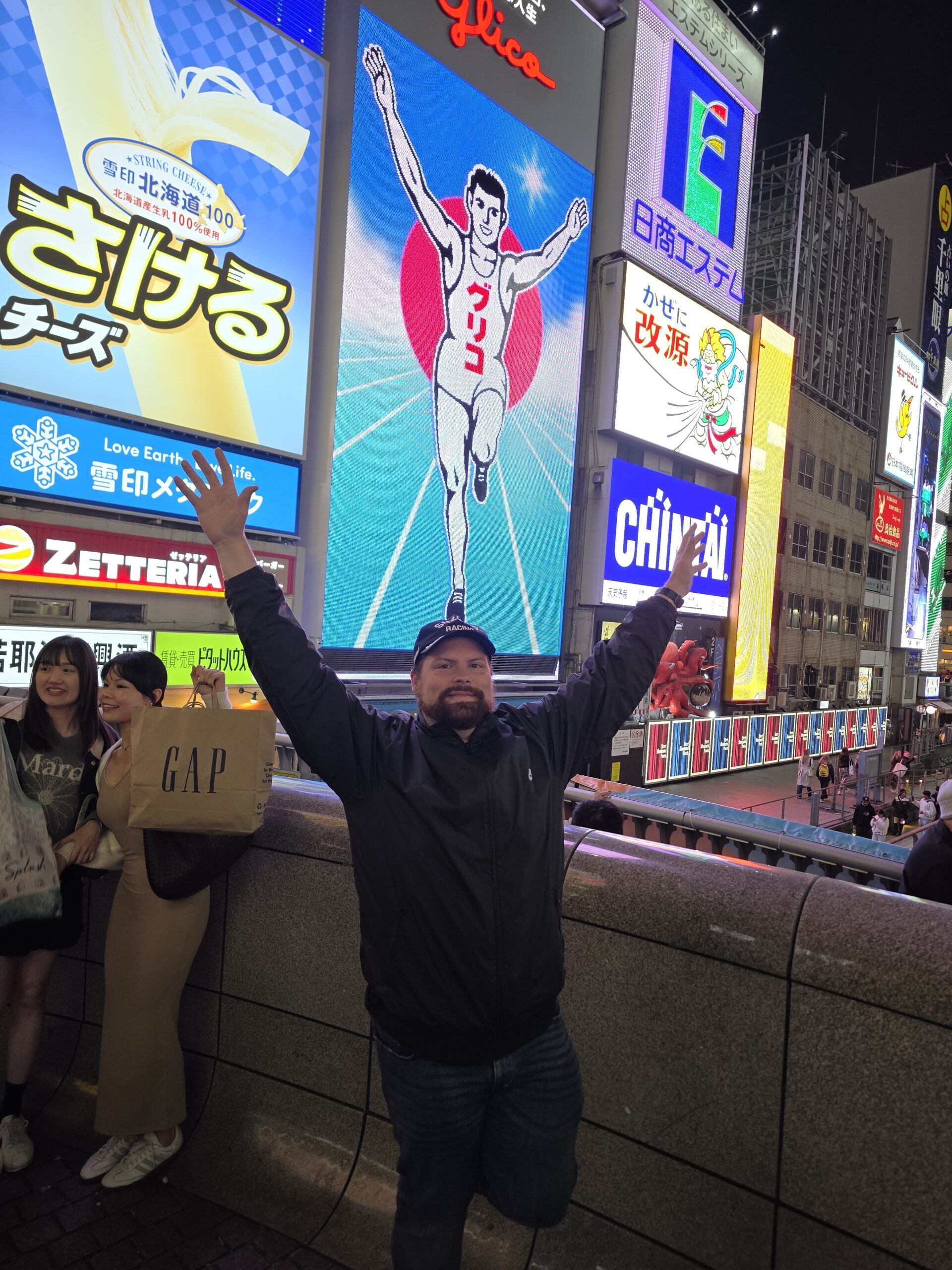
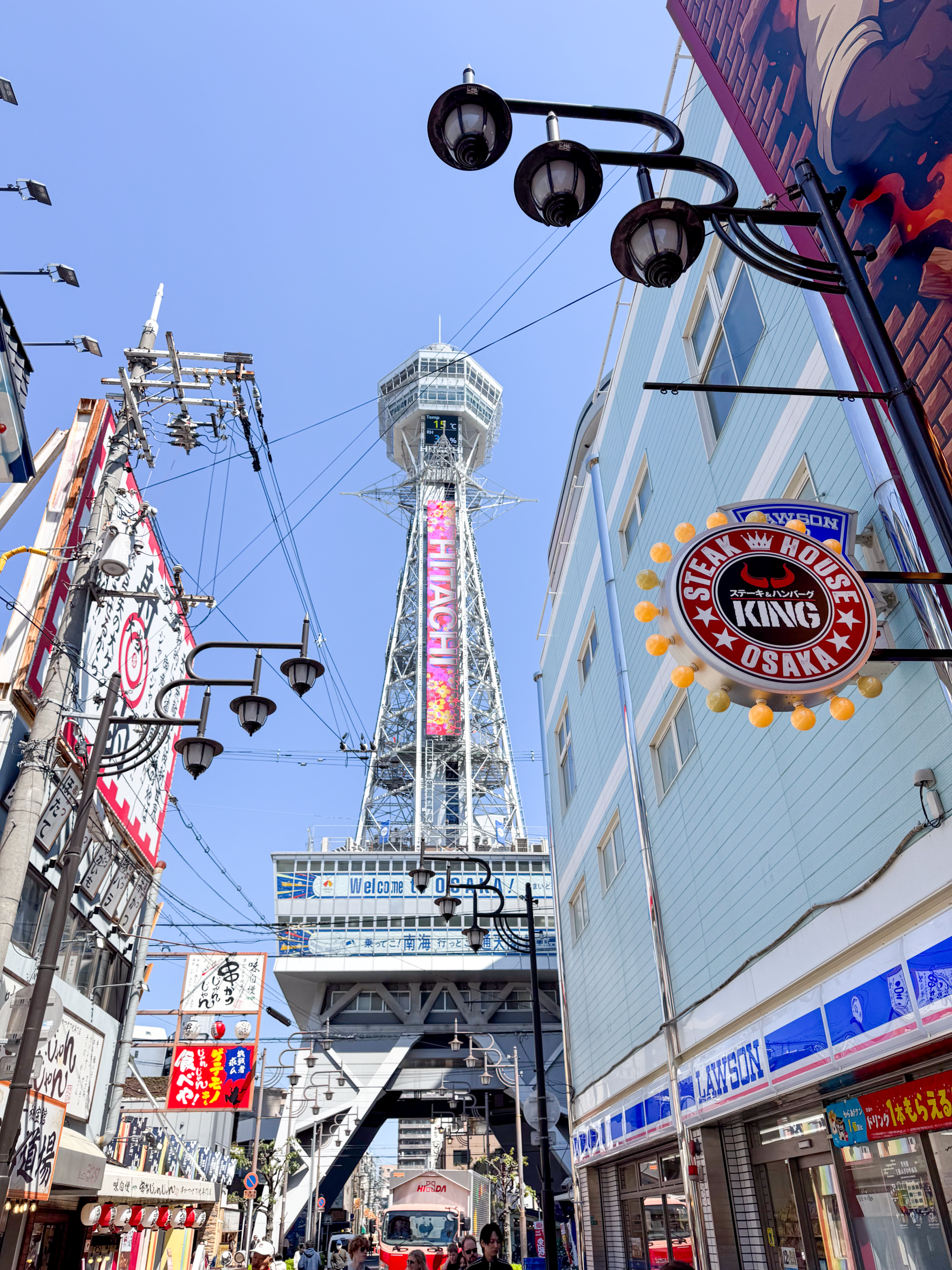
That night I took my girlfriend through Dotonbori for her first time. The inescapable neon glow, layered and stacked, reflecting off the canal and bouncing between buildings. Every restaurant competing with the next in terms of architectural commitment with massive 3D crabs, blowfish, cartoon characters, all lit up and hanging over the crowds. Everything is loud, bright, and fighting for your attention… and your money. The air smells of grilled meat, fried batter, and savory sauces. Vendors calling out with bits of music bleeding out from storefronts. People moving shoulder to shoulder, stopping abruptly in front of you for food, photos, whatever catches their eye next. She loved the street food and the chaotic vibe immediately. Osaka doesn’t ease you in. It just hits you all at once.
“Shattering” Expectations
The following day we visited Kyoto, and my girlfriend had been waiting for this one. I had fallen for Kyoto on my last trip so hard that I went back twice in the same week.
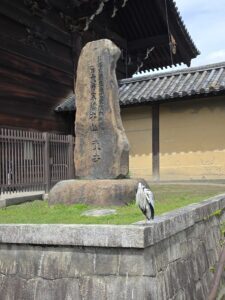
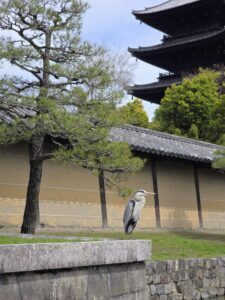
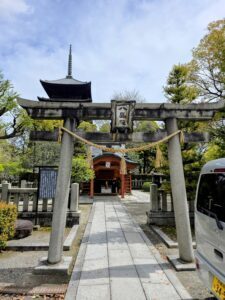
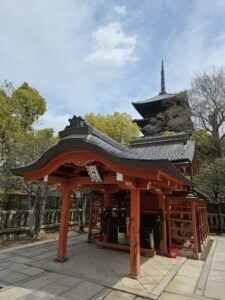
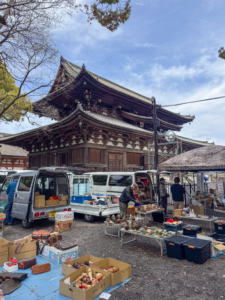
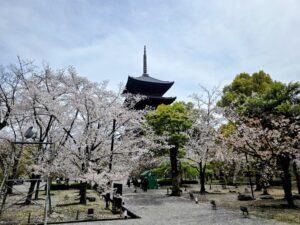
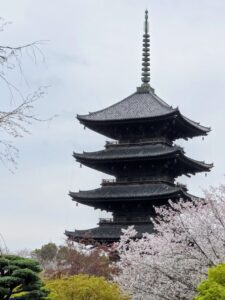
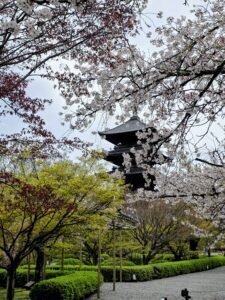
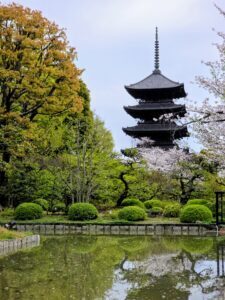
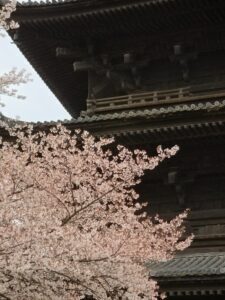
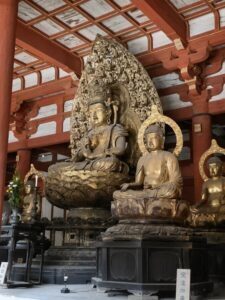
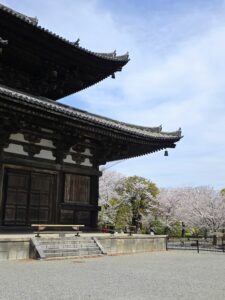
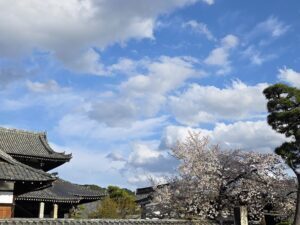
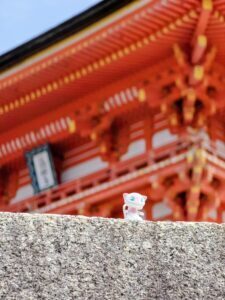
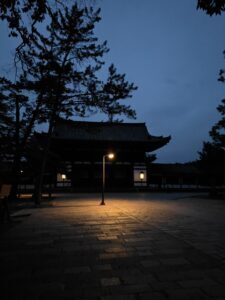
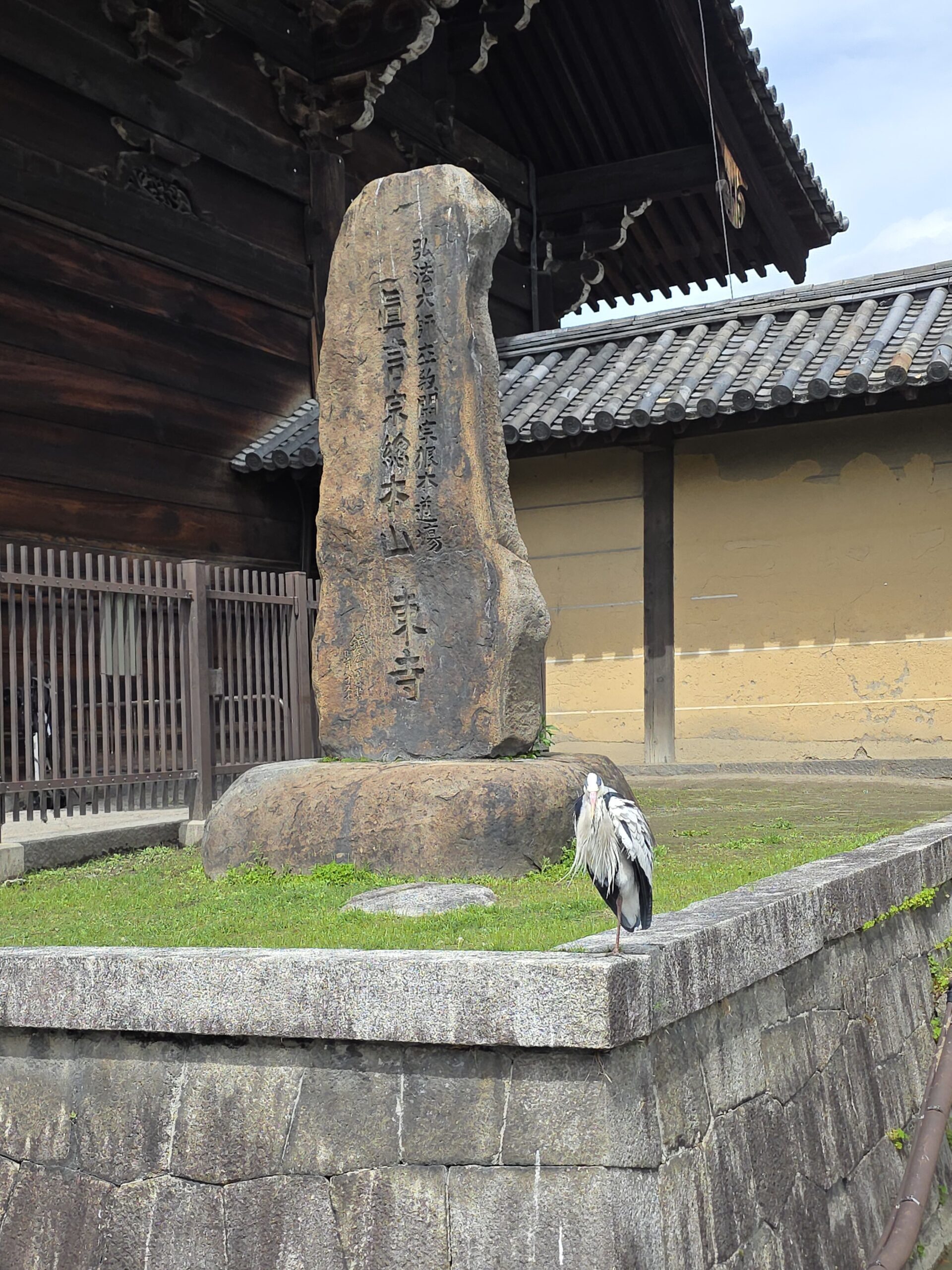
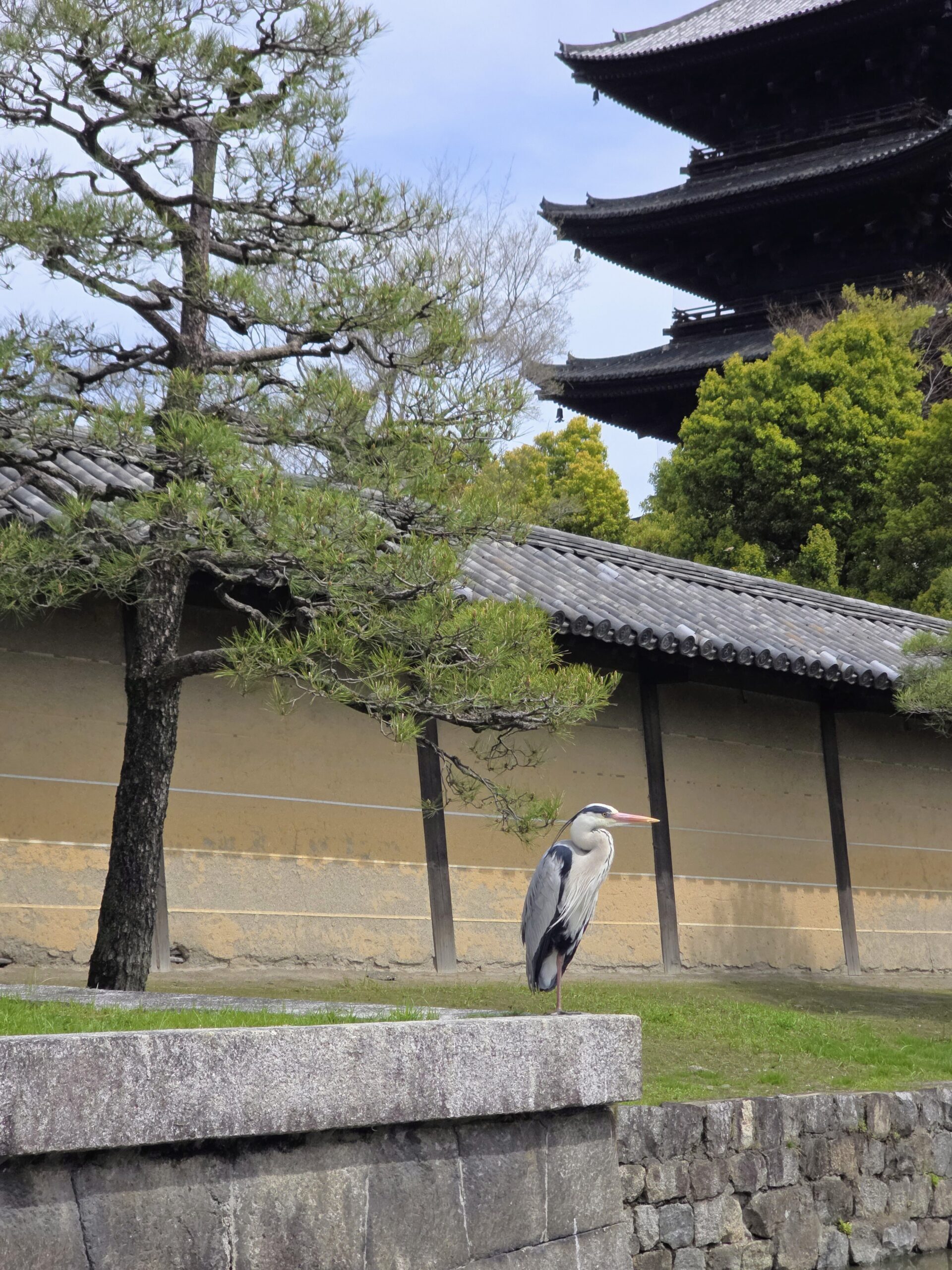
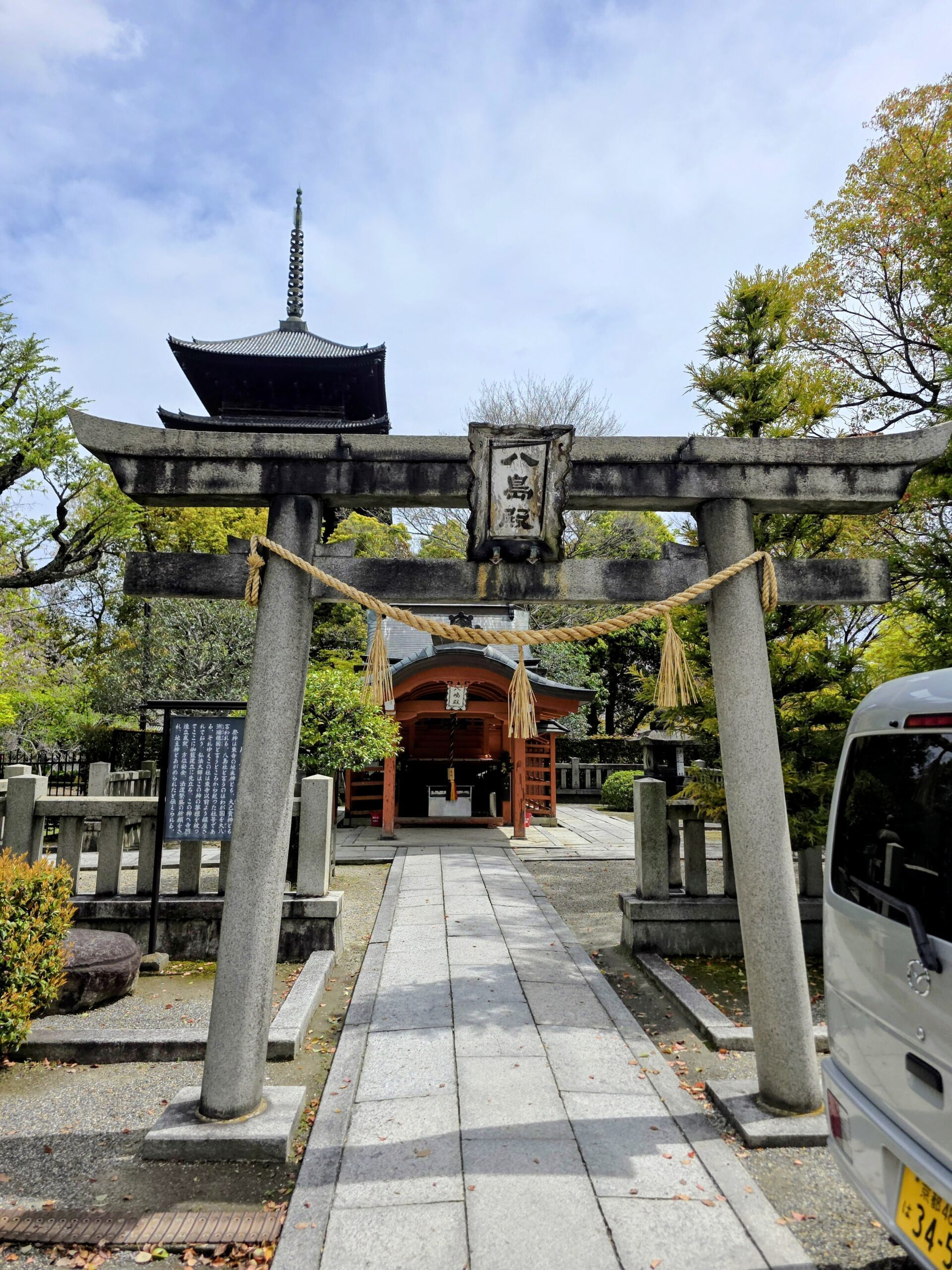
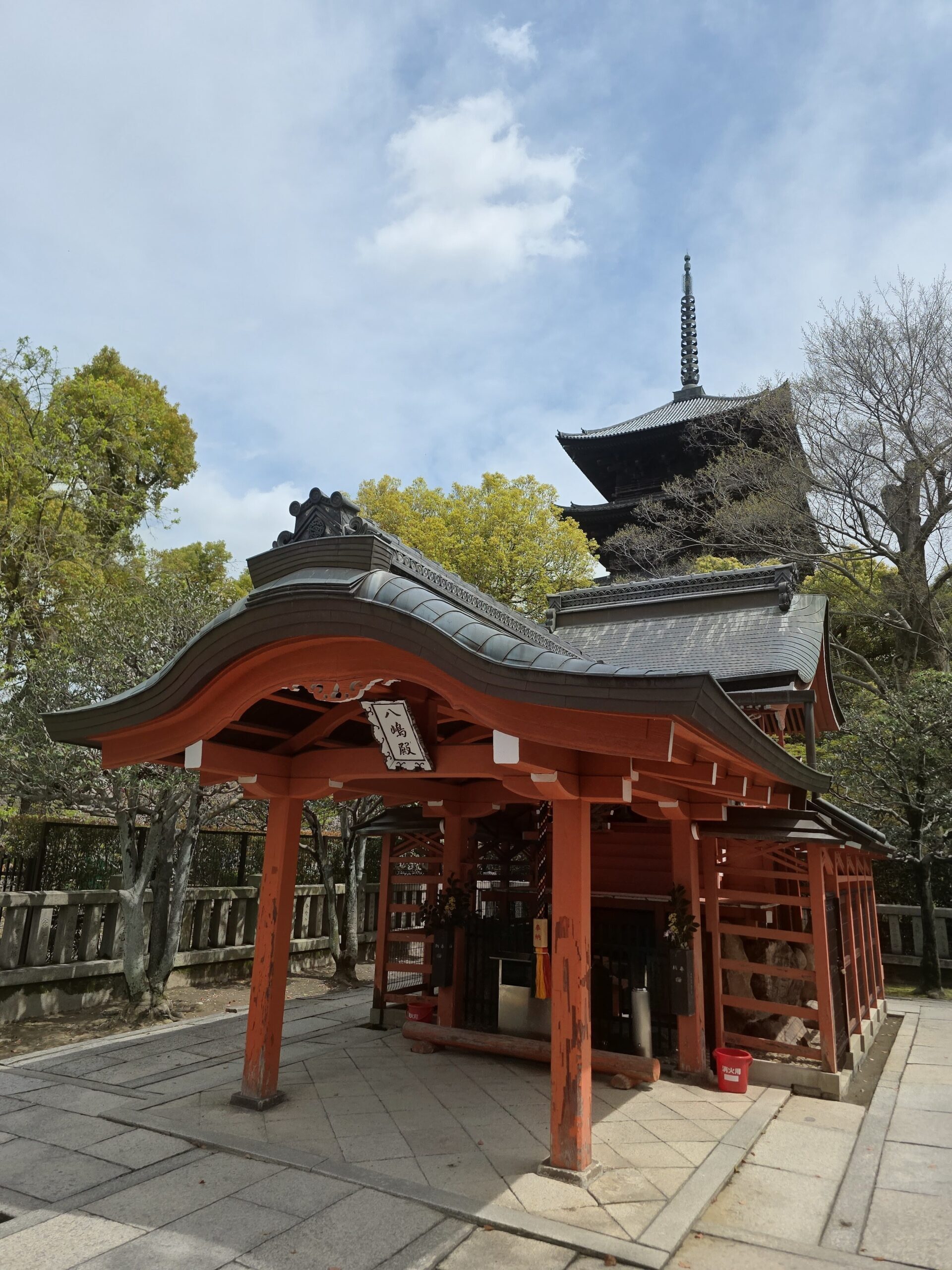
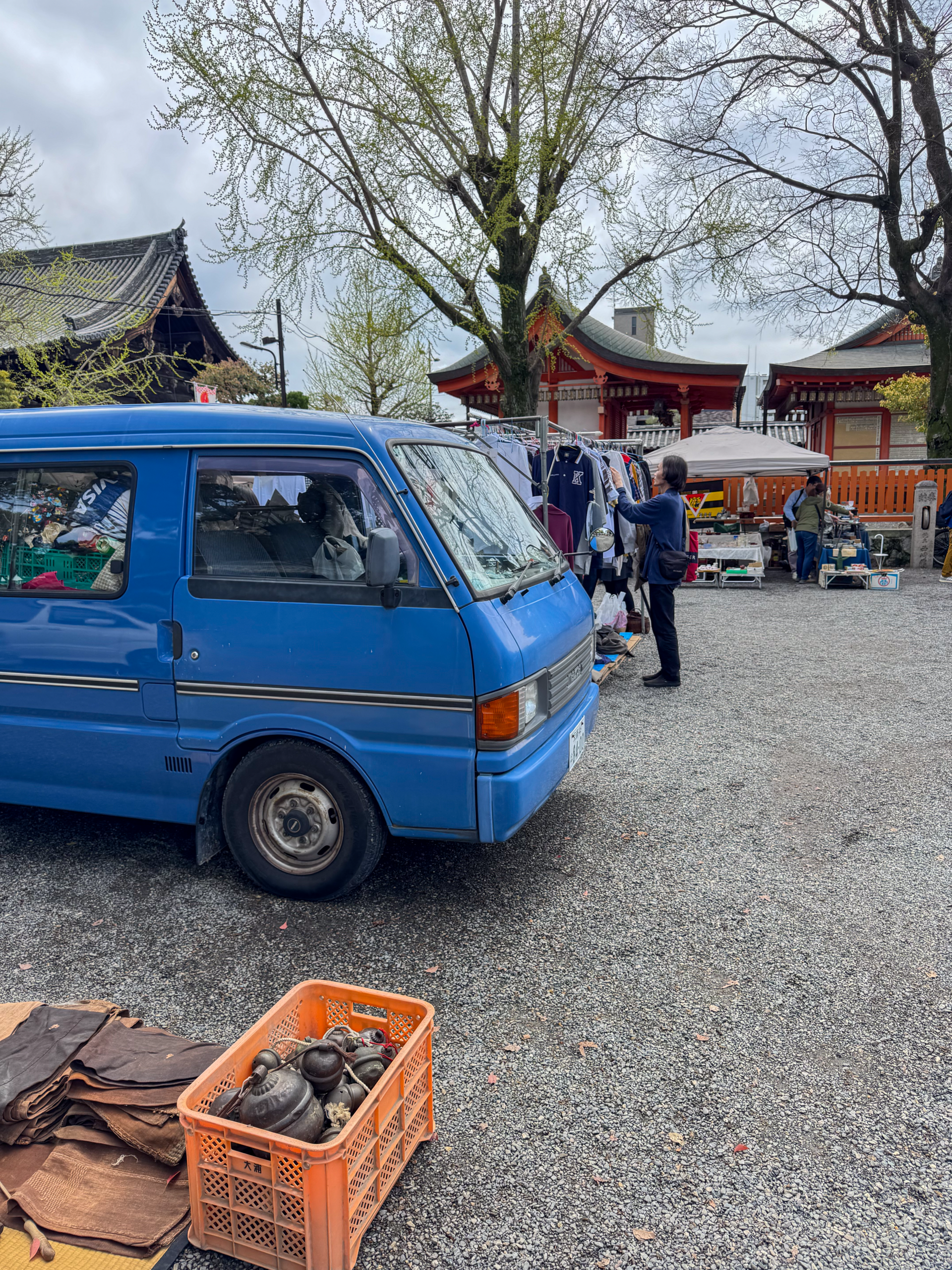
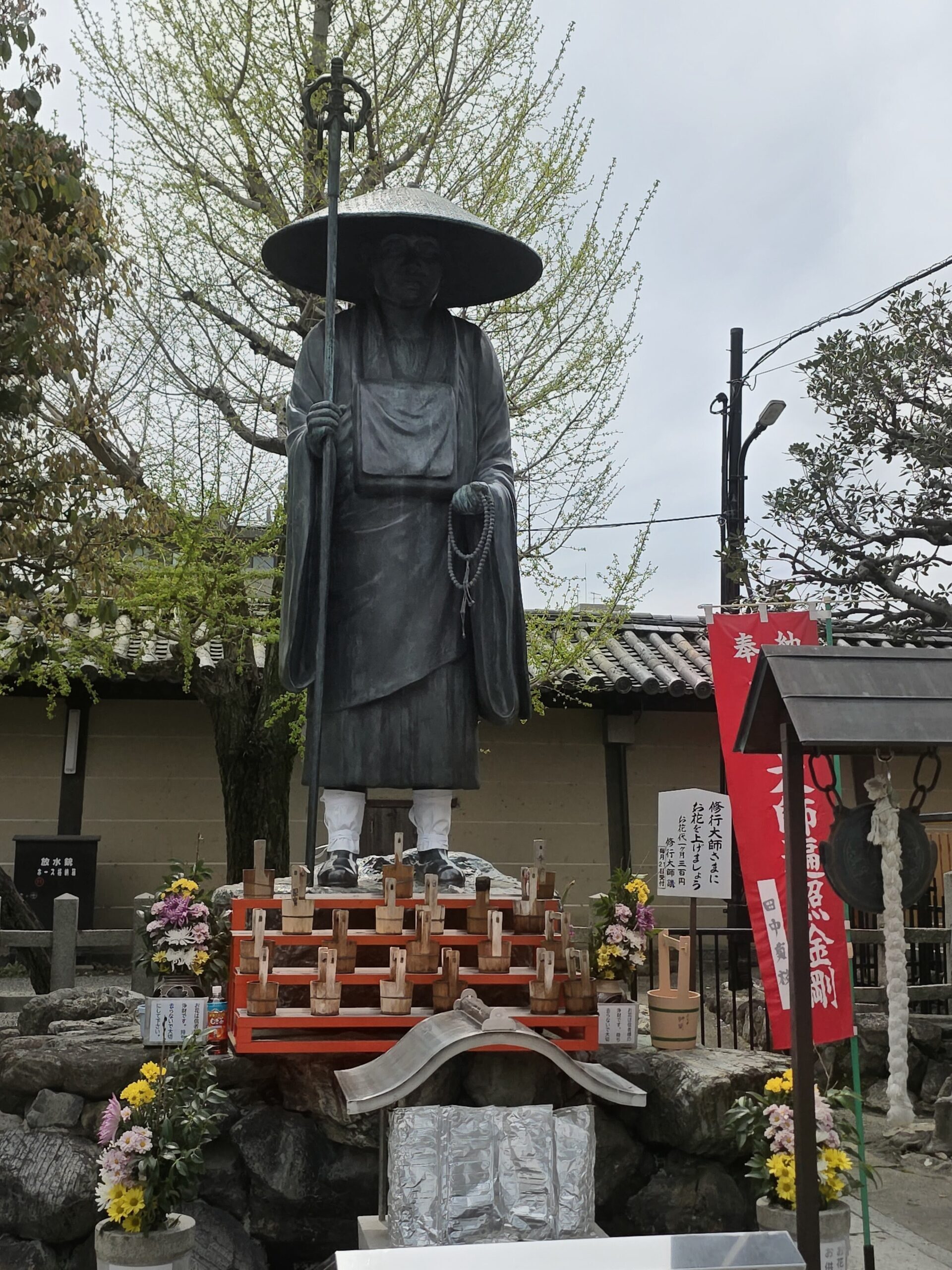
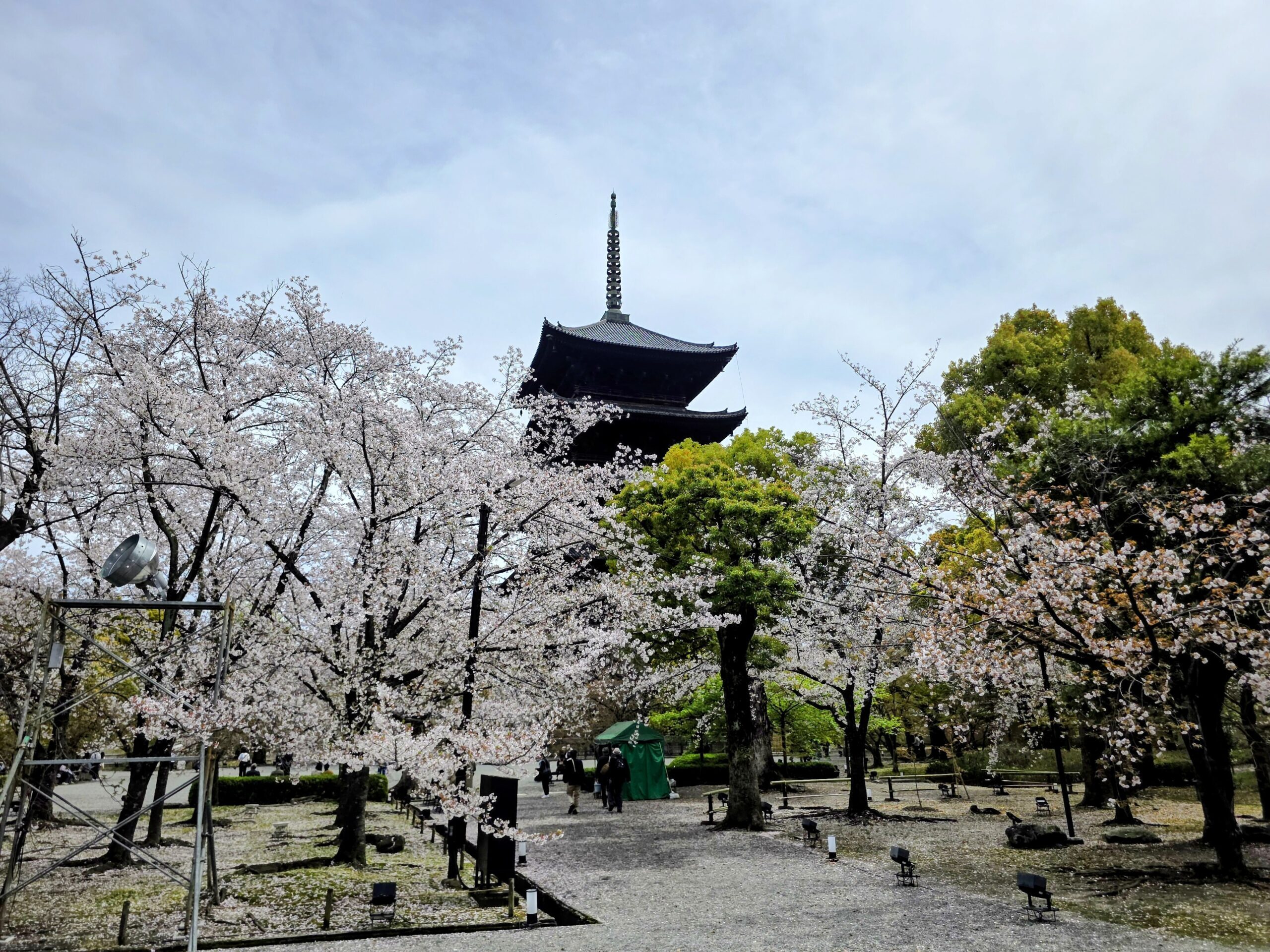
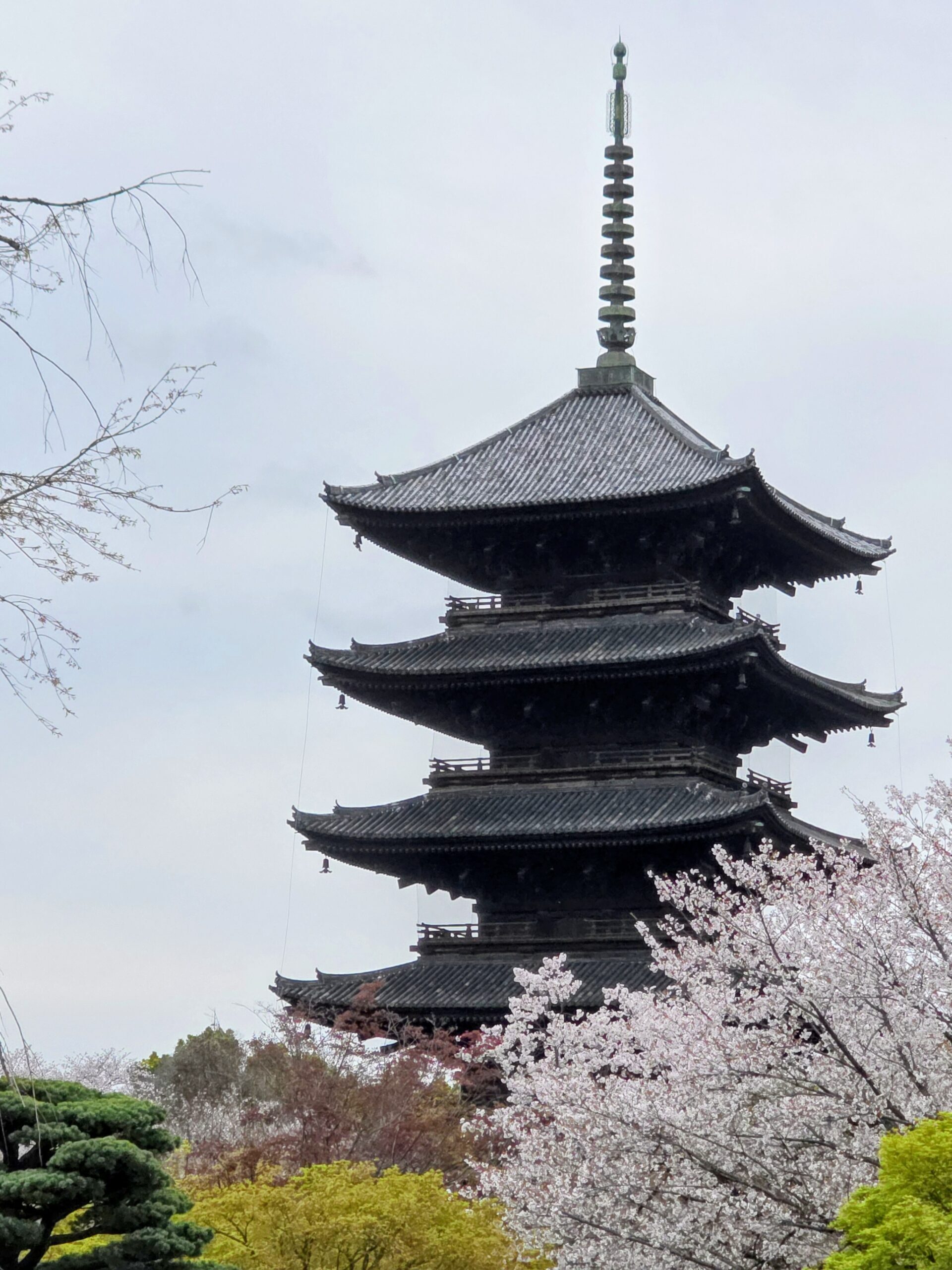
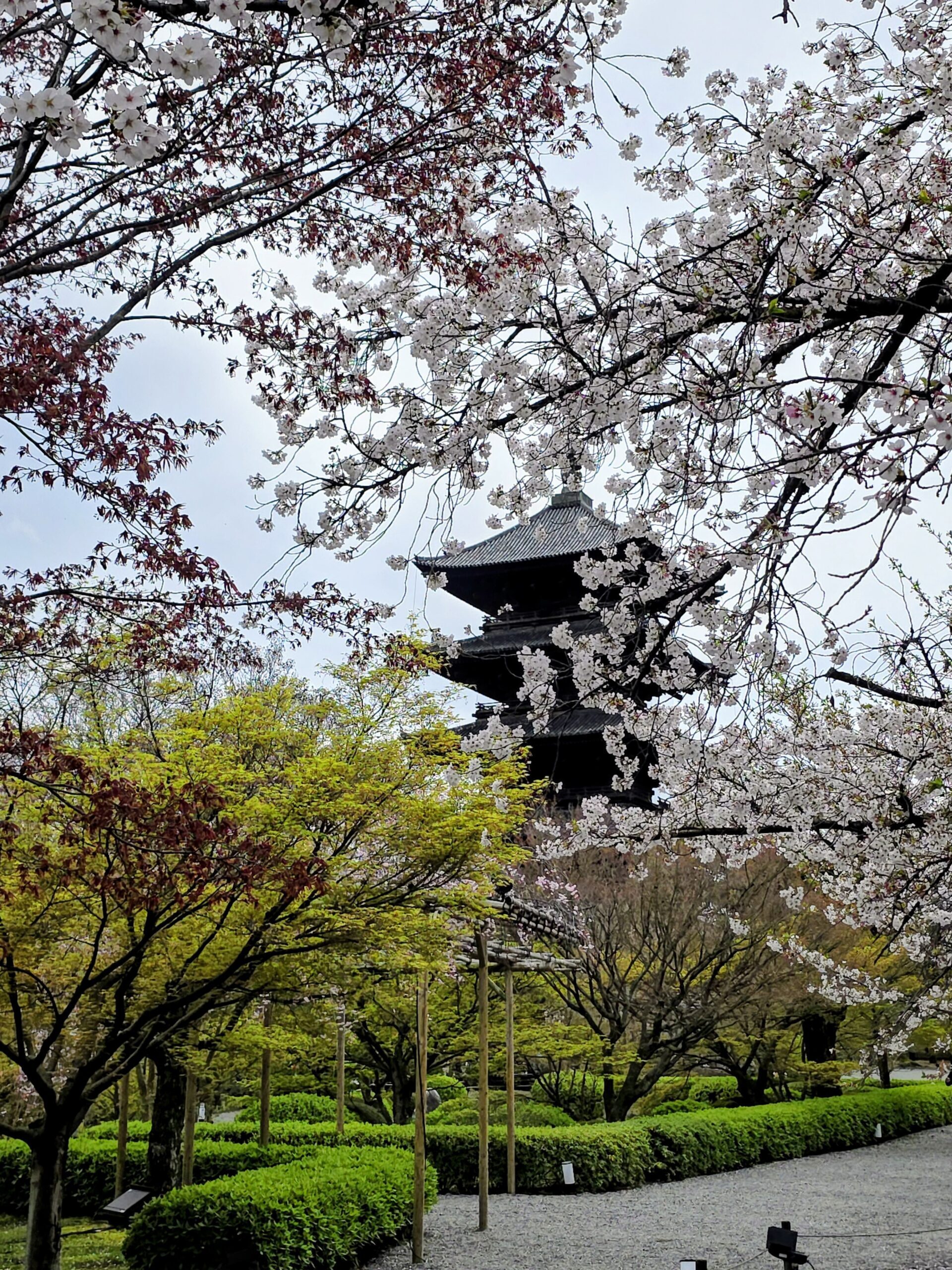
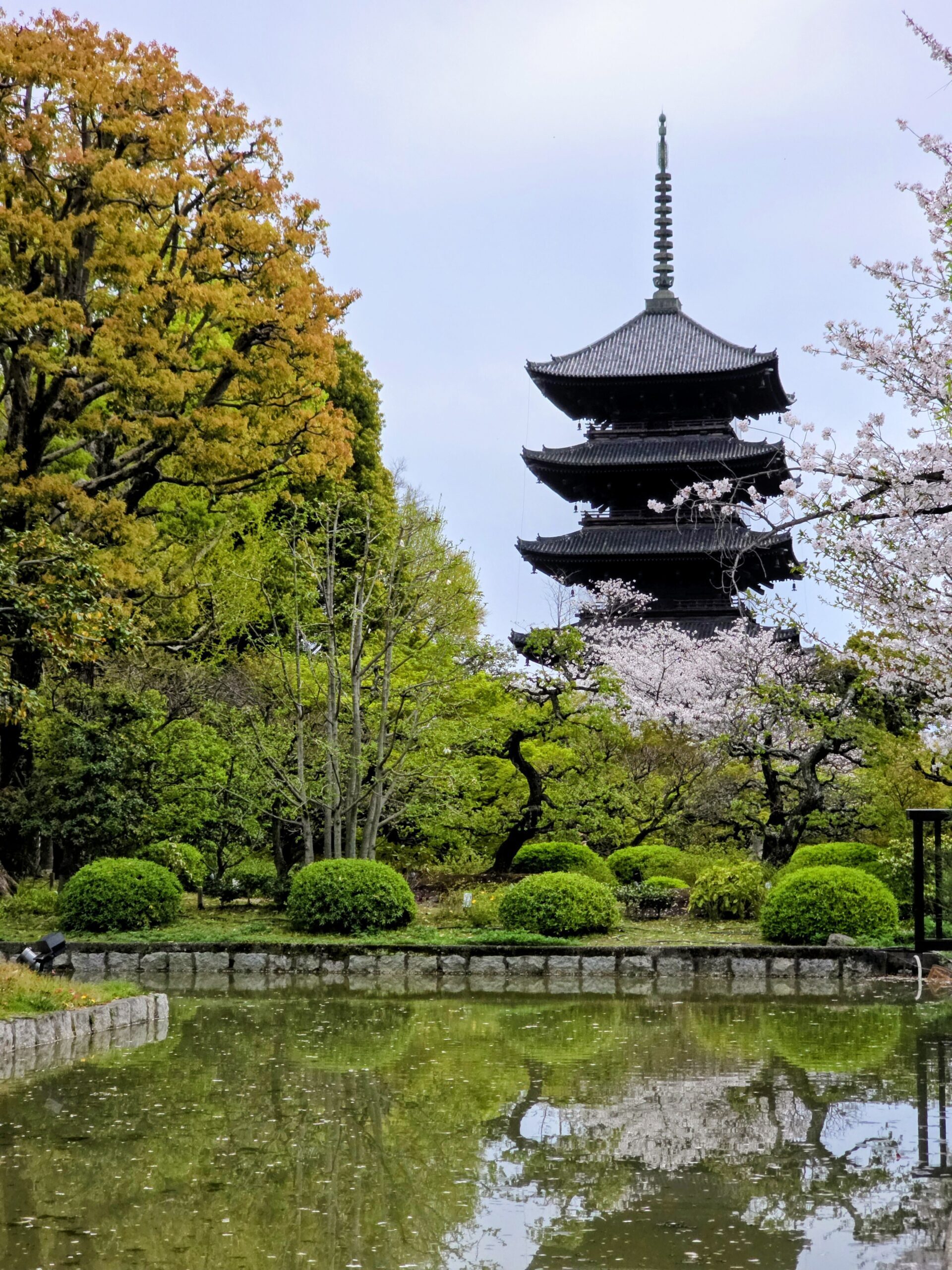
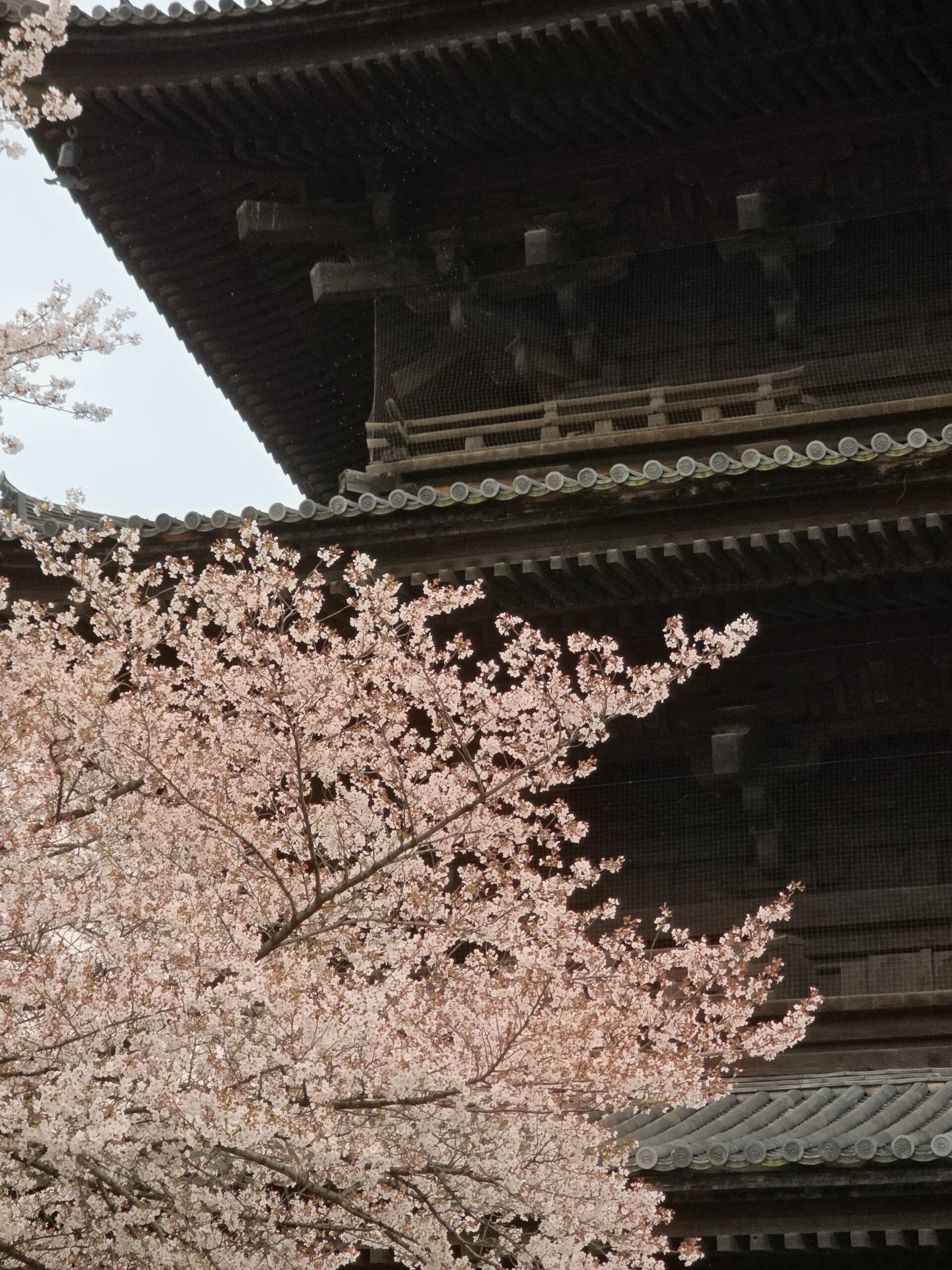
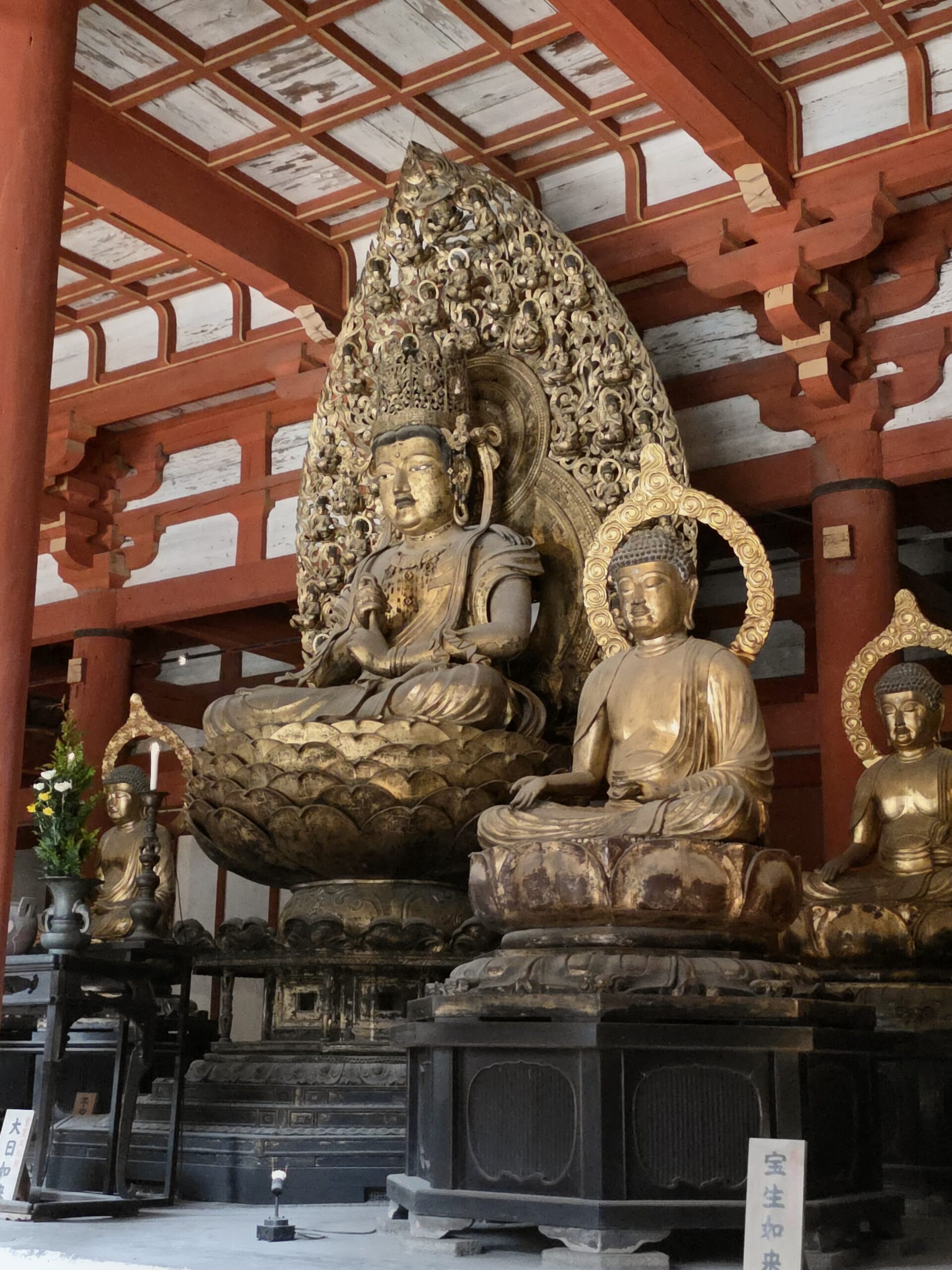
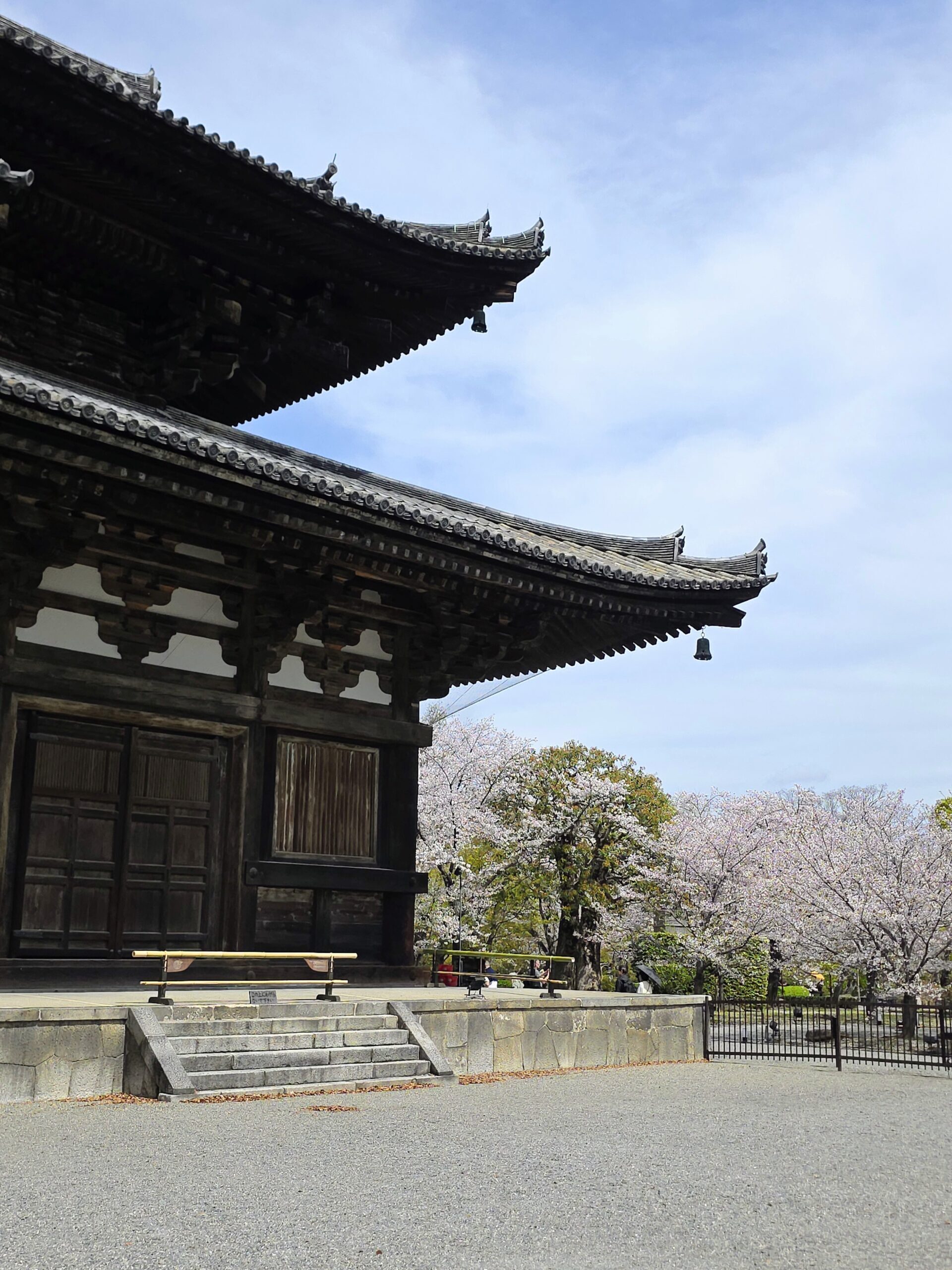
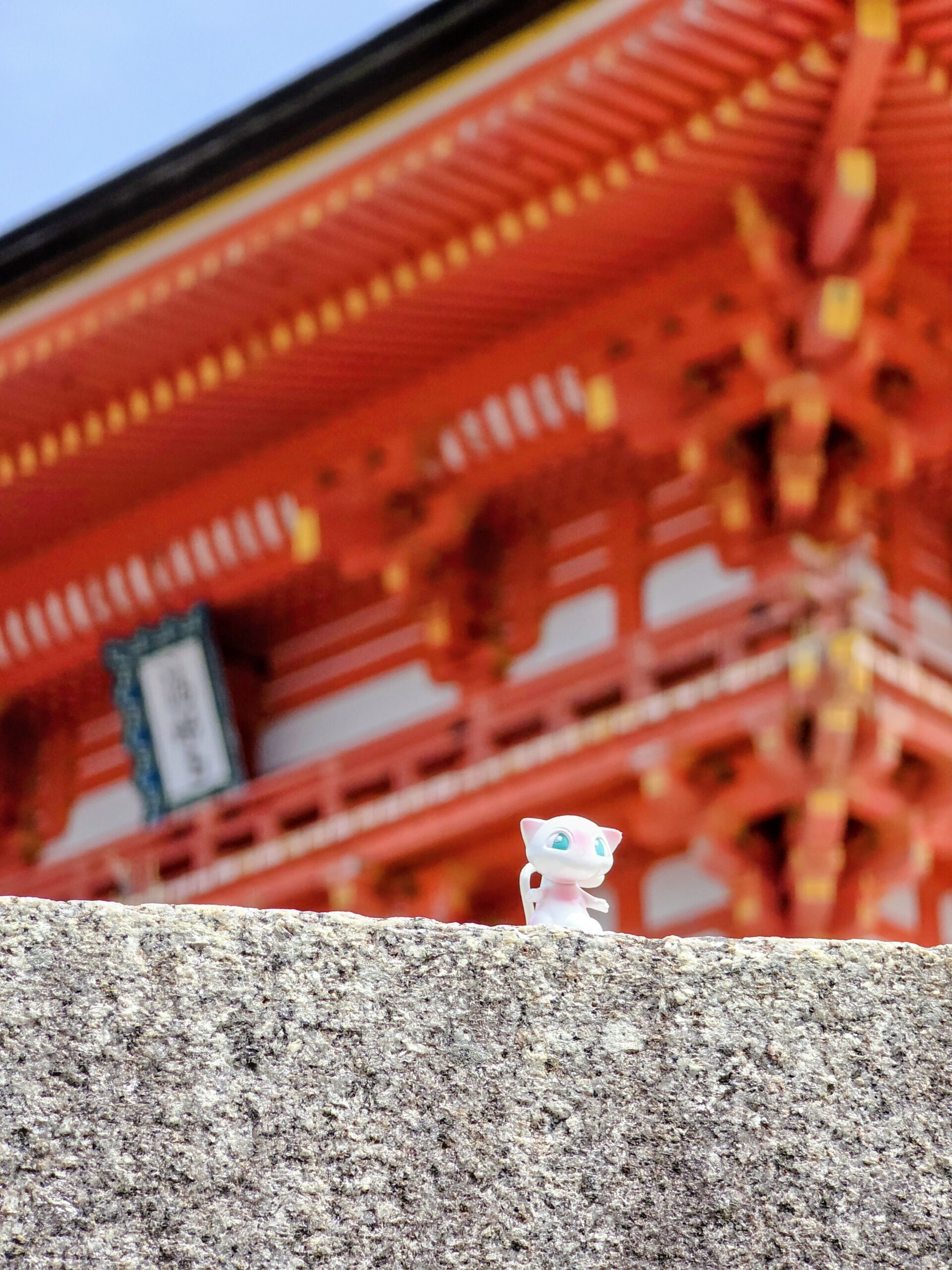
We started at Tō-ji Temple, one of the most historically significant sites in all of Japan. Founded in 796 AD, it was built alongside the construction of the Heian-kyō capital and later entrusted to the monk Kūkai, founder of Shingon Buddhism. The temple’s five-story, 55-meter pagoda is the tallest wooden pagoda in Japan and has stood in some form for over 1,200 years.
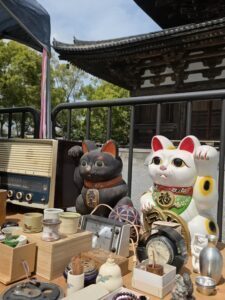
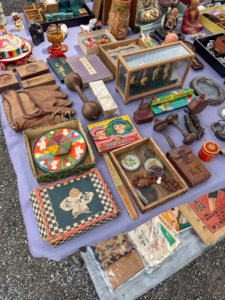
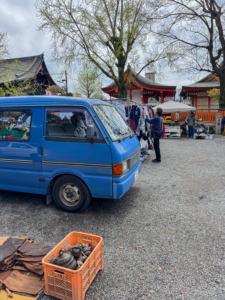
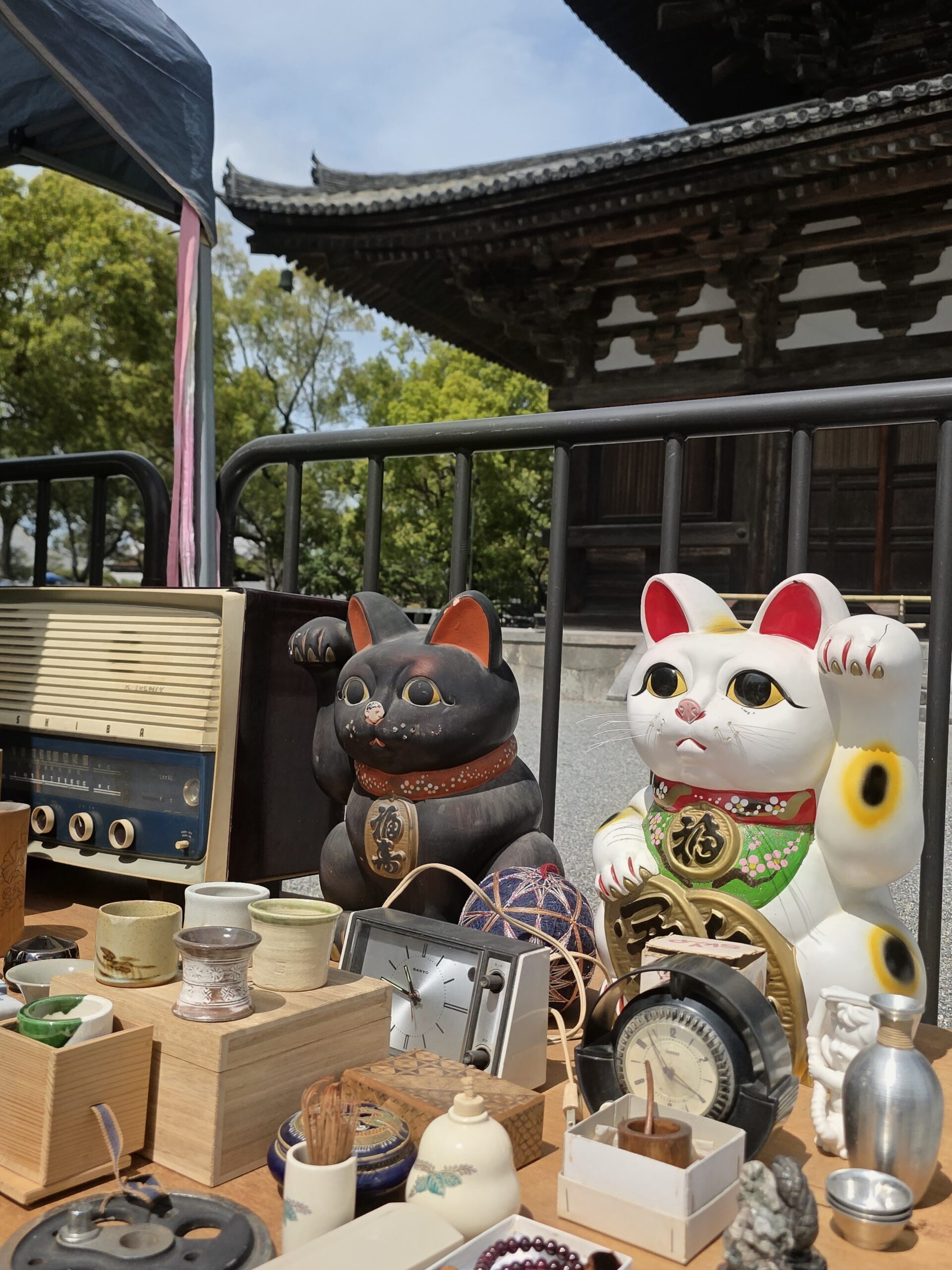
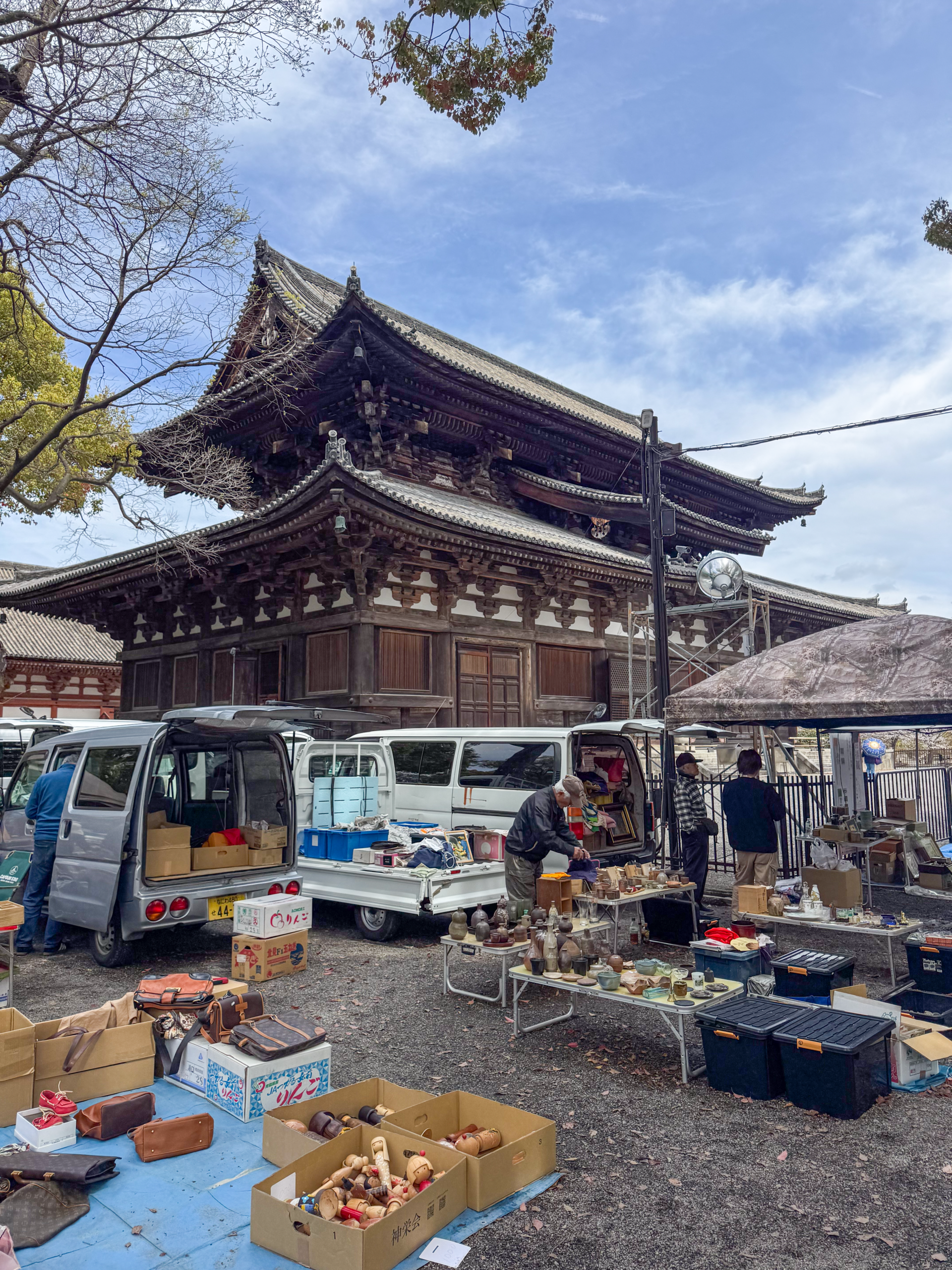
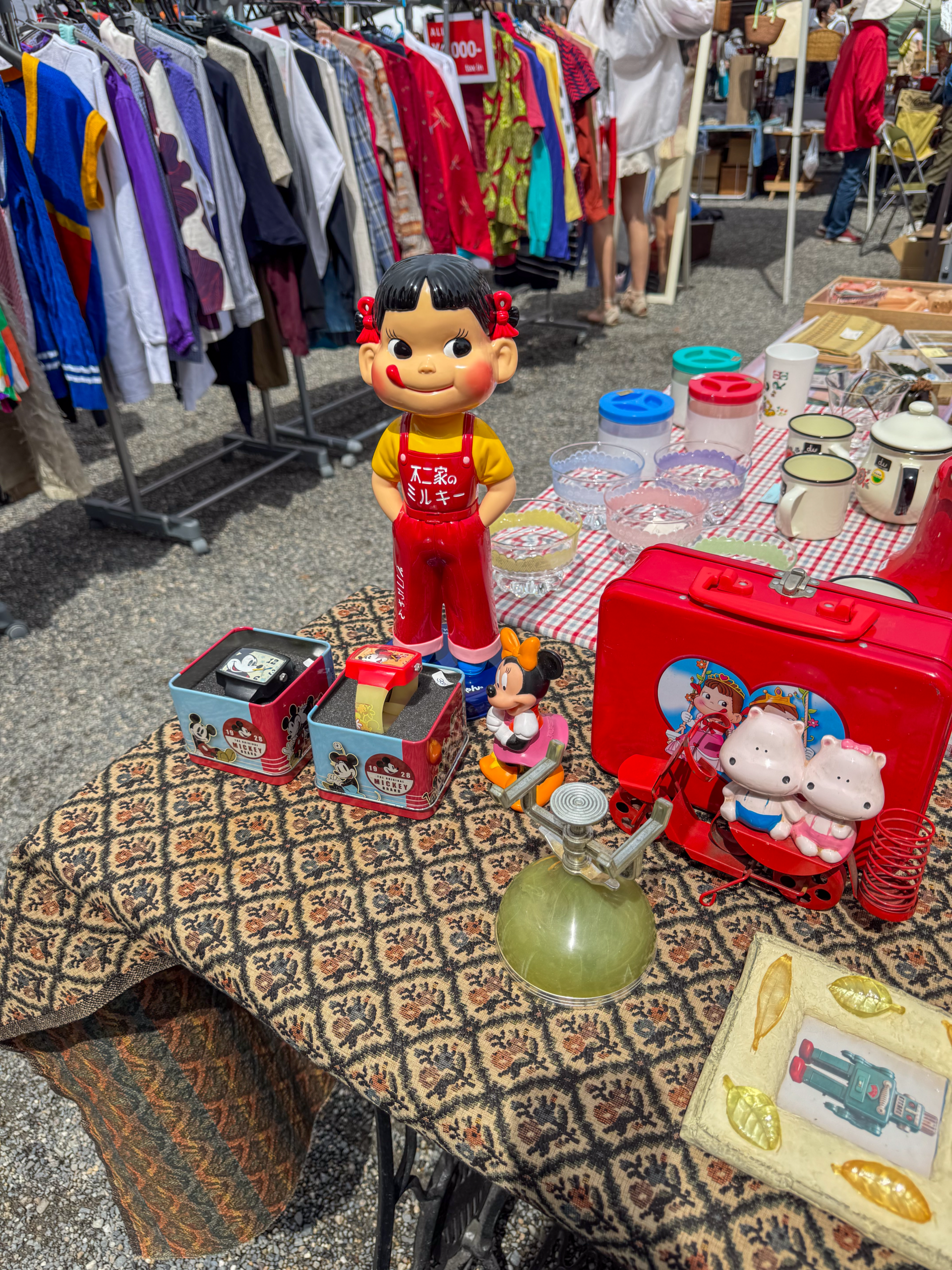
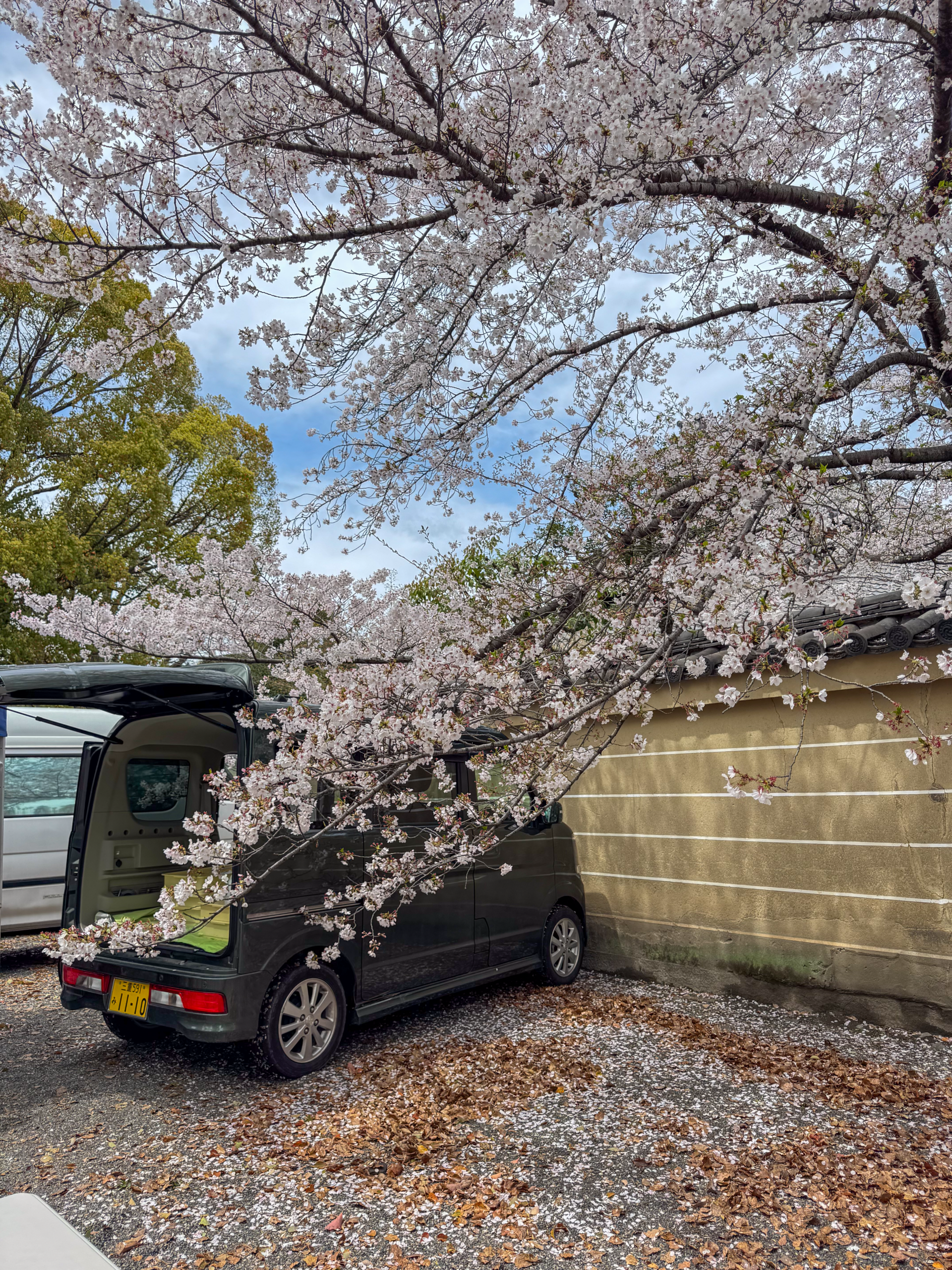
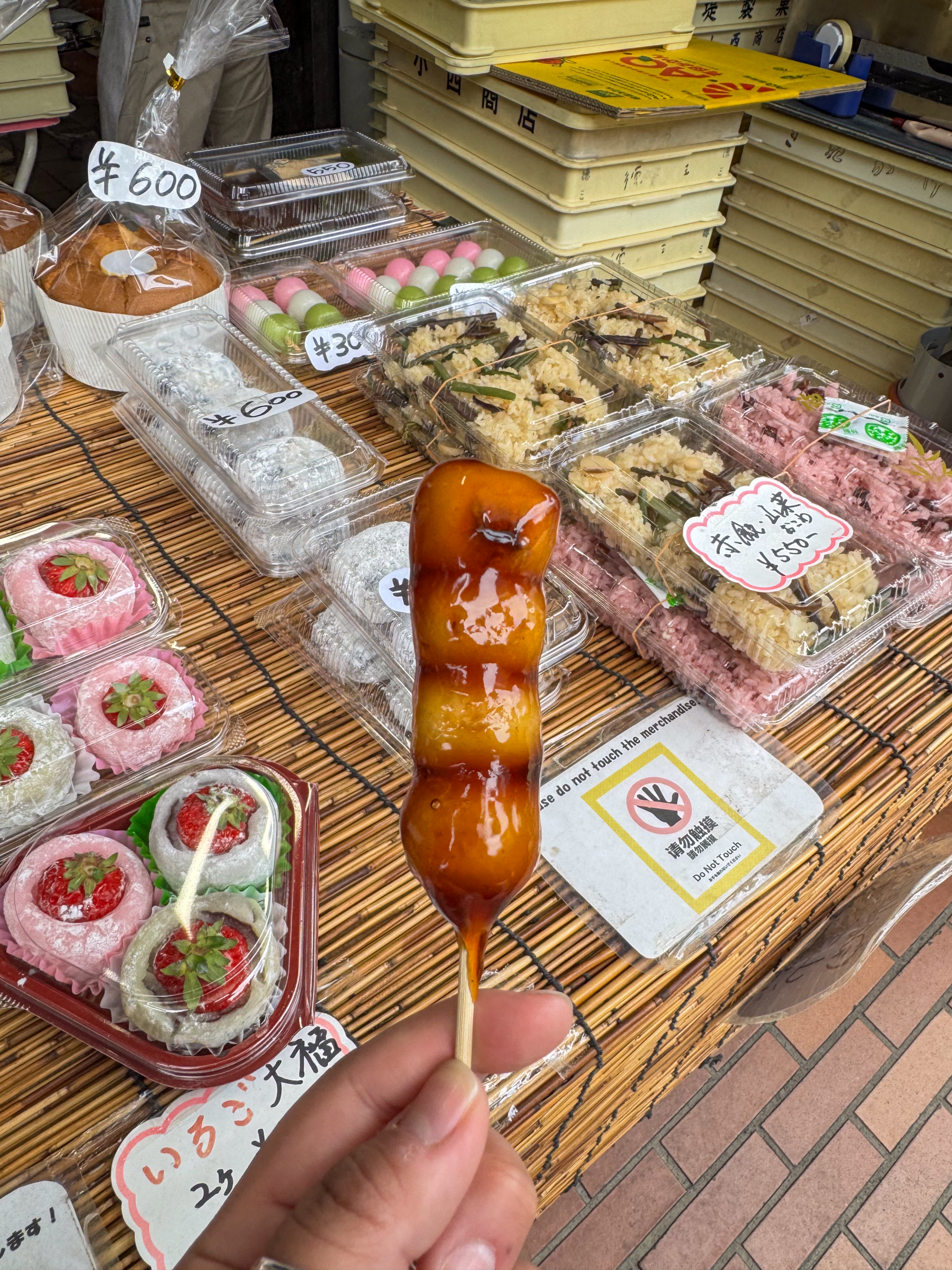
What we didn’t know was what we were about to stumble onto. Tucked across the temple grounds was a flea market bursting with hundreds of vendors spread beneath cherry blossoms in full bloom. Mostly Japanese, very few tourists. We were greeted near the entrance by an older woman selling coffee and tea from a small setup. I got a coffee, found a spot, and just took it all in before diving into the stalls.
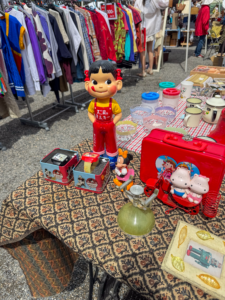
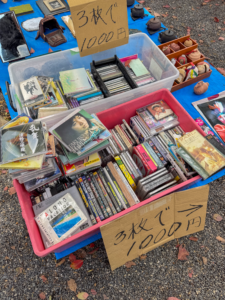
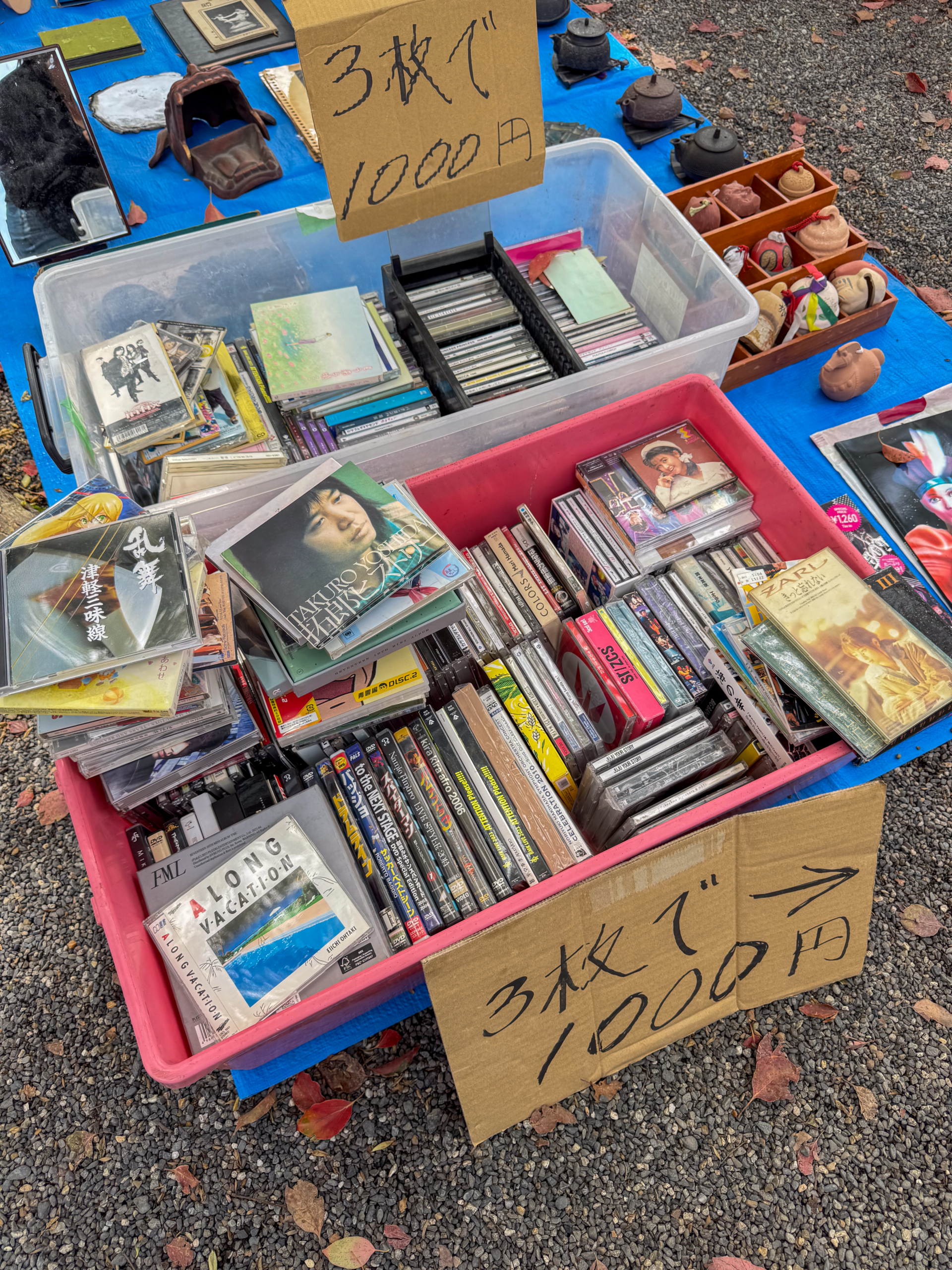
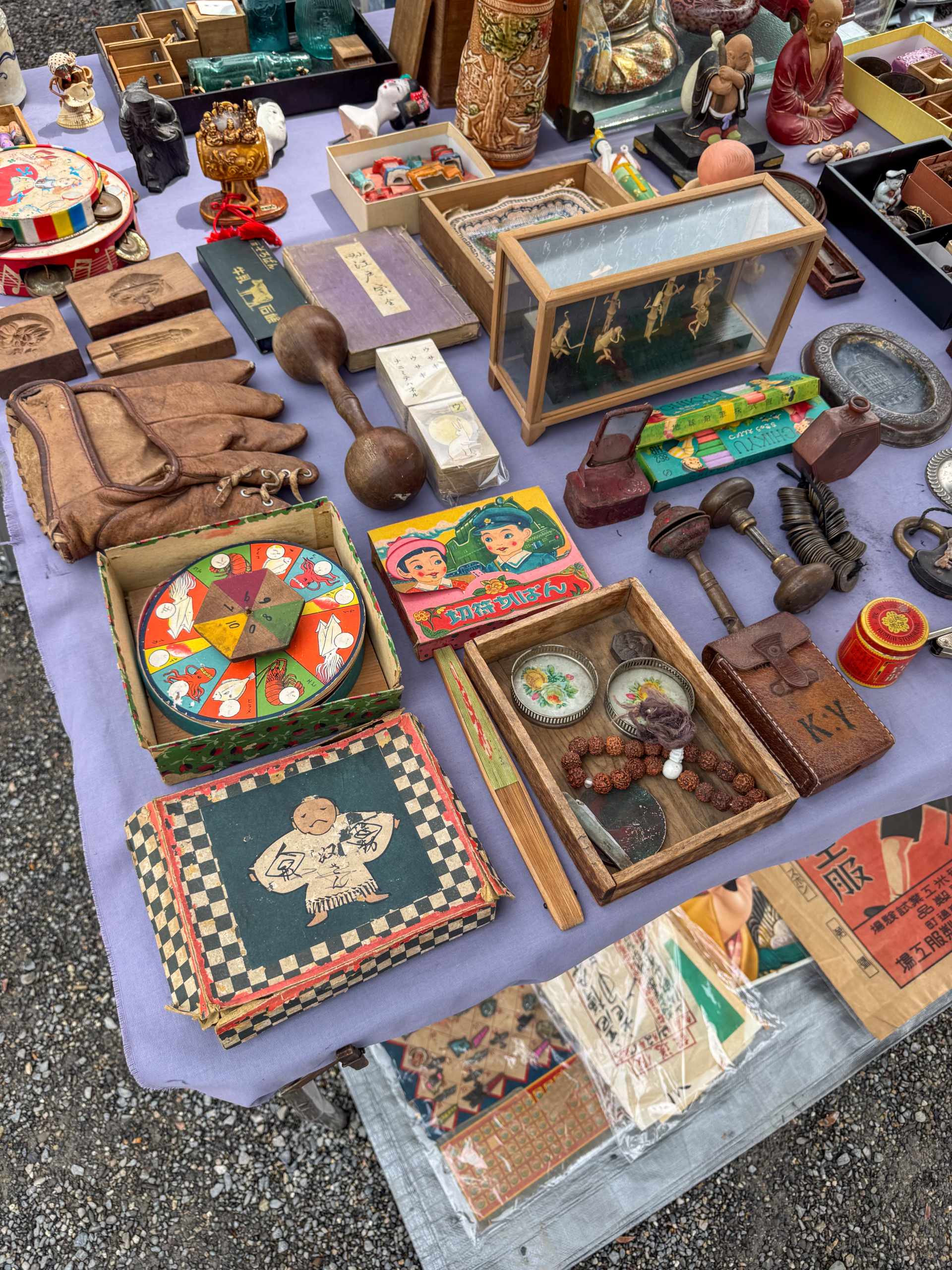
Then we combed through the market for a long time. Old neon signs from the ’80s. Vintage audio equipment. Retro toys. Kimonos. Swords. Ceramic cookware. Every table had a story. As a collector of foreign currency, I was excited to find coins for sale. I picked up some Kan’ei Tsūhō — copper coins minted during the Tokugawa era in the 1600s — and a 1-sen coin from the 13th year of the Meiji era (1880). Holding something that old in your hand, at a flea market under cherry blossoms next to a 1,200-year-old pagoda, is a uniquely Japanese experience. Possibly the single most memorable moment of the entire trip.
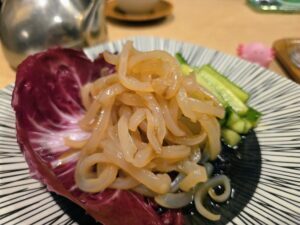
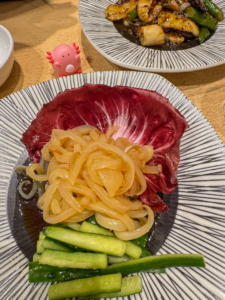
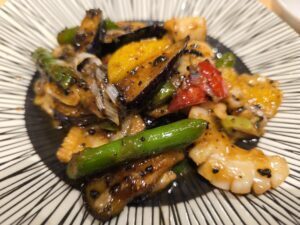
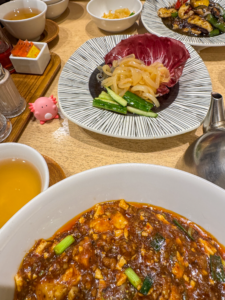
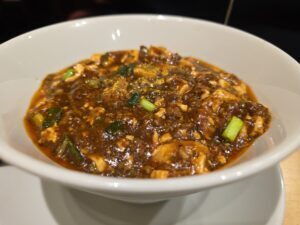
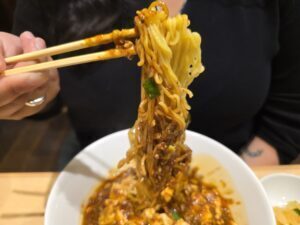
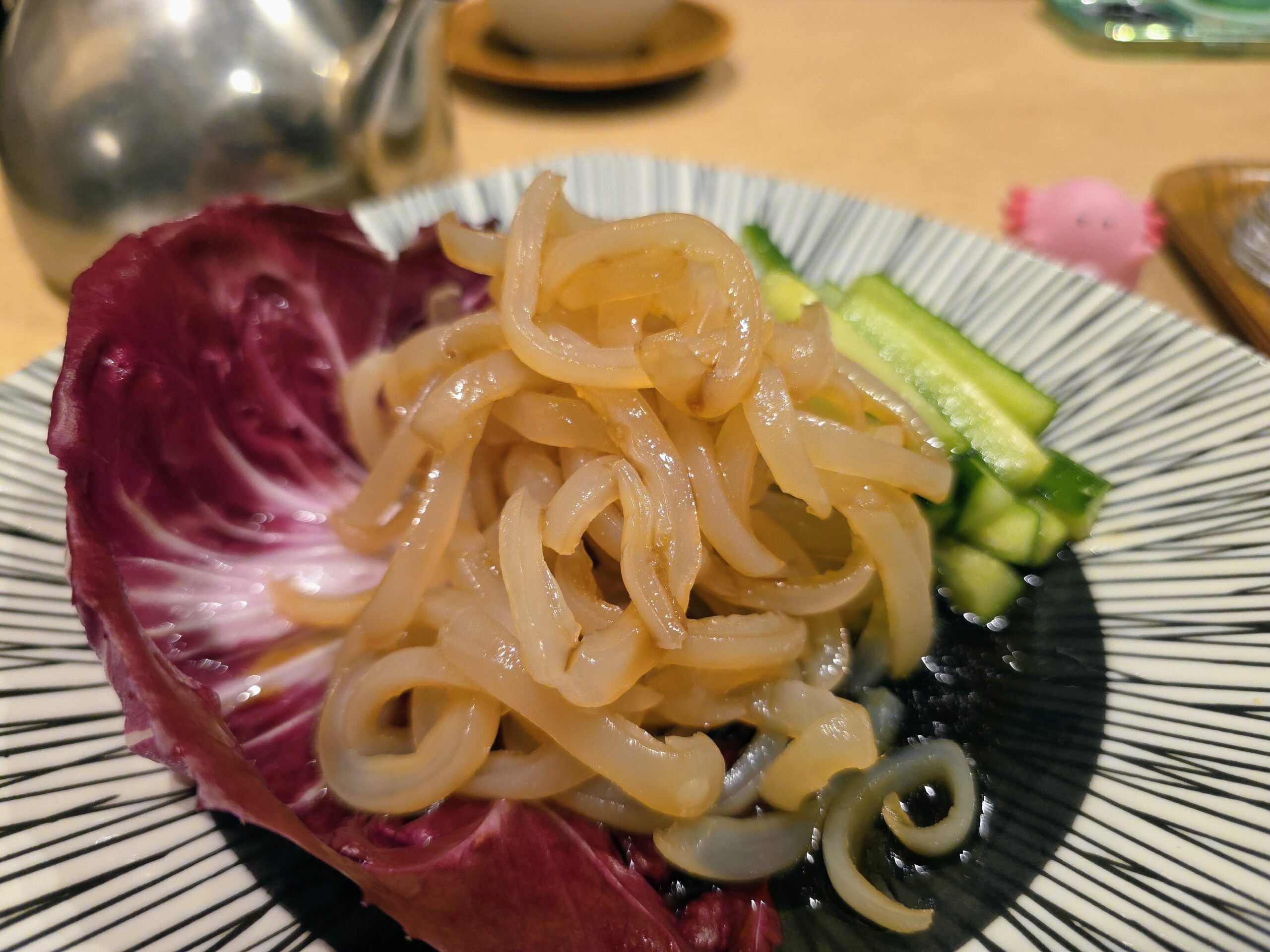
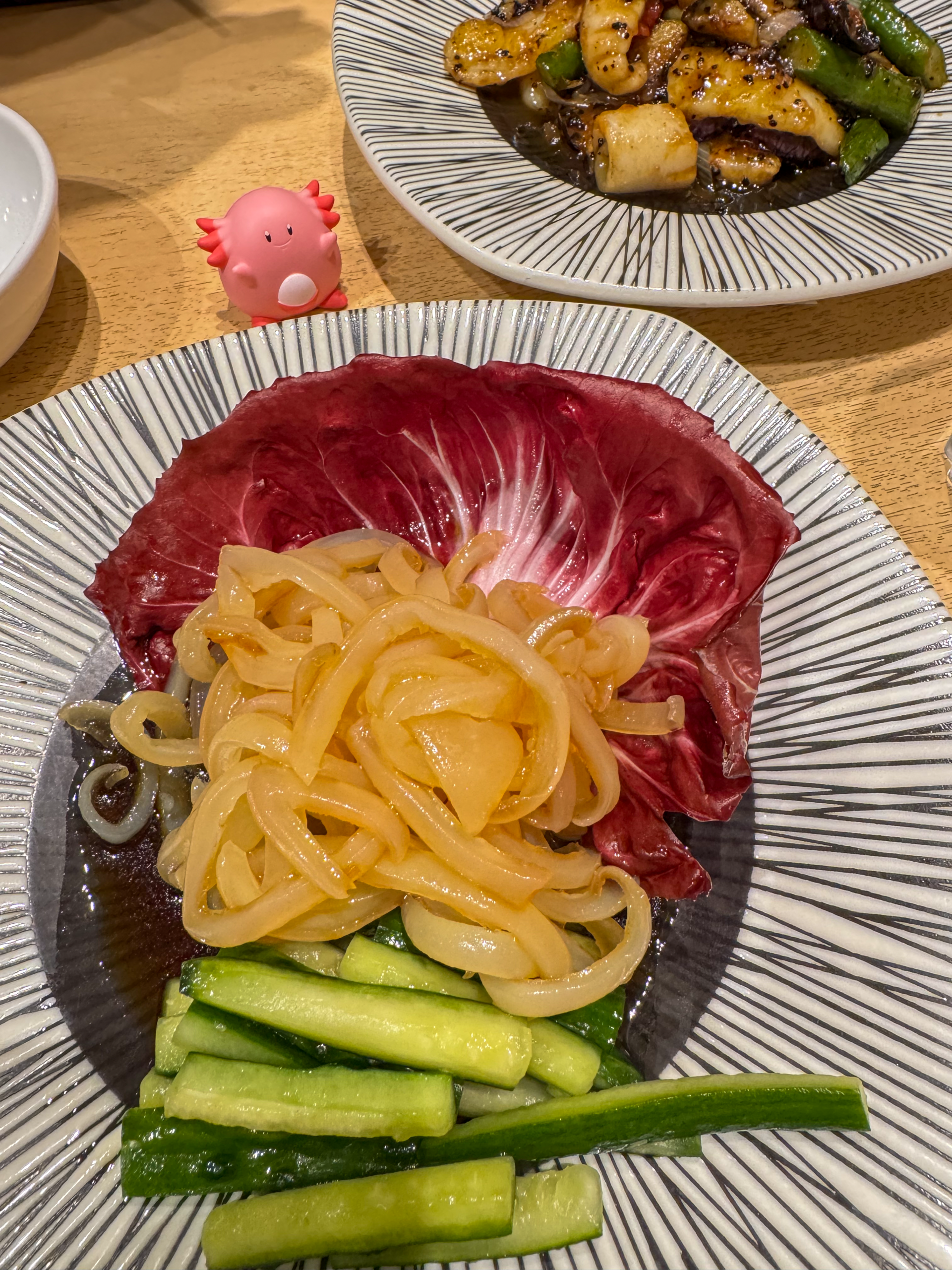
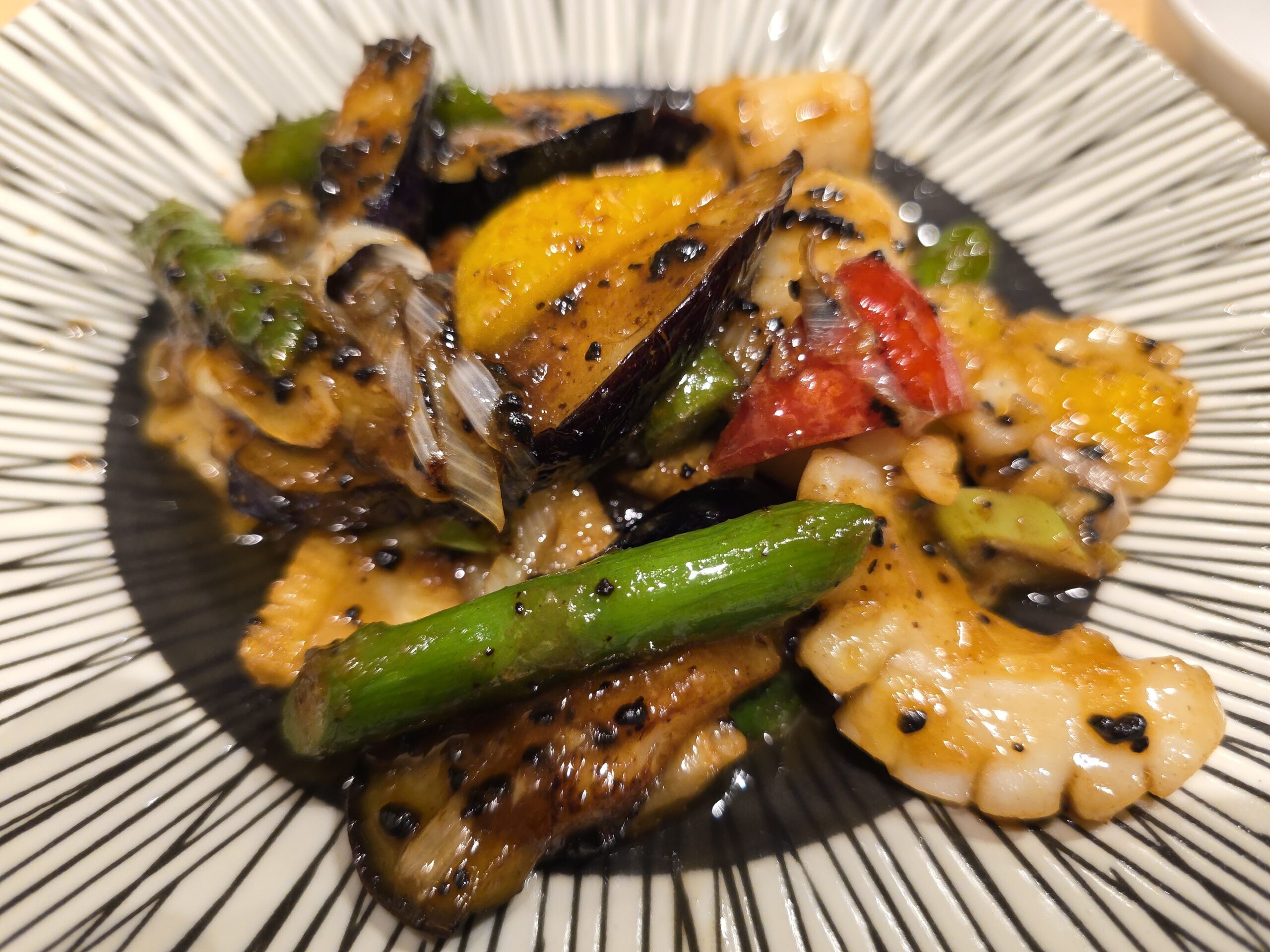
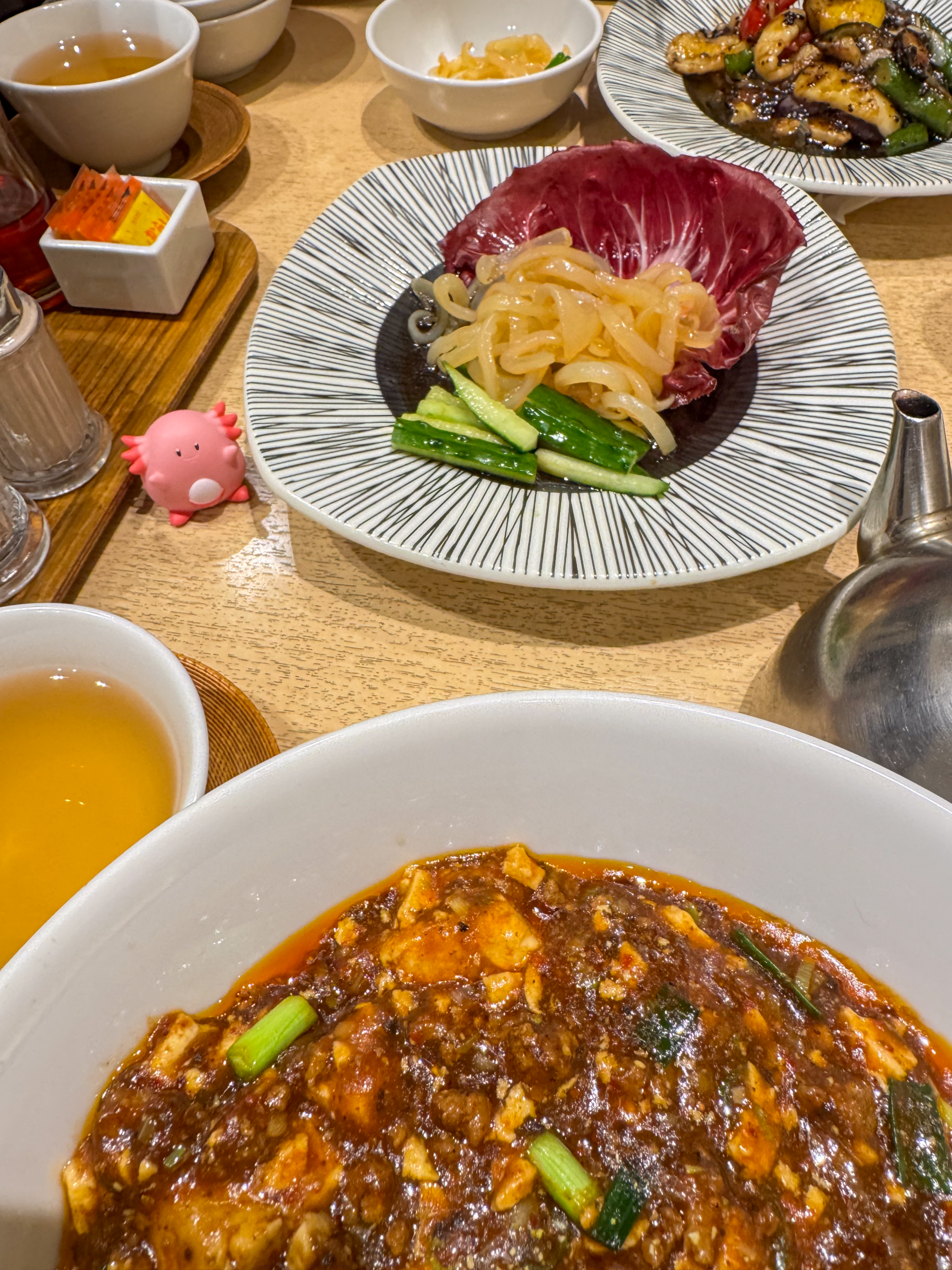
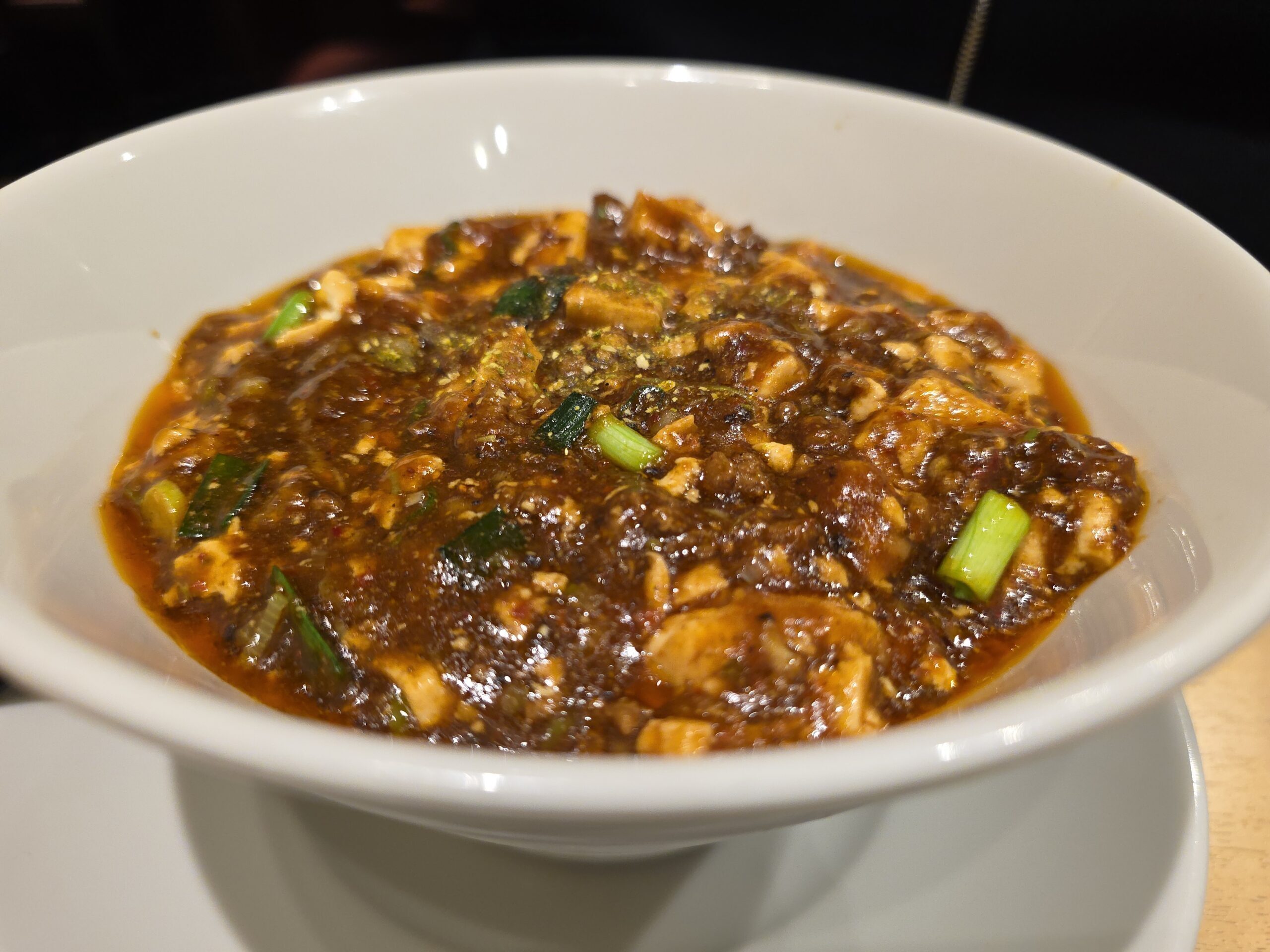
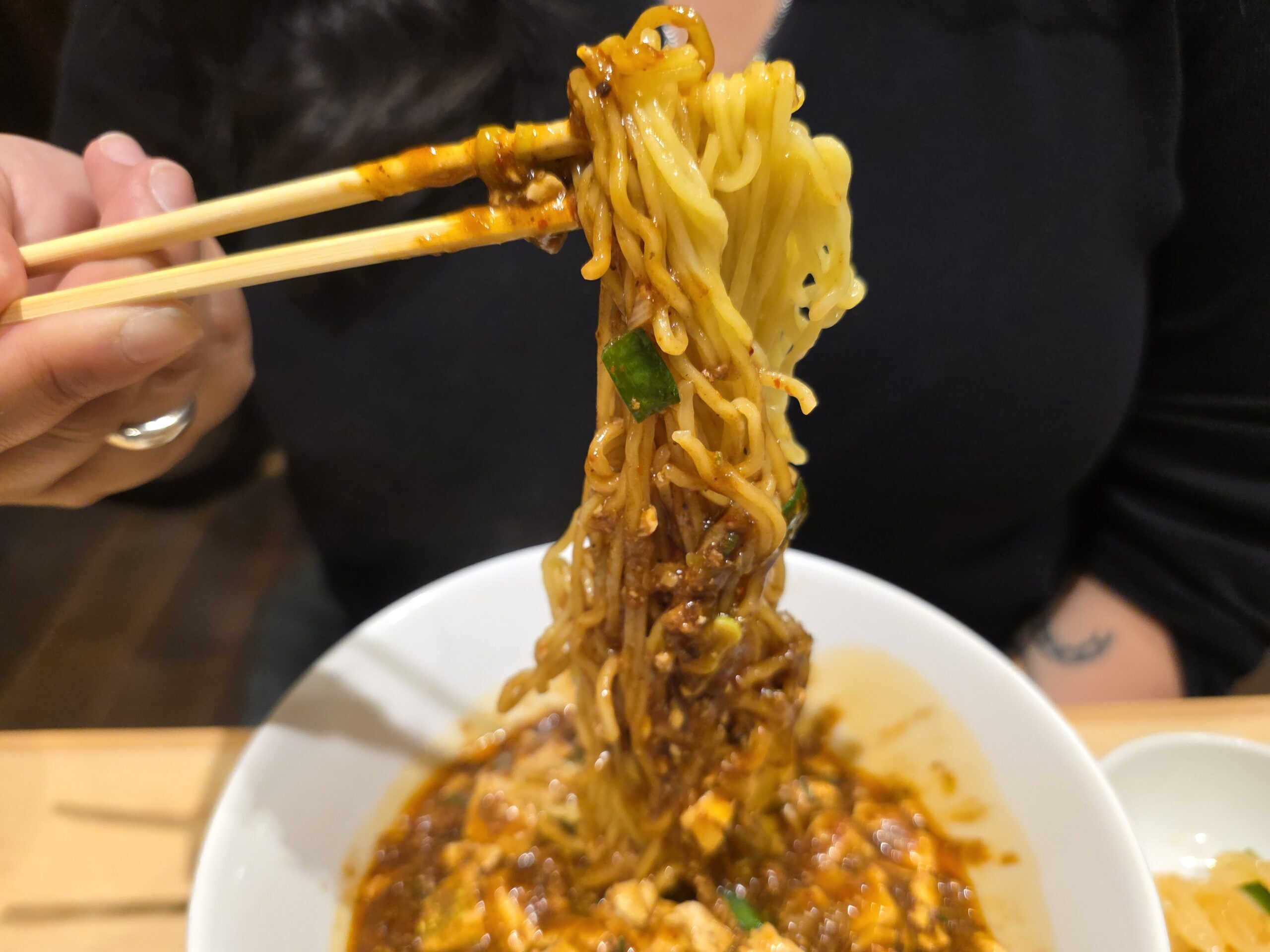
Lunch was at a small Chinese restaurant near Kyoto Station. I opened the menu and there it was: lemon jellyfish. I knew I was ordering that on sight. I also got a seafood stir fry with black bean sauce; my girlfriend went with mapo tofu noodles. Both were excellent. But the jellyfish stole the show. The texture is genuinely unlike anything I’ve eaten before, and I can only describe it as completely mind-bending. Somehow chewy and rubbery, but also brittle, so that each bite causes it to shatter into smaller pieces, creating an impossible mouthfeel your brain can’t quite categorize. Ever seen those videos of spark plugs shattering tempered glass? Imagine that, but with a rubbery texture. It’s not unpleasant at all. In fact, I found it fascinating. I would order it again without a second thought.
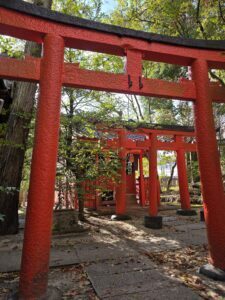
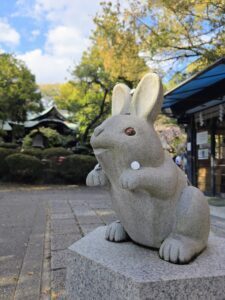
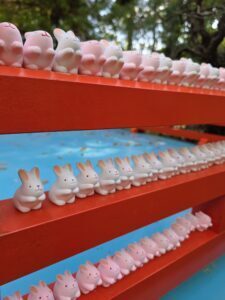
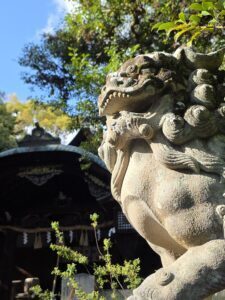
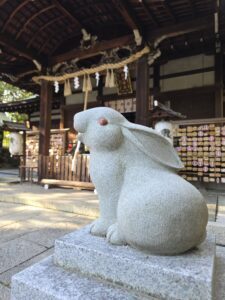
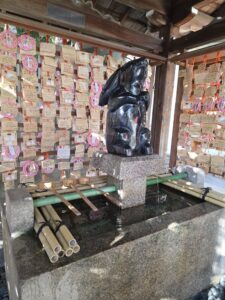
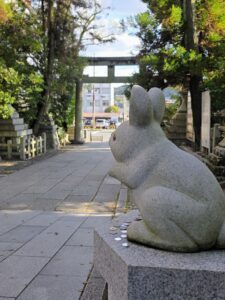
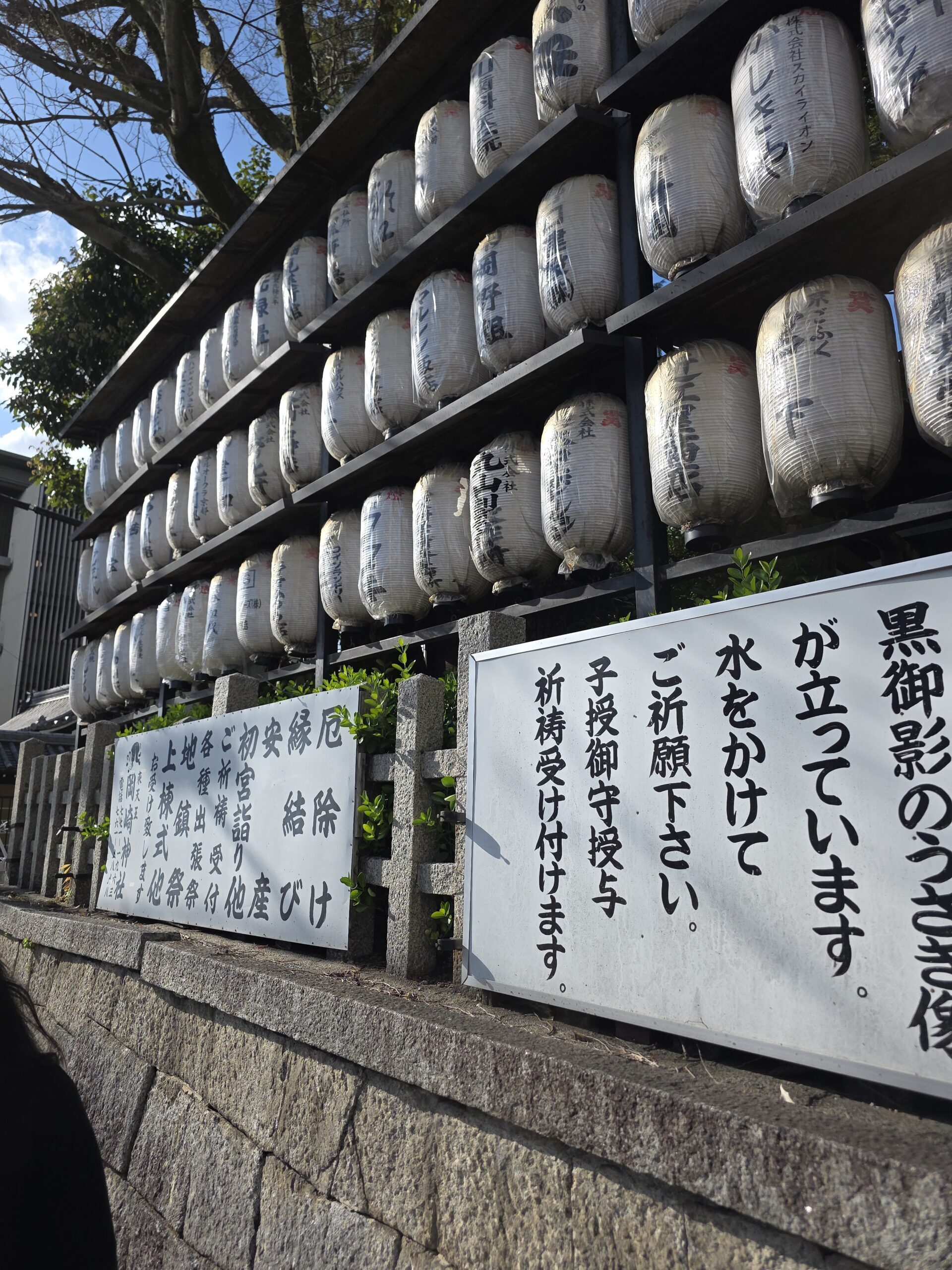
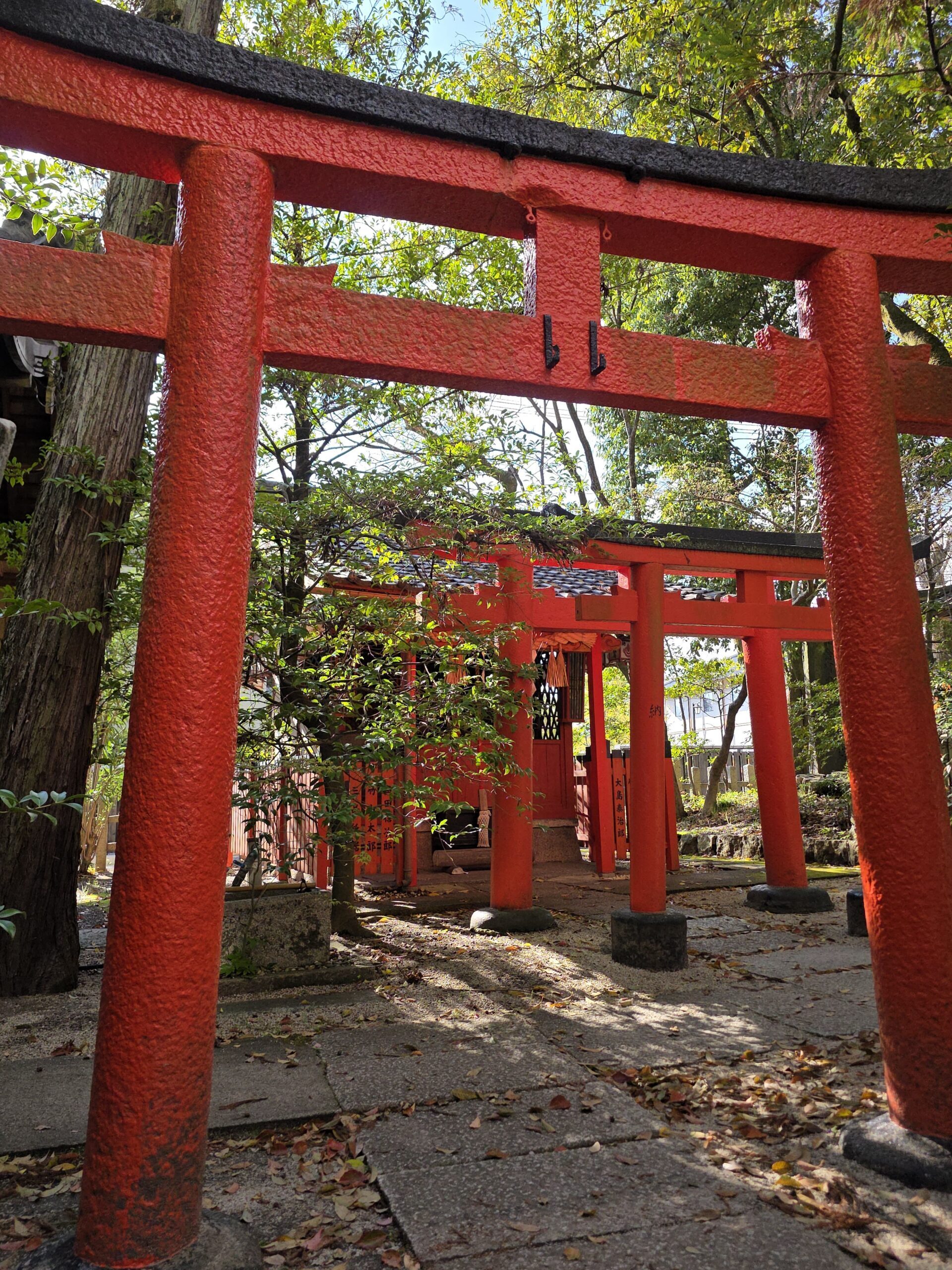
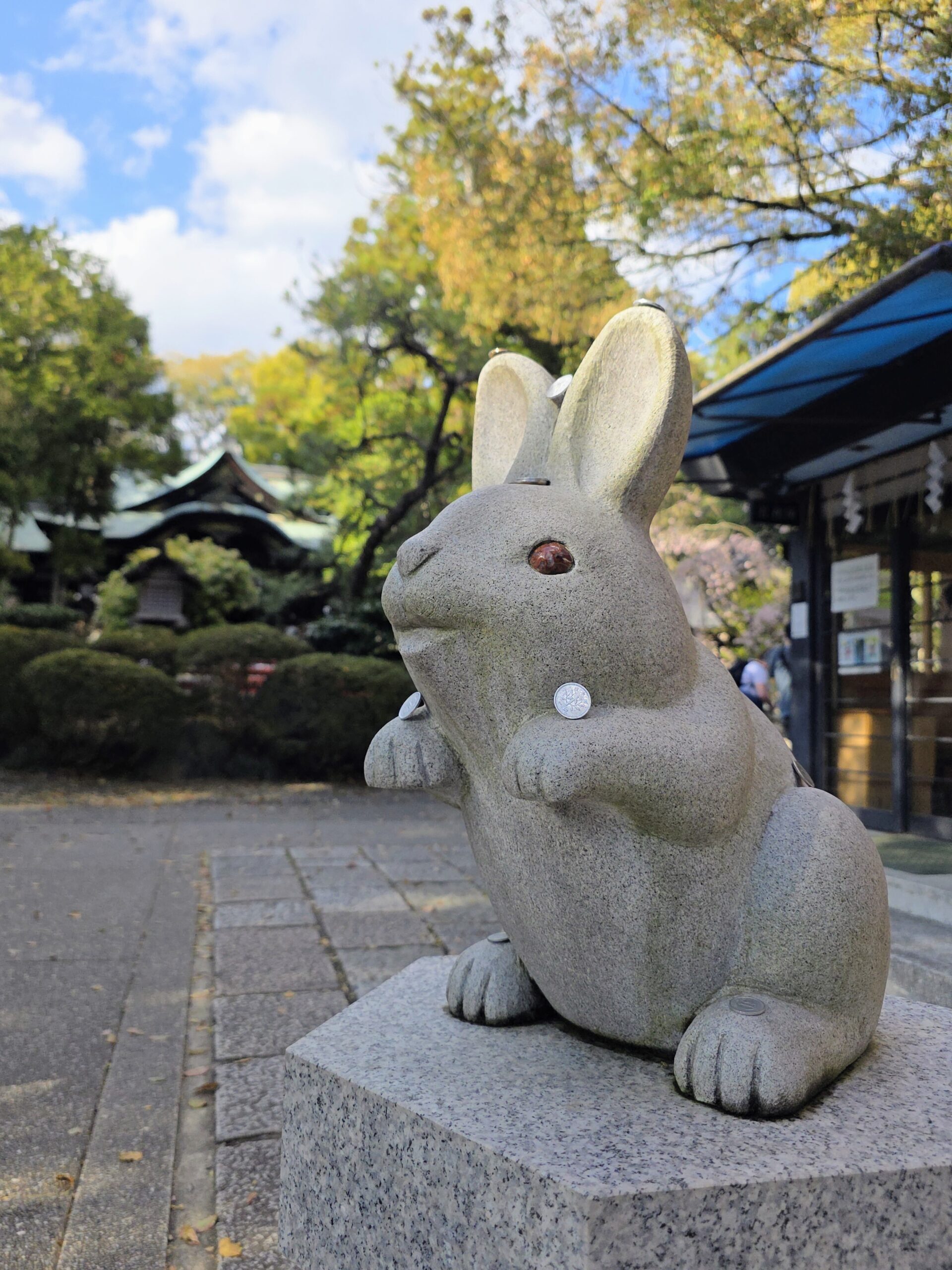
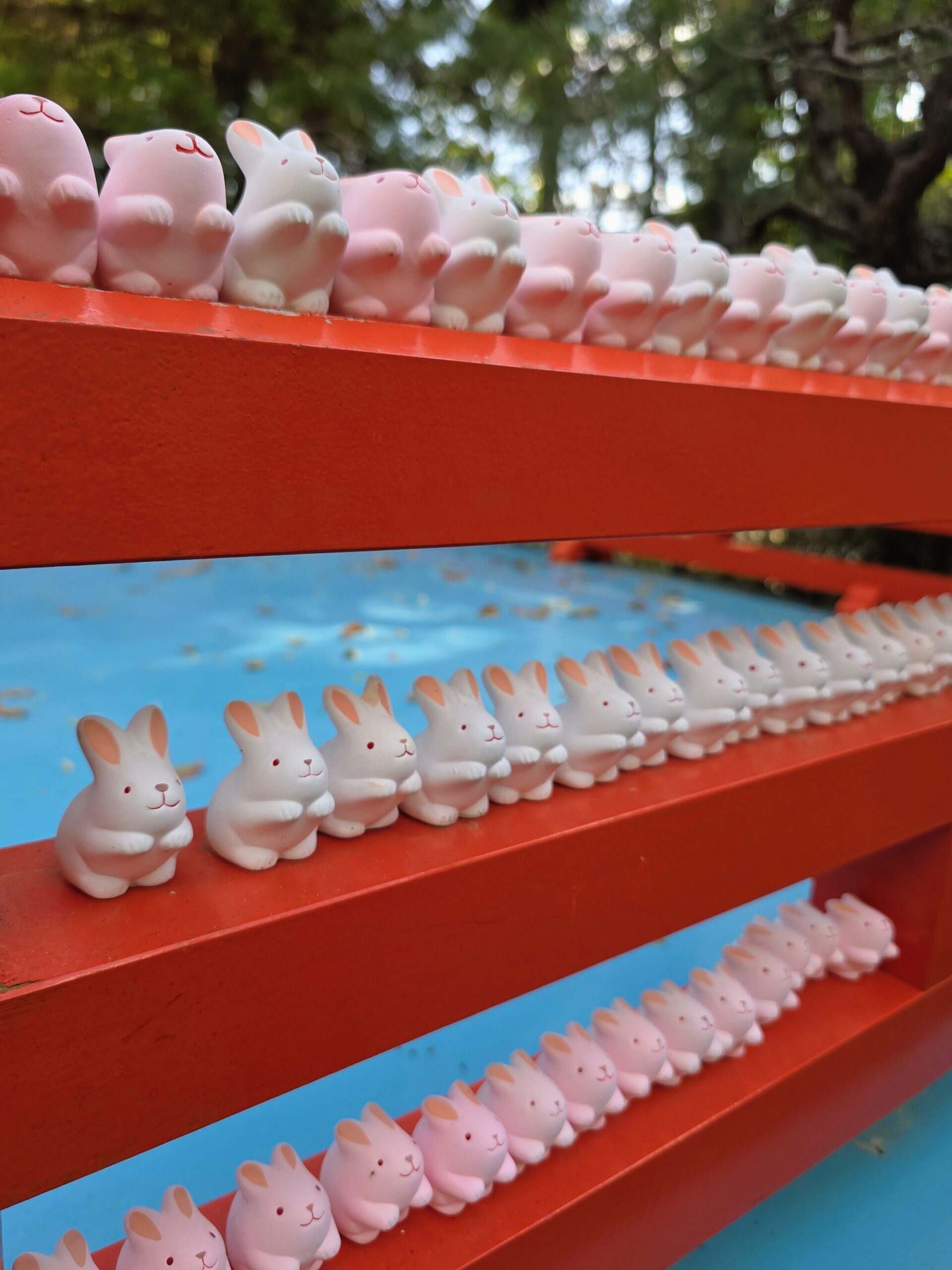
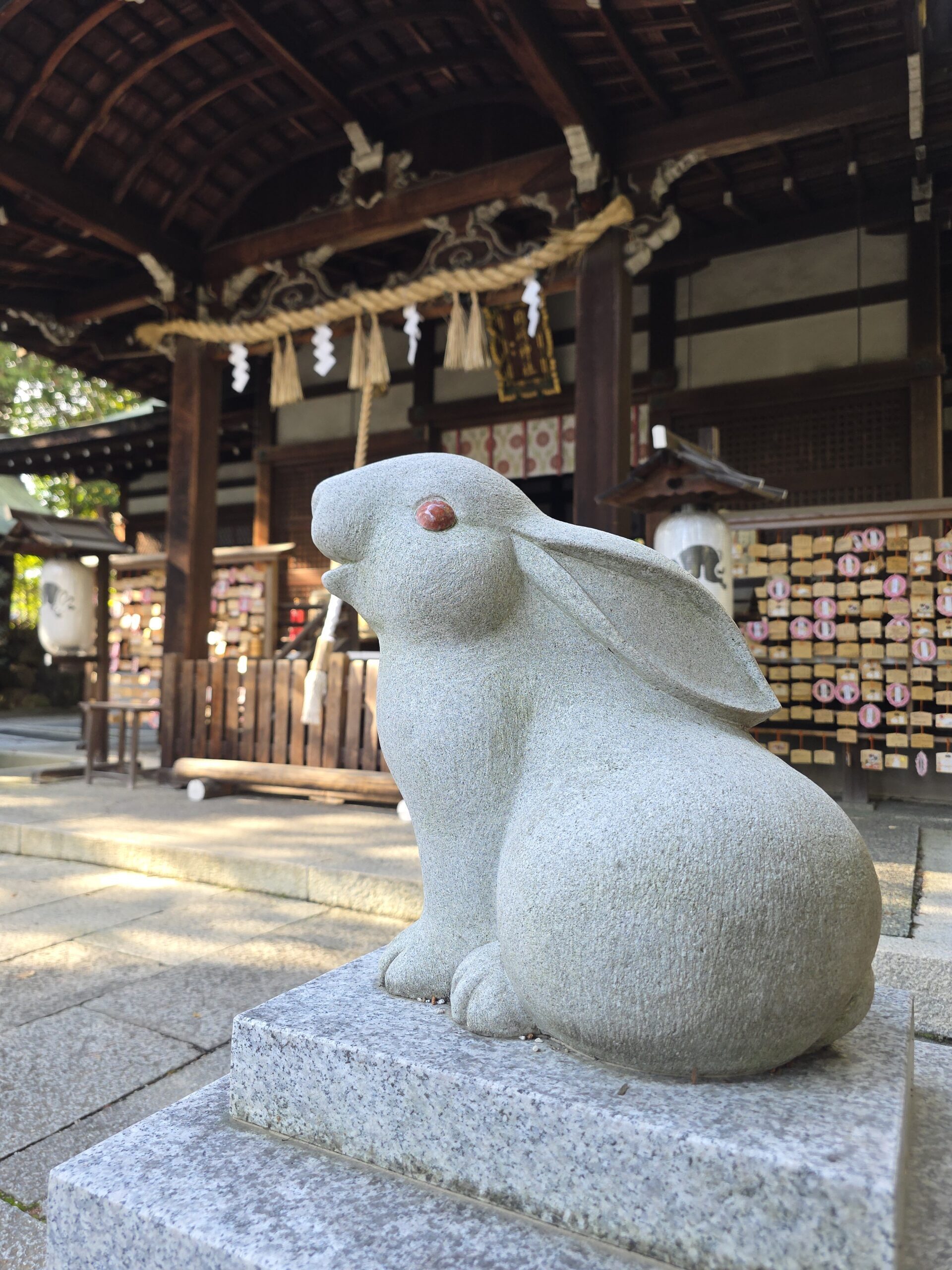
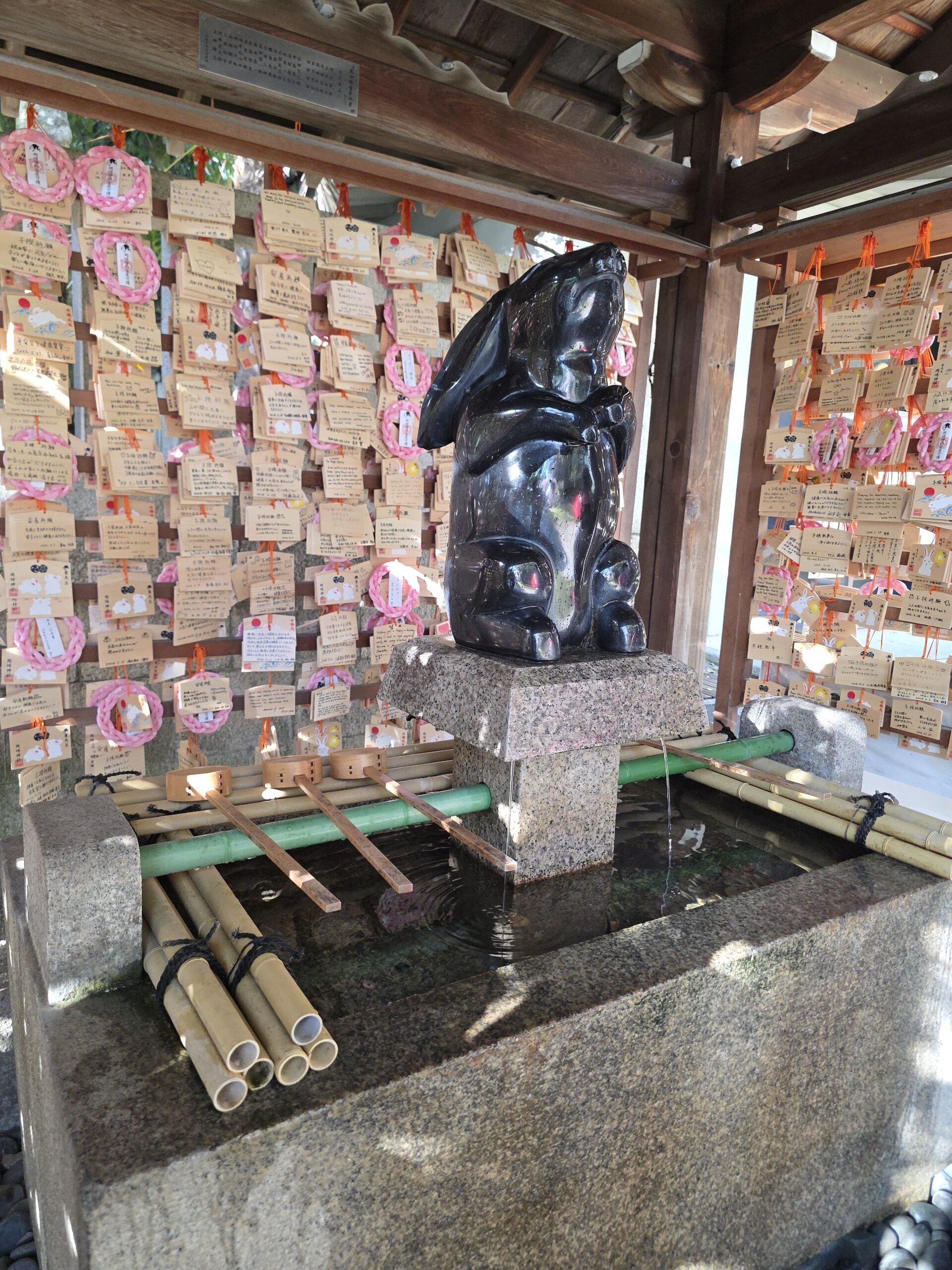
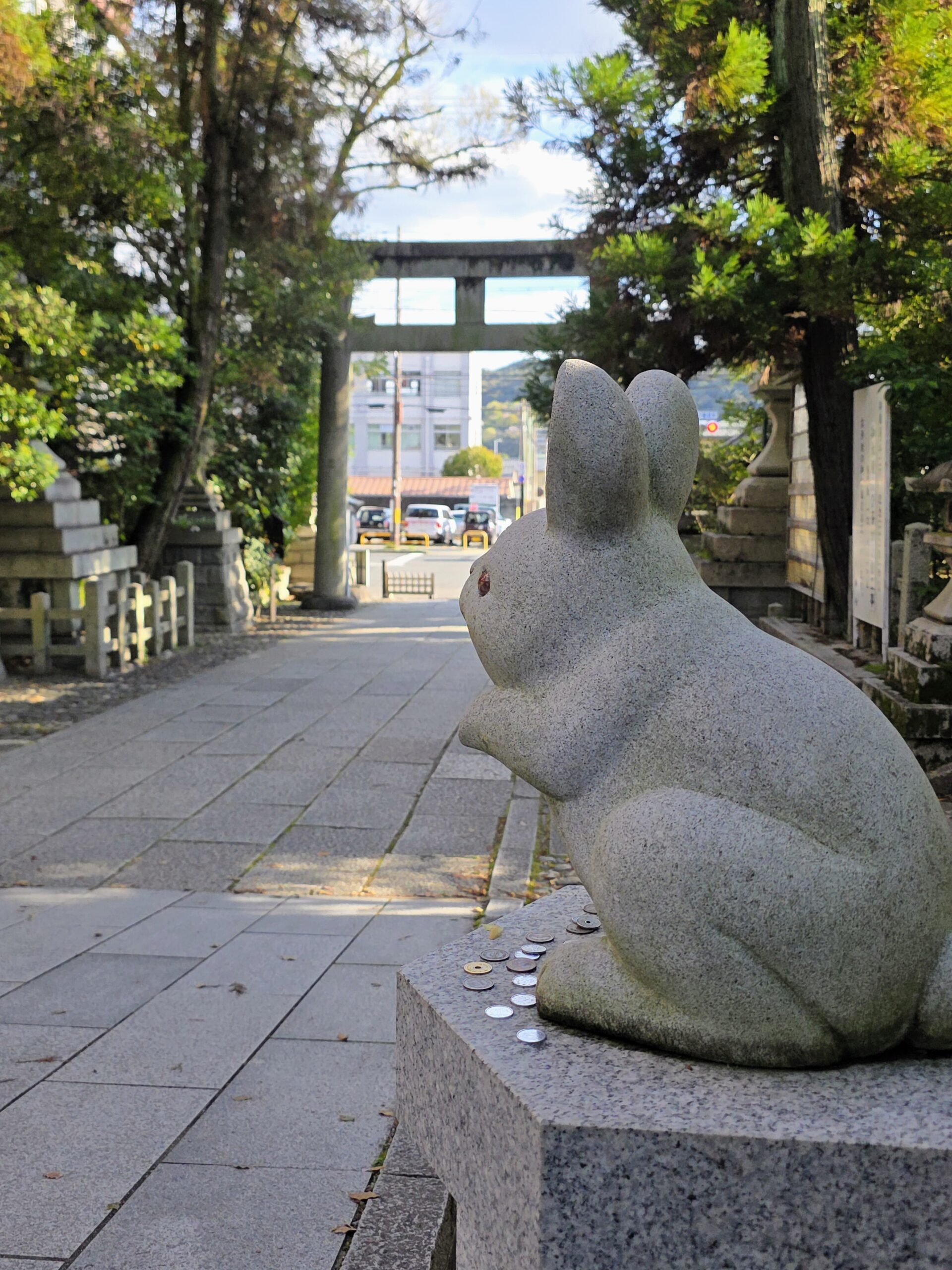
Next, my girlfriend wanted to visit Okazaki Shrine, just for photos of the cute bunny statues. I later learned it’s dedicated to the deity of safe childbirth and easy delivery, and rabbits have long been considered divine messengers of that particular god. The entire grounds are dotted with rabbit statues, rabbit motifs carved into every surface, and small rabbit omamori charms throughout. It’s genuinely adorable, which is apparently a requirement for my girlfriend’s Kyoto itinerary. Not so much for the second meaning.
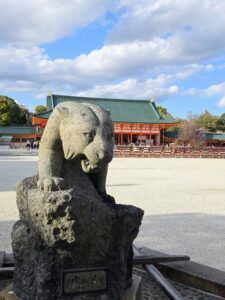
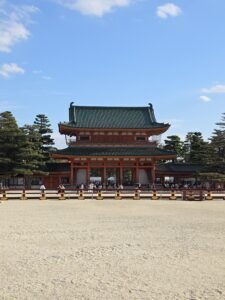
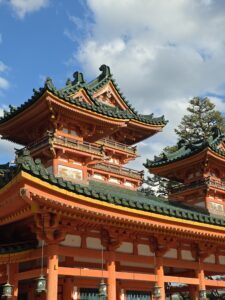
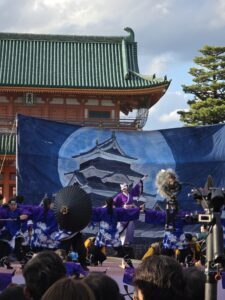
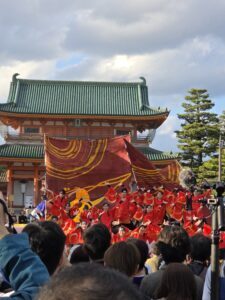
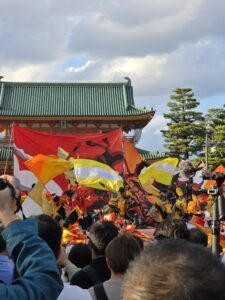
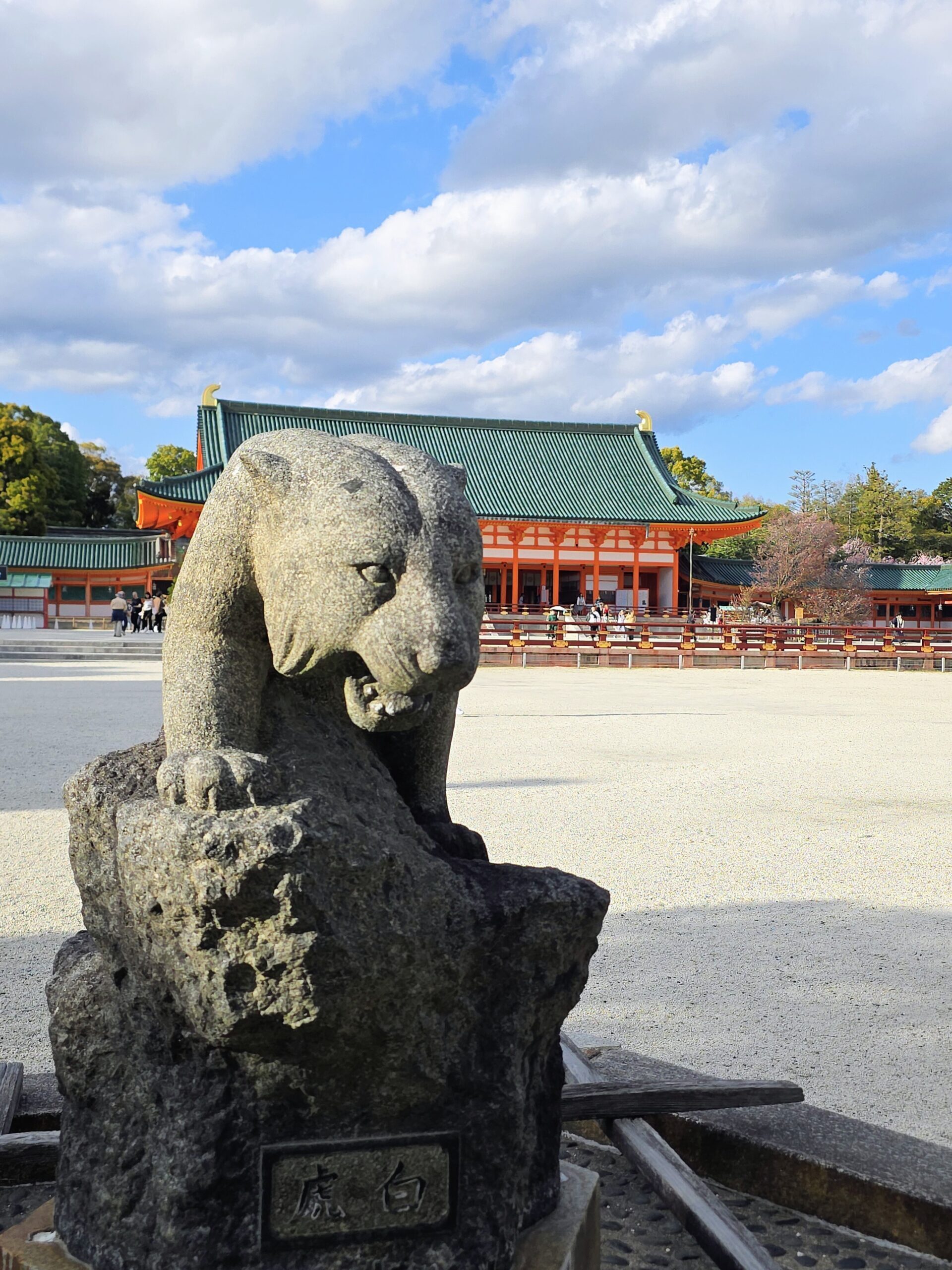
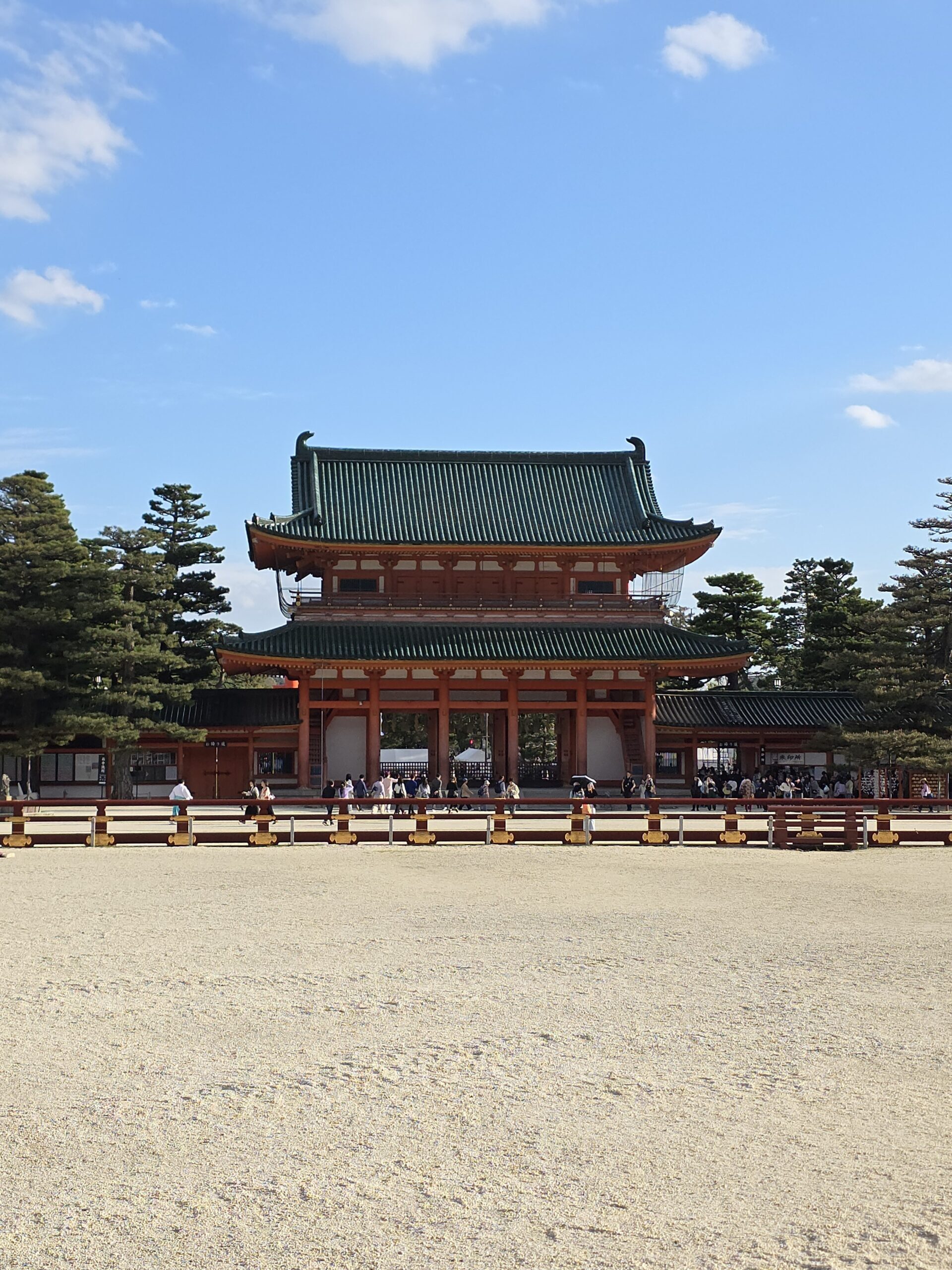
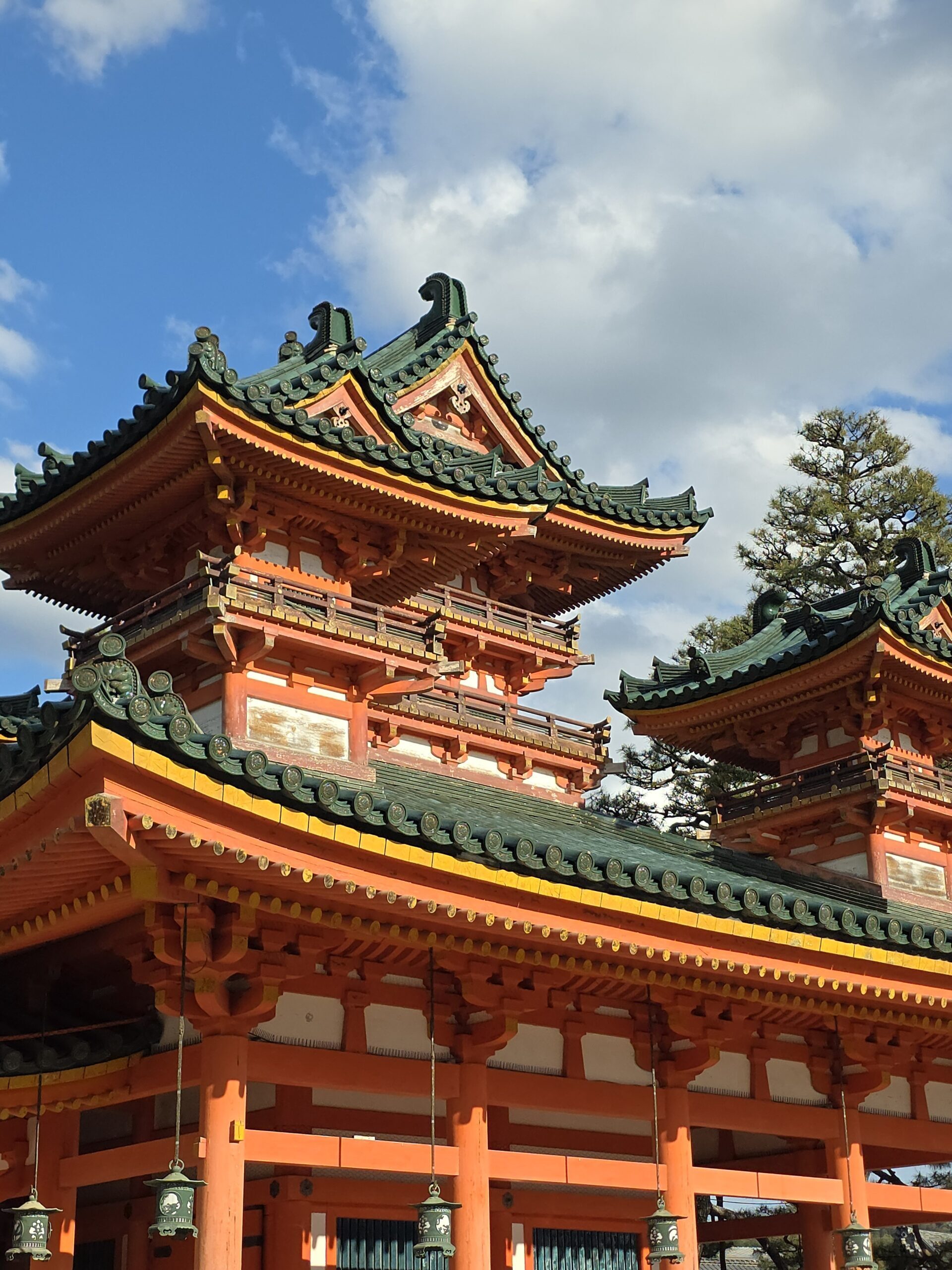
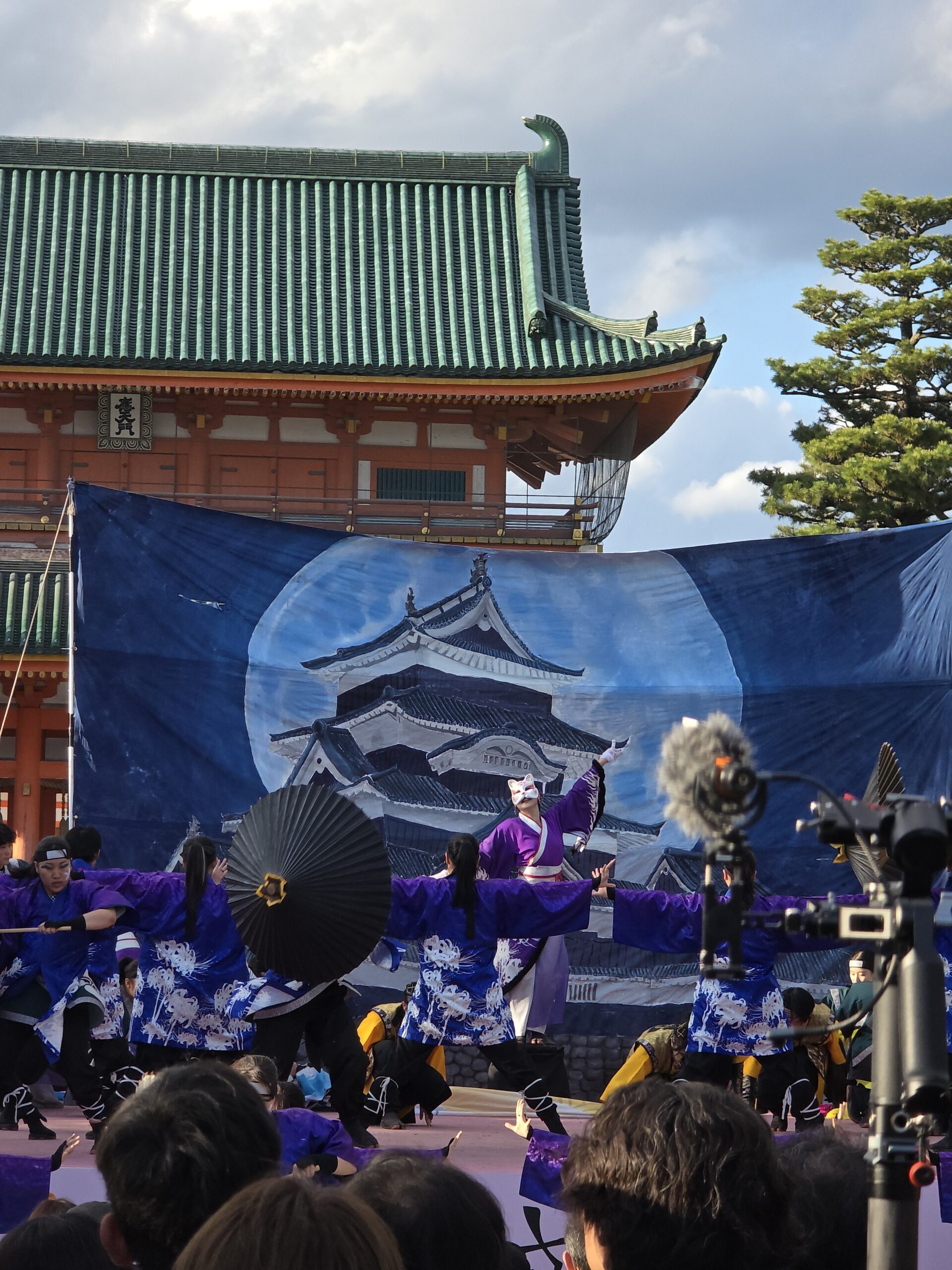
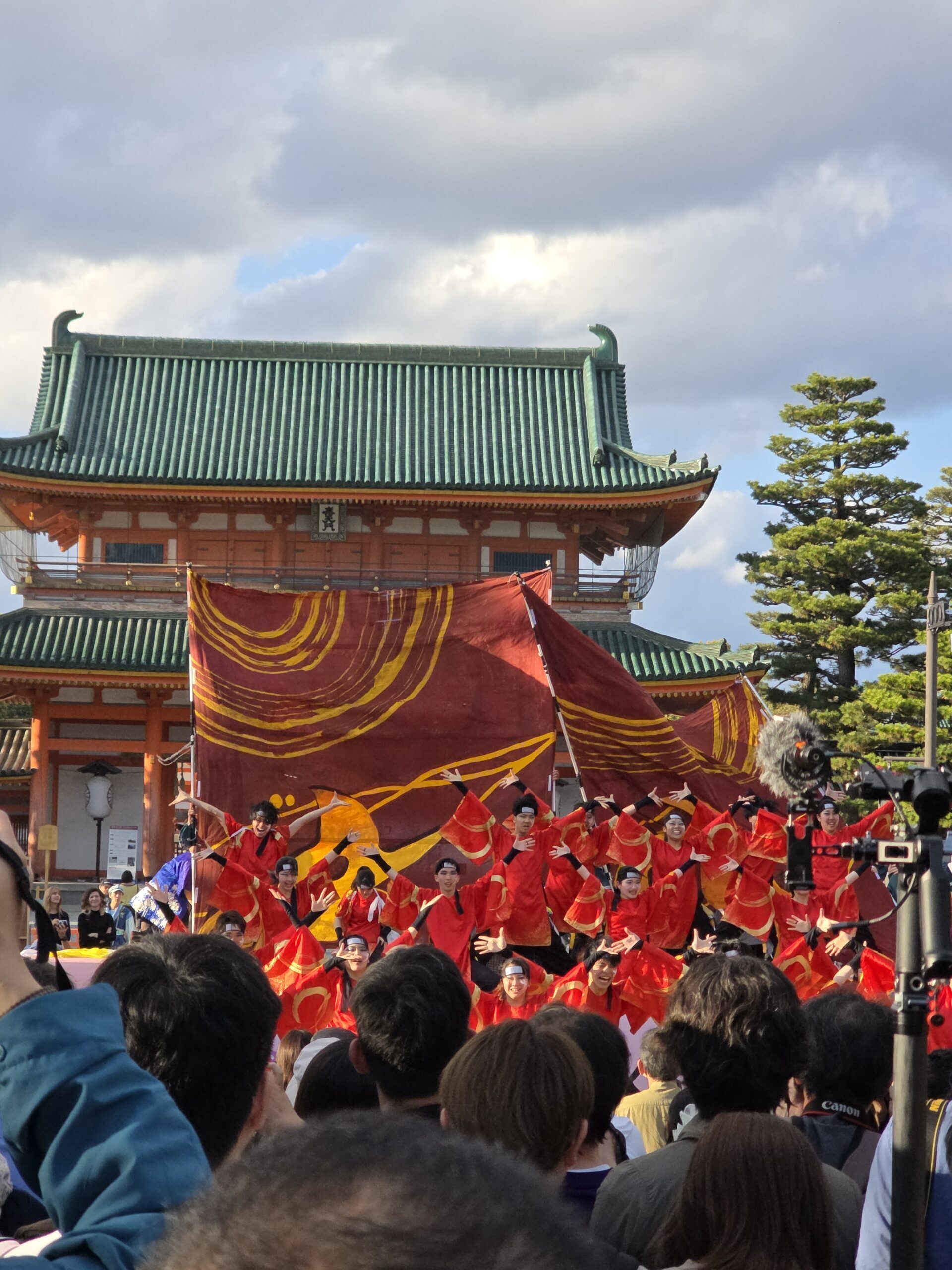
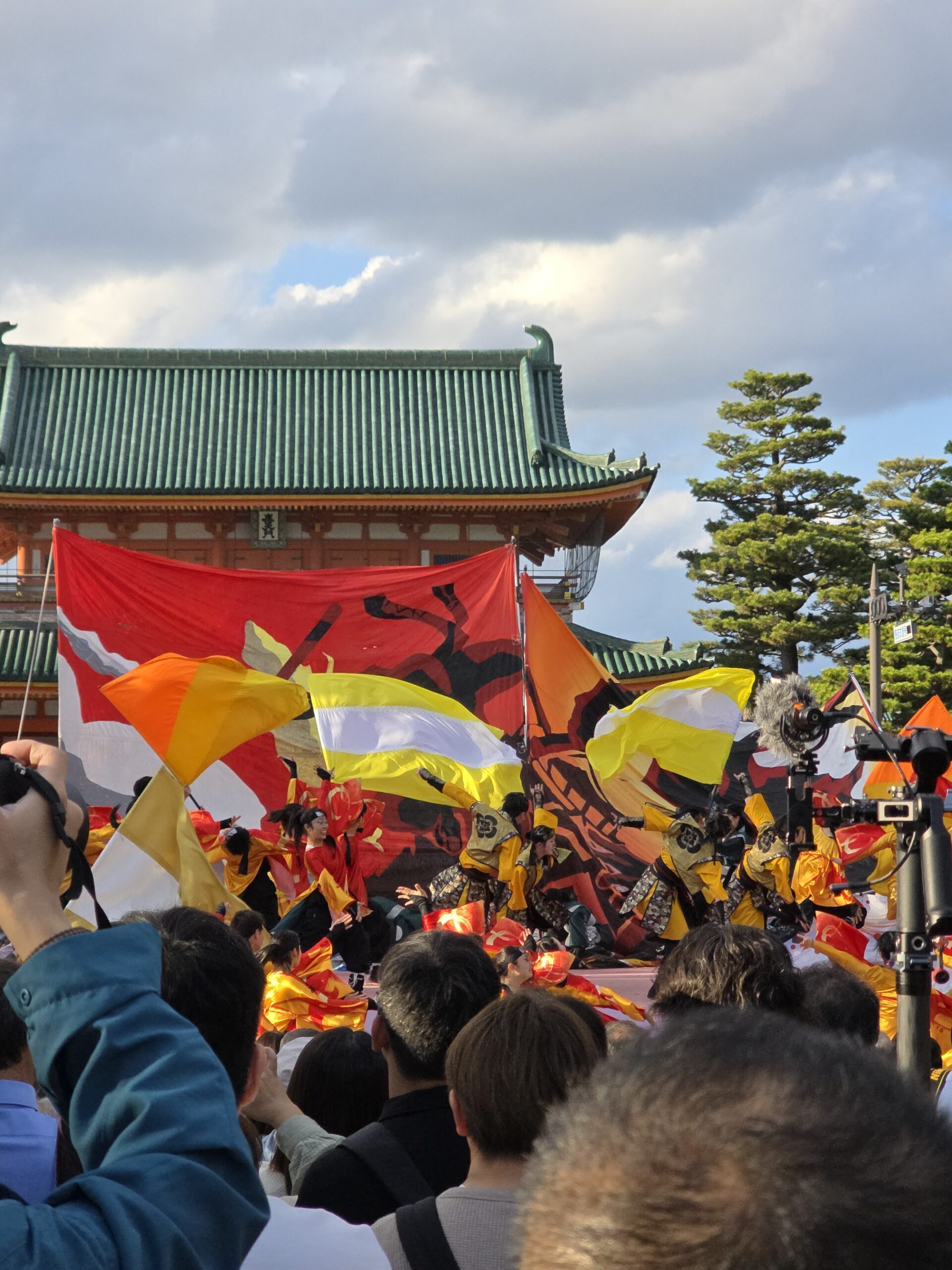
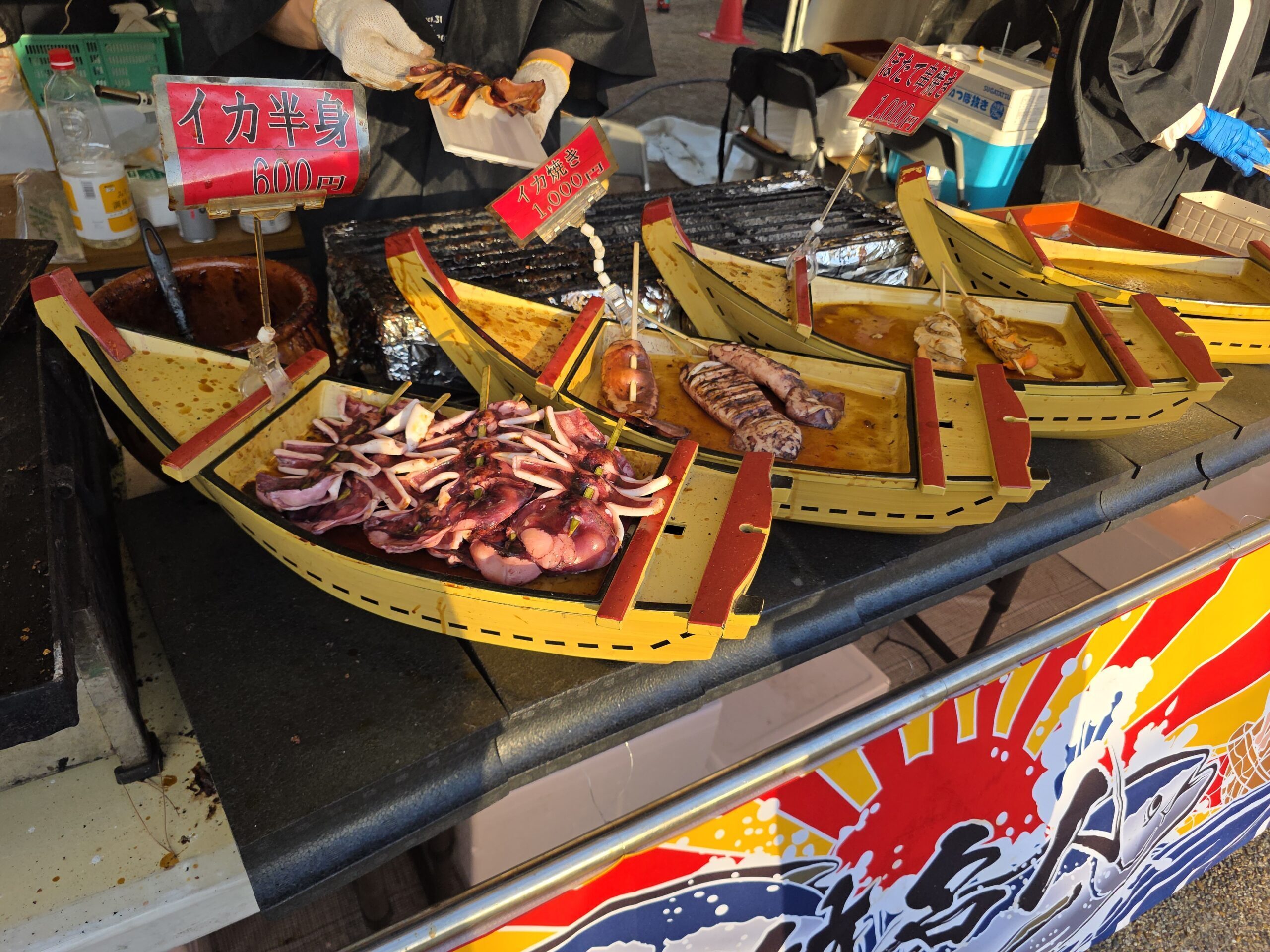
Our last stop was Heian Jingu, one of Kyoto’s most grand and visually striking shrines. On the walk there, we heard music from a nearby performance. As it turned out, we had seen the performers earlier in the day getting on the train in full costume and thought nothing of it. Now there they were on stage! The choreography, traditional instruments, singing, elaborate outfits were all on point. I’m not certain what the festival was for, but the performance was impressive. And of course, amazing food vendors nearby, as is customary in Japan.
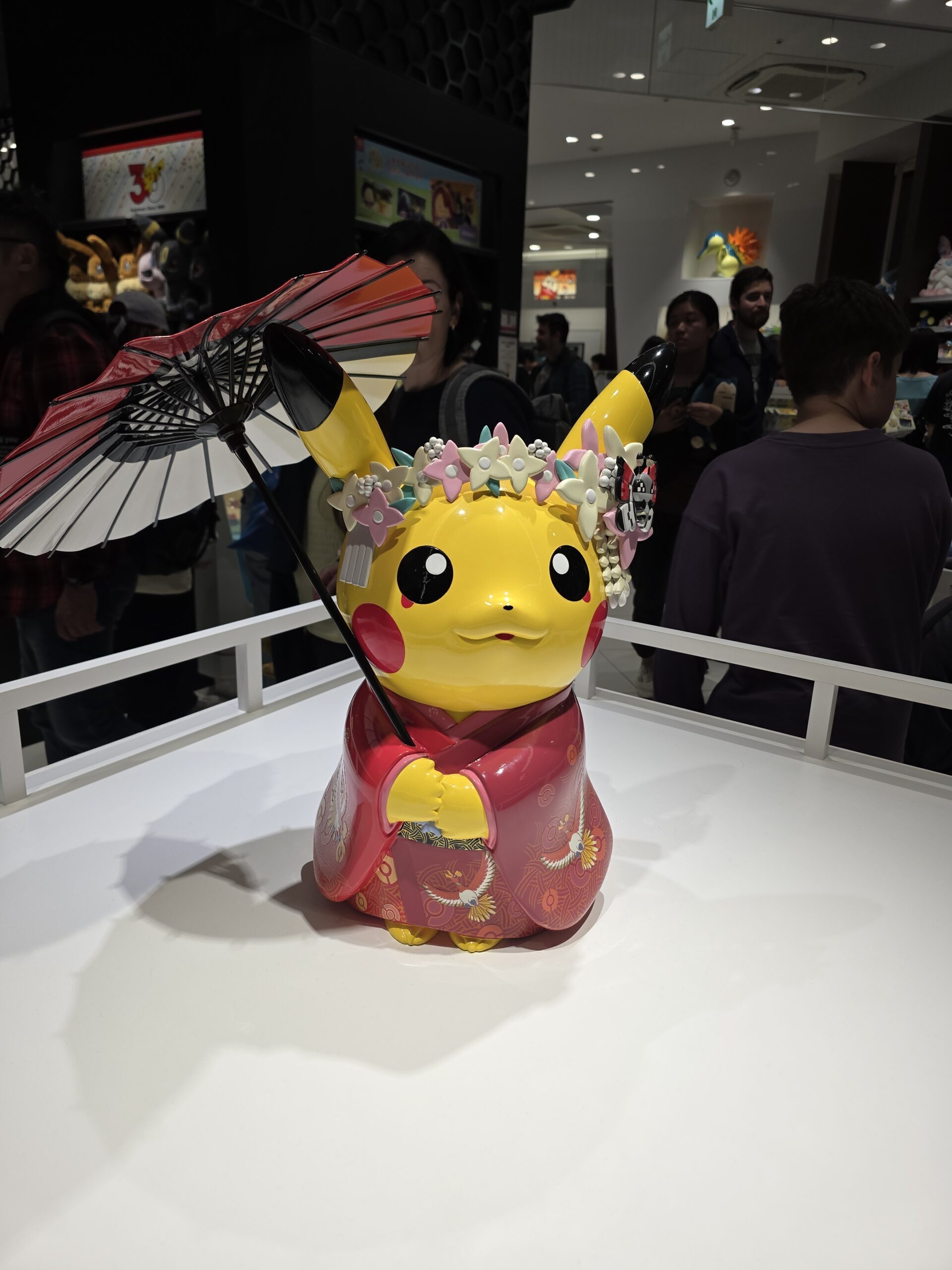
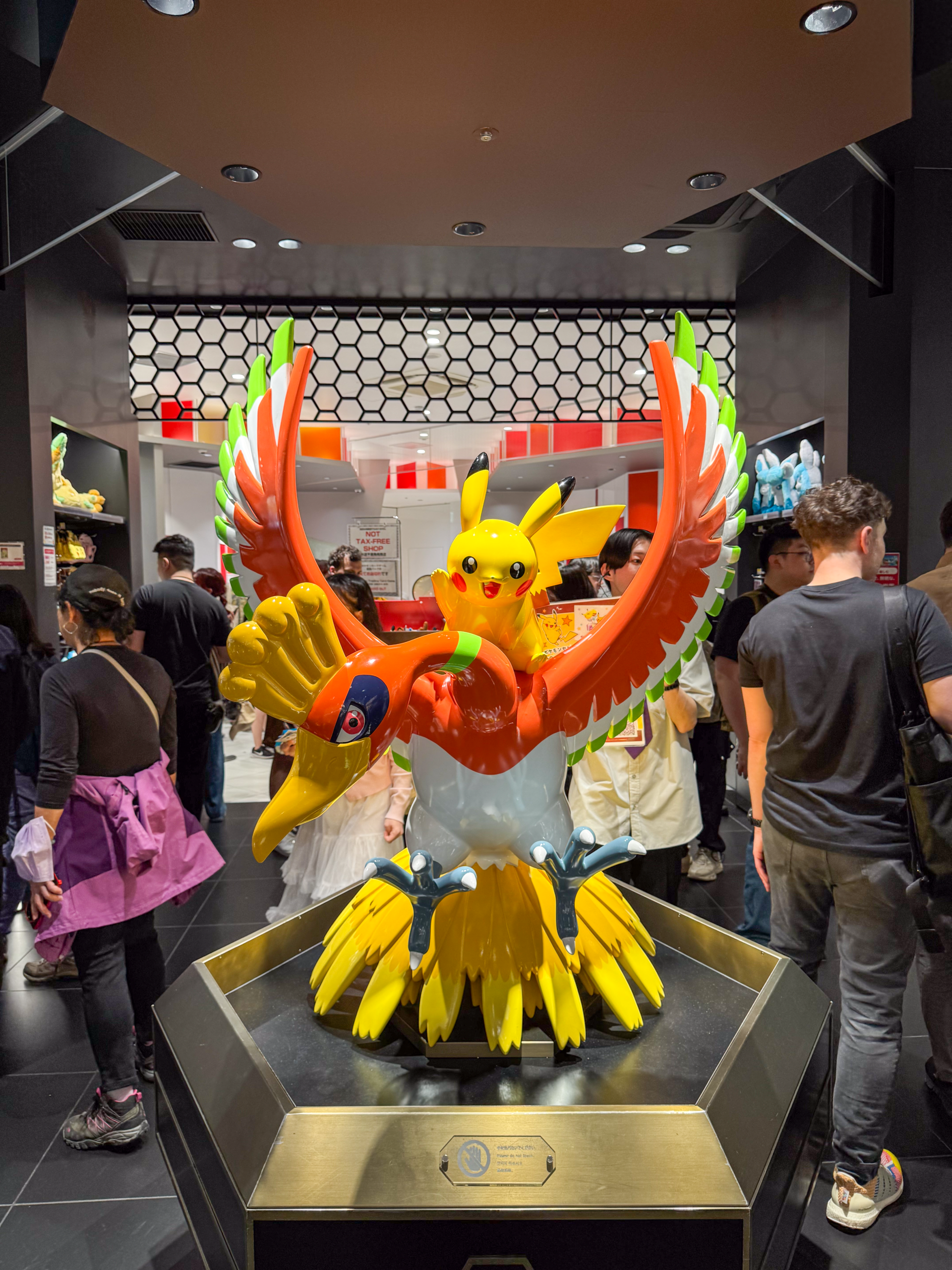
Then, the mission I had been waiting for: Kyoto Pokémon Center. Open. Operational. Fully stocked. My nephew’s haul was secured. Mission accomplished.
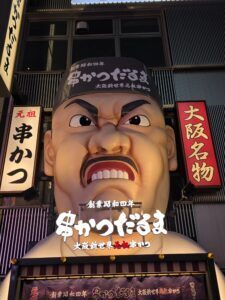
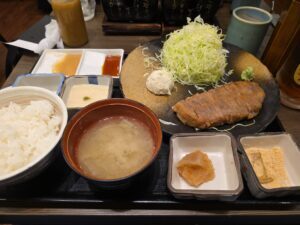
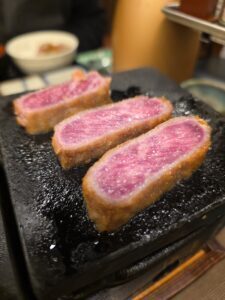
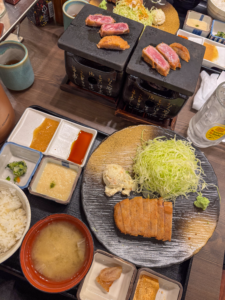
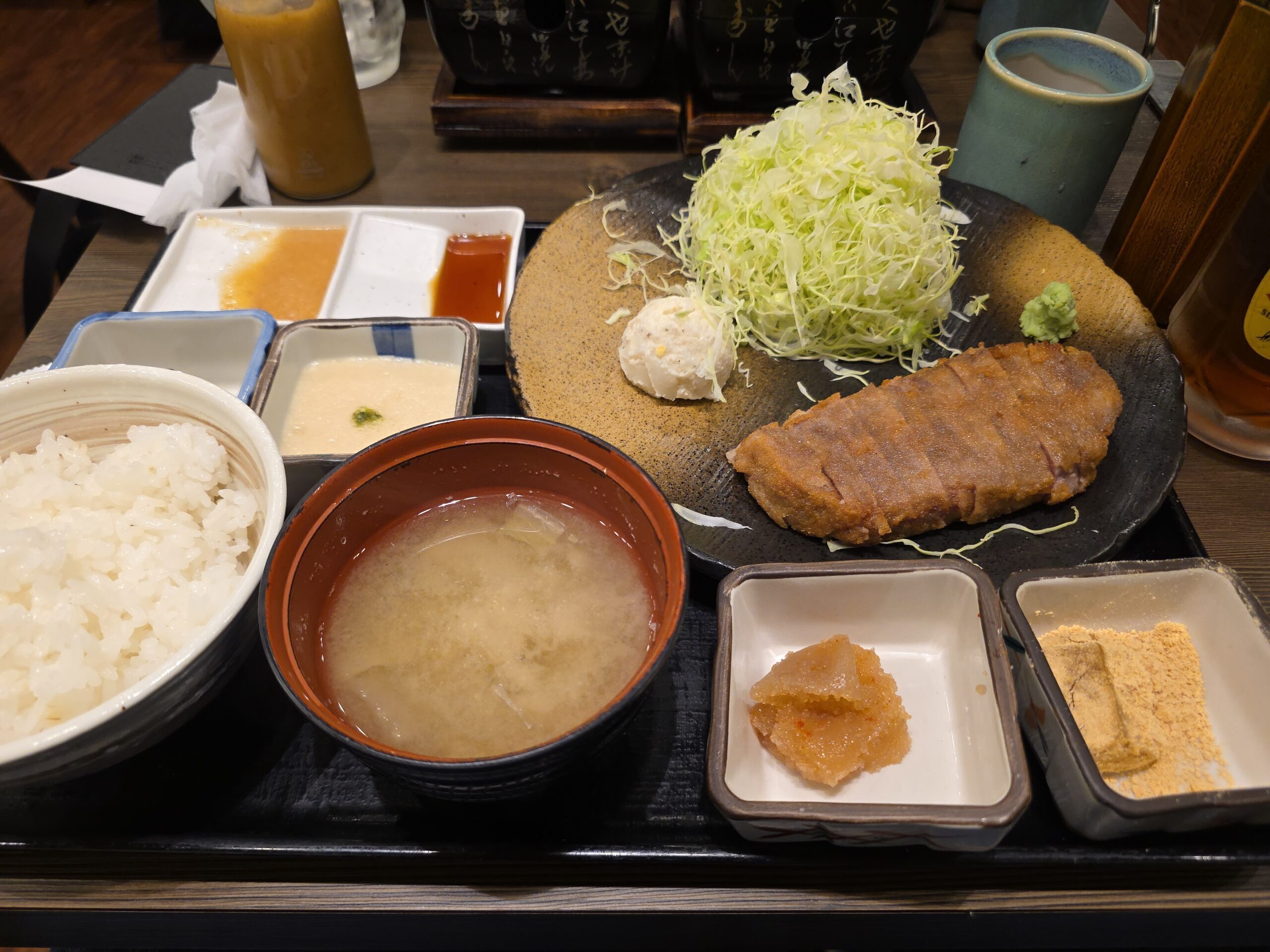
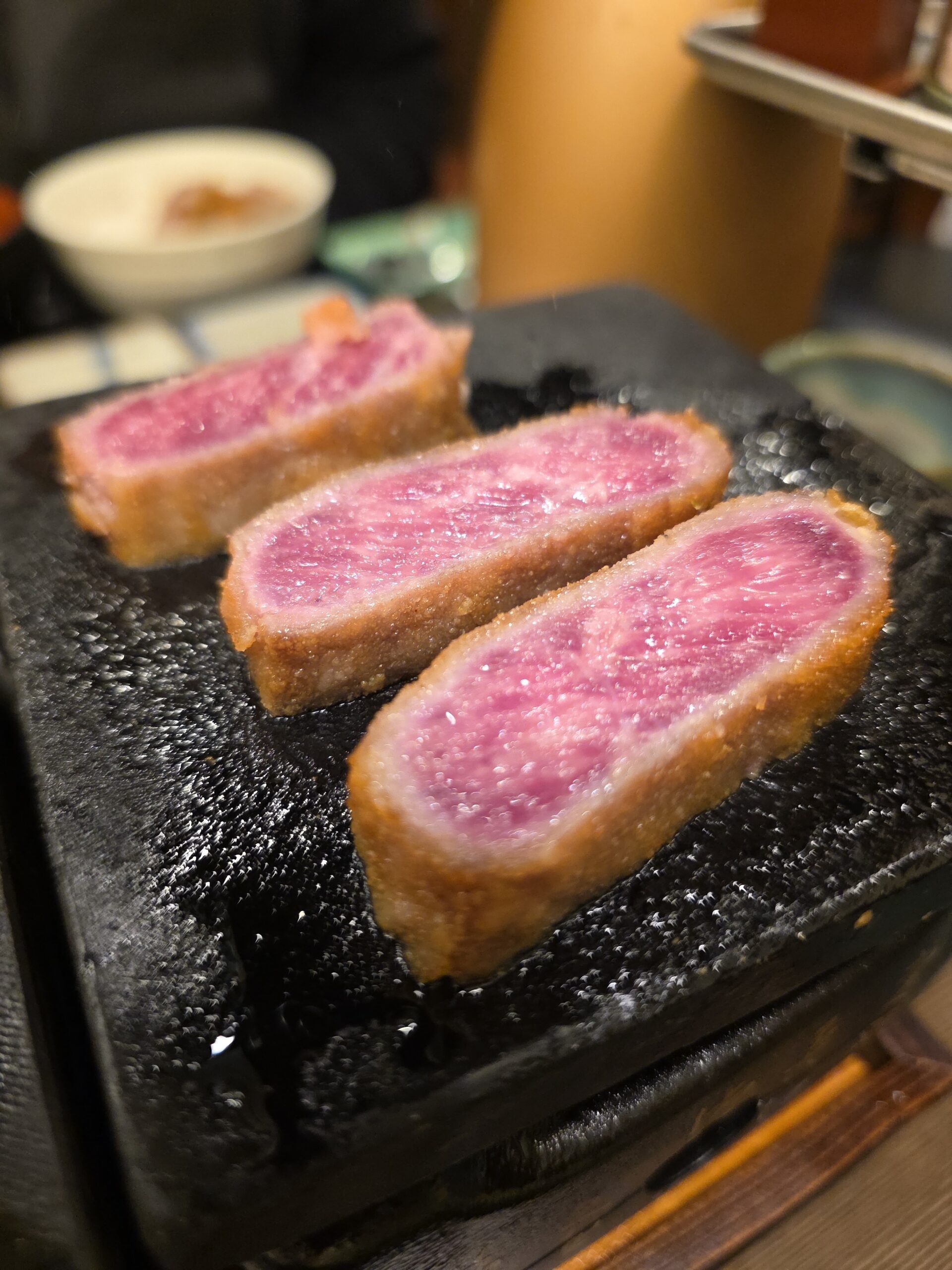
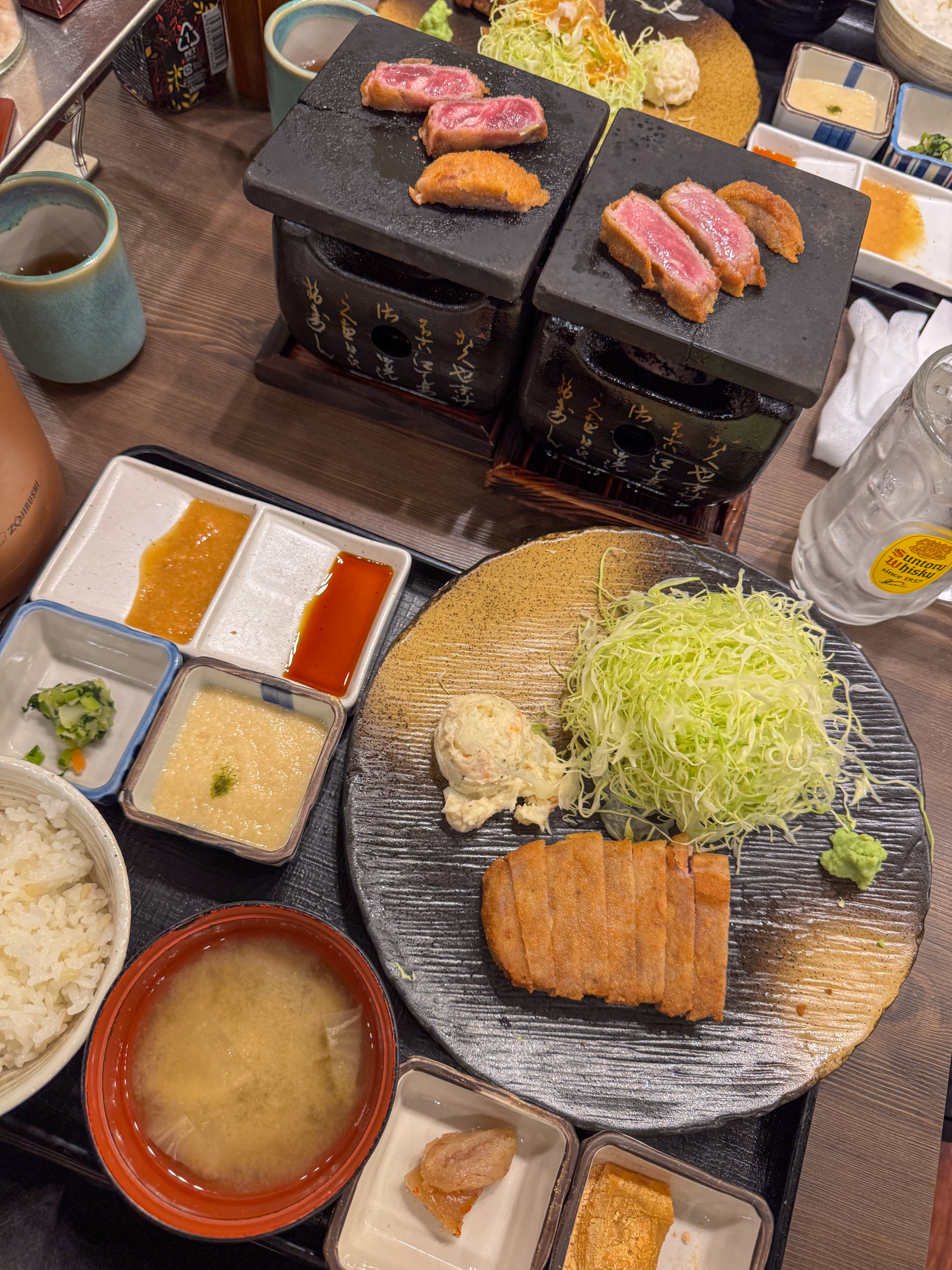
Back in Osaka, I introduced my girlfriend to gyūkatsu for the first time. Panko-crusted beef cutlet, served rare and finished on a personal stone grill at the table. If you know, you know. It was even better than the year before.
They Say Second Place is the First Loser
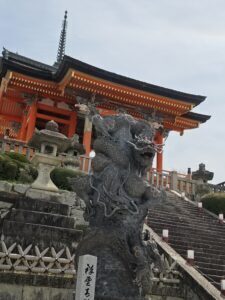
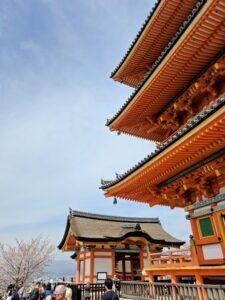
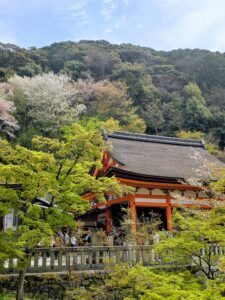
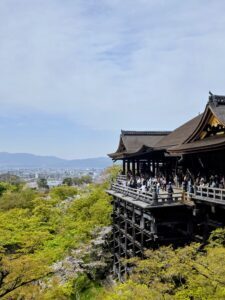
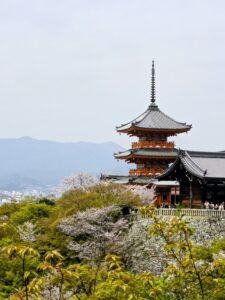
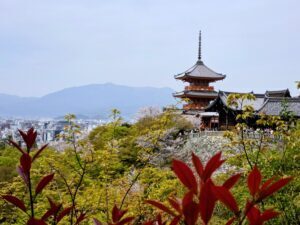
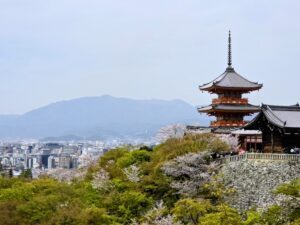
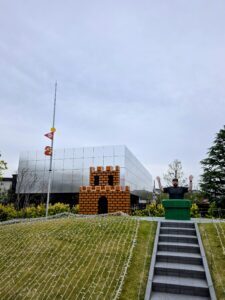
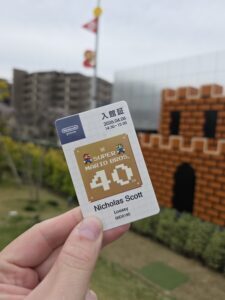
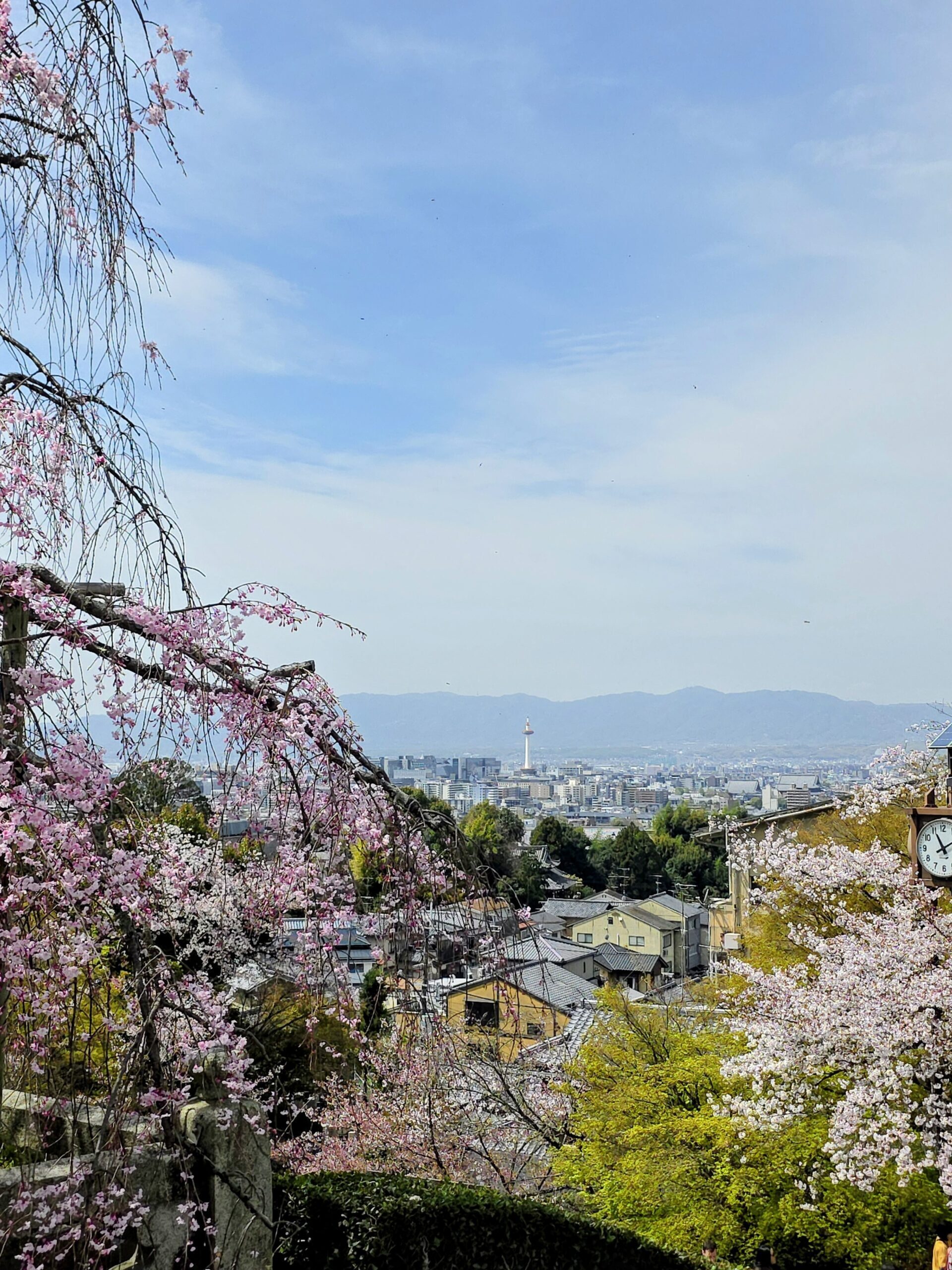
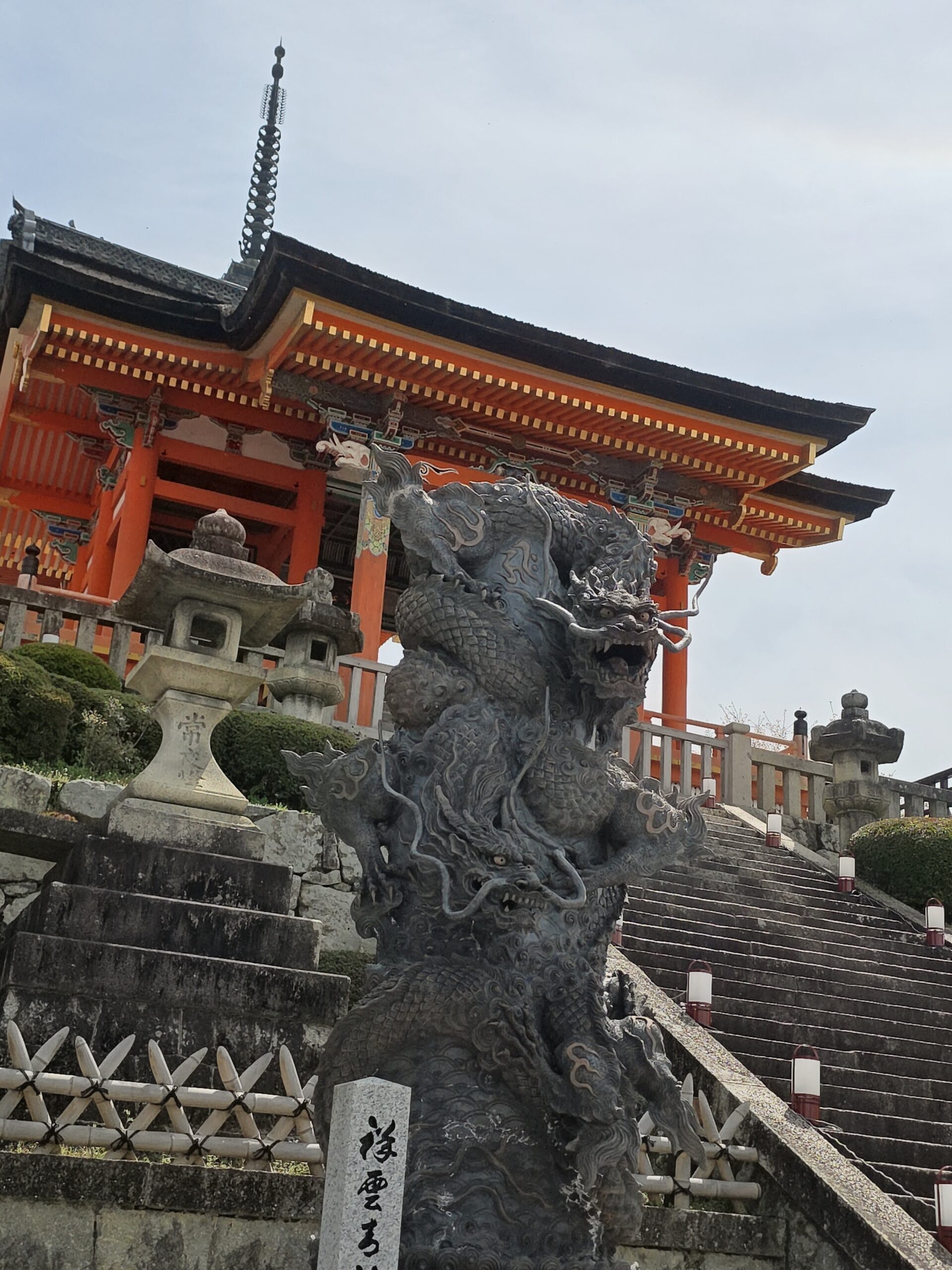
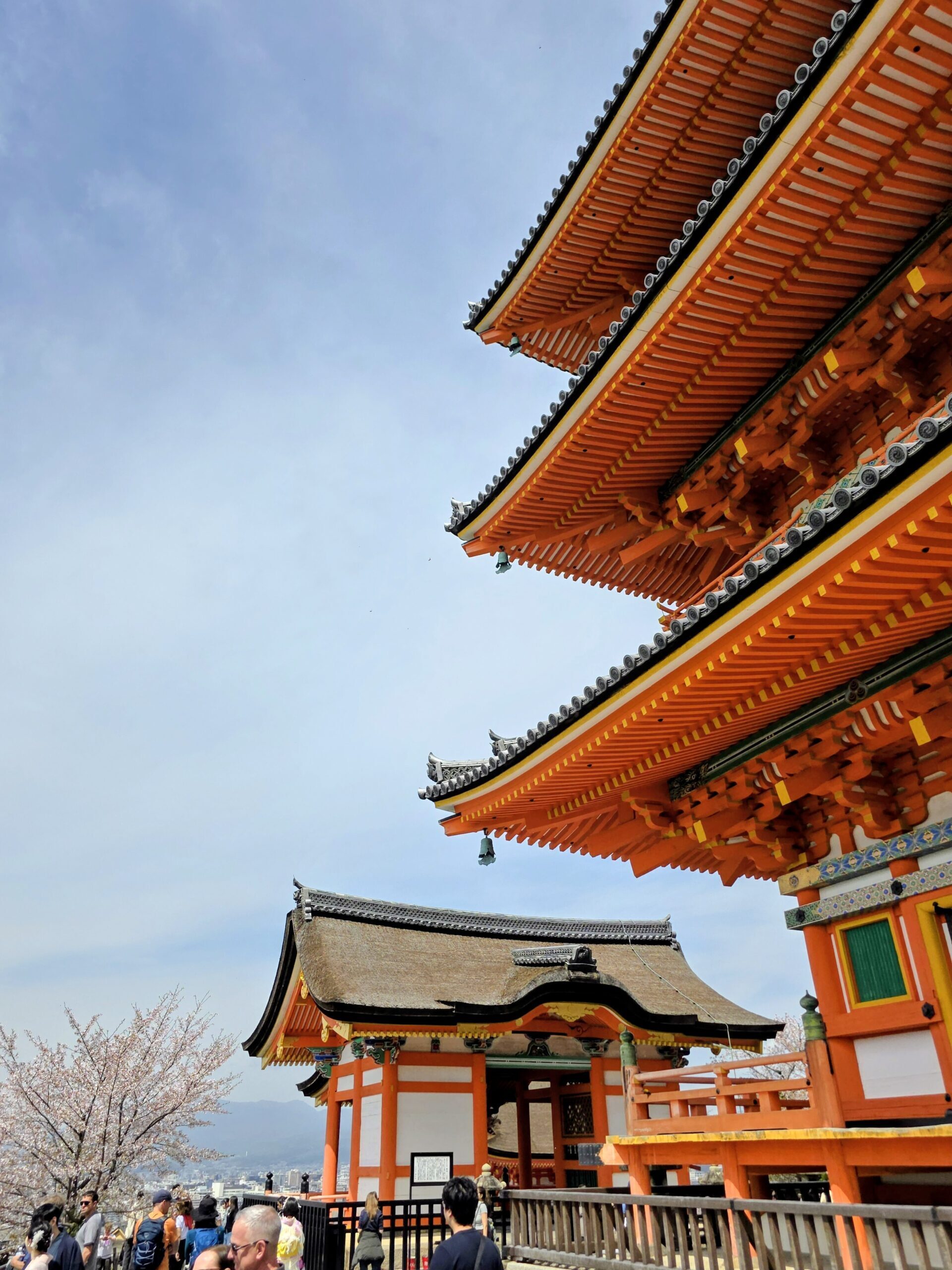
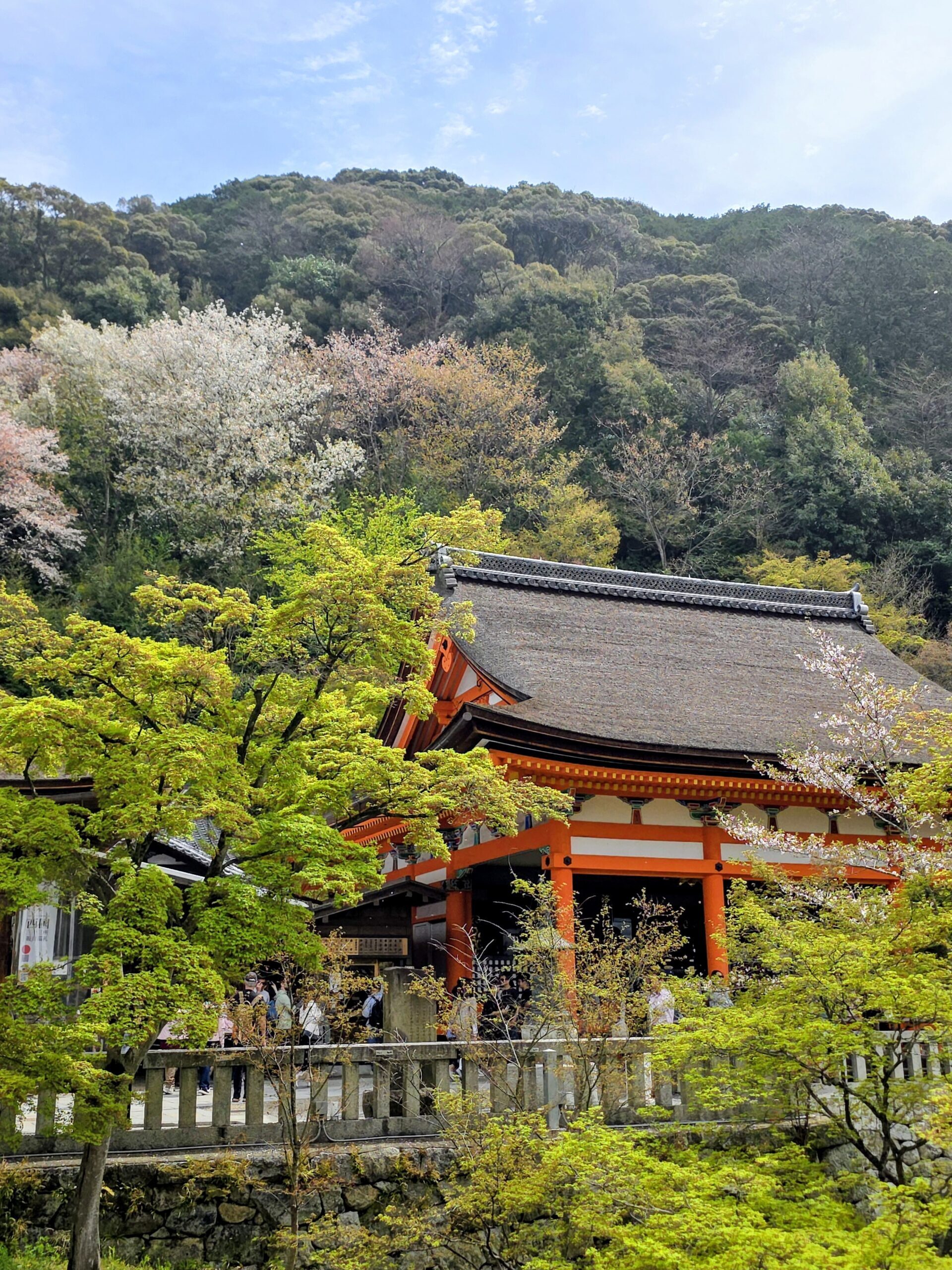
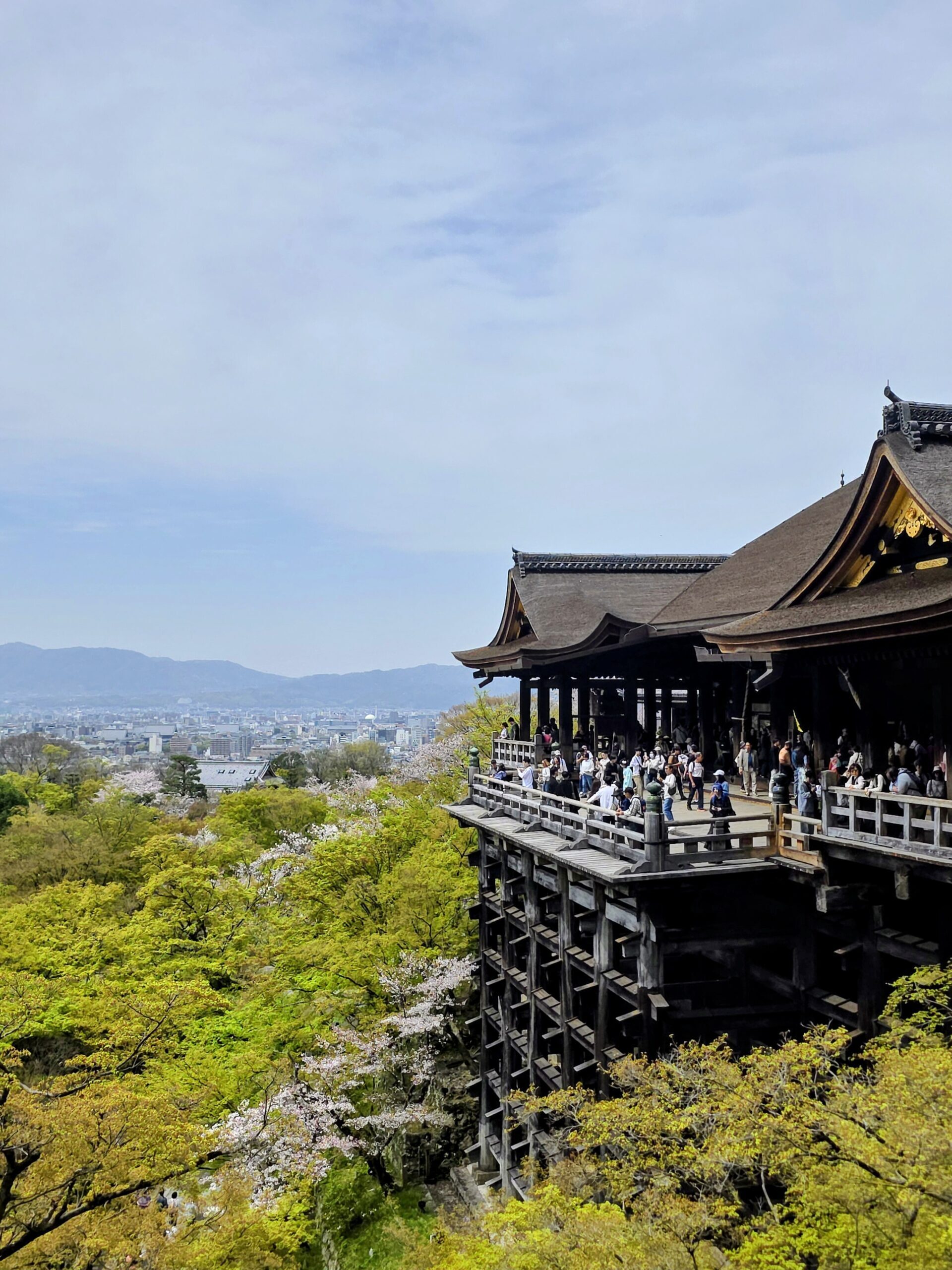
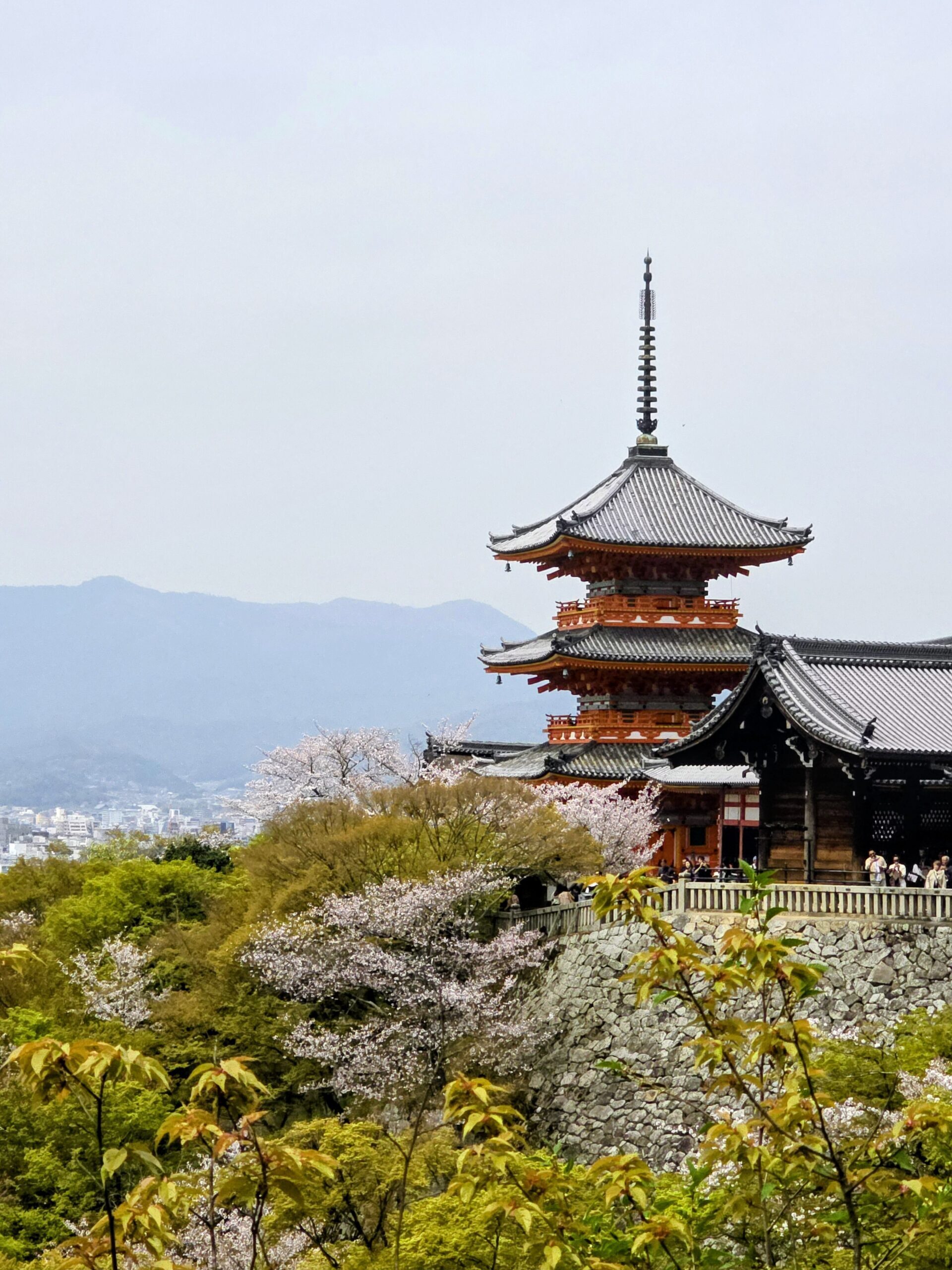
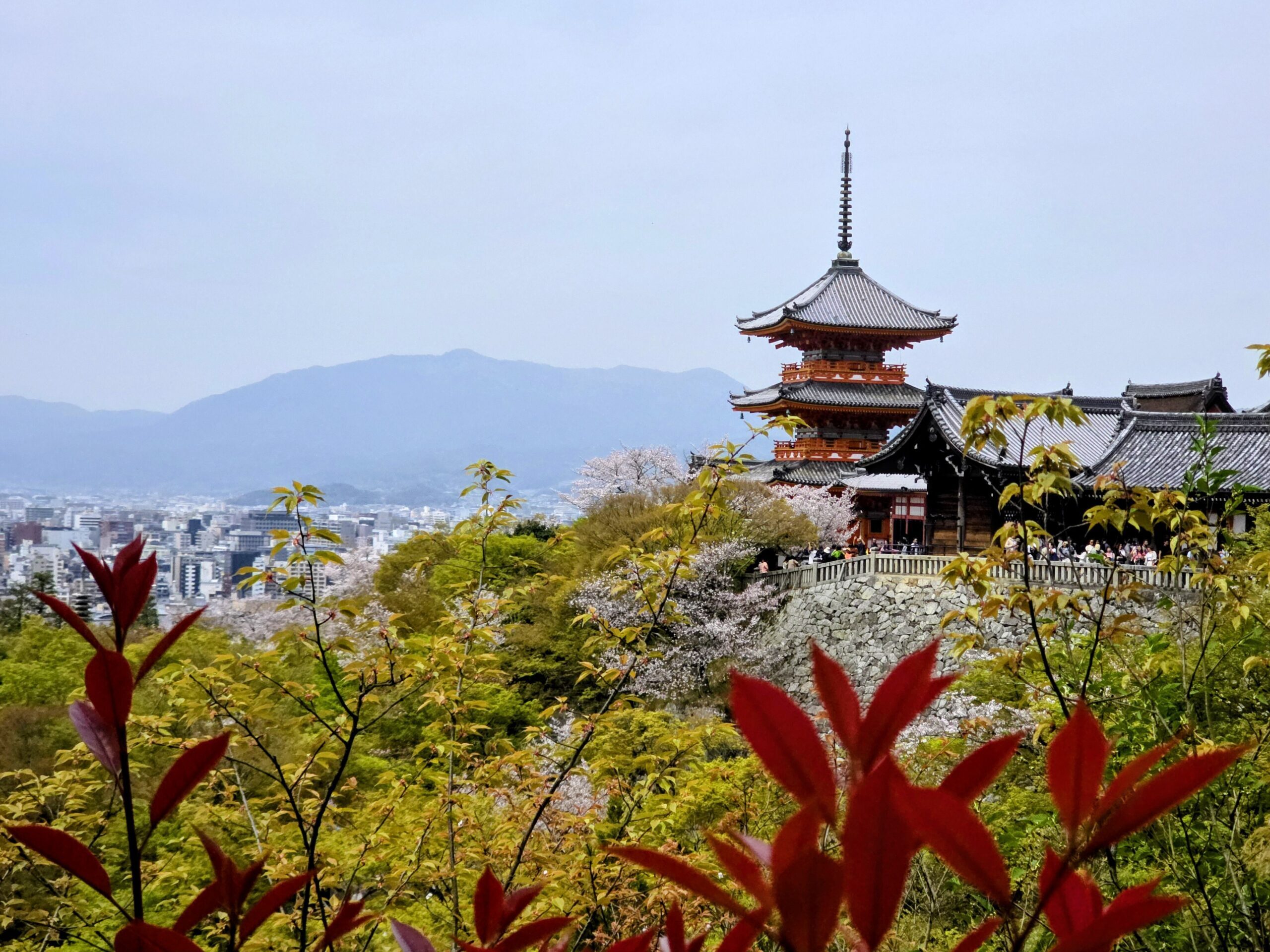
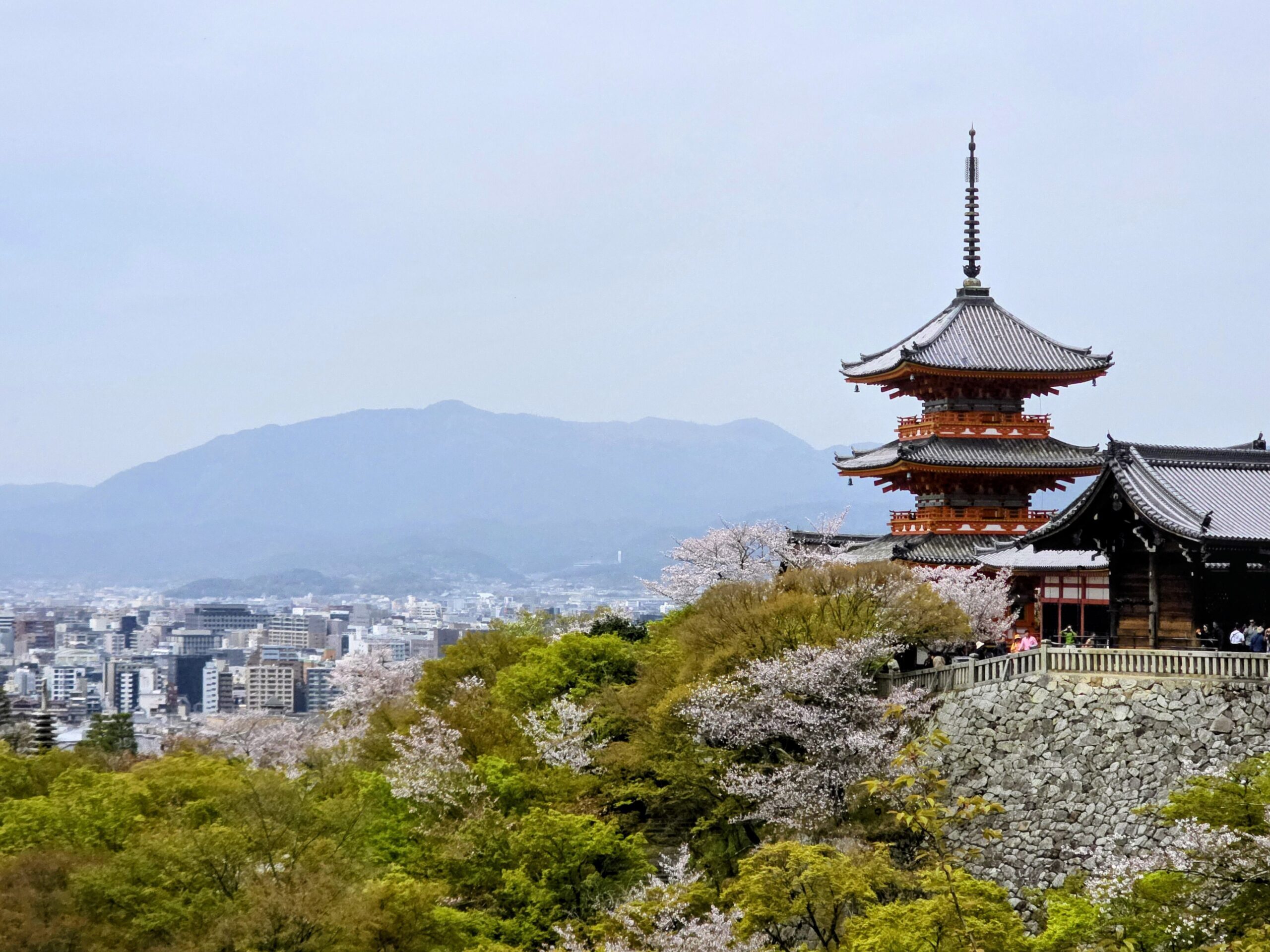
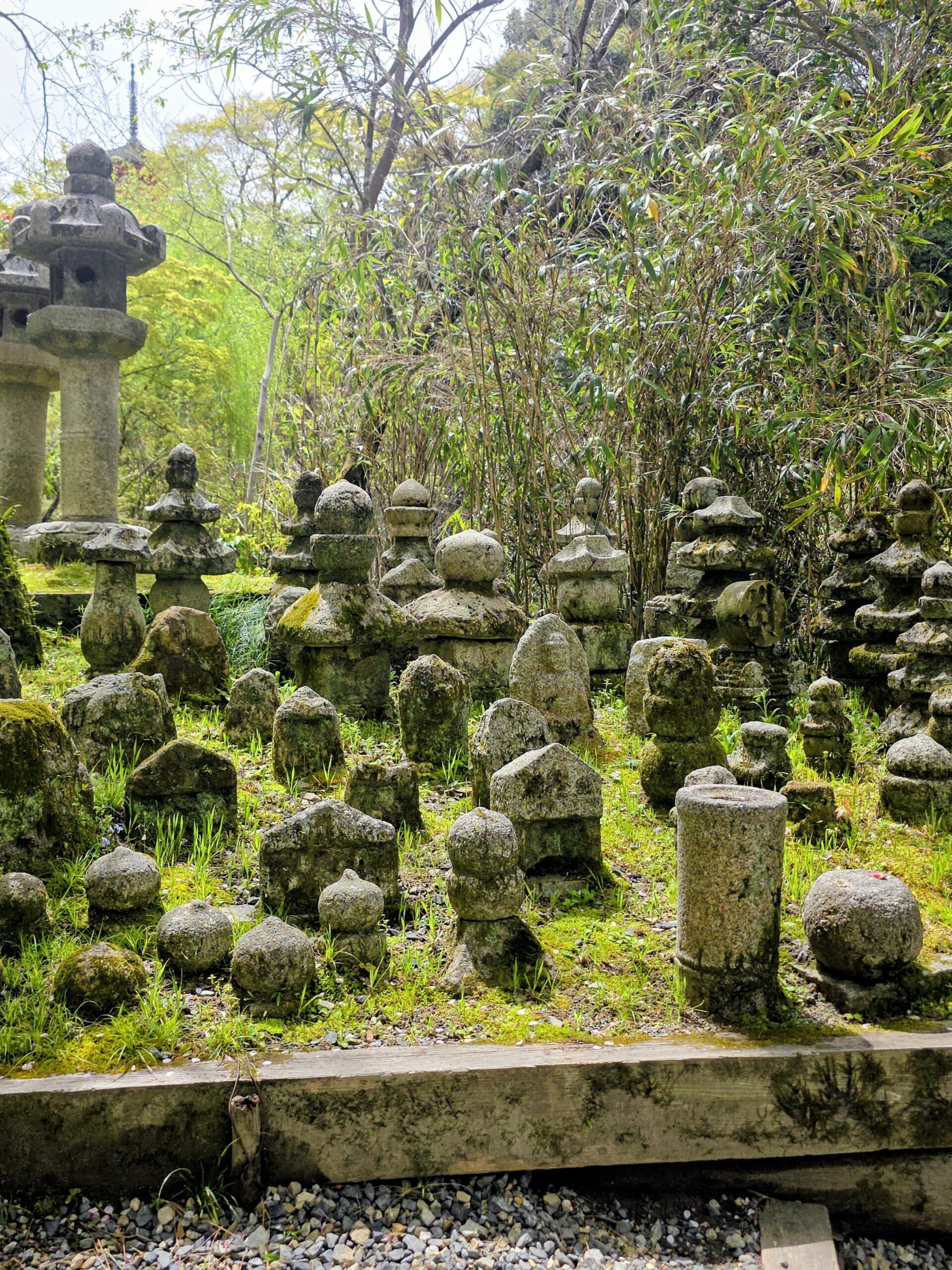
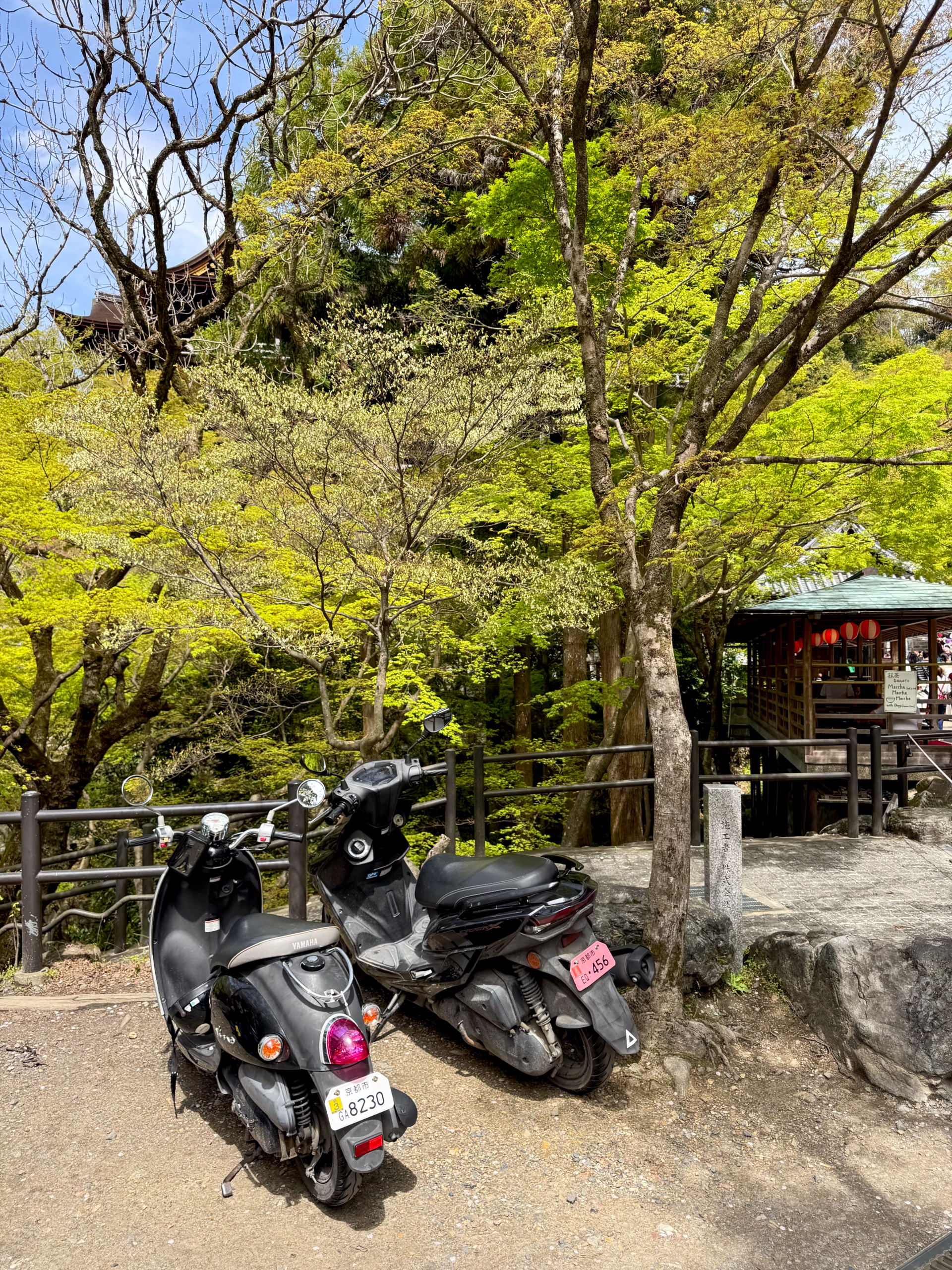
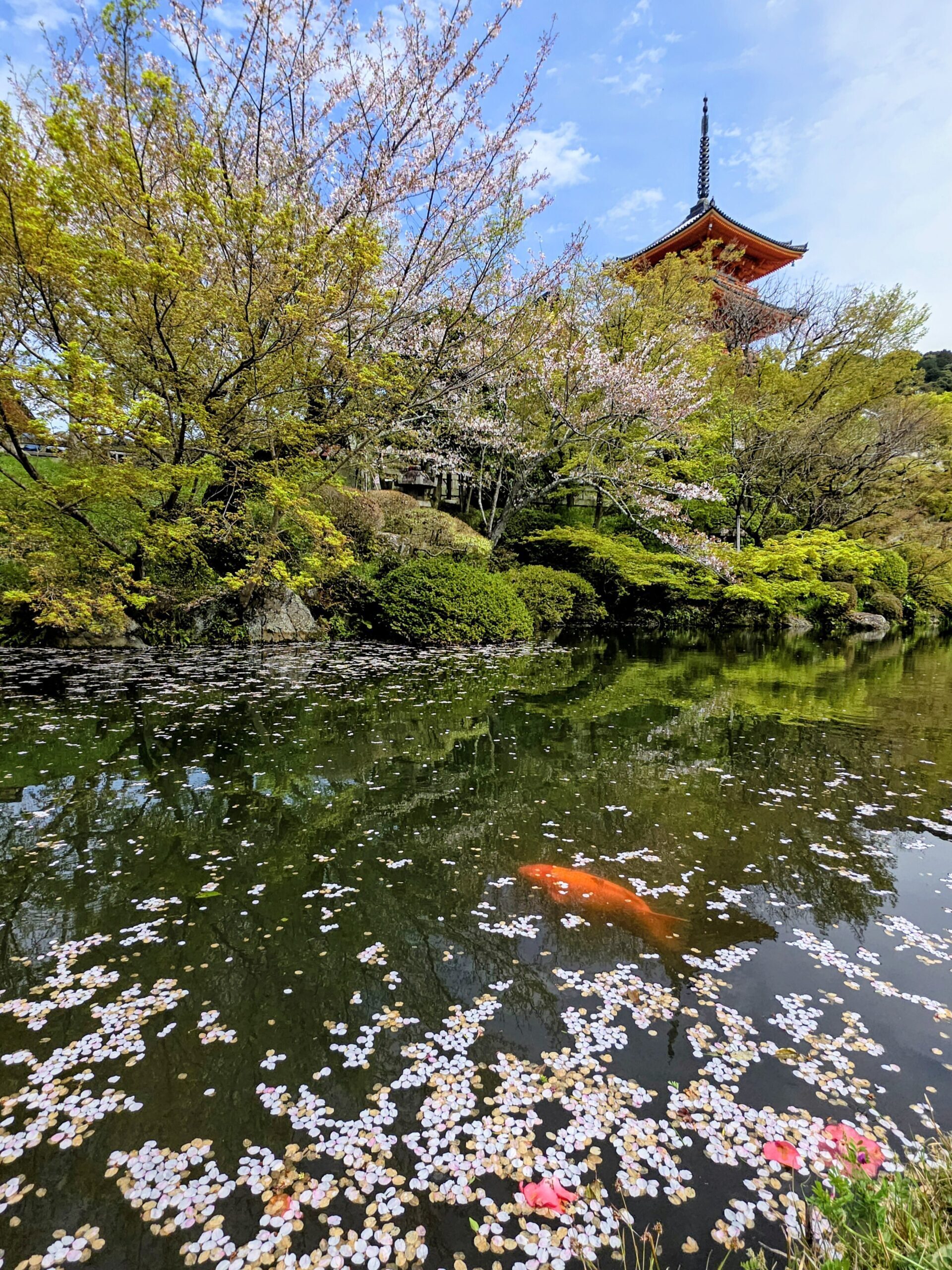
We had secured Nintendo Museum tickets, which is not for the faint of heart. Only a limited number are available, sold months in advance, timed entry only, and distributed through a lottery system. The museum is technically located in Uji, just outside Kyoto. We had time before our entry slot, so I brought my girlfriend to Kiyomizudera first. Overcast skies, but still breathtaking. Some places earn their reputation regardless of the weather, and this is one of them.
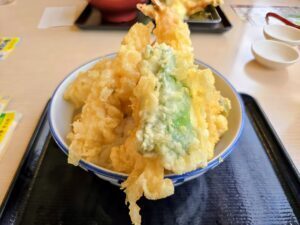
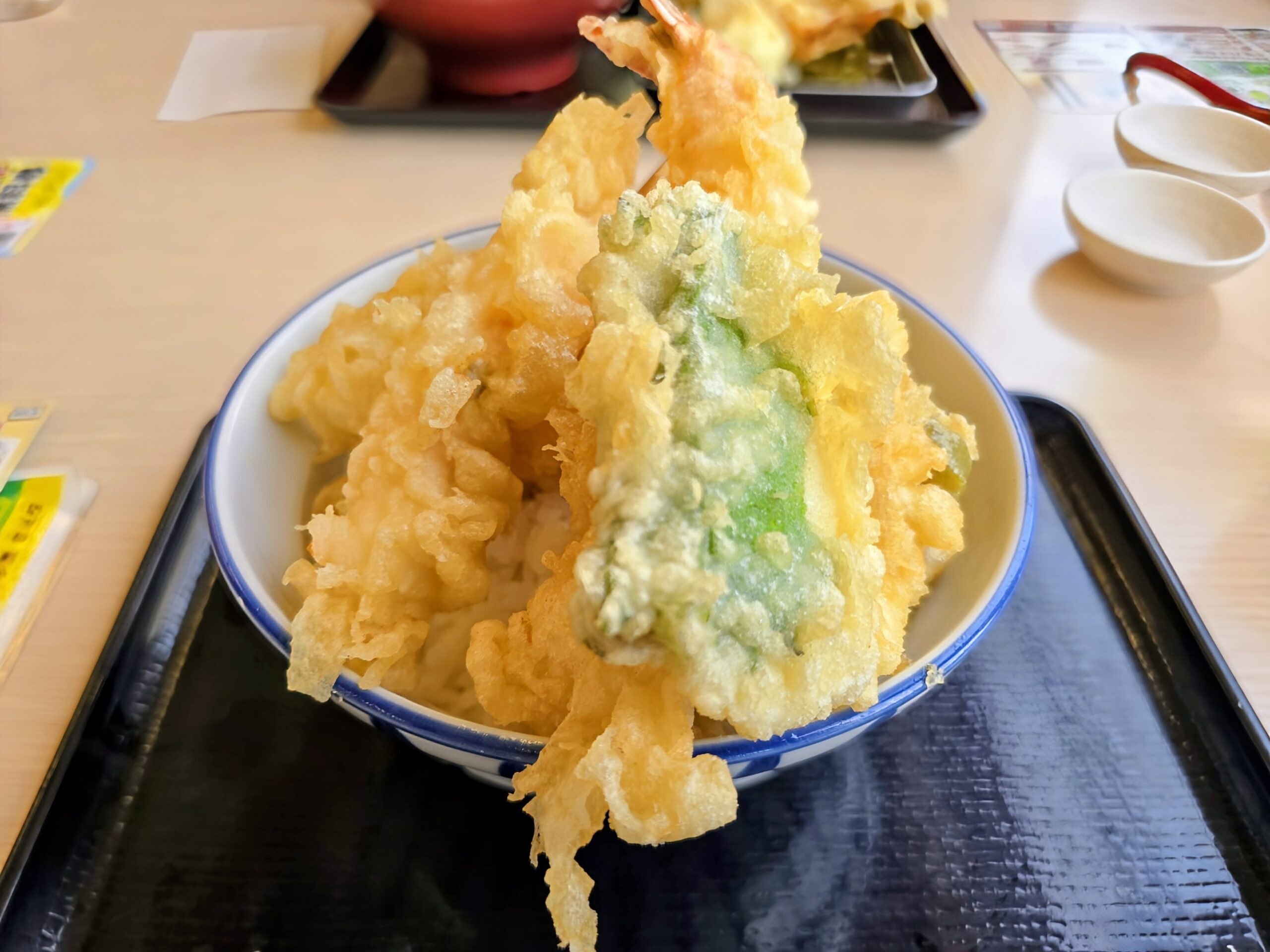
In Uji, we ate at a small tempura restaurant called Tempura Santen before the museum. The ordering machine was entirely in Japanese with no English option or photos. I navigated the whole thing: our orders, the add-ons, the modifications, completely in Japanese with no assistance. Years of studying the language, and moments like this are why. I was more than mildly proud.
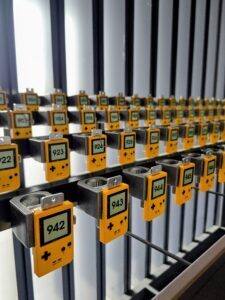
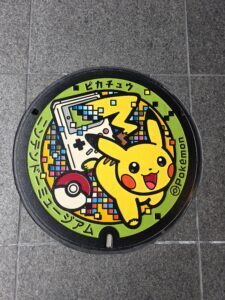
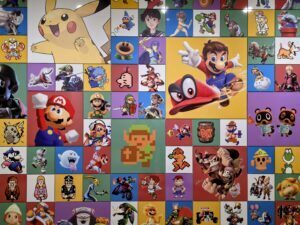
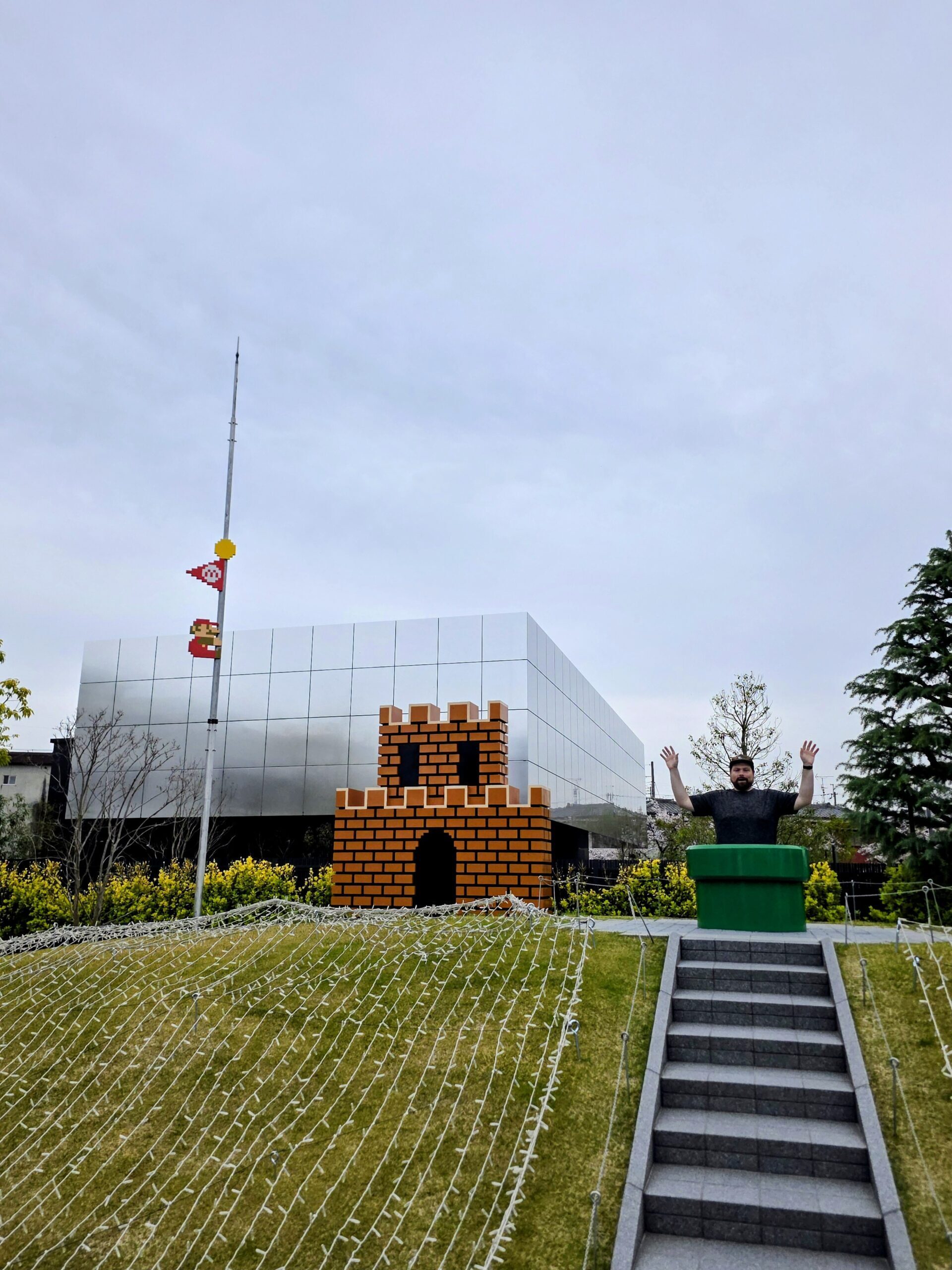
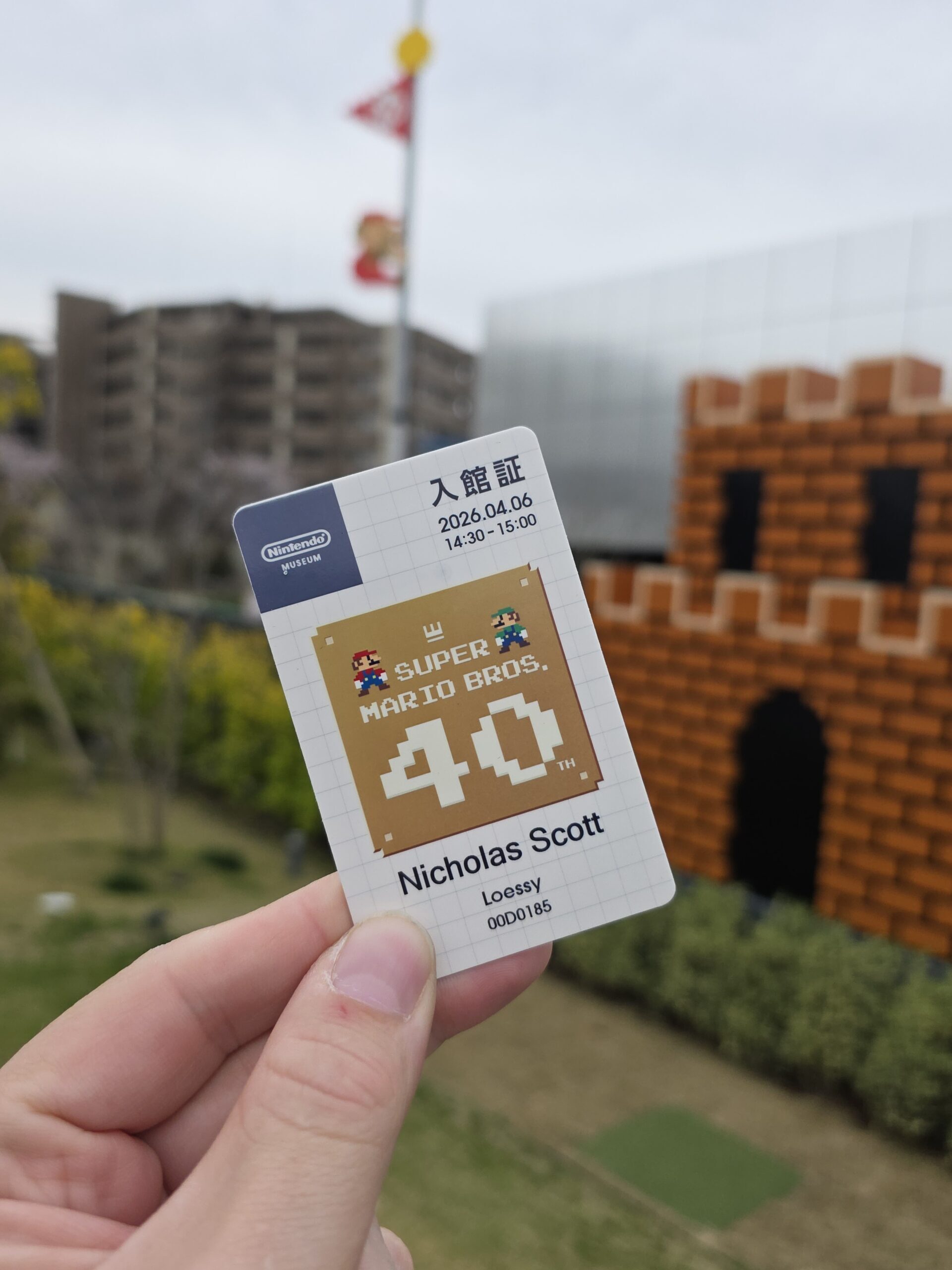
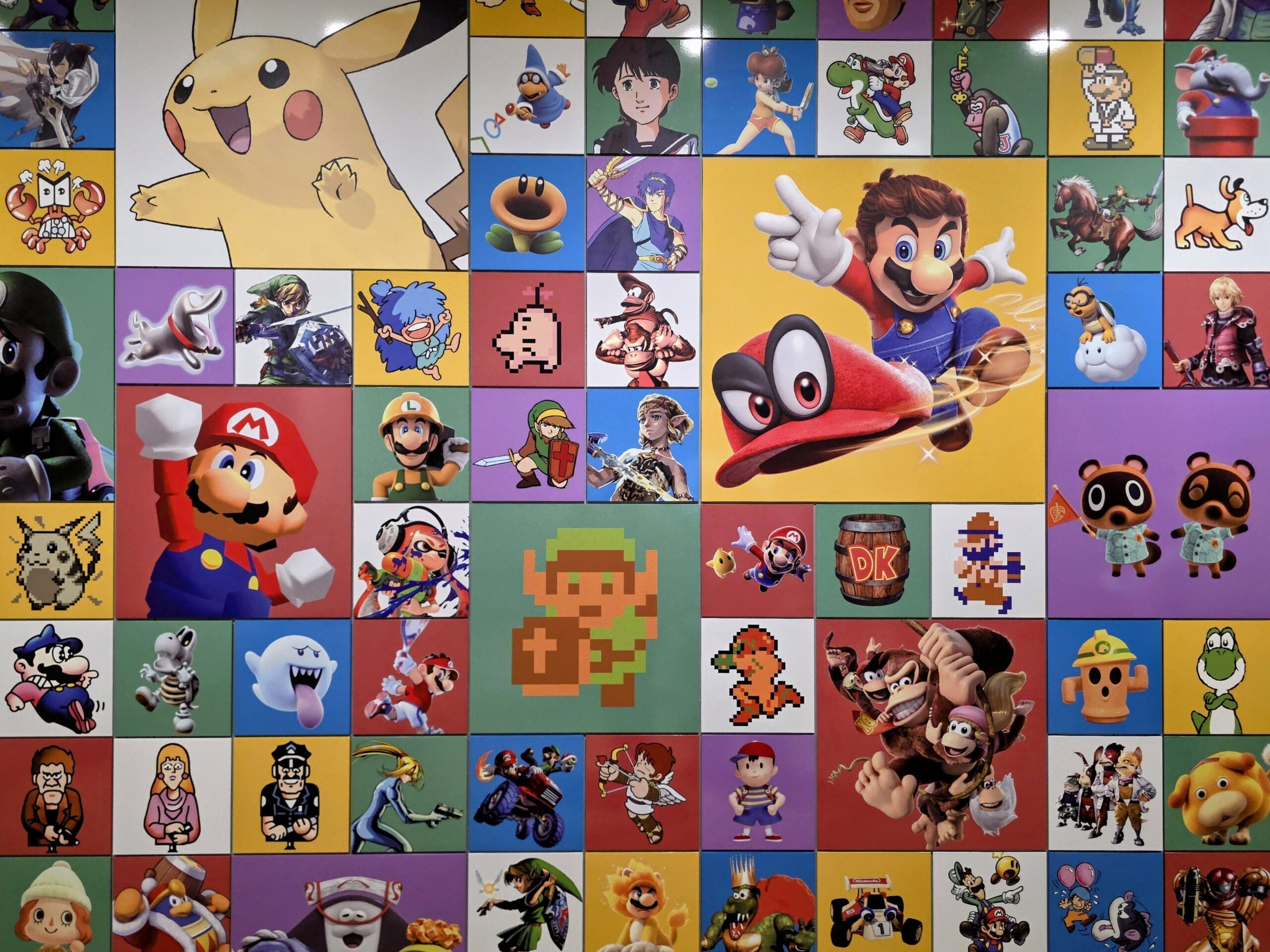
The Nintendo Museum doesn’t allow photography, so you’ll have to take my word for it: the presentation is exceptional. Giant controller models hang from the ceiling representing each console generation. Full game box art libraries line the walls. Sales statistics broken down by region are displayed throughout. It’s a love letter to gaming history executed with the kind of precision and care that both lifelong gamers and total “newbs” can appreciate.
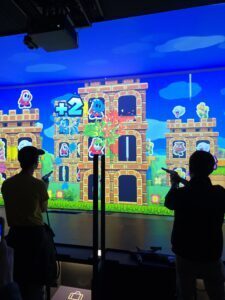
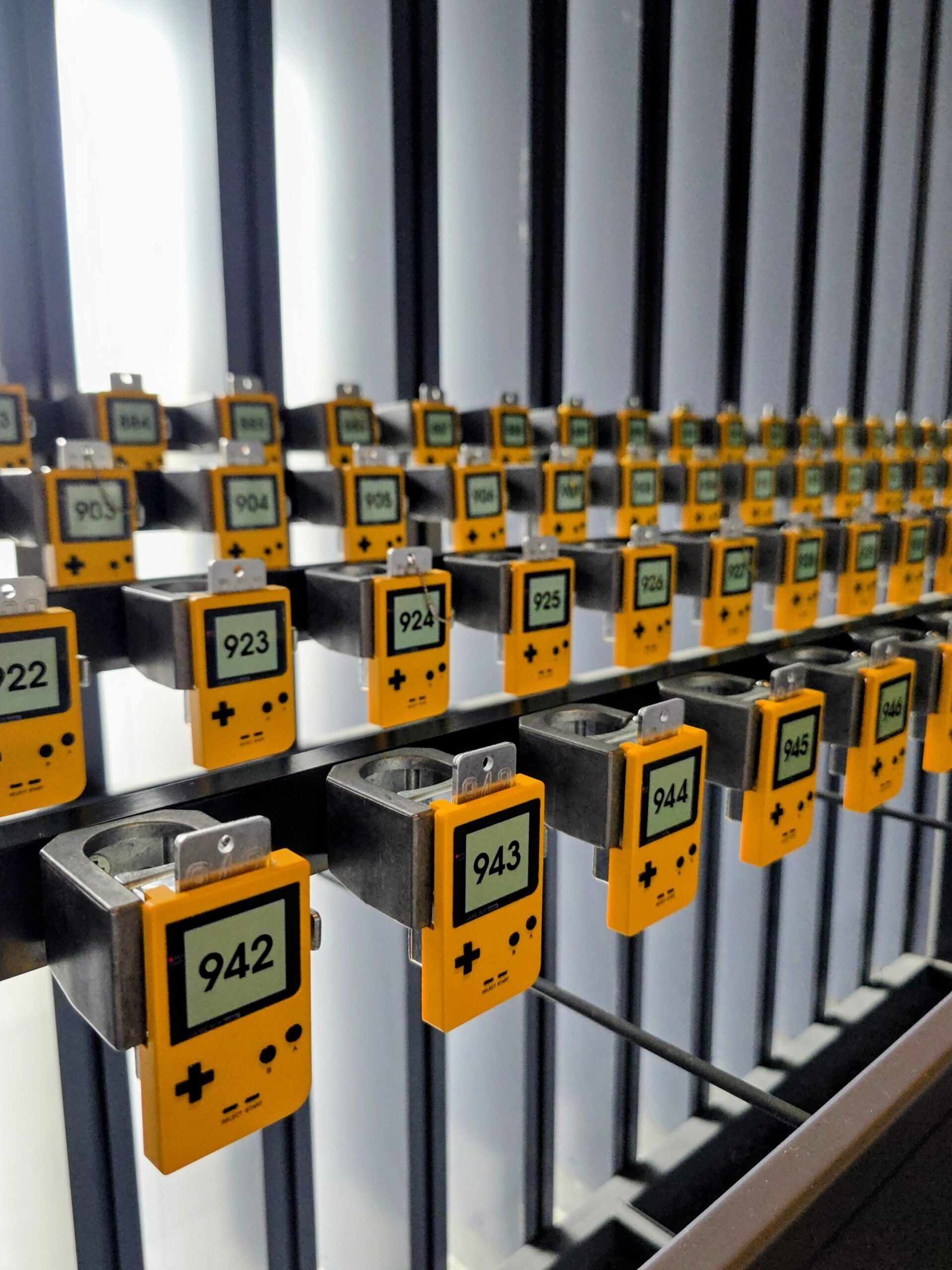
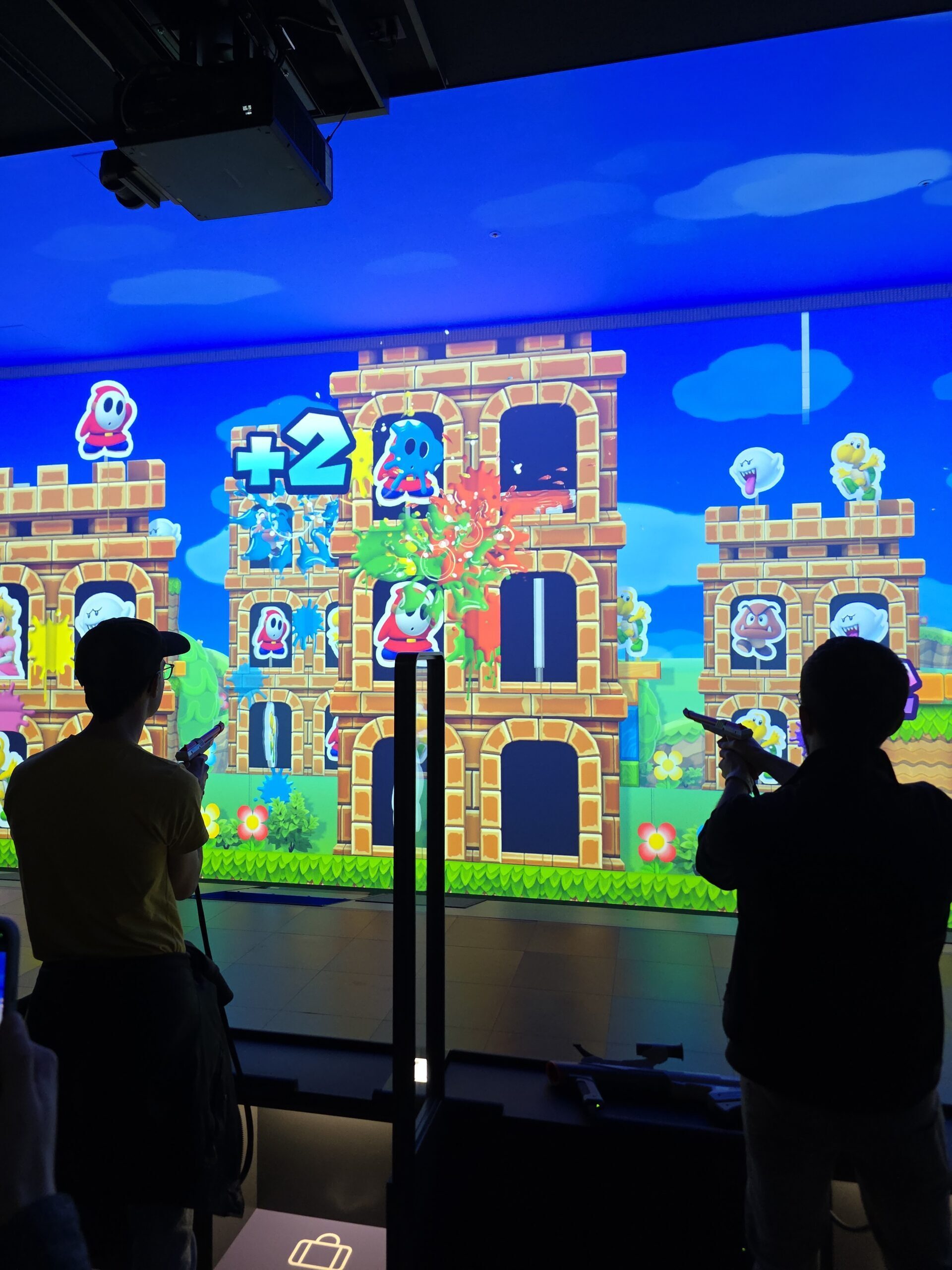
Your entry ticket is an IC card preloaded with tokens, which you use to actually play games. I placed second in the duck hunt-style shooting contest. I want to be clear: I could have placed first. I didn’t realize you could score multiple points by hitting the same target repeatedly, so that cost me the lead in the opening phase. But also, it’s a shooting game and I’m American. That’s practically a home field advantage. Second place is acceptable, I suppose.
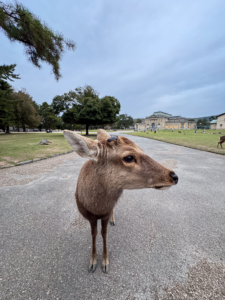
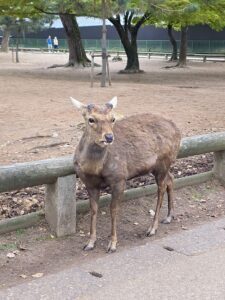
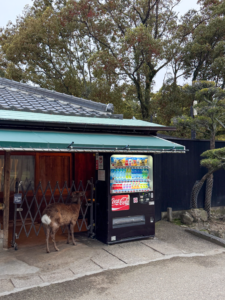
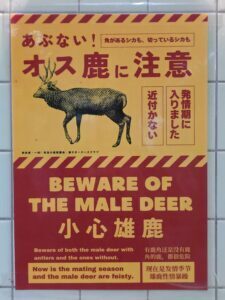
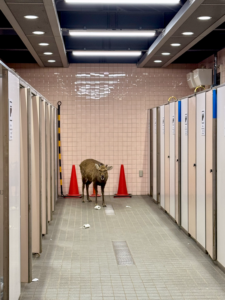
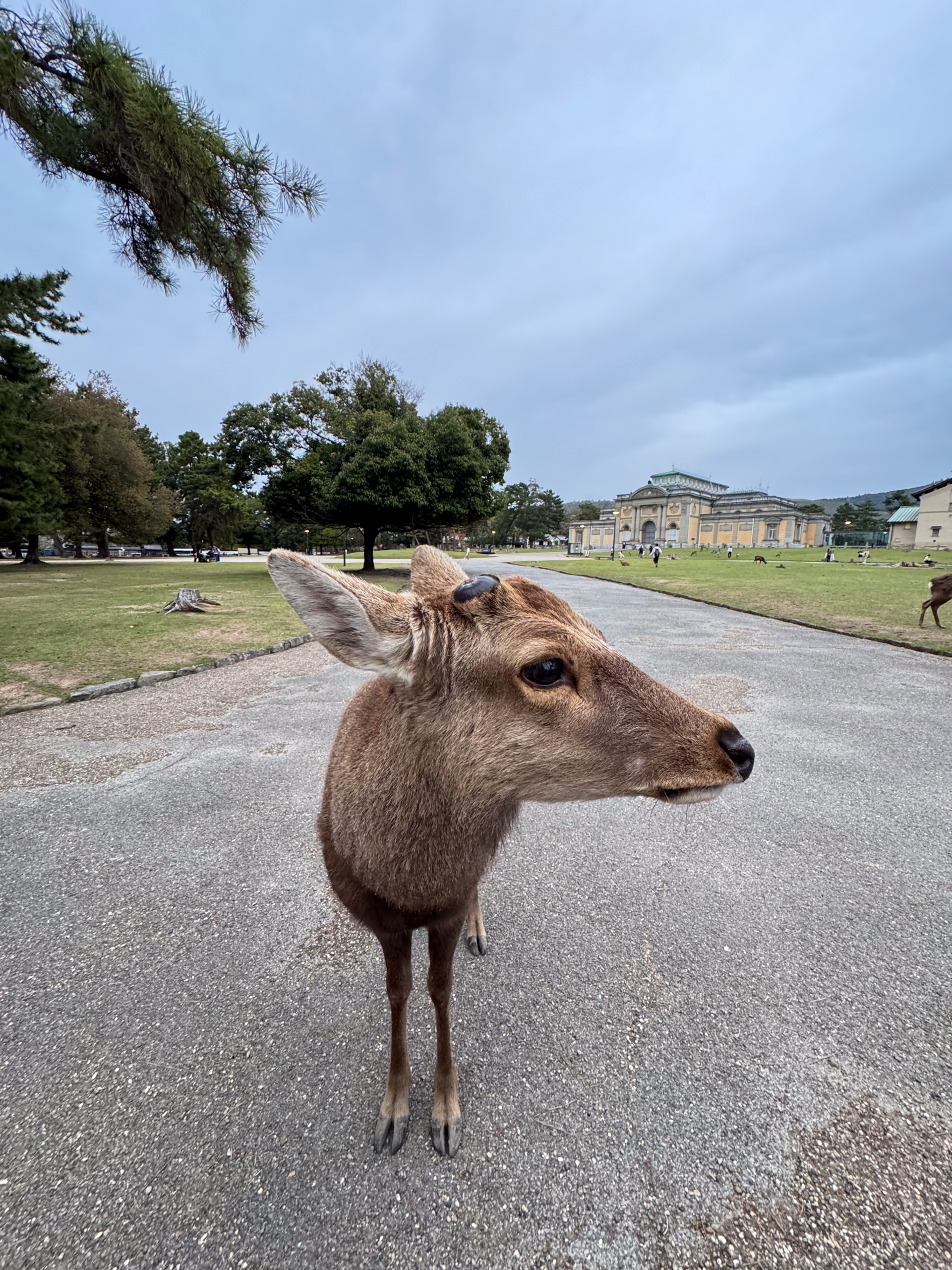
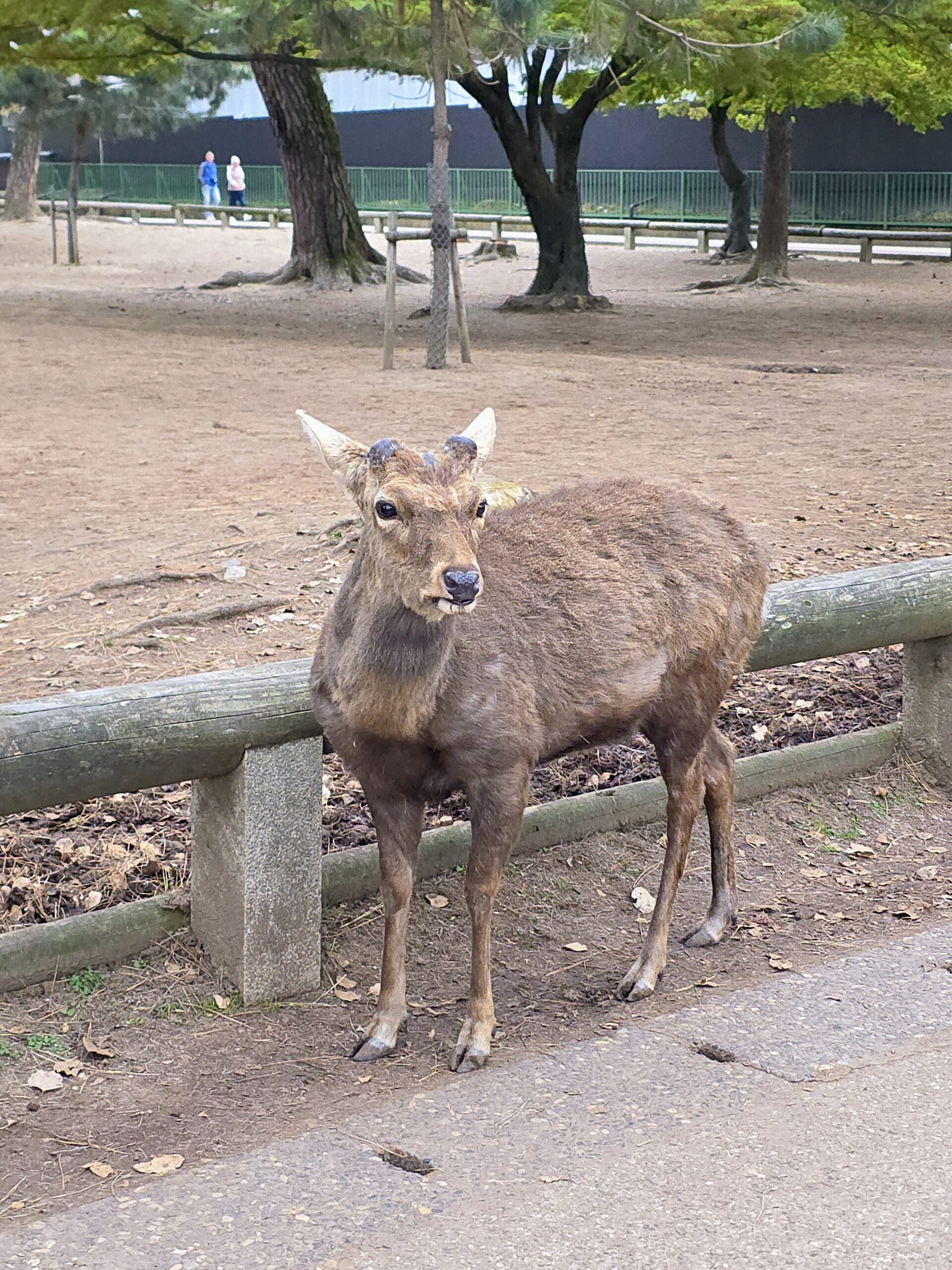
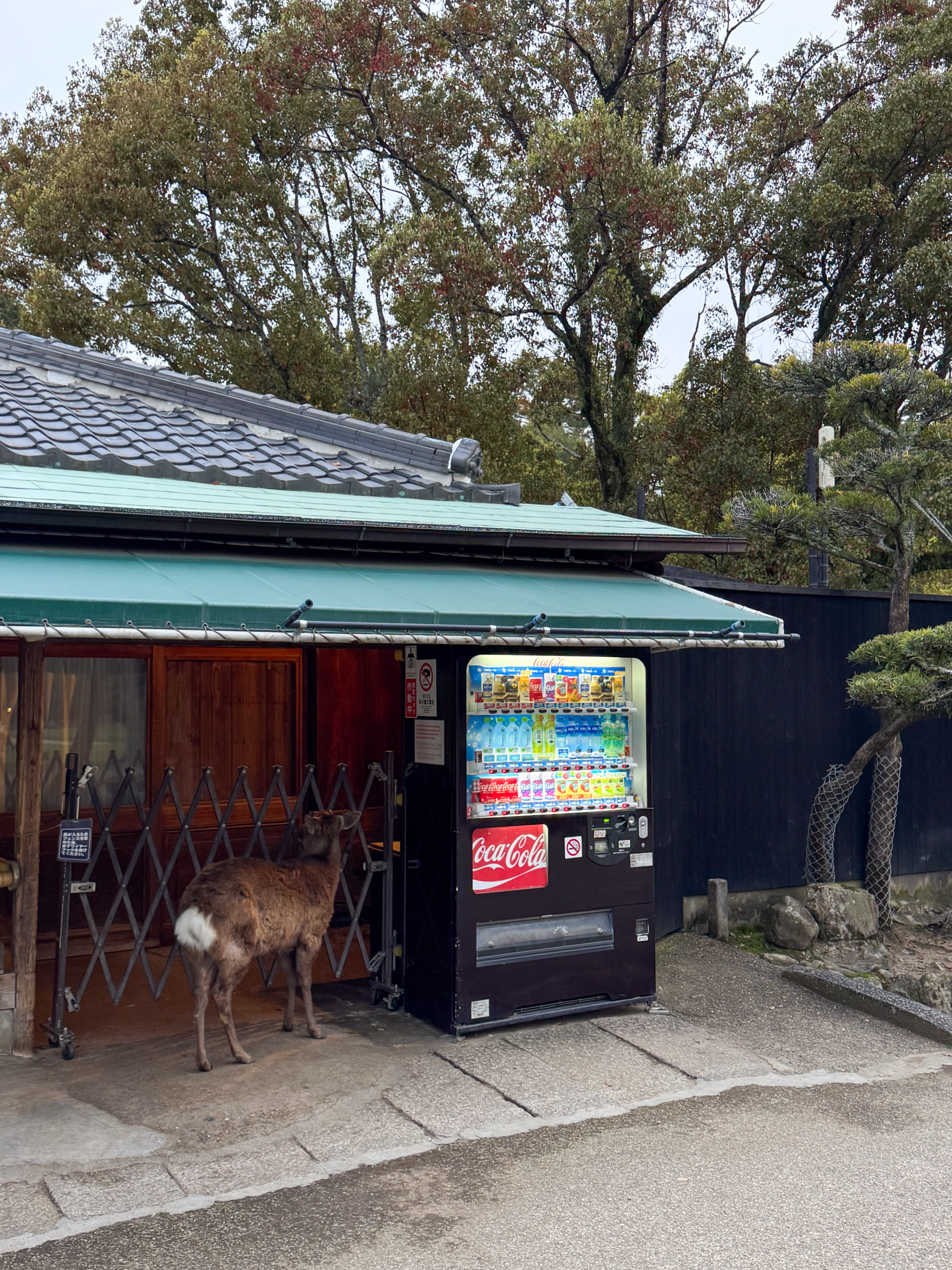
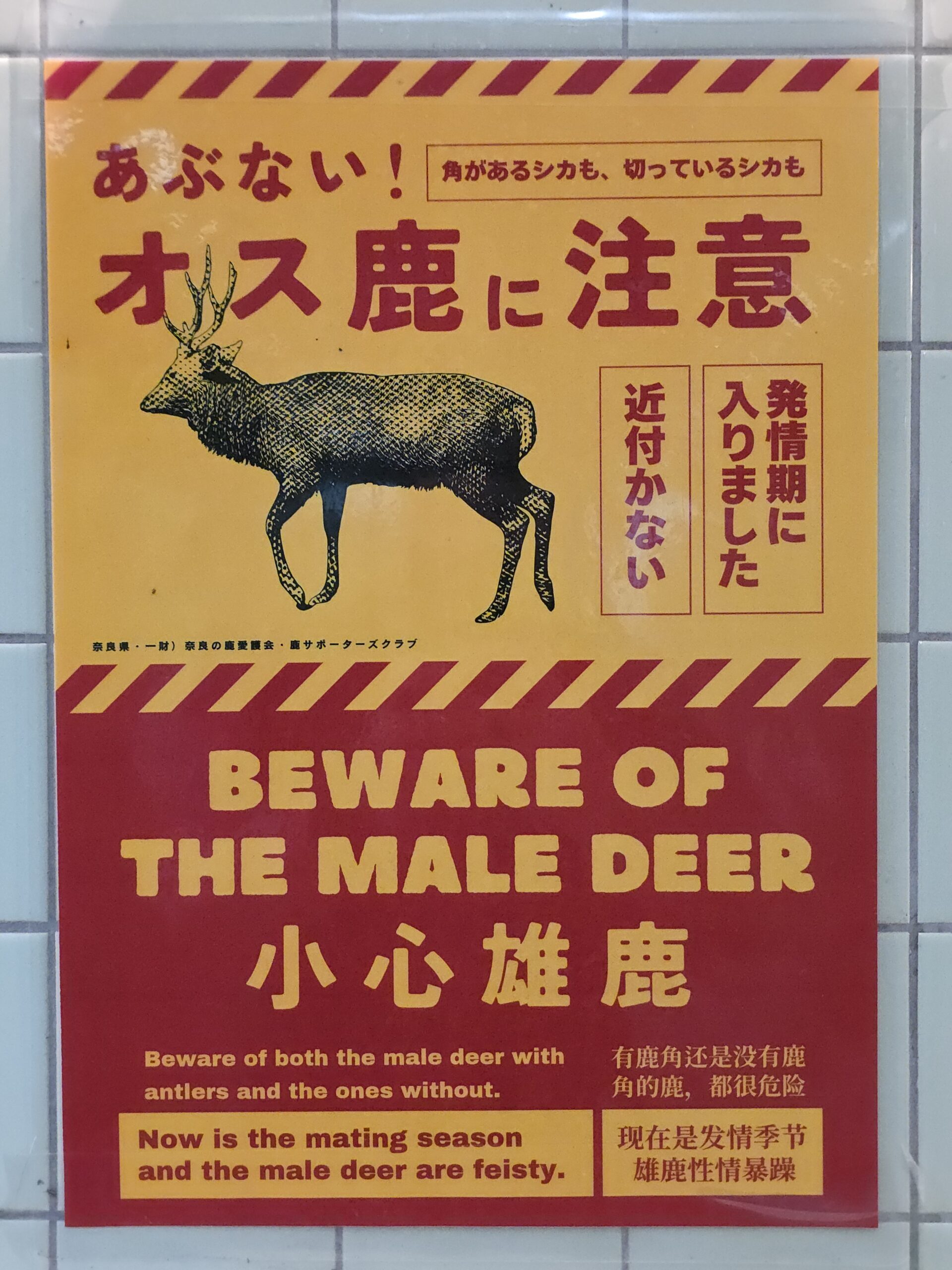
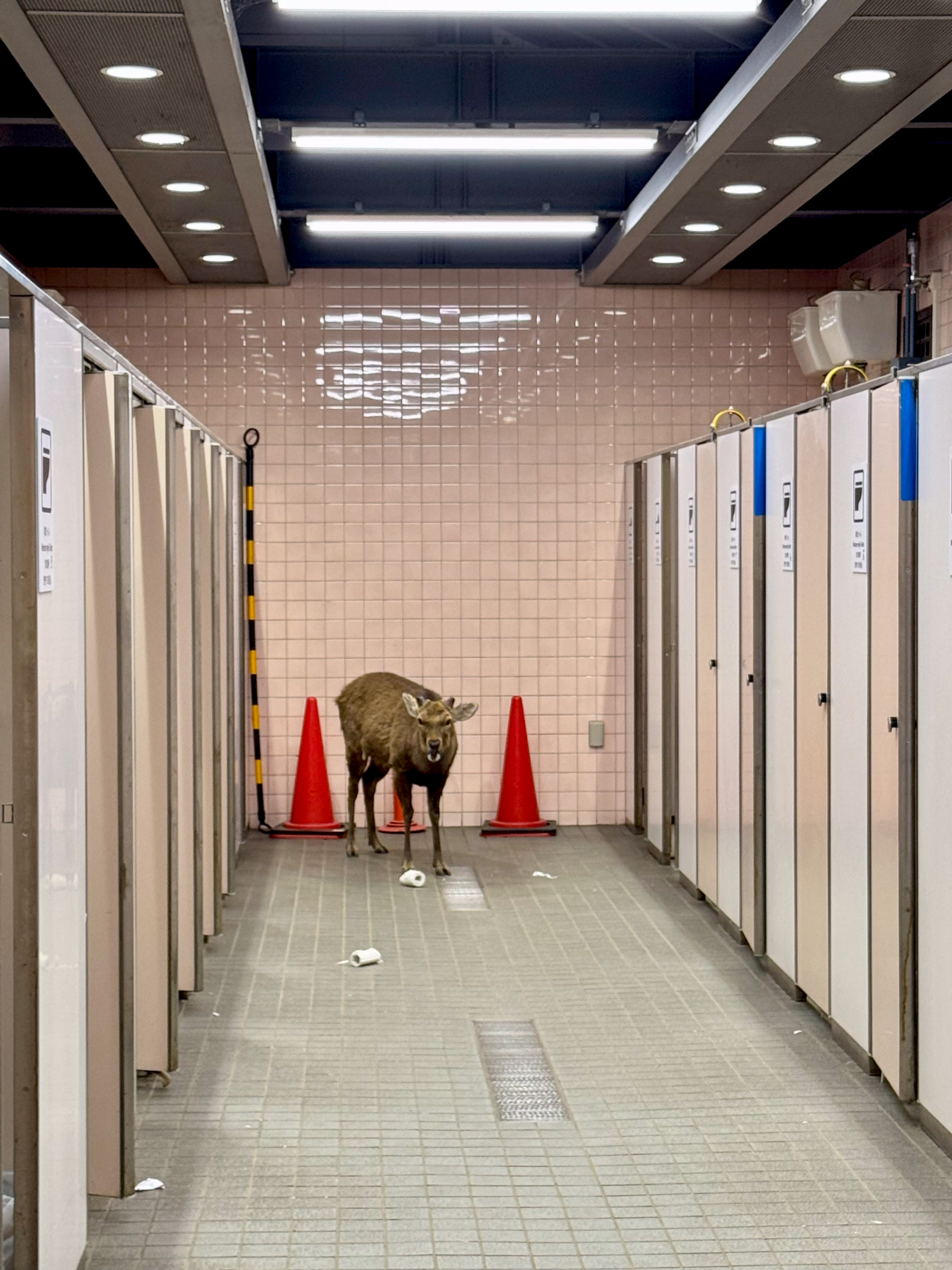
On the way back we stopped in Nara for the deer. Evening hours meant many had retreated into the woods, but plenty were still out roaming and exhibiting their trademark bowing behavior in exchange for food. After dark though, things got a little different. One deer had wandered into the women’s restroom, creating what looked like still frame from a horror movie. Another stood patiently next to a vending machine, waiting. Just waiting. Waiting for food that wouldn’t come until morning.
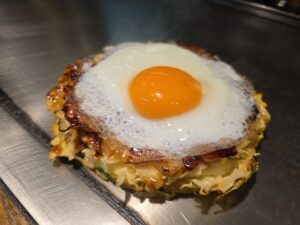
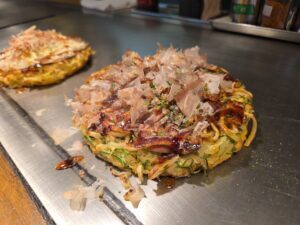
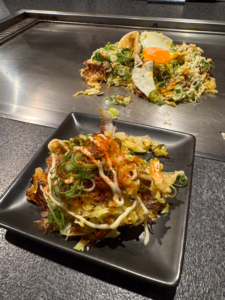
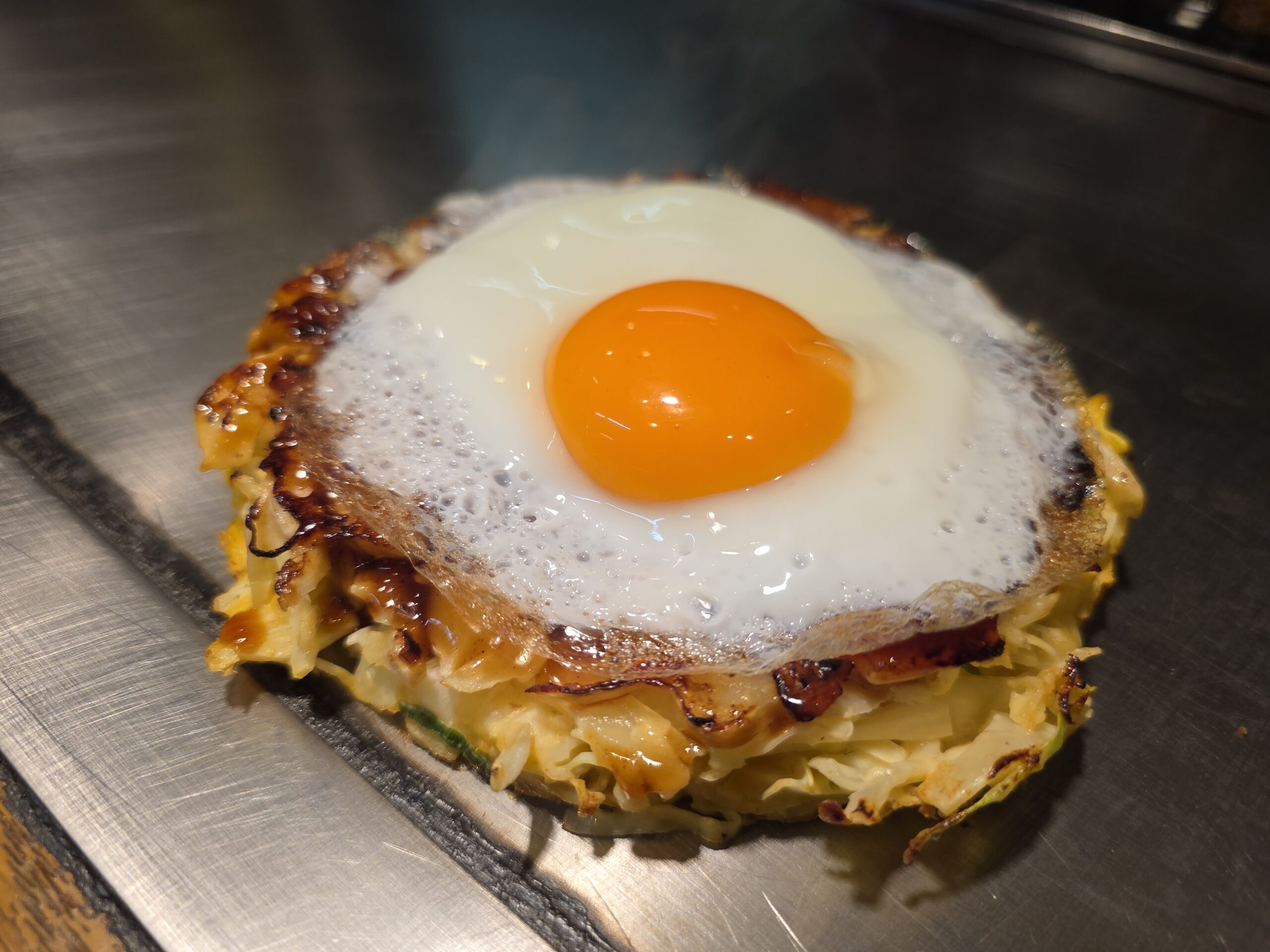
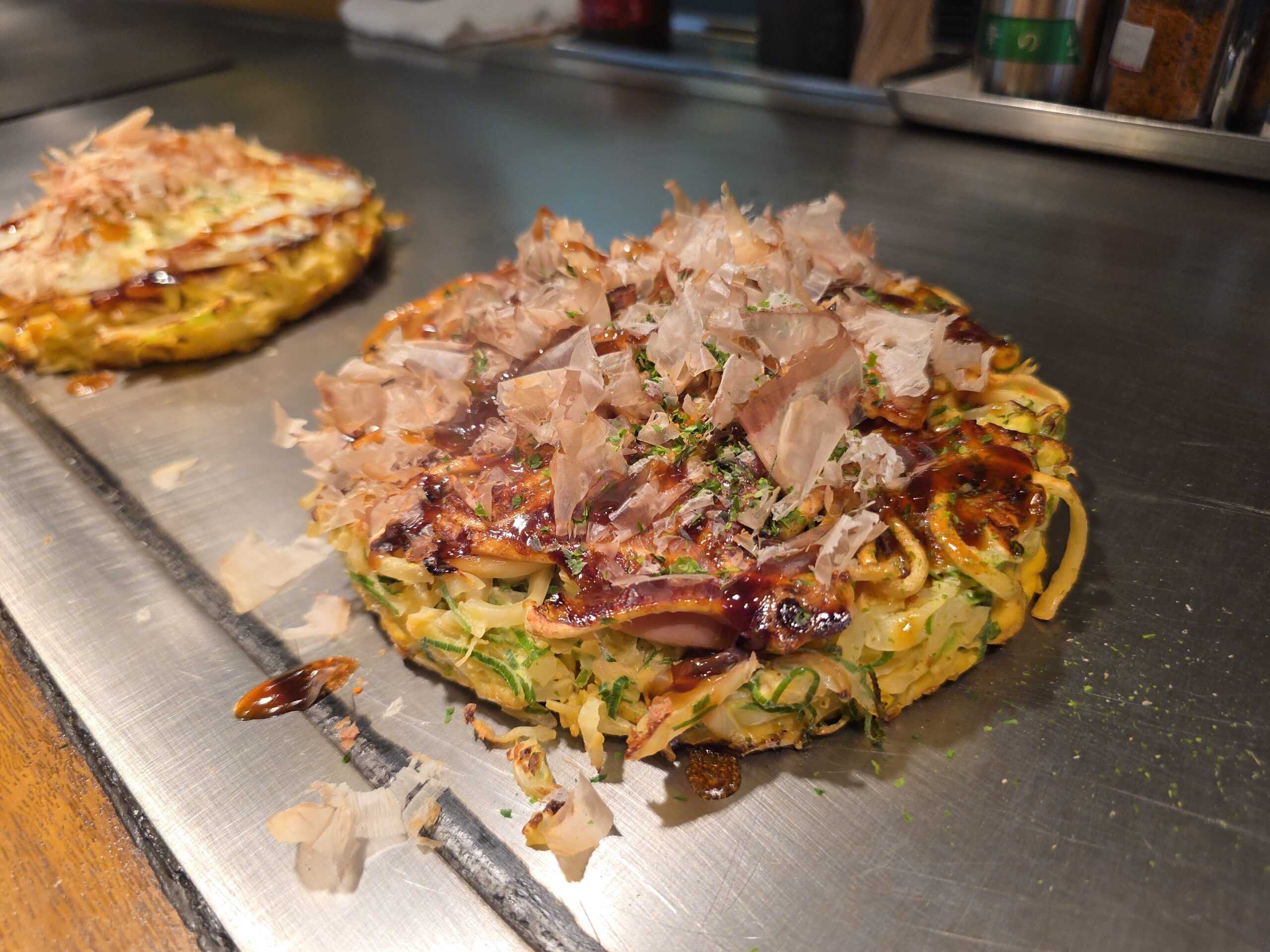
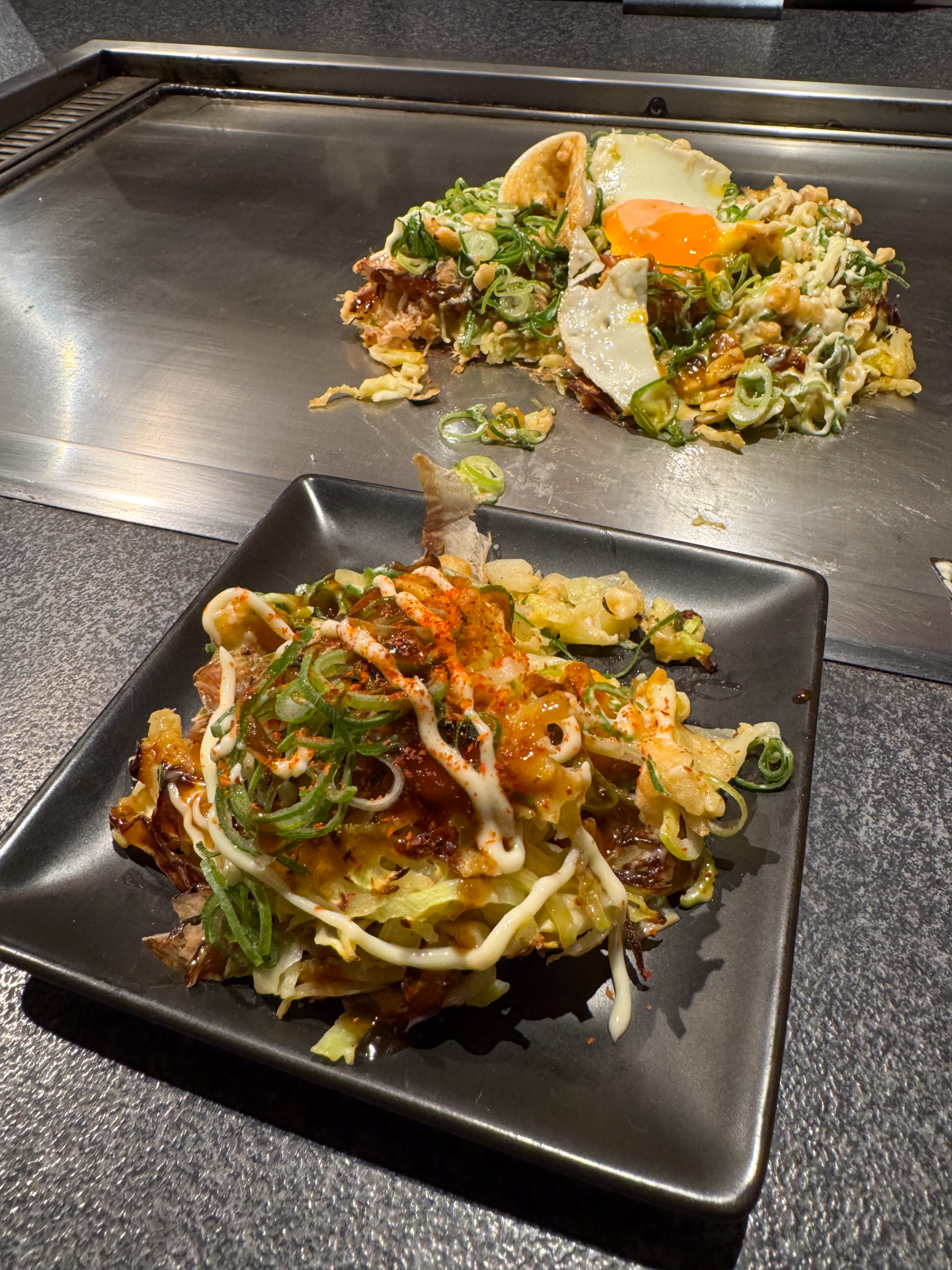
We finished the night in Namba with okonomiyaki. It’s Osaka’s beloved savory pancake of cabbage, egg, flour, your choice of fillings, finished with a sweet-savory sauce and Kewpie mayo. My girlfriend loved it so much she ordered it again on the last day. She now understands why I call Osaka the foodie capital of Japan.
My Parents Chose Disney. I Chose Japan.
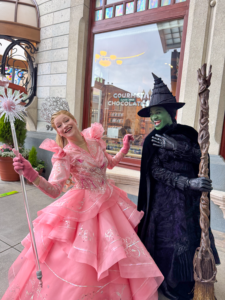
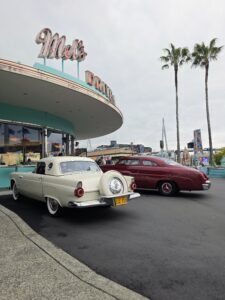
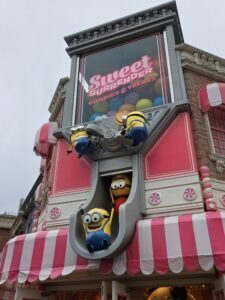
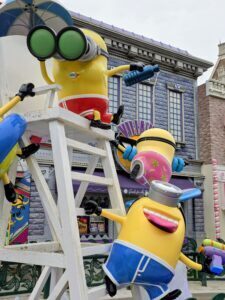
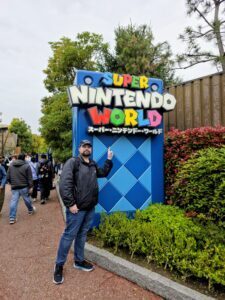
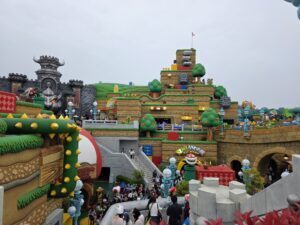
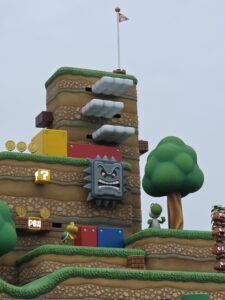
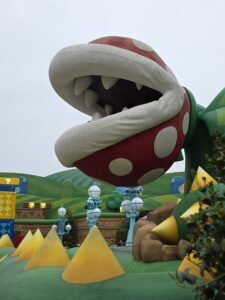
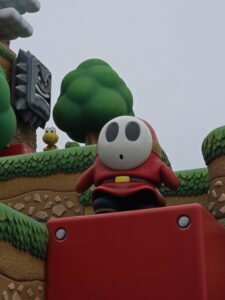
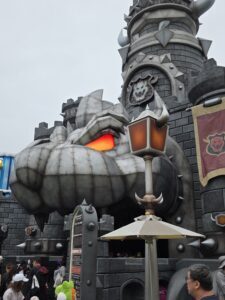
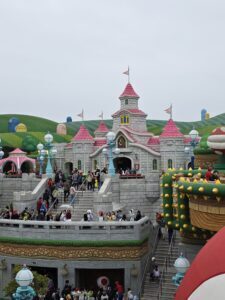
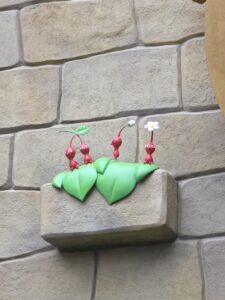
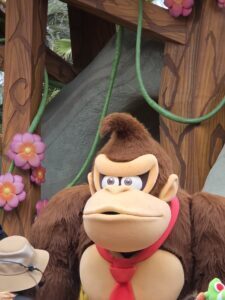
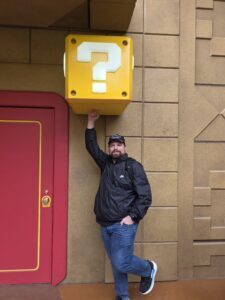
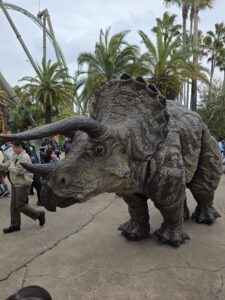
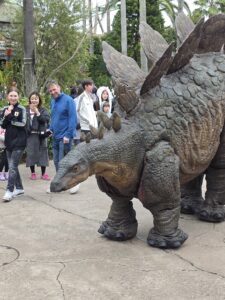
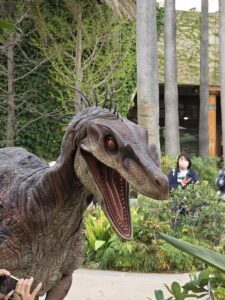
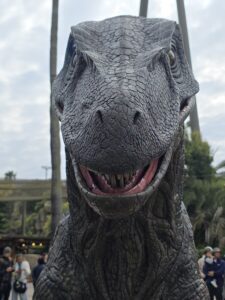
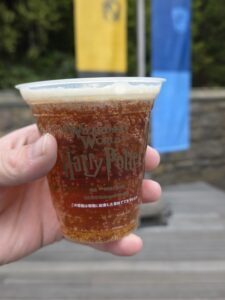
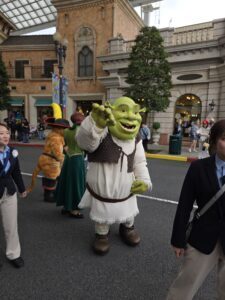
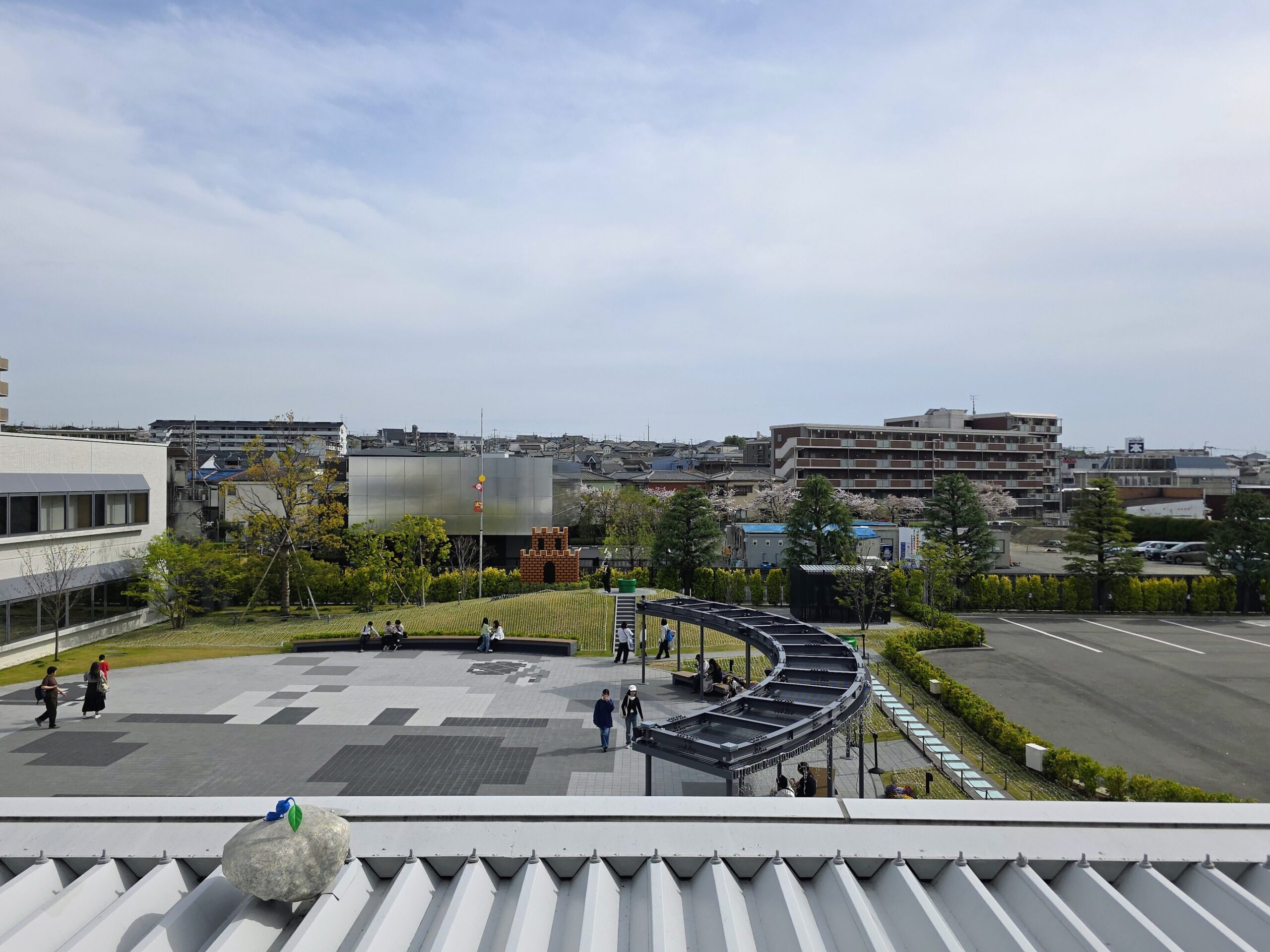
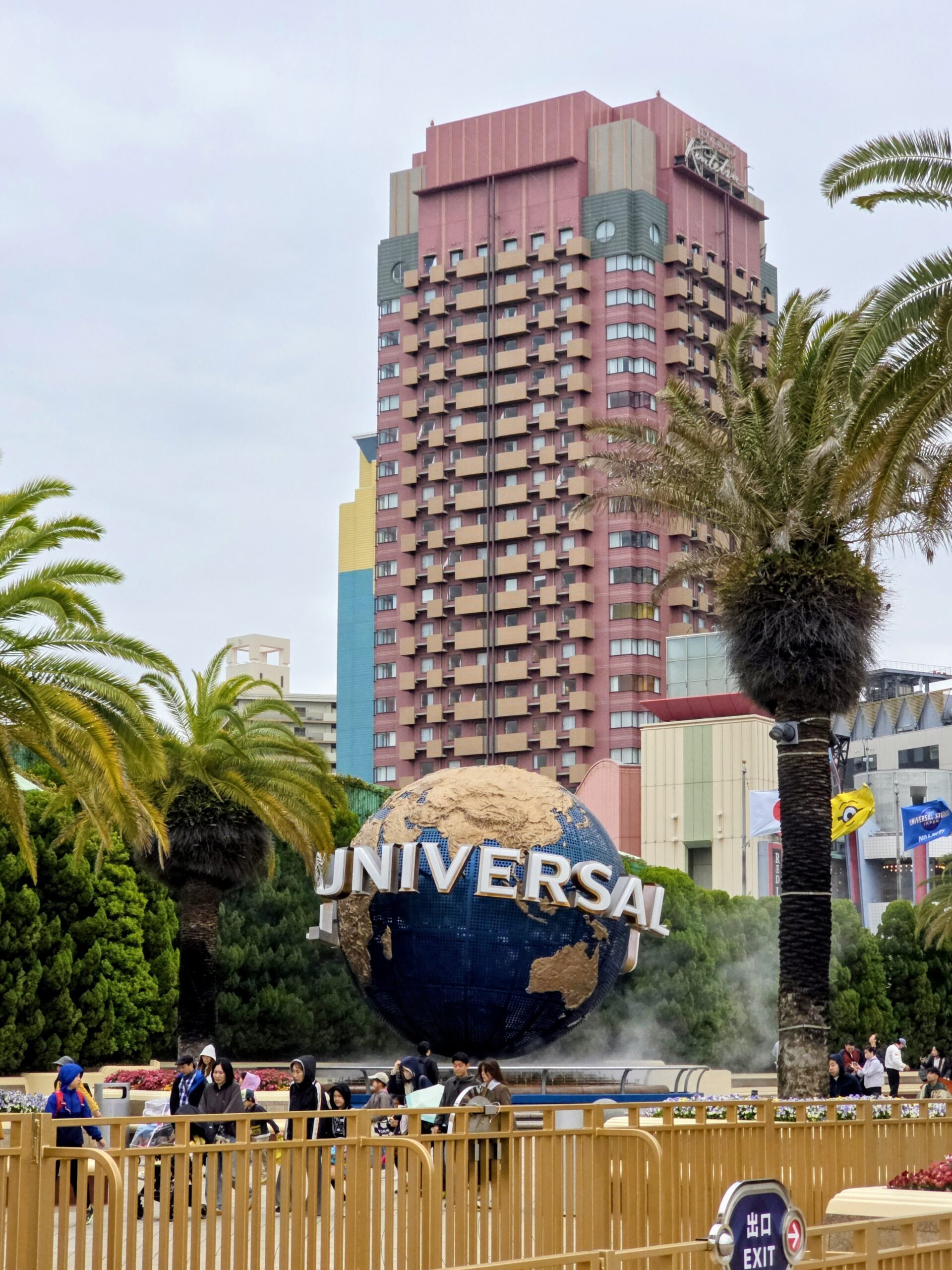
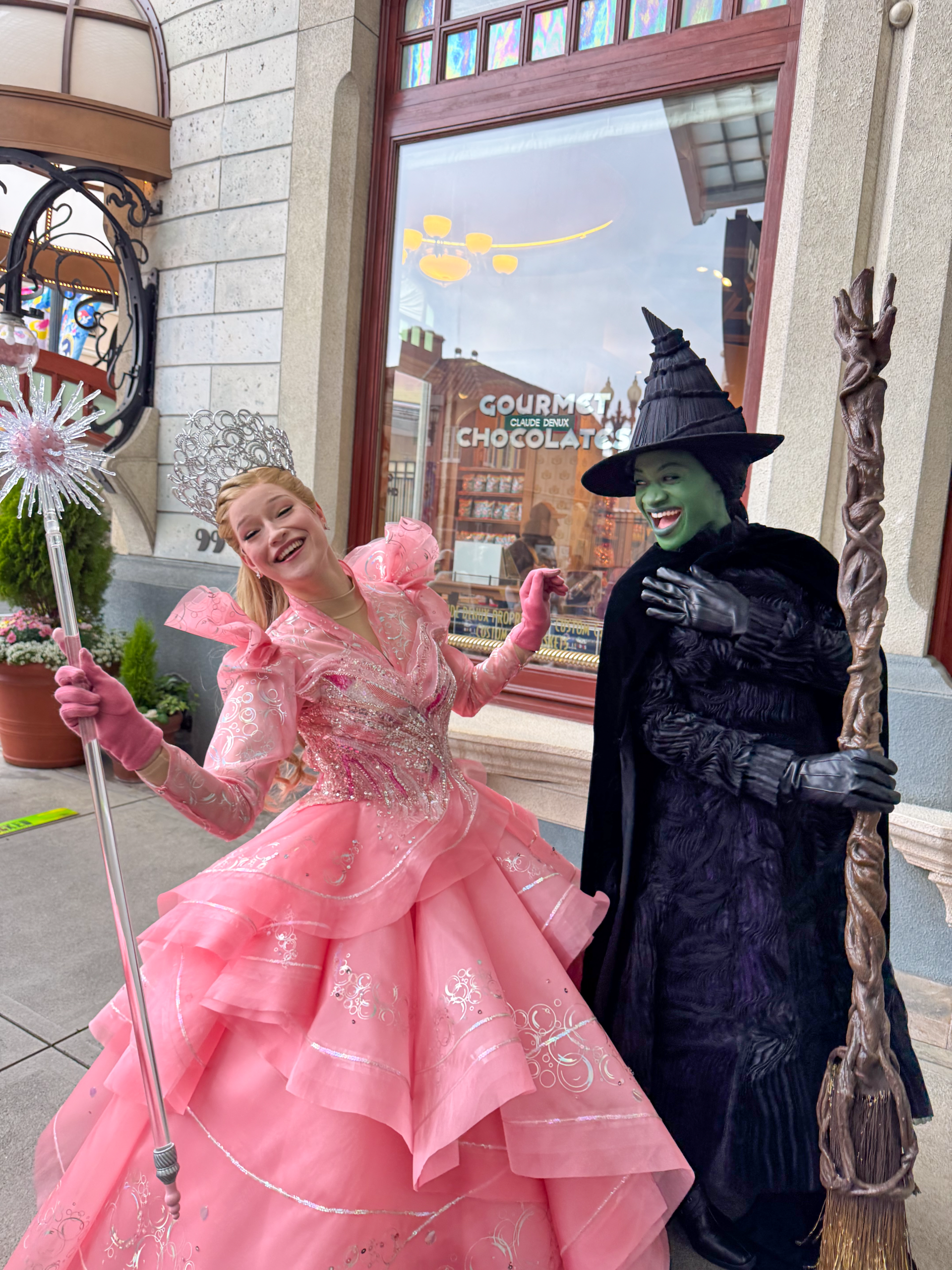
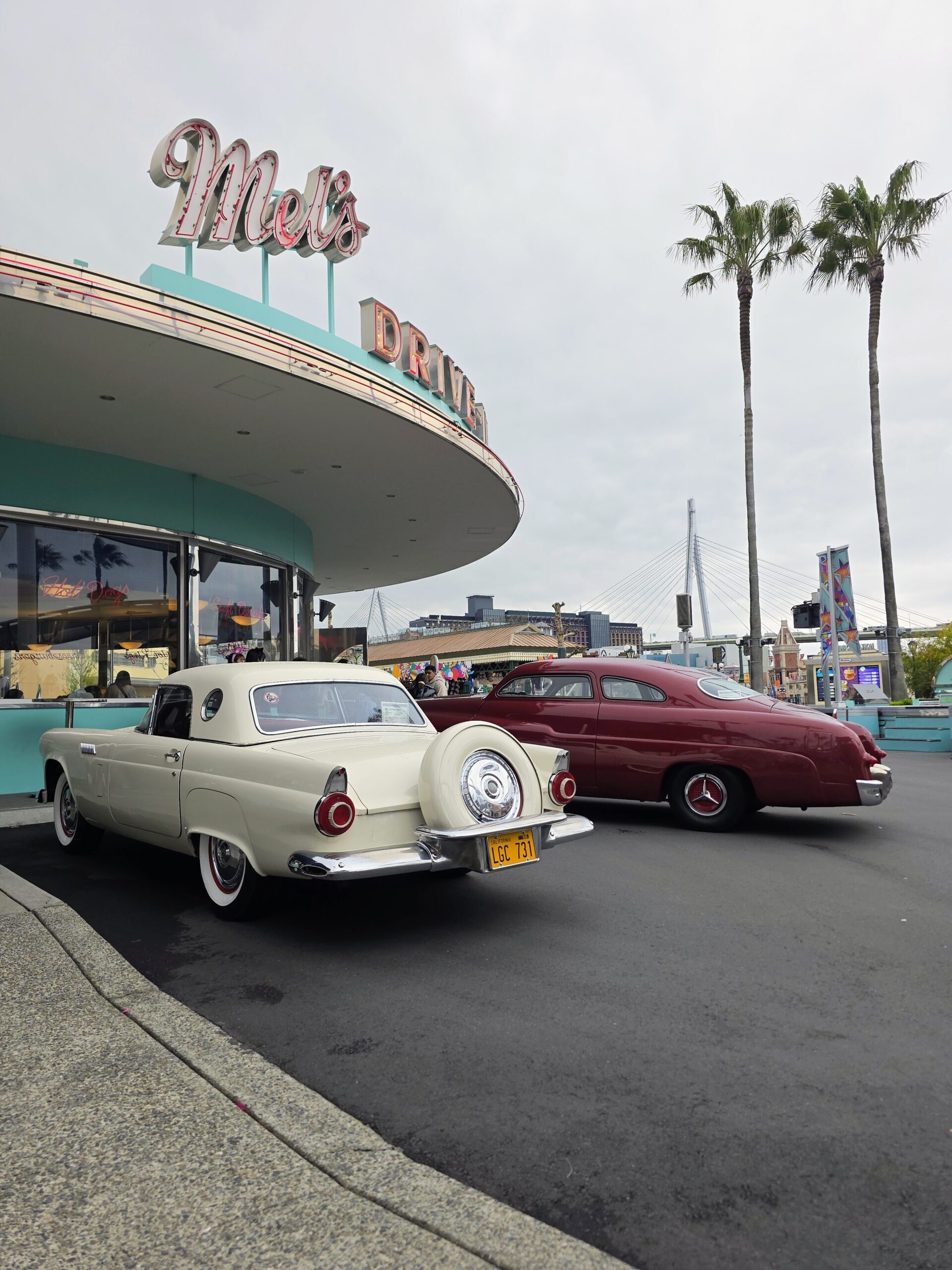
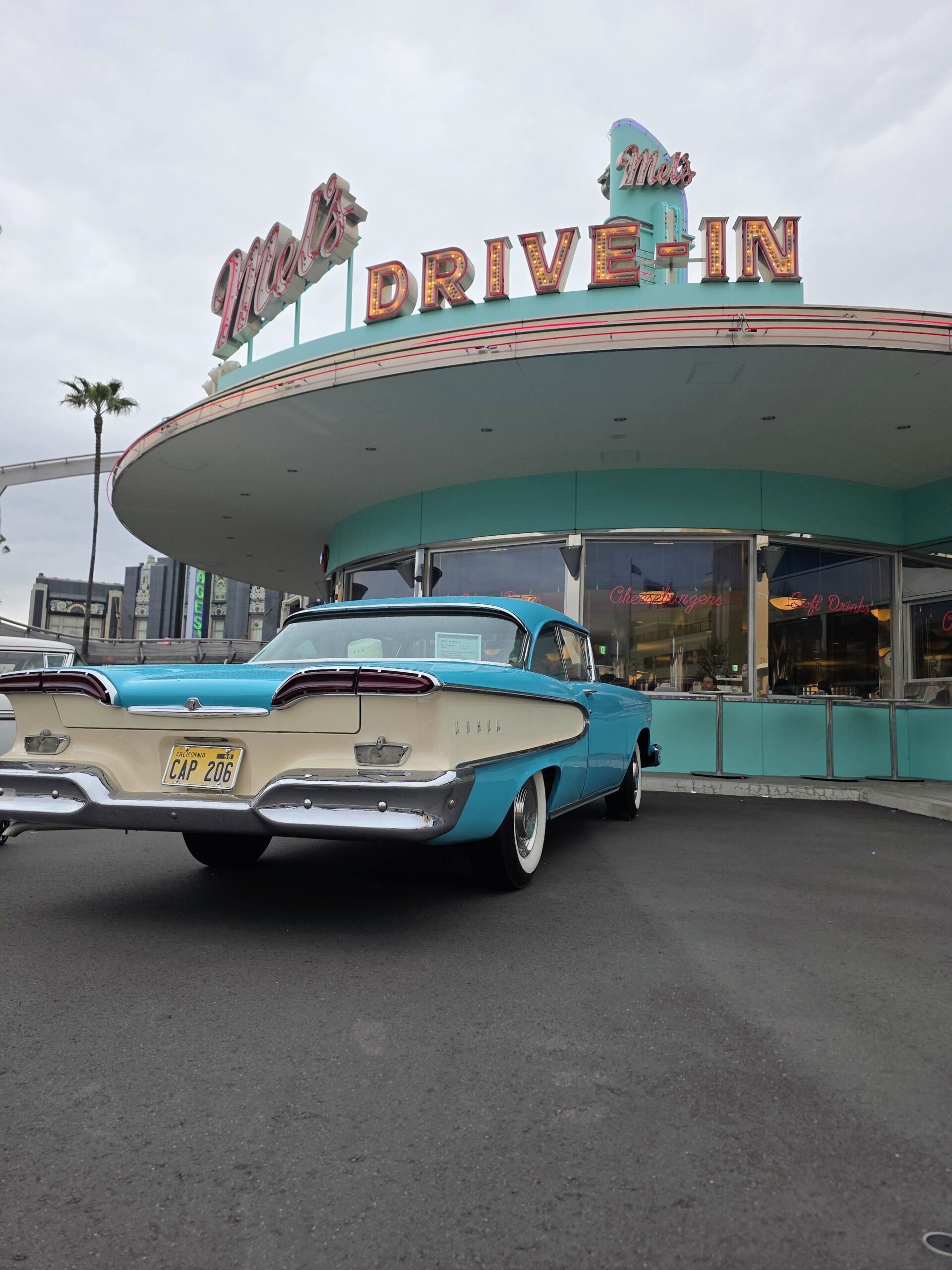
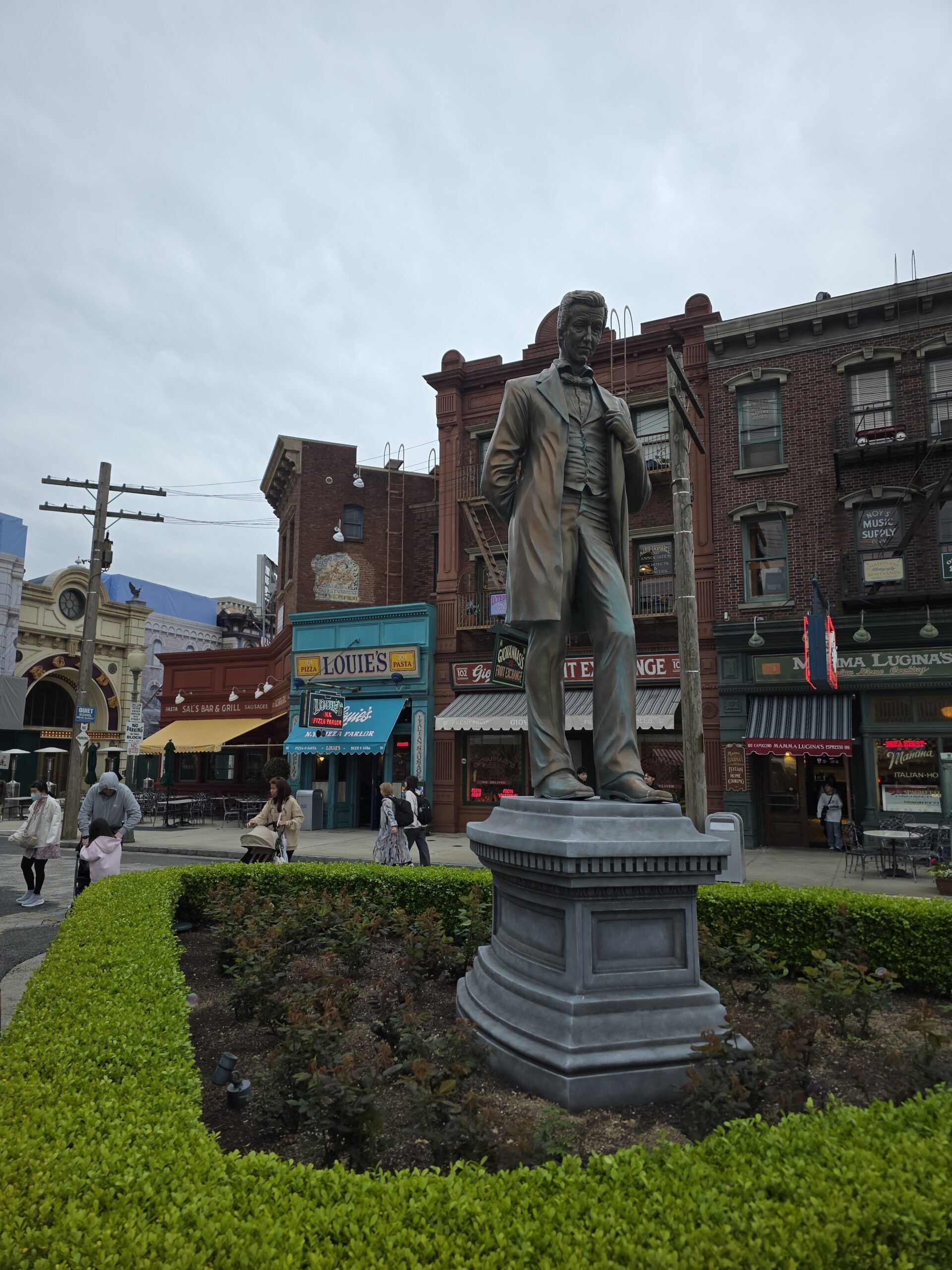
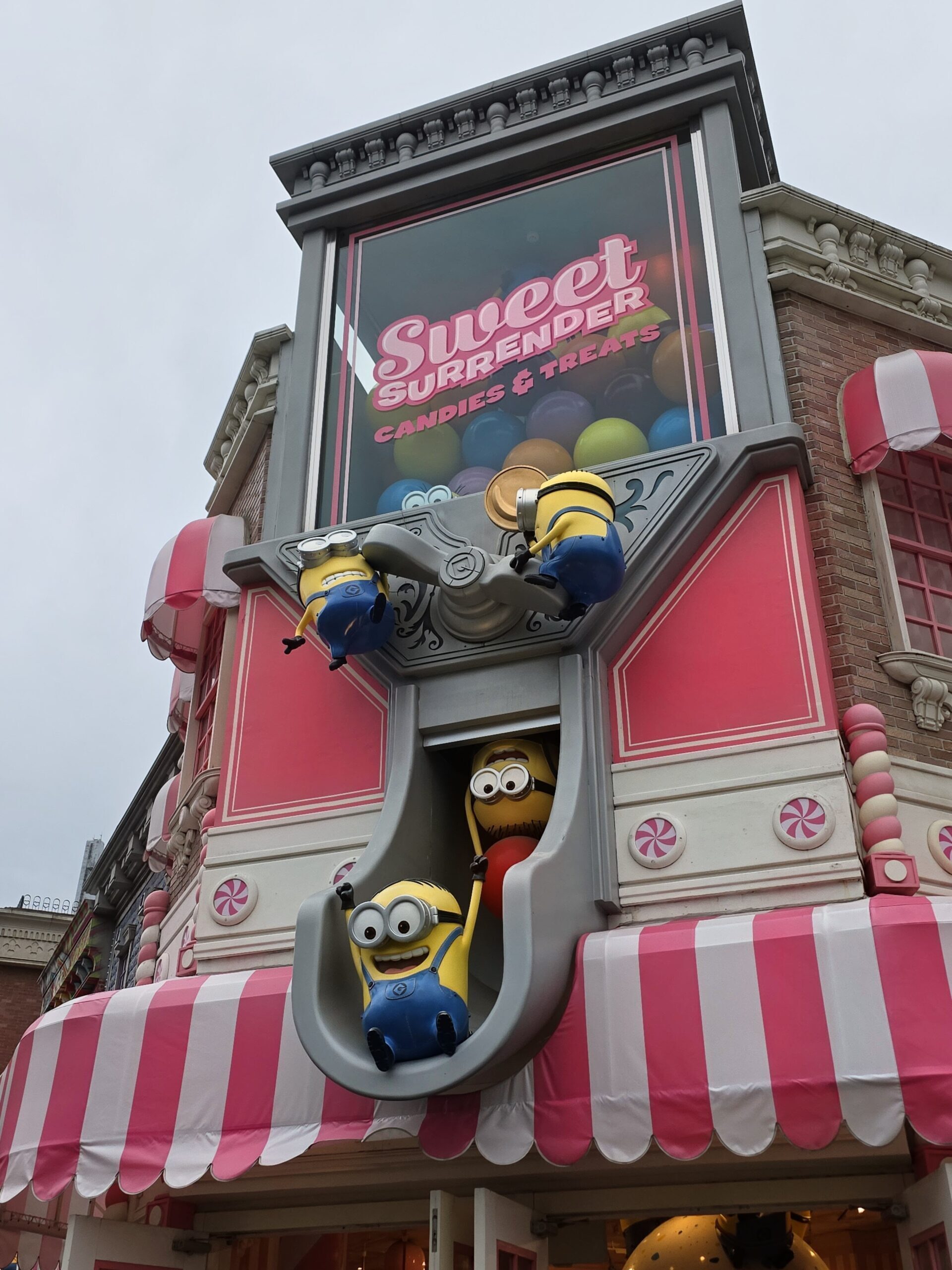
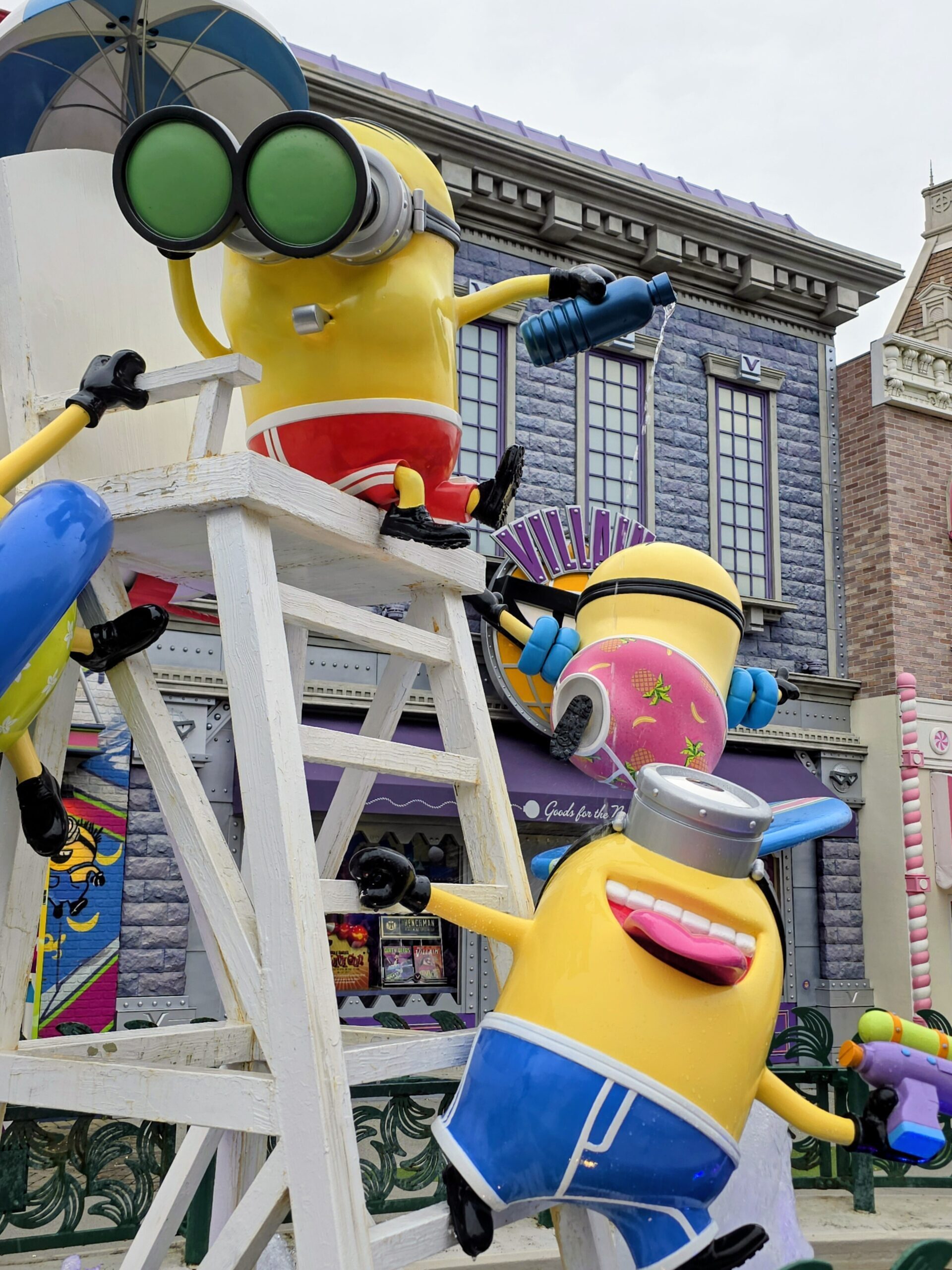
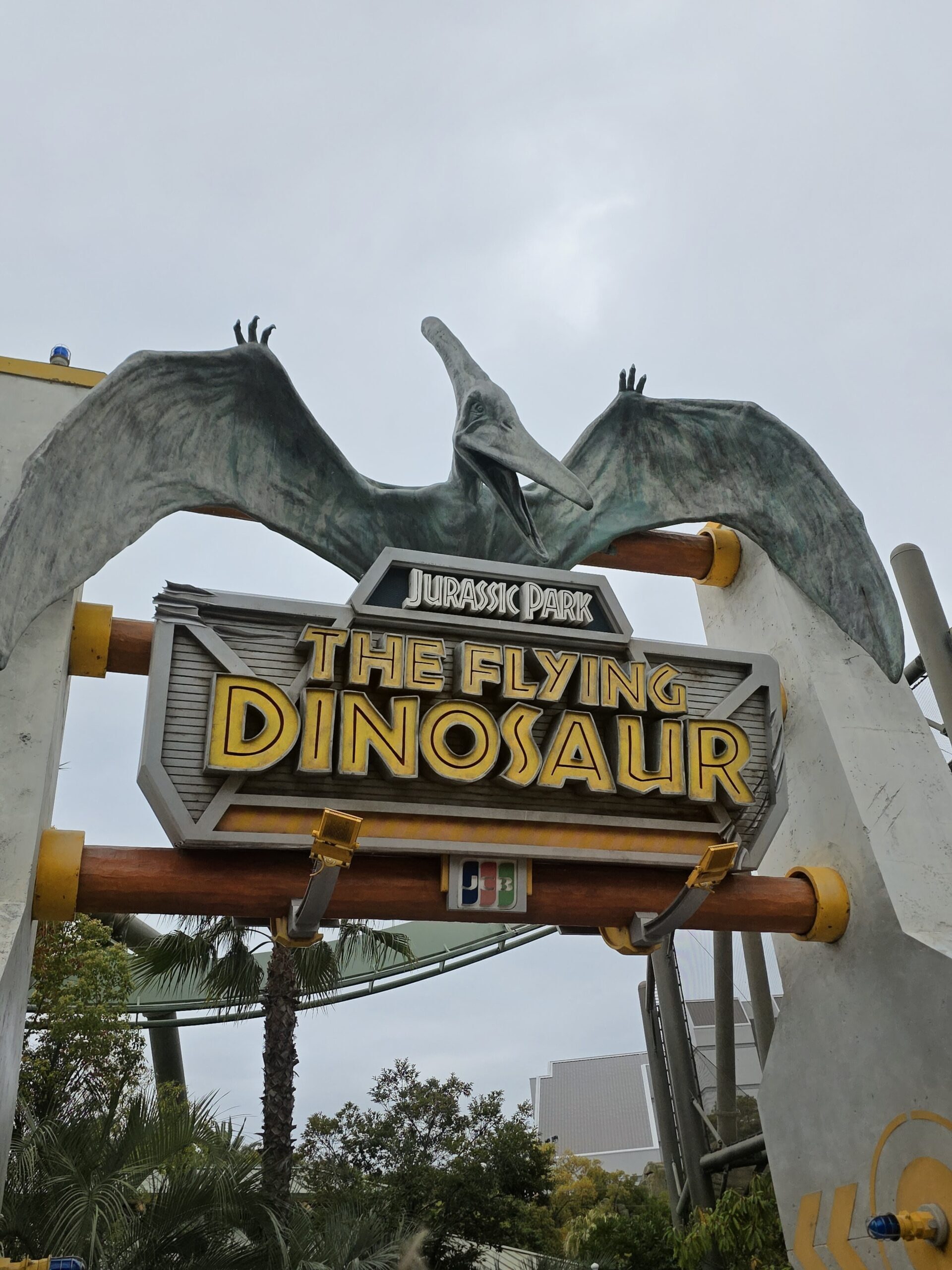
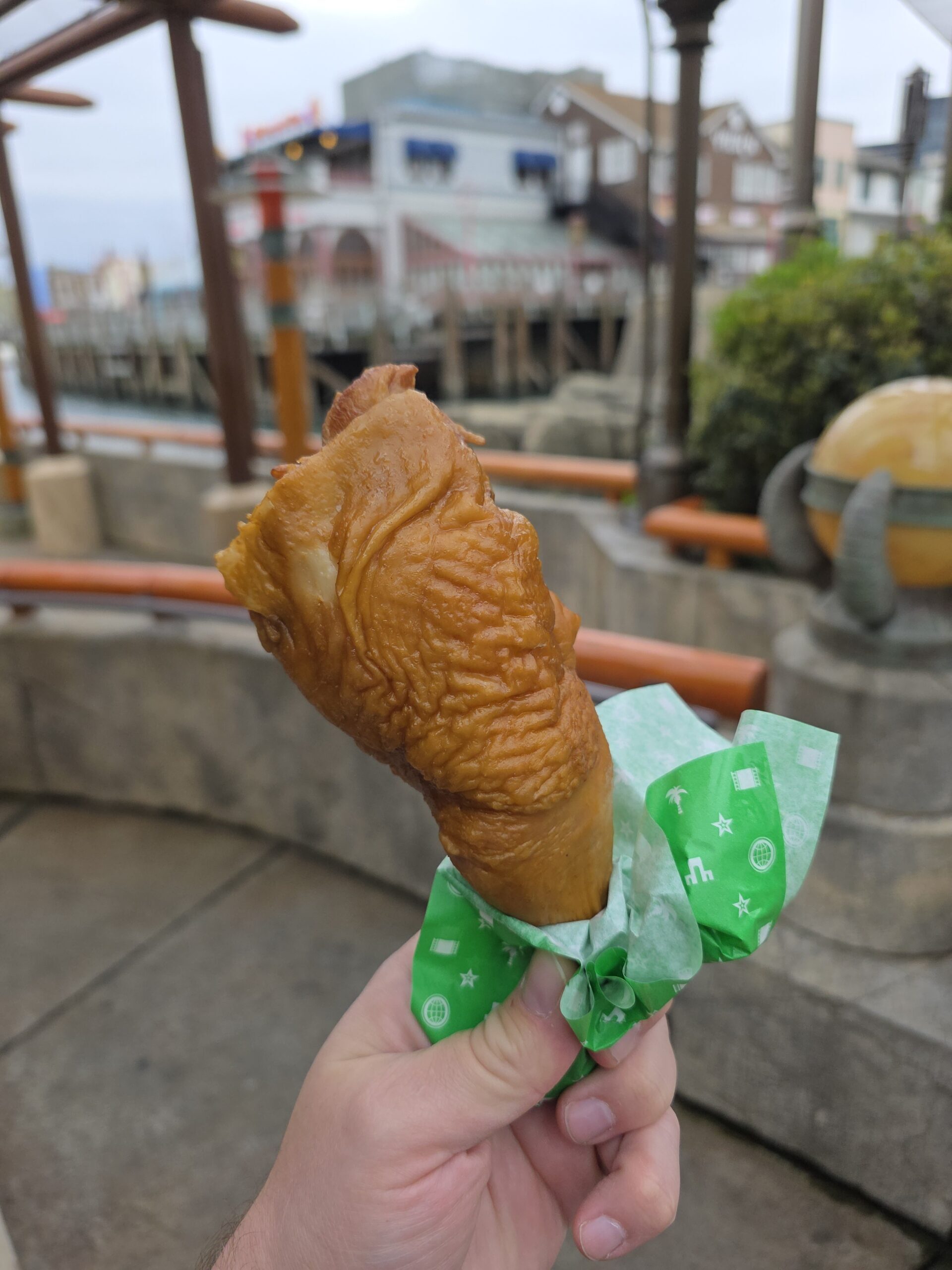
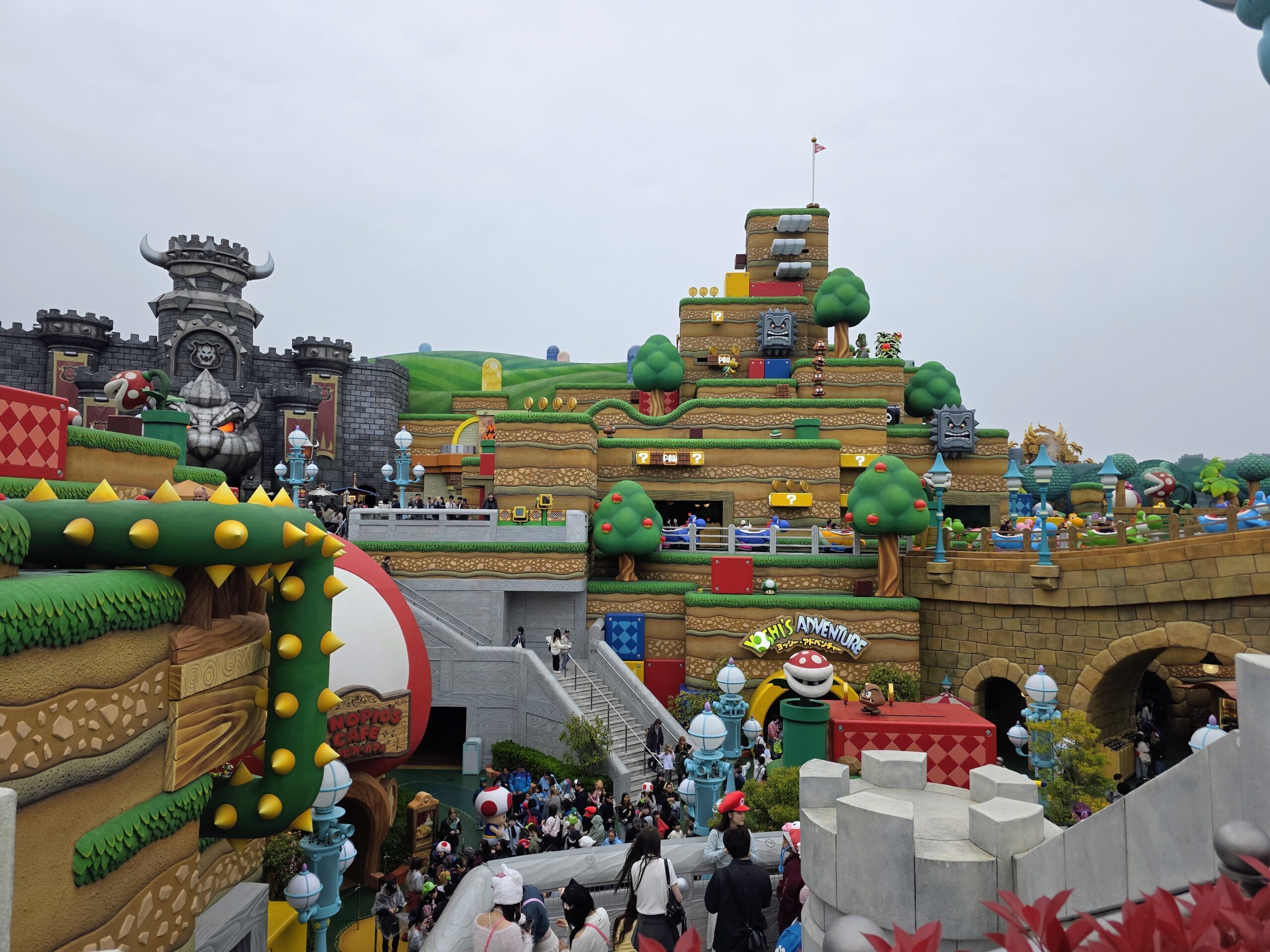
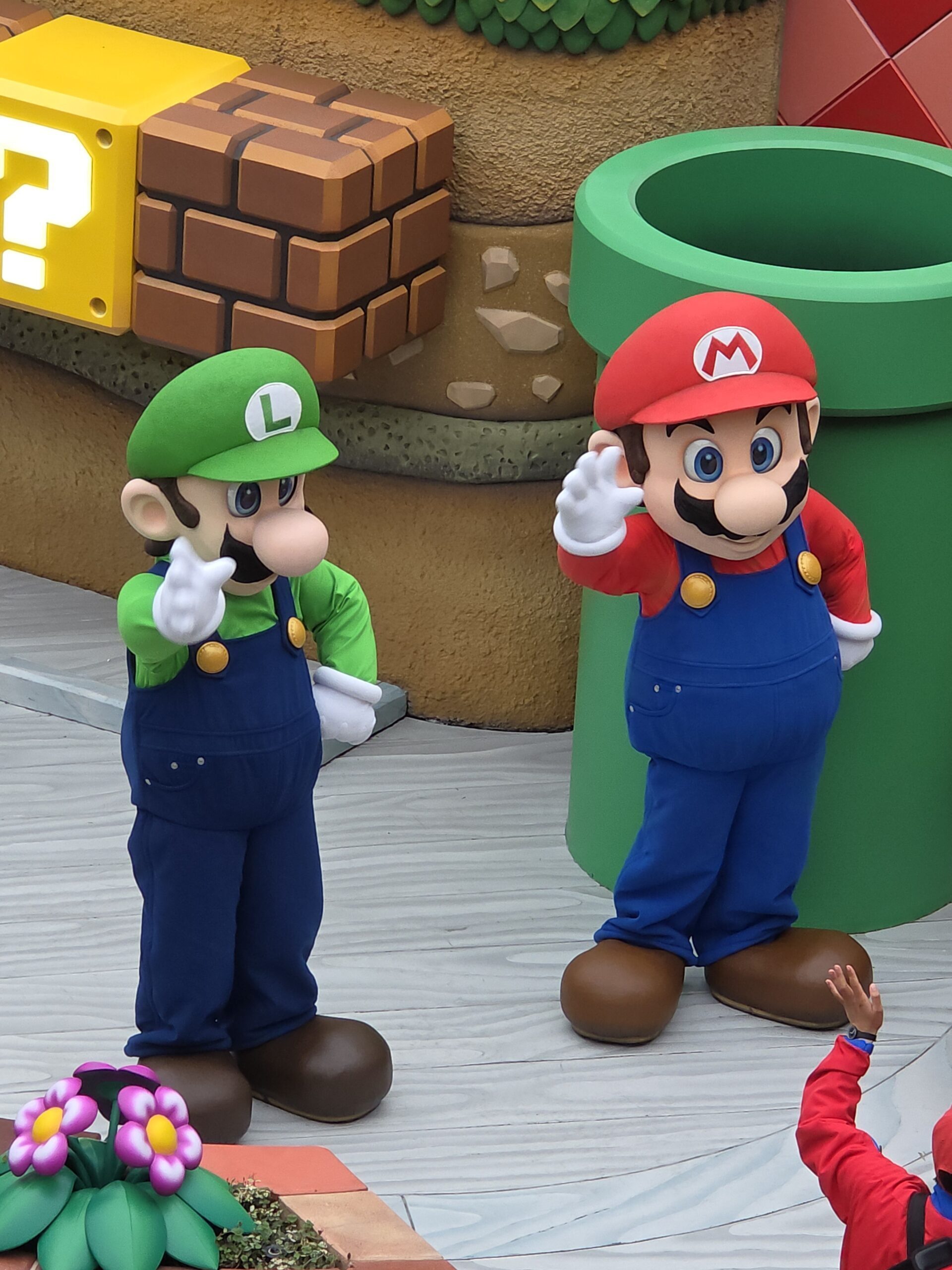
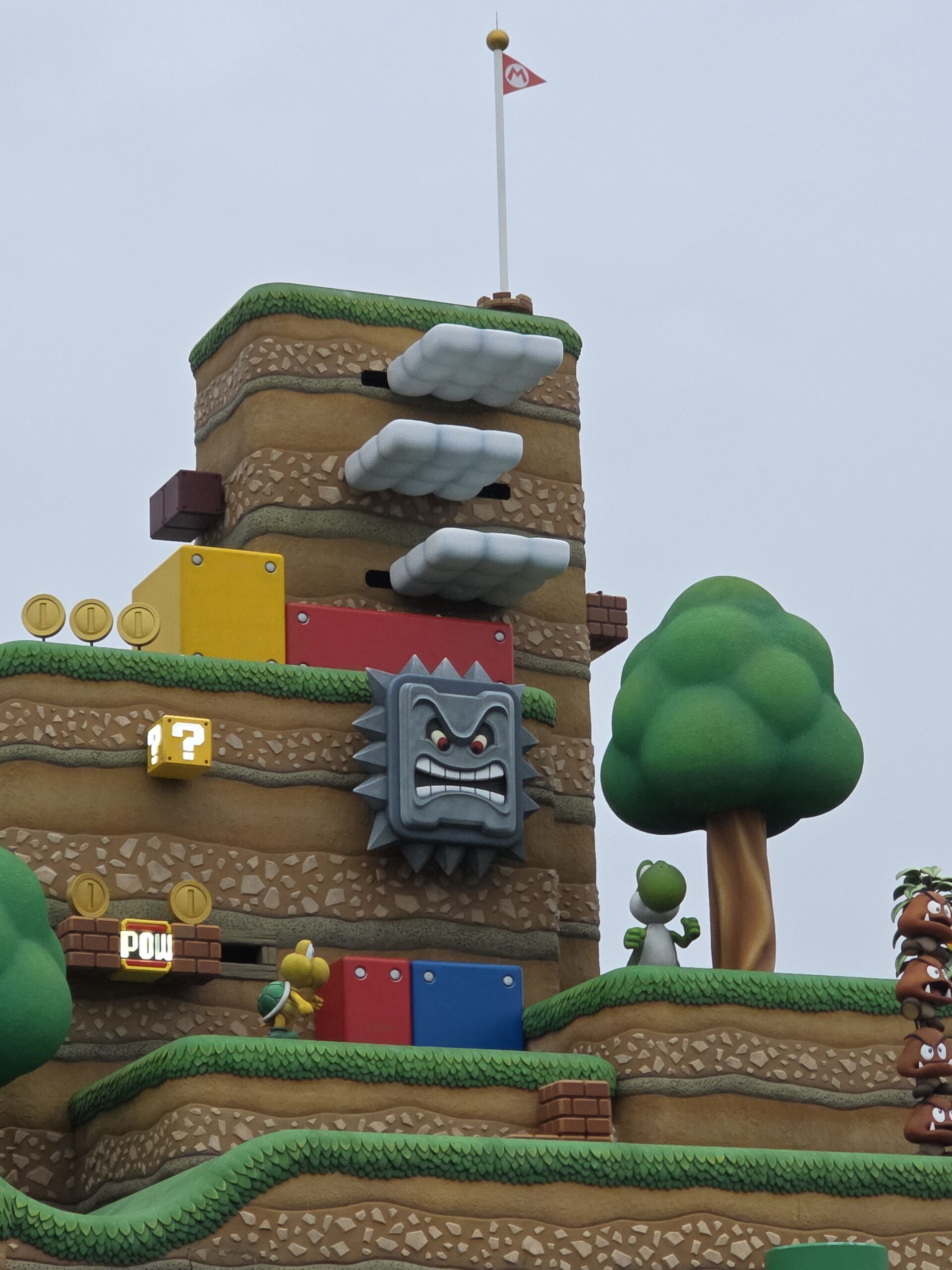
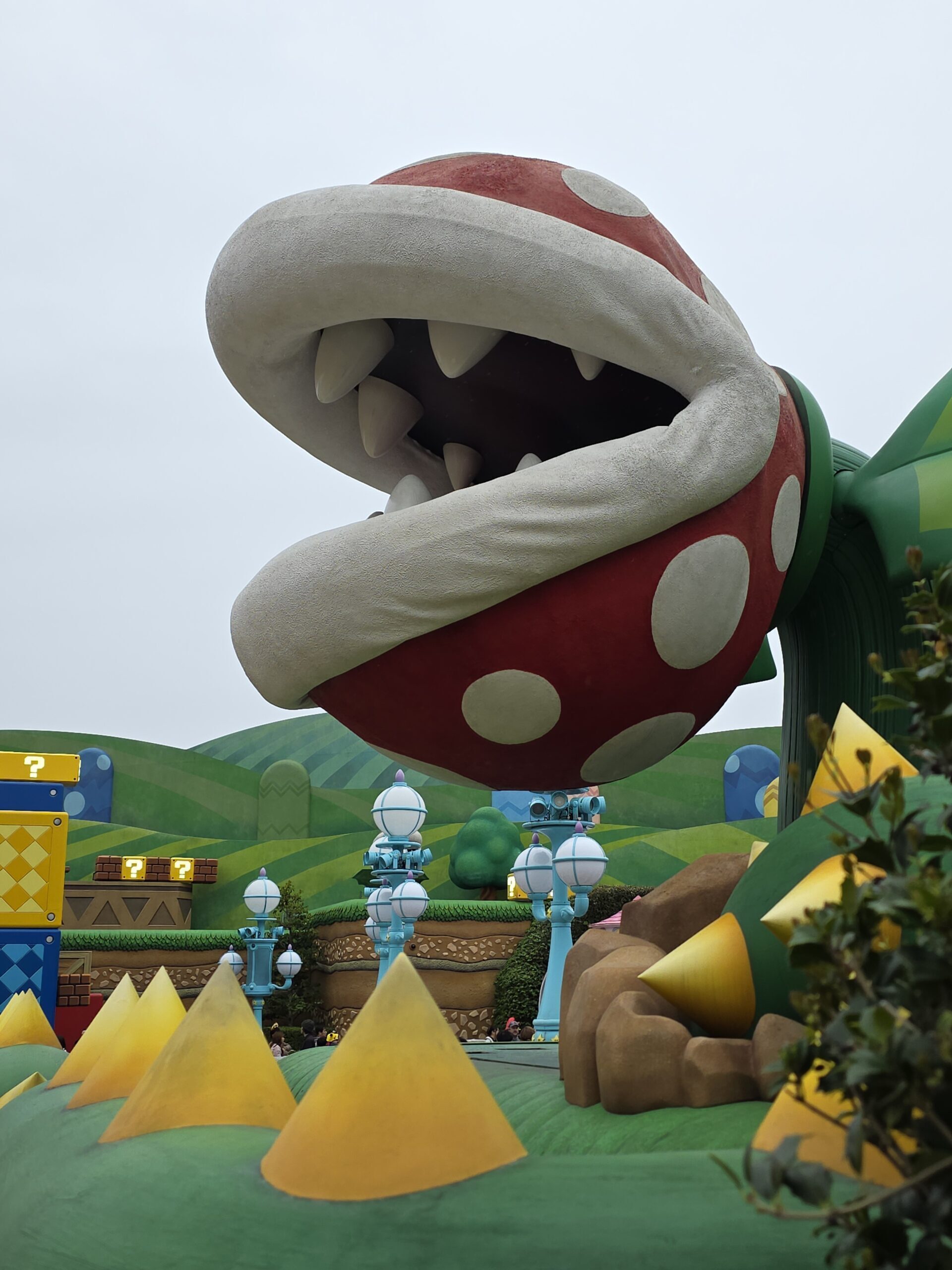
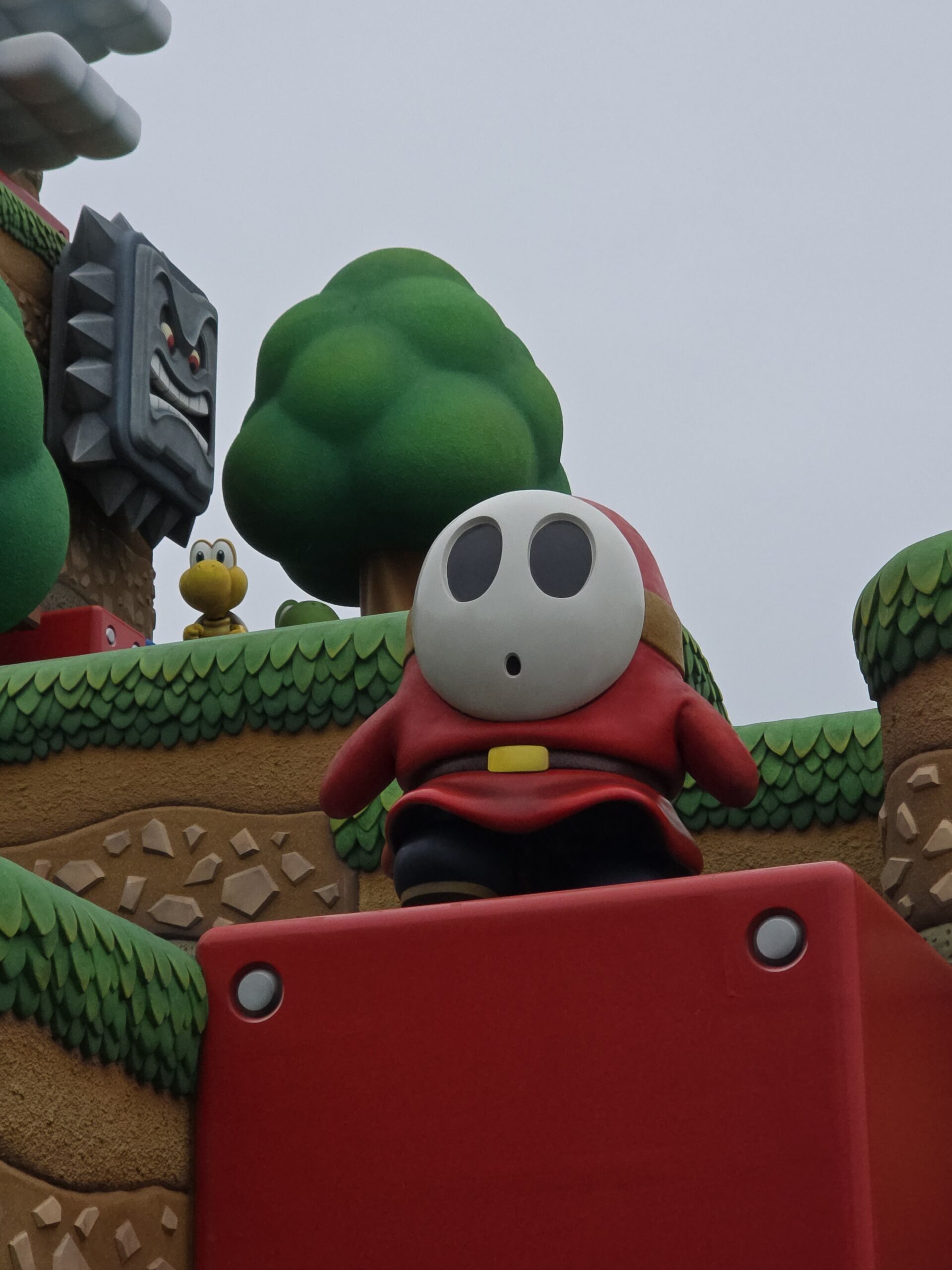
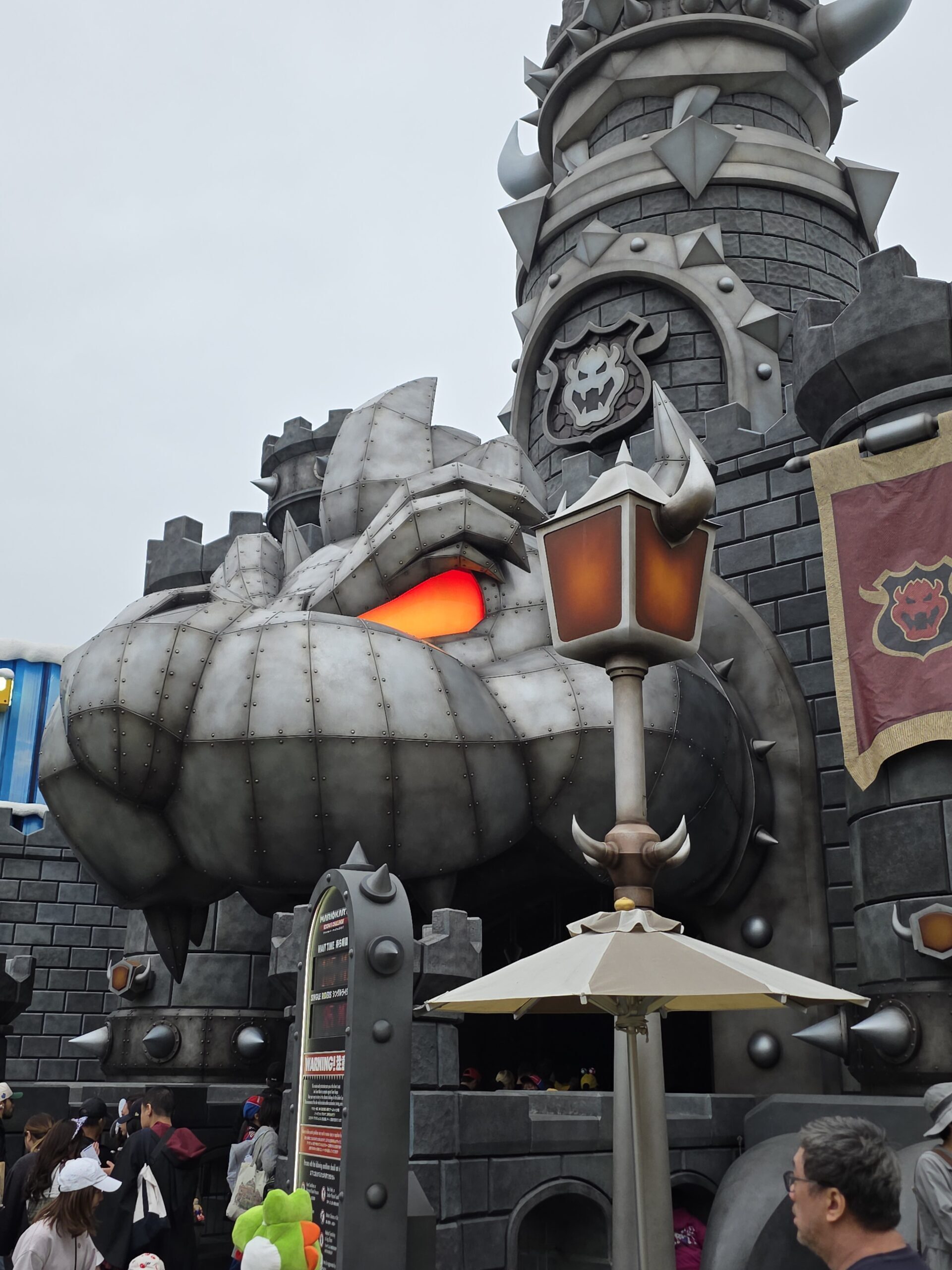
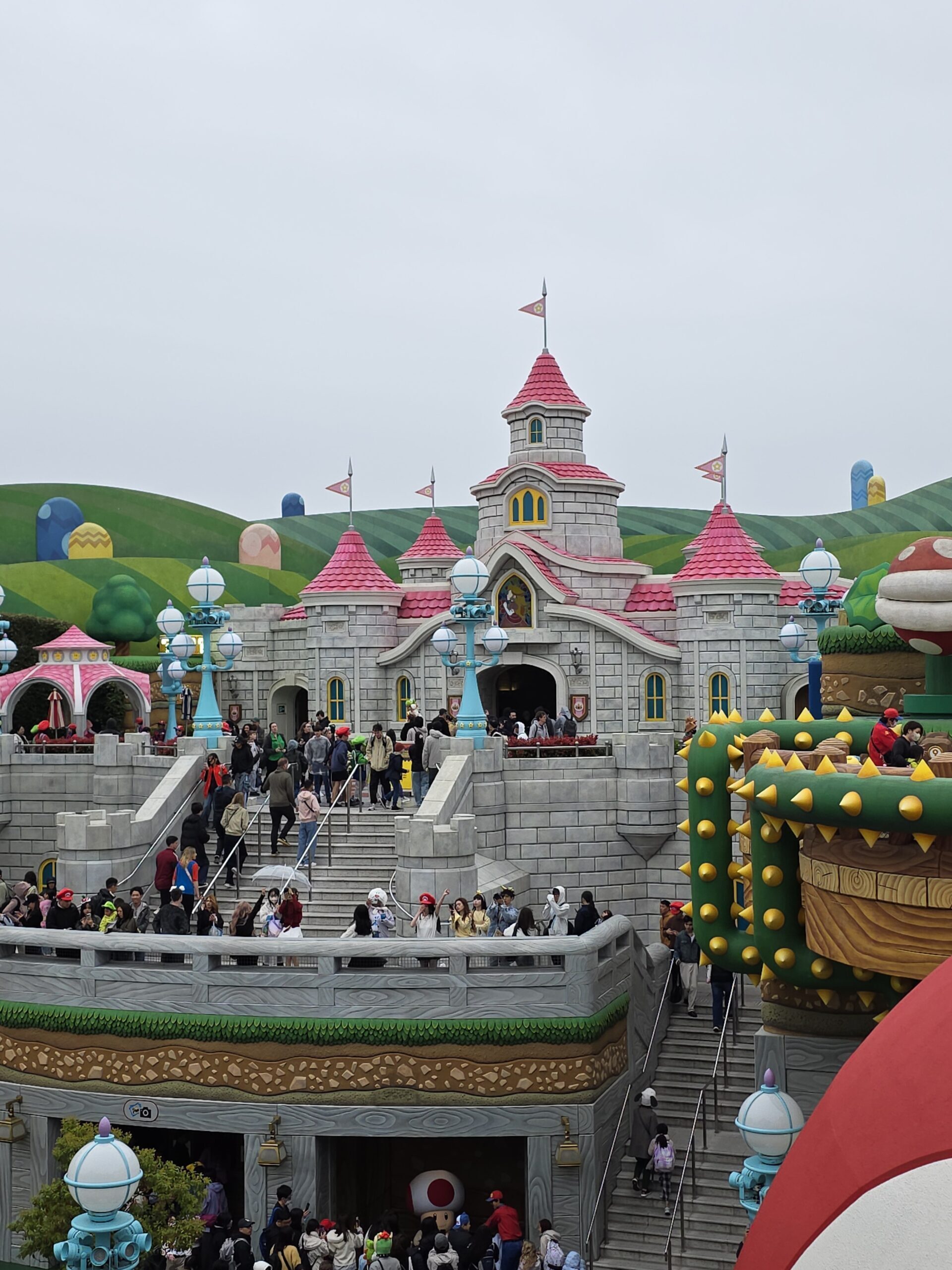
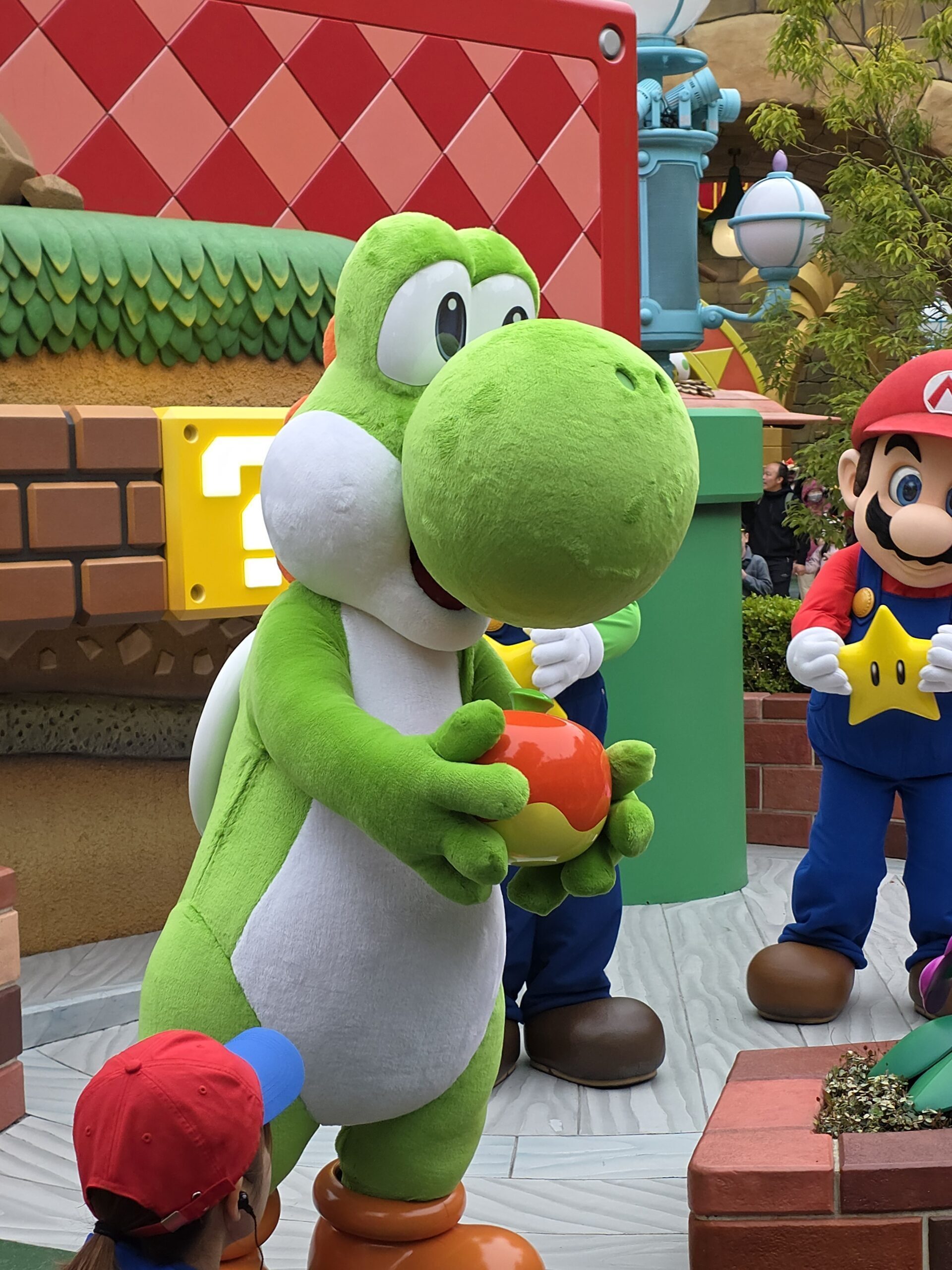
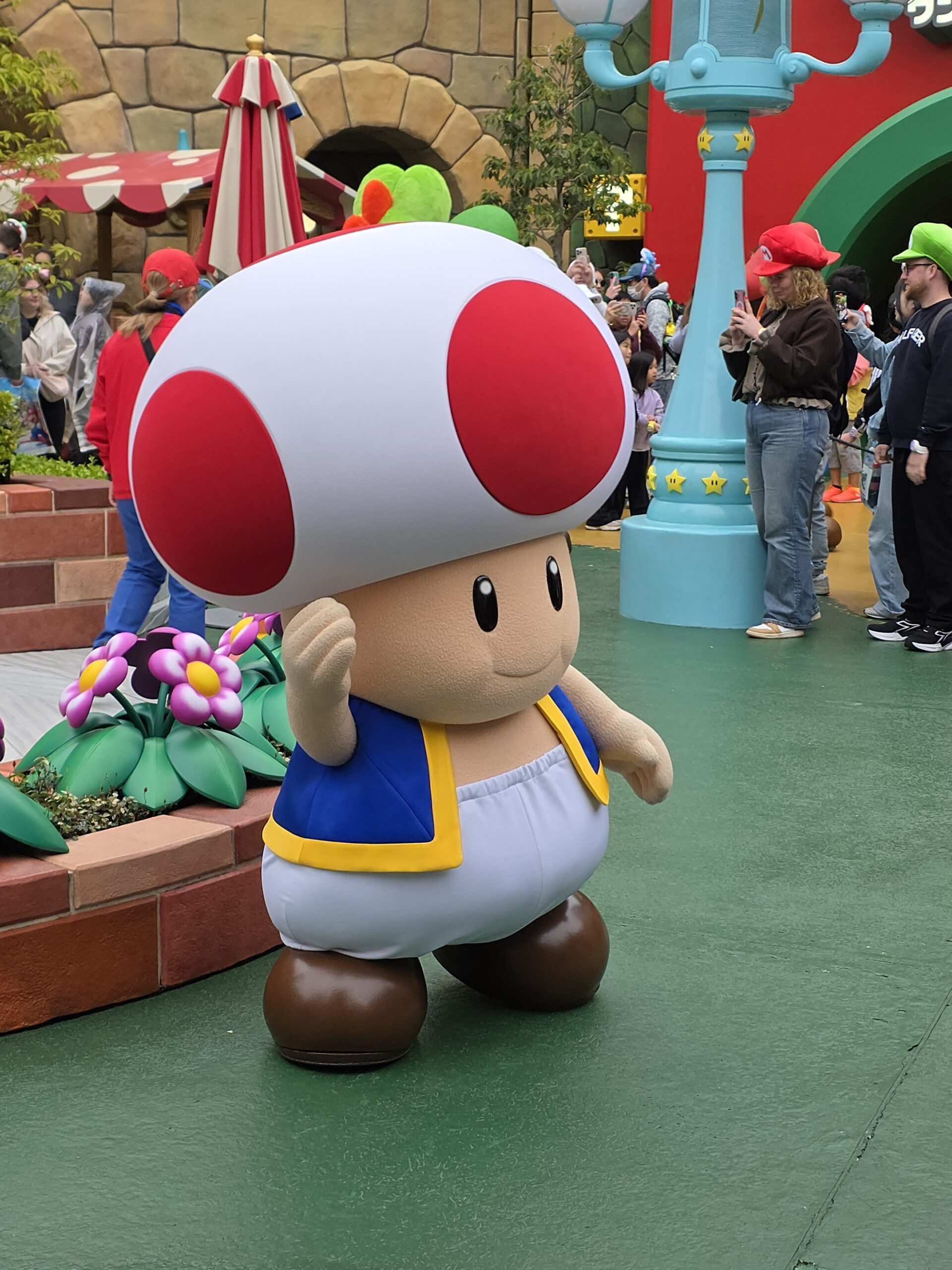
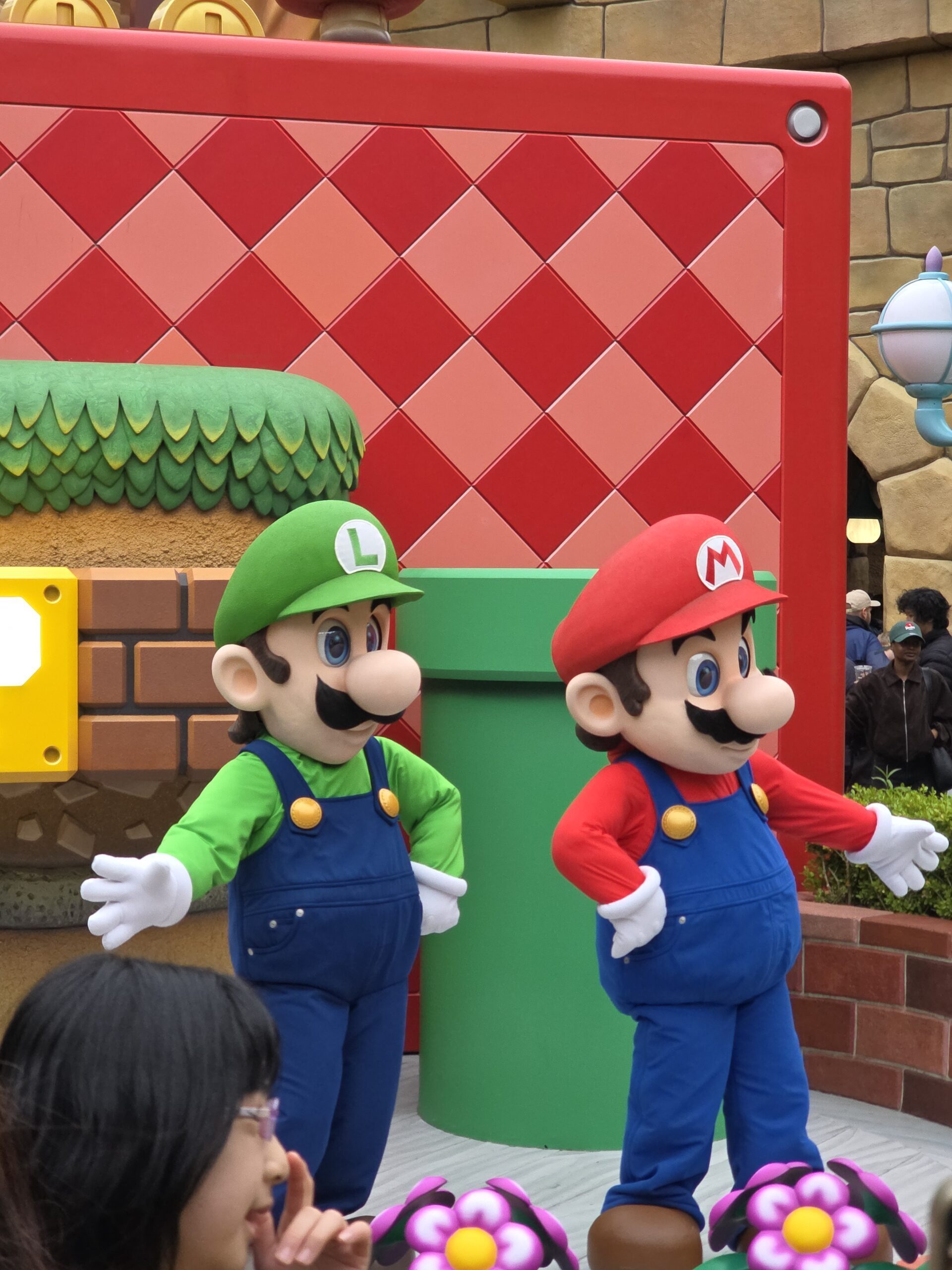
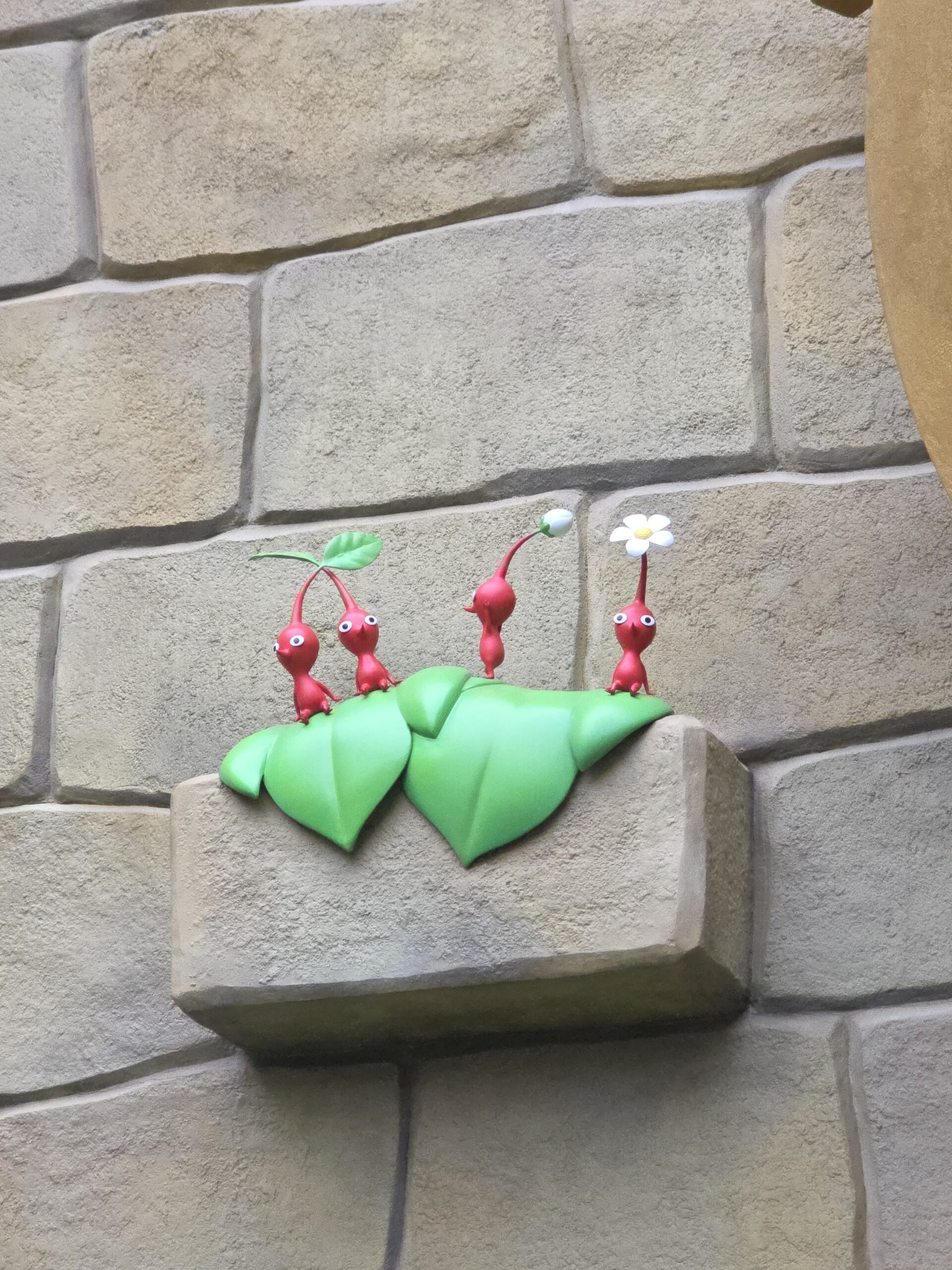
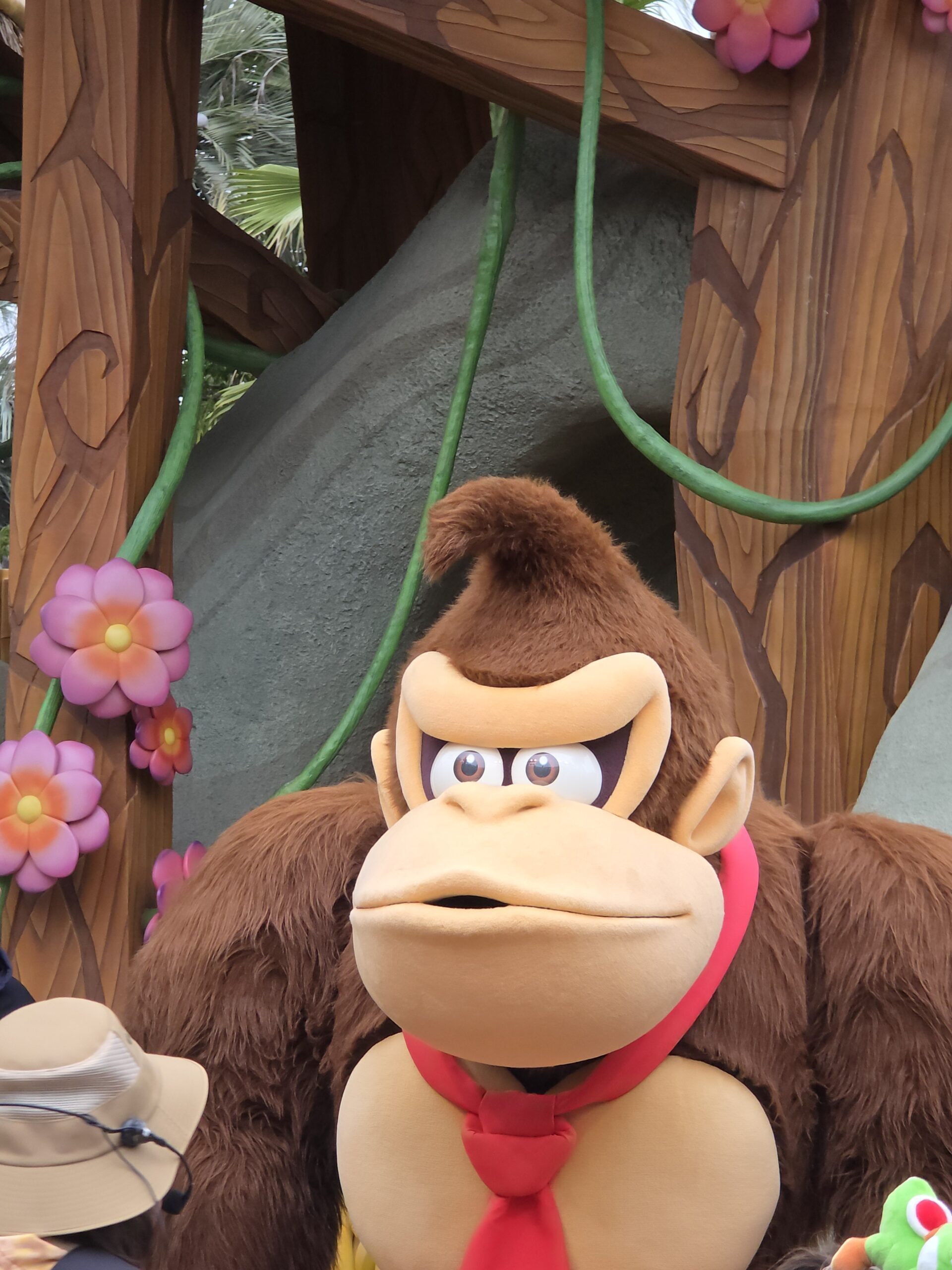
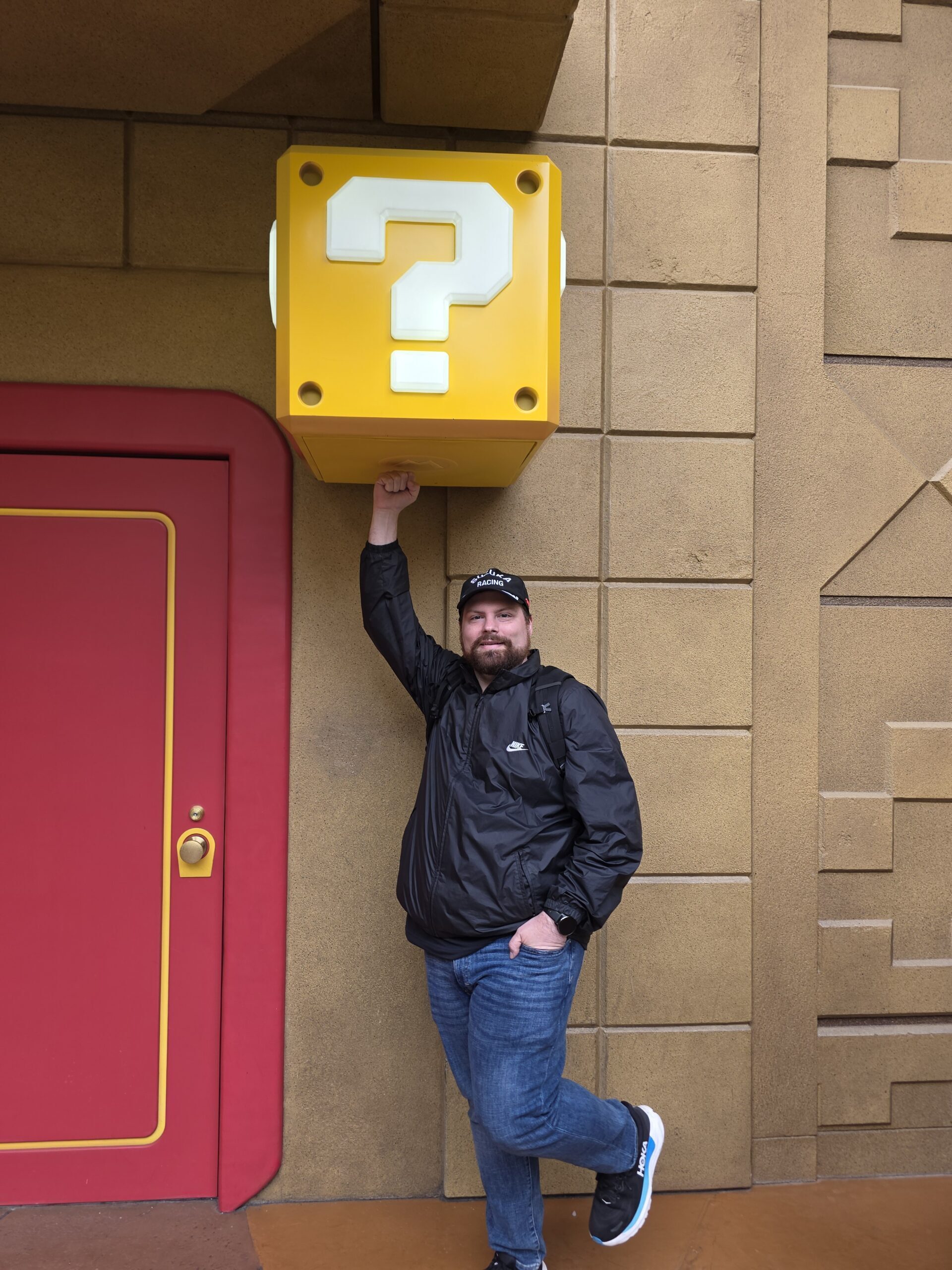
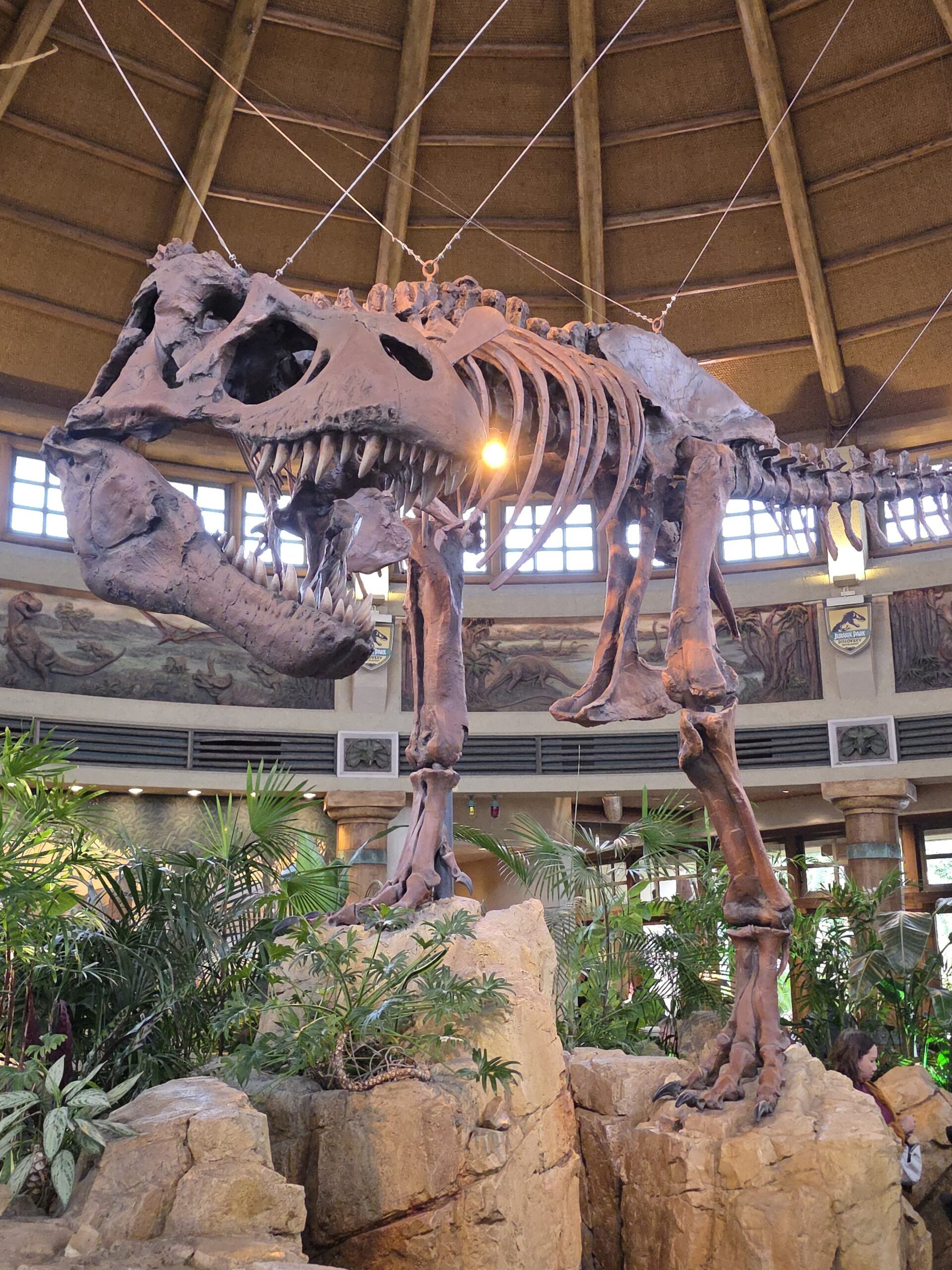
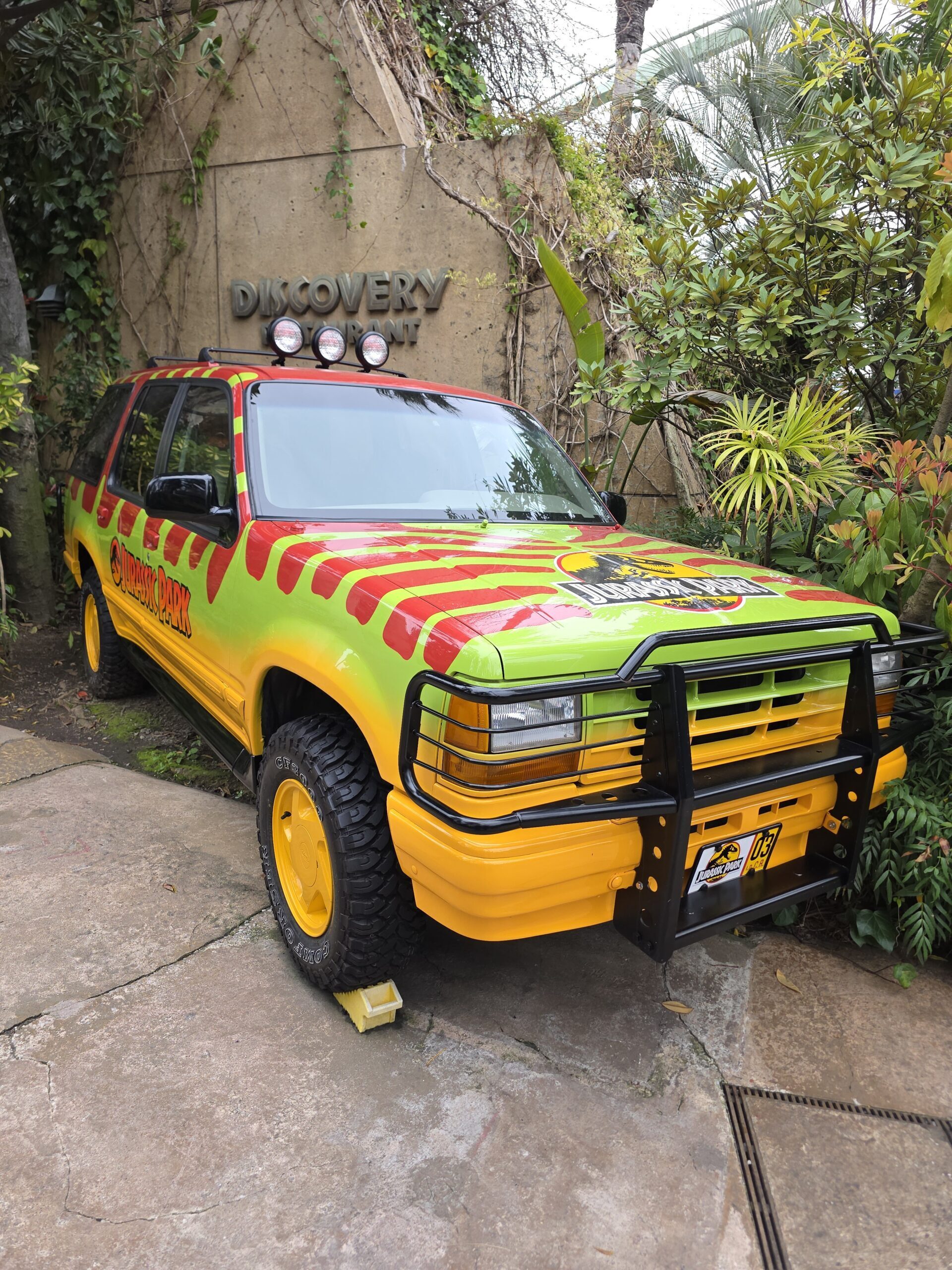
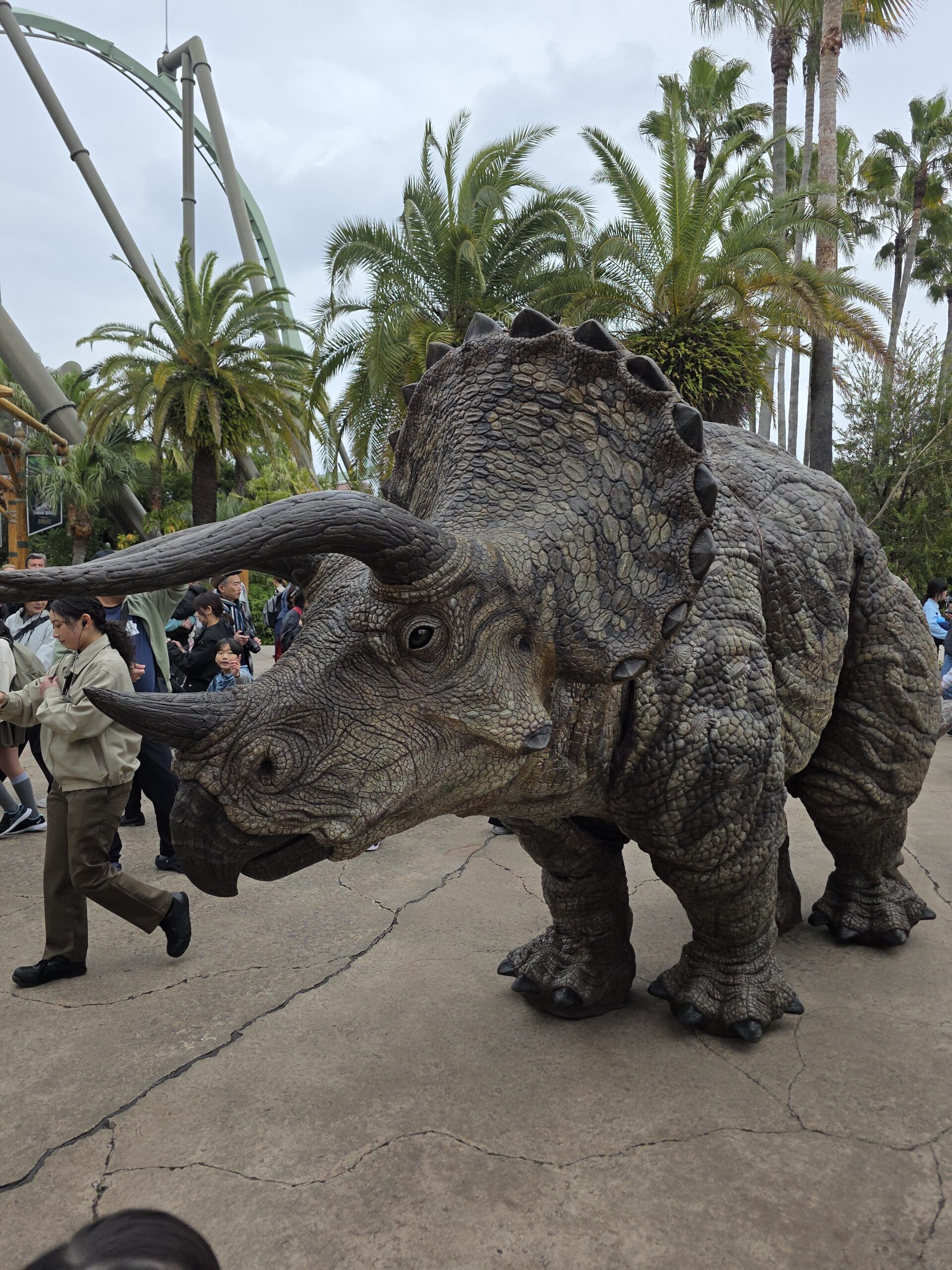
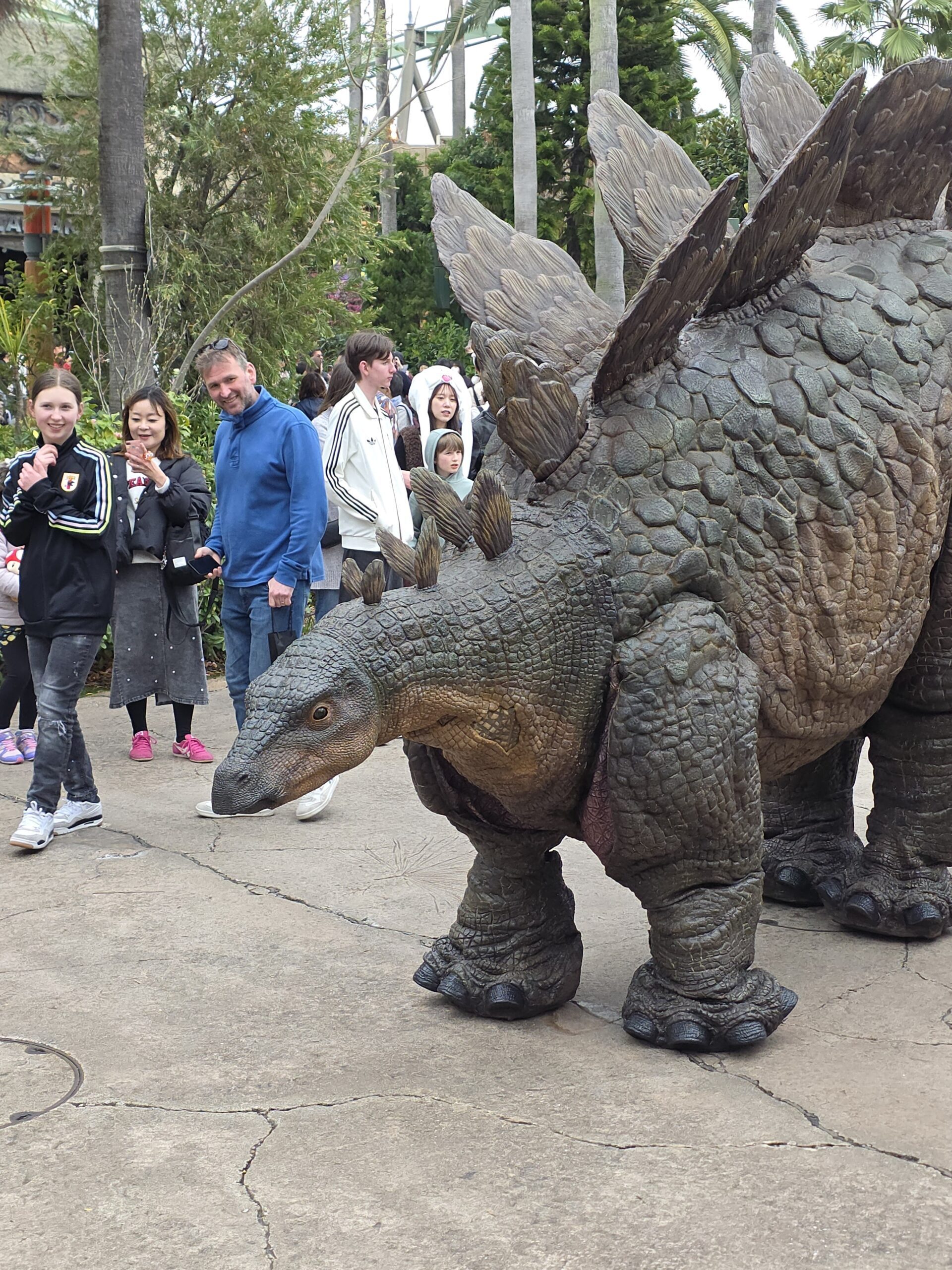
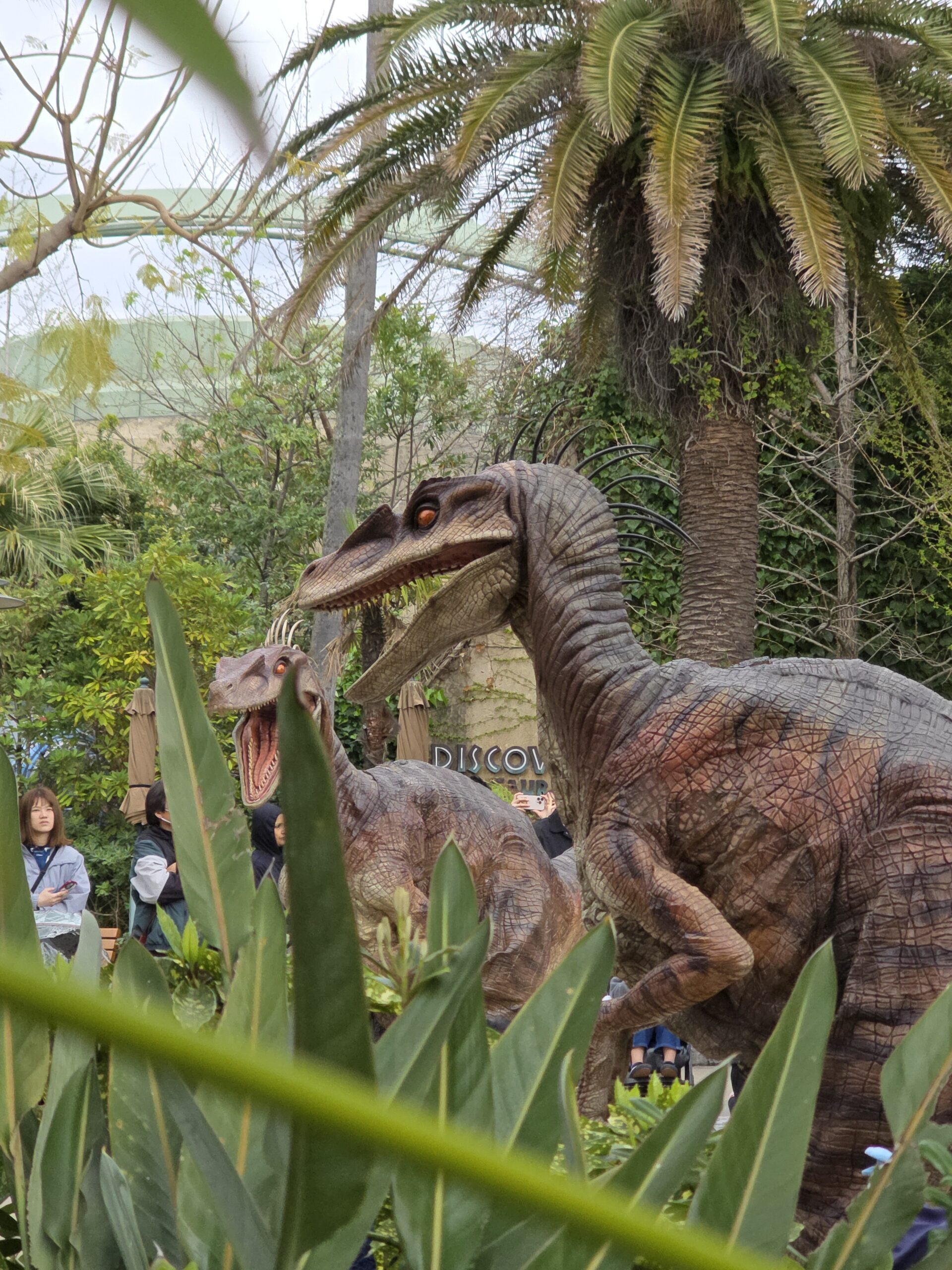
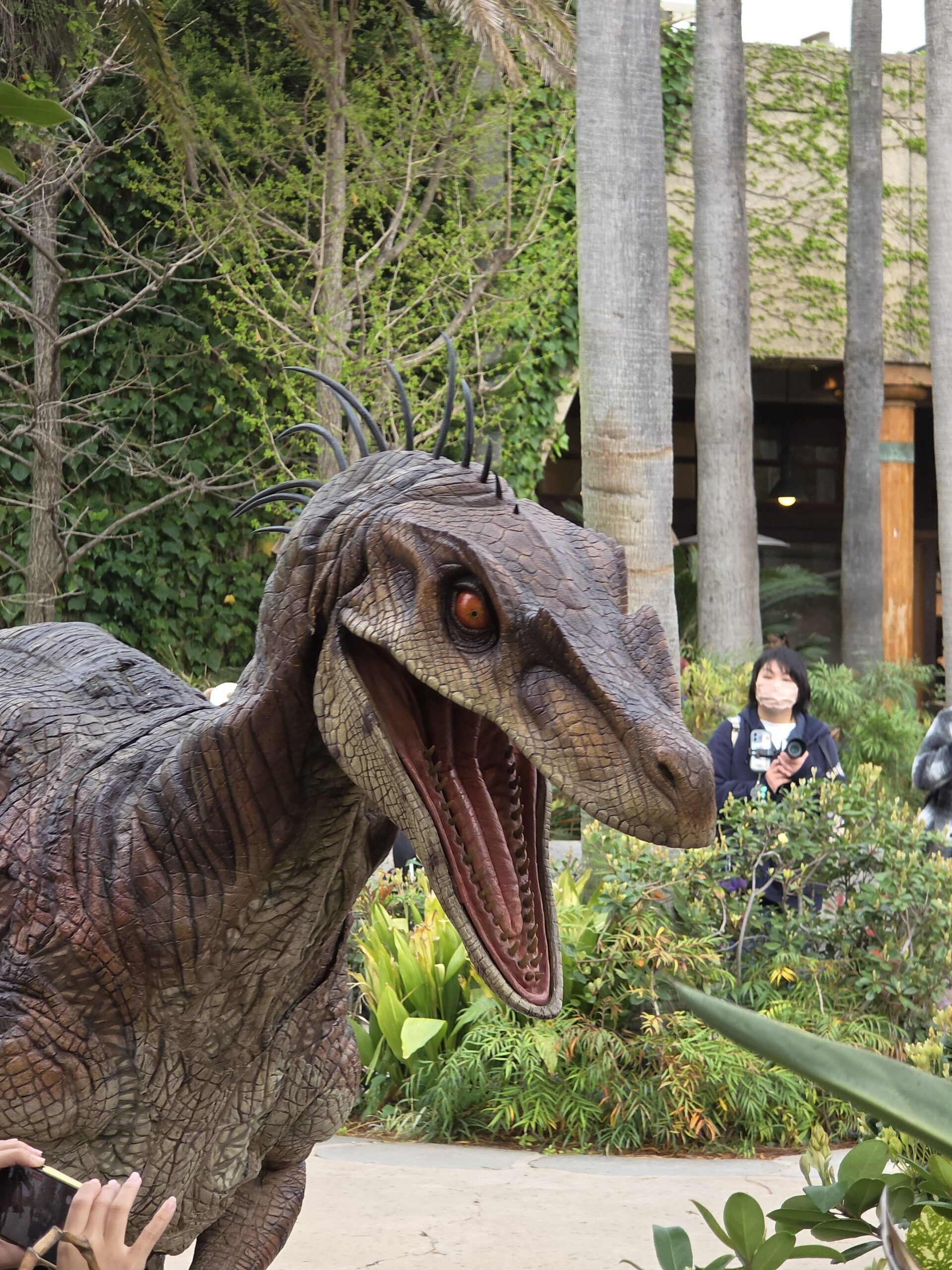
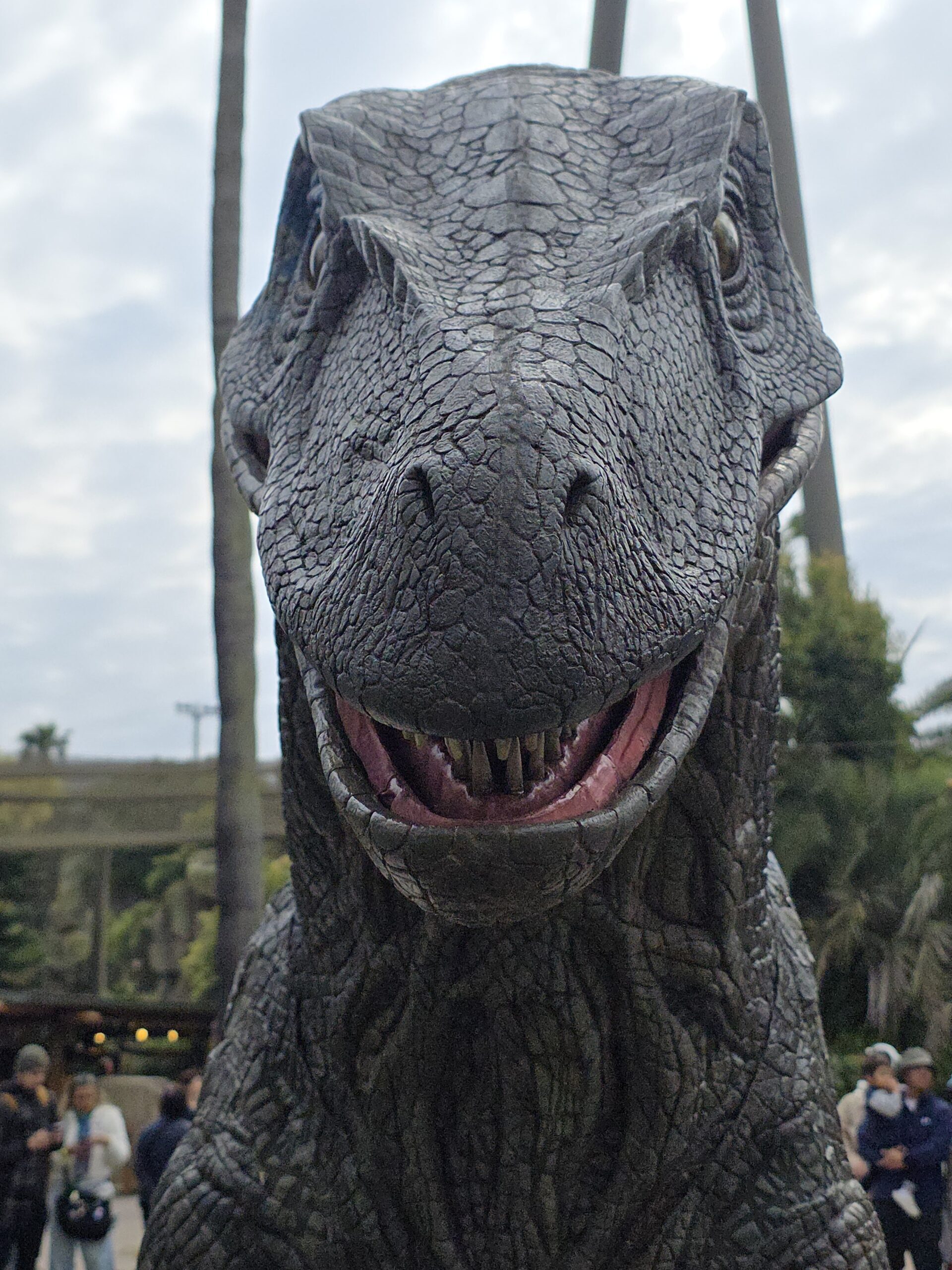
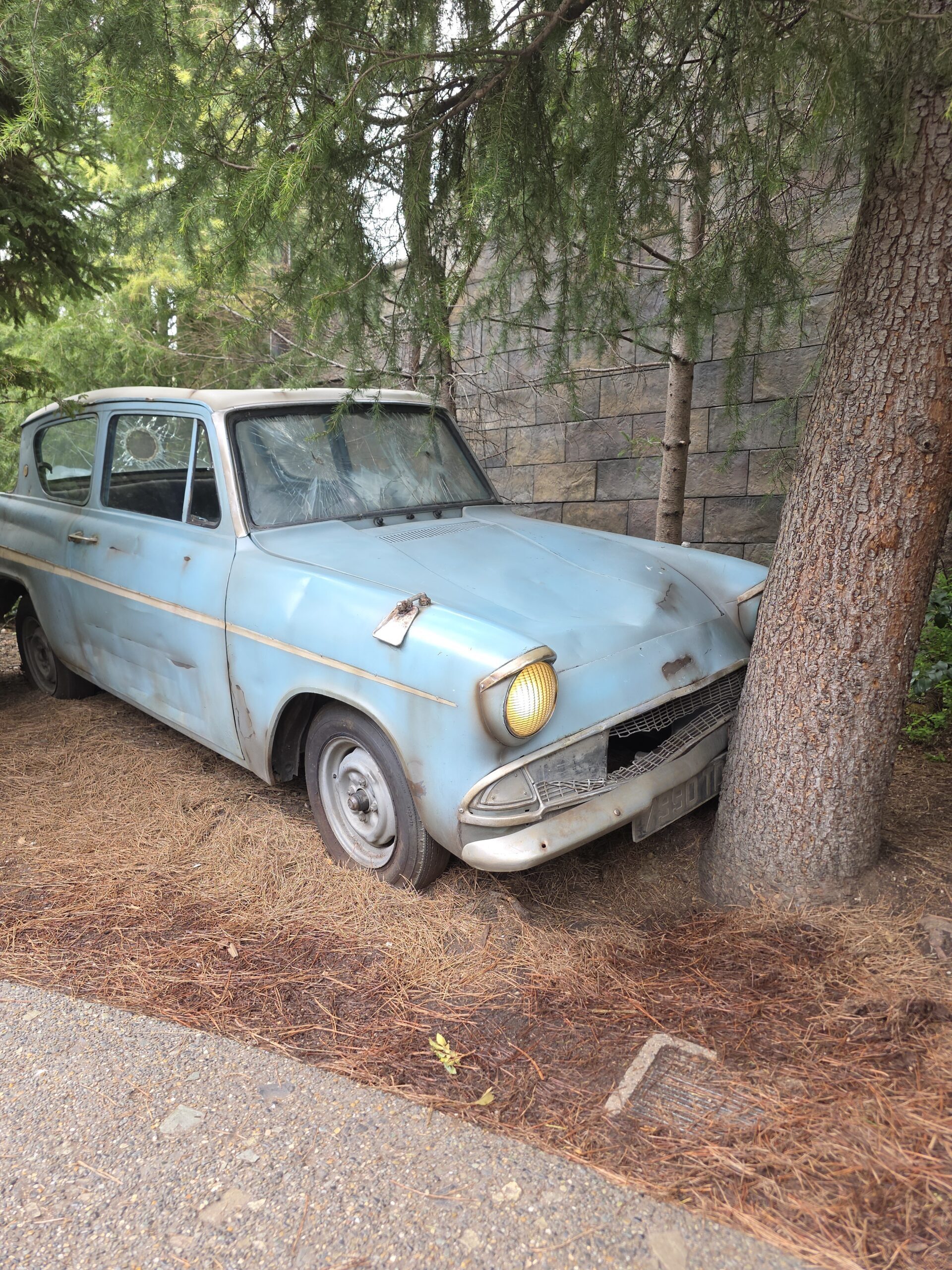
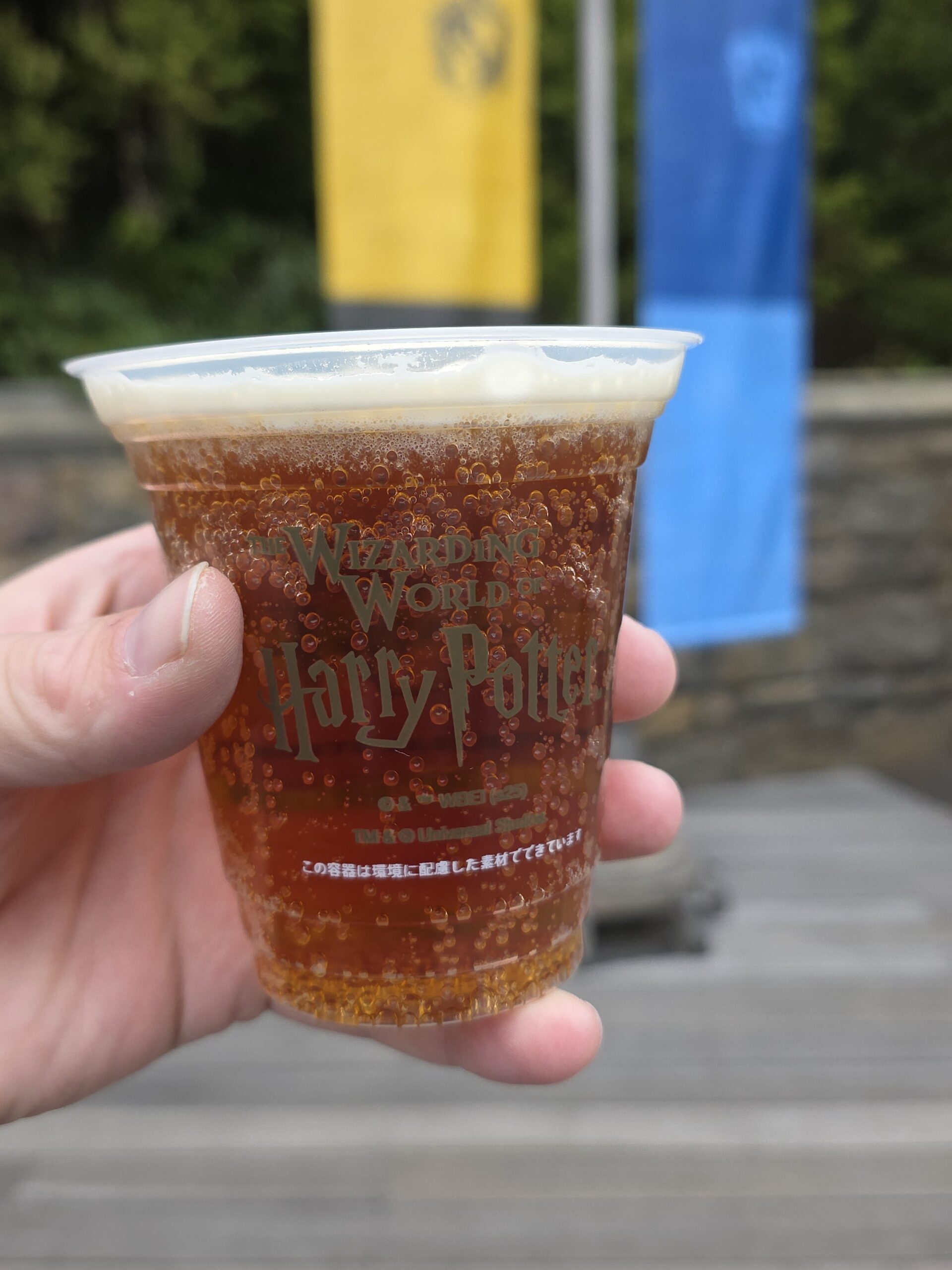
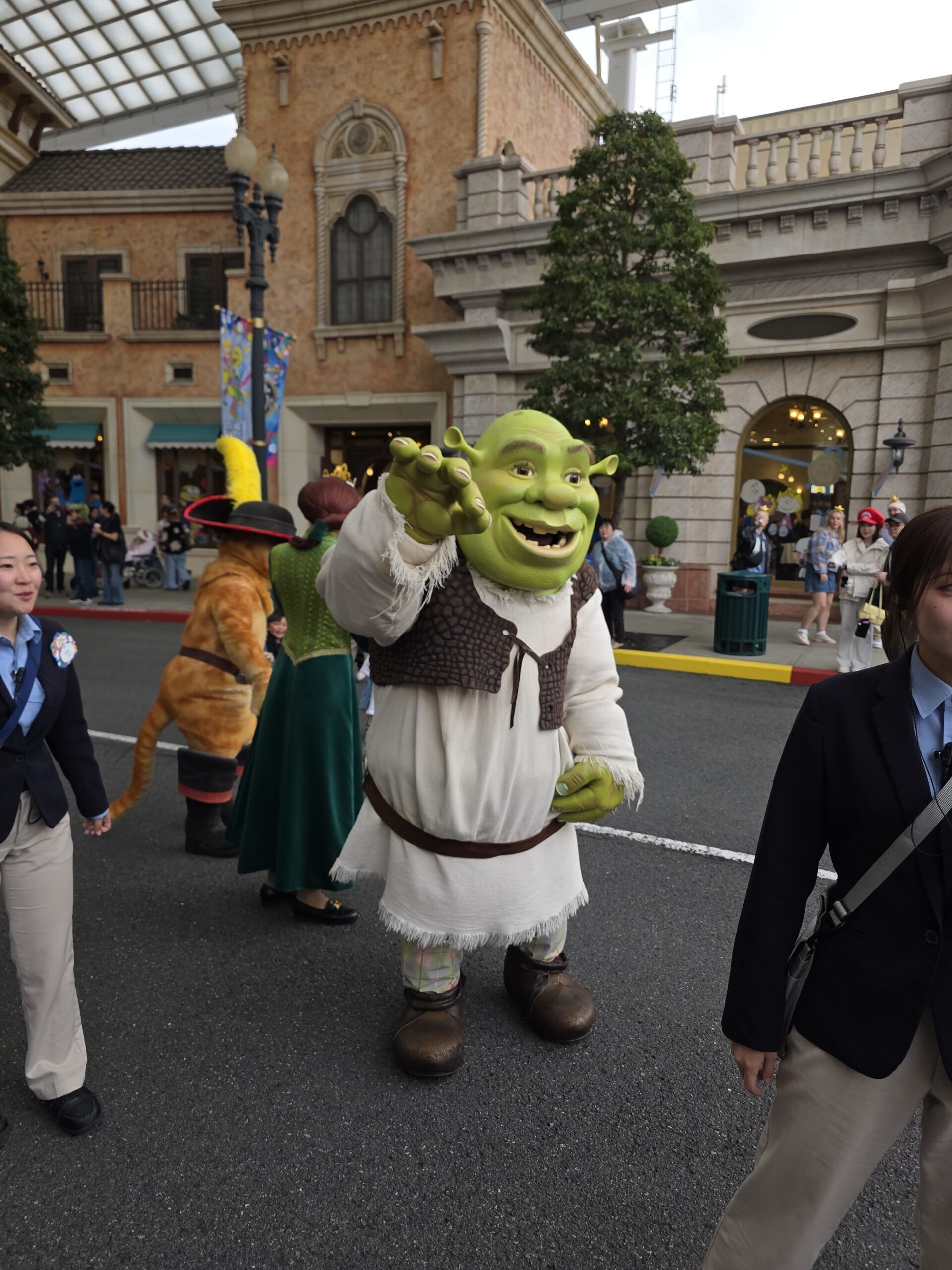
This one had been a long time coming. Growing up, I always wanted to go to Universal Studios in Florida. My parents chose Disney. So here, at Universal Studios Japan, I was finally getting my due. The park’s presentation is impressive. Each zone is fully committed to its world. My highlight was the Jurassic Park area, because the original Jurassic Park is one of, if not my favorite film of all time. The atmosphere was immersive enough that I forgot, briefly, that I was in Osaka. The Minions area was chaotic and loud, exactly like the Minions themselves. And despite not being a Harry Potter fan, I had a butterbeer; you don’t visit Hogsmeade and skip it. It tasted like a butterscotch cream soda. Sweet, smooth, and genuinely tasty.
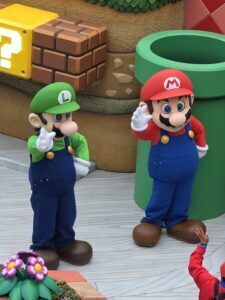
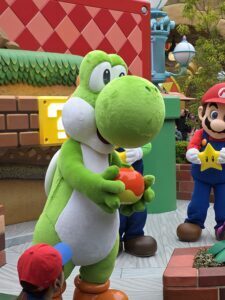
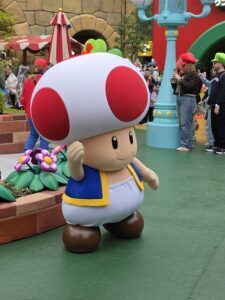
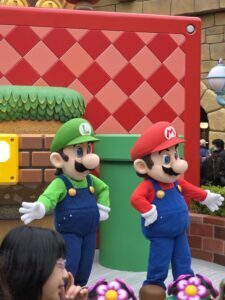
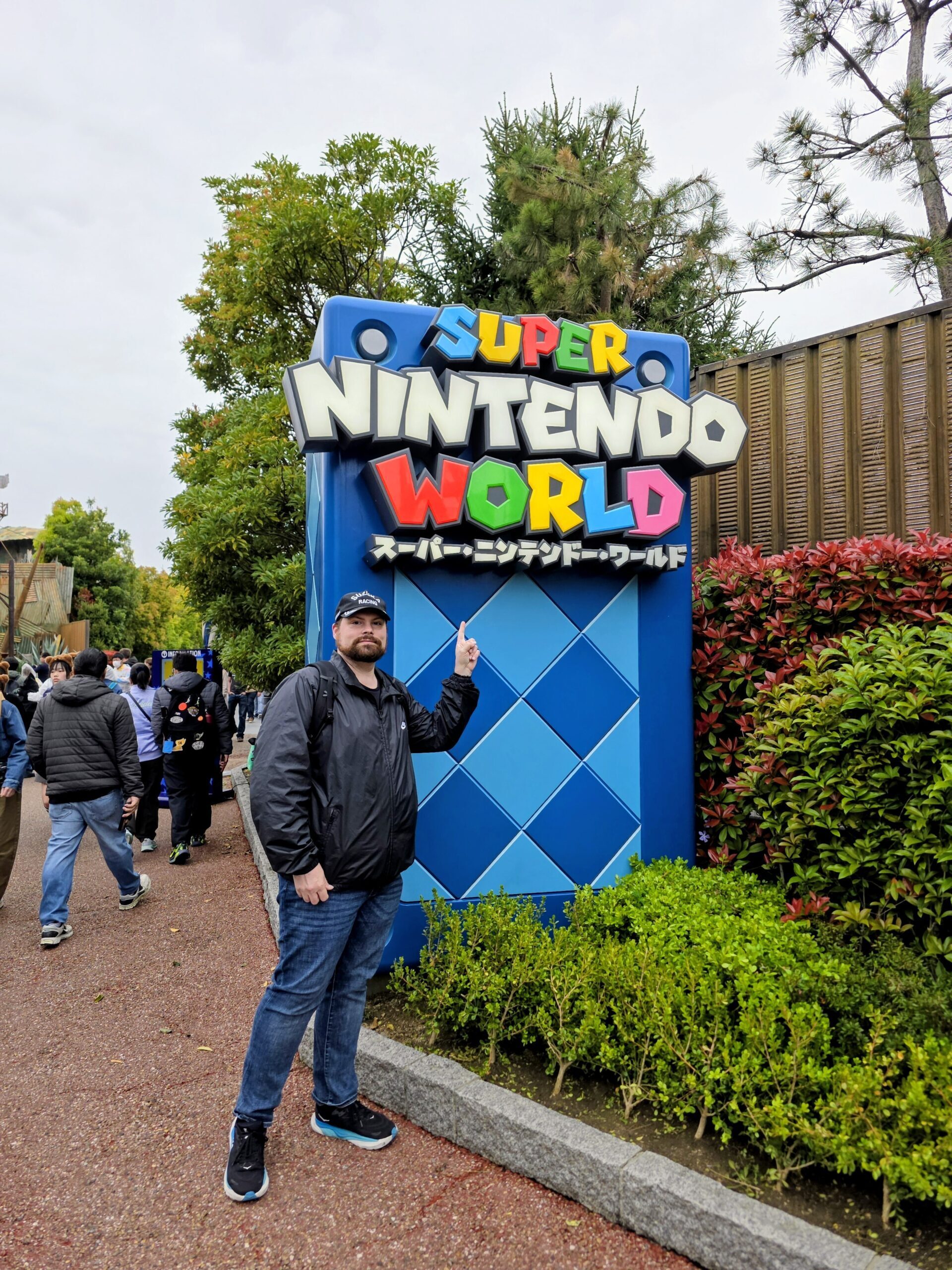
Nintendo World was the main event, and it delivered, although it was more crowded than anticipated. Between the cold, windy weather and the density of the crowd, we didn’t stay as long as we planned. Crowds are the one thing that can dull even a well-designed experience, and USJ draws them in force. Still worth going at least once, especially for Nintendo fans of any age.
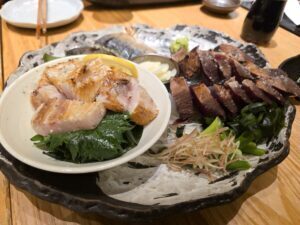
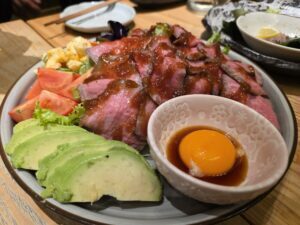
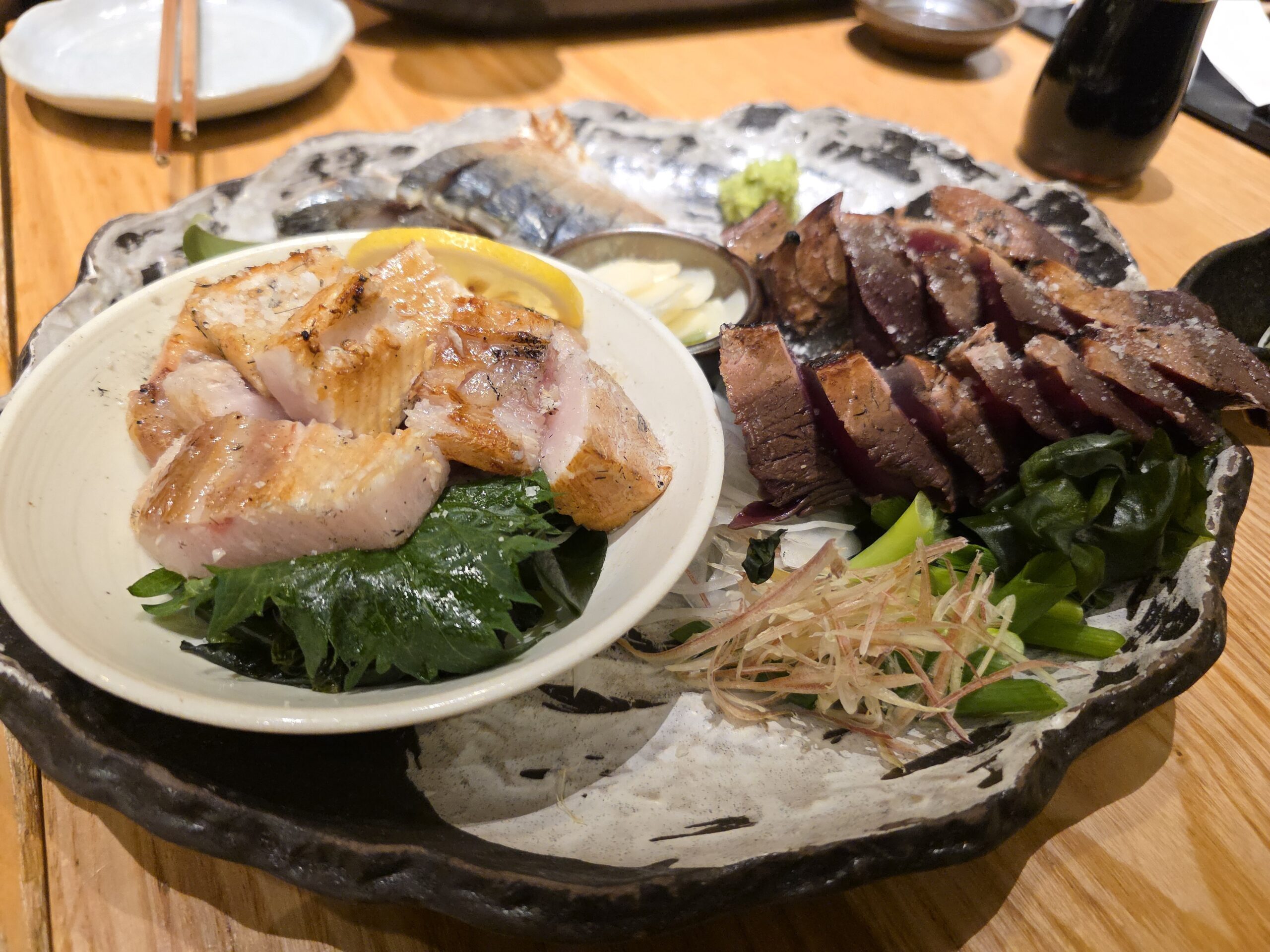
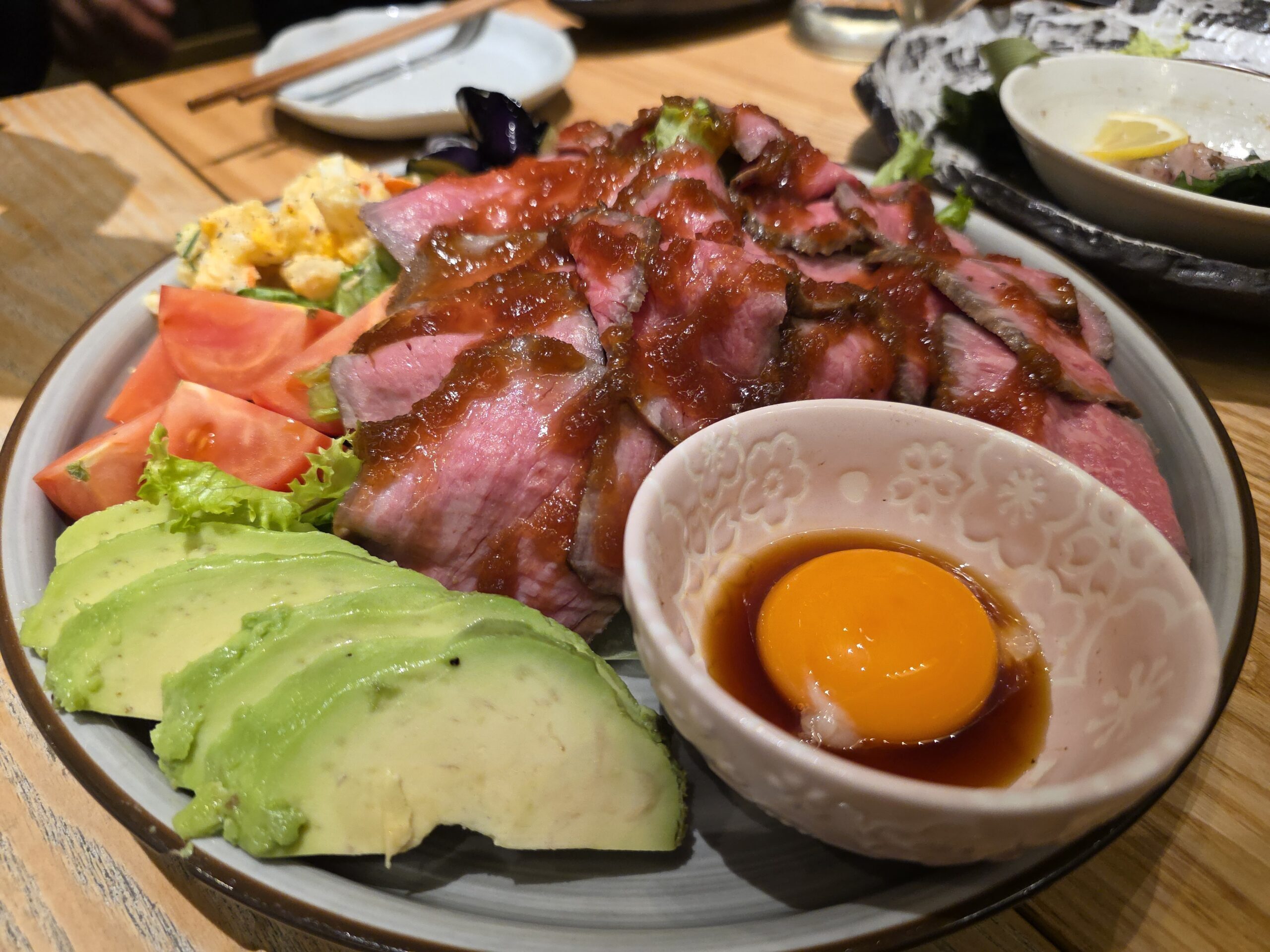
That evening we met up with my coworkers and boss for dinner at カツオとさくら (Katsuo to Sakura) in Hommachi. A proper izakaya — multi-course, nomihodai — a spot where you lose track of how long you’ve been sitting because the conversation is good and the glasses keep getting refilled. An excellent way to wind down the trip.
One Last Walk Down Dotonbori
Our last day, and I honored my end of the trip’s unspoken professional bargain by attending the tradeshow where my company was exhibiting. My first trade show in Asia, and the differences from North American and European shows were immediately noticable. The sales approach here is noticeably more aggressive. Representatives line the aisles and intercept every visitor they can, offering freebies in exchange for your badge info. I suspect they’re compensated on volume of leads, not quality. It’s a different culture playing the same game. The same type of event with a completely different philosophy about how you work the room. I also got to briefly connect with a few coworkers I don’t often get to work alongside. Those moments matter more than meetings ever could.
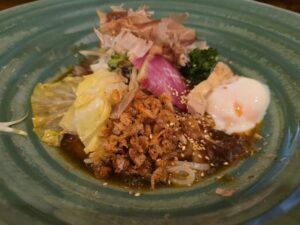
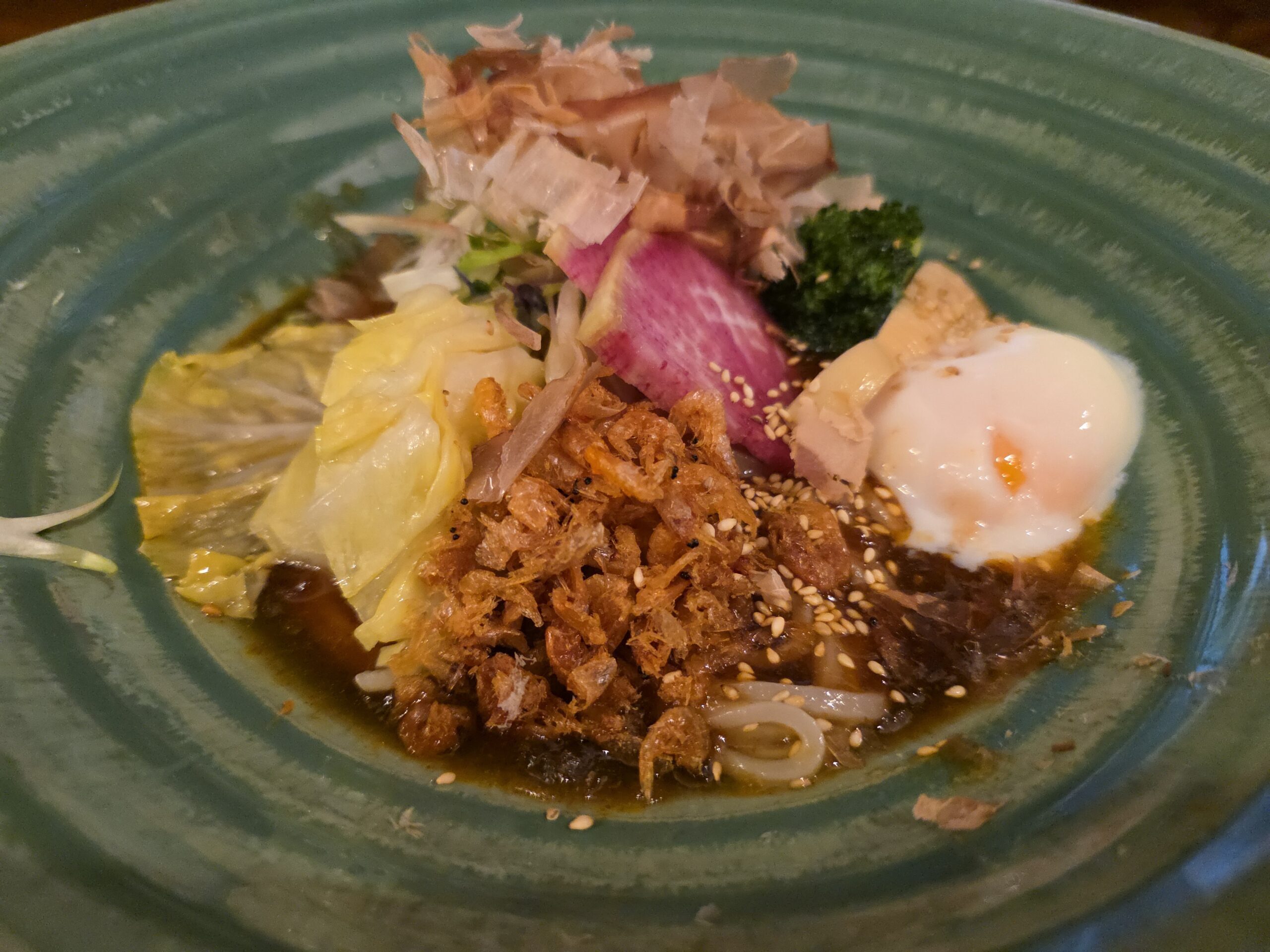
With a few hours before the flight home, I walked Dotonbori one last time and ended up at TsuruTonTan, my favorite restaurant in Japan. I ordered a cold udon seafood dish — a seasonal special built around sakura ebi, tiny translucent baby shrimp eaten whole, with a delicate crunch and an ocean-sweet flavor. They’re only available for a short window each year. I always order the seasonal special at TsuruTonTan because they’ve never once let me down, and this was no exception.
The Count Keeps Going, また会おうね
Four trips in, and Japan still finds ways to surprise me. A flea market behind an ancient pagoda. A jellyfish that shattered between my teeth. A Nintendo Museum where the ticket is a game token. A gyoza festival in the basement of a mall. A performance I wasn’t supposed to see. Japan always rewards the instinct to get out there and wander.
What shifts by the fourth trip isn’t the wonder of this foreign land. That hasn’t dimmed at all. What shifts is the confidence. The language flows more naturally, navigation is automatic, and I know how to read a room, order without pointing, exist there without broadcasting that I don’t belong. There’s something profound about reaching that level of comfort in a country that isn’t your own. Japan is the only place where I feel like the most authentic version of myself. And watching my girlfriend find her own version of that same feeling, a joy that’s genuinely hers now, not borrowed from my enthusiasm, made this trip feel like something more than another chapter. It felt like something we’re building together, visit by visit. A shared love for a culture that keeps giving back.
It’s still not enough. It never is. That’s why I’ll be back.