North on the Fourth
We went Montreal for a comic con. We came back with a poutine obsession, a bagel loyalty crisis, and a love for a Portuguese custard tart that has not gone away. Five days, one very well-informed taxi driver, and a city that delivered on everything I hoped it would be.
July 4 – 8, 2019
🇨🇦: Montréal , QC
There’s something a little funny about spending the Fourth of July in another country. No complaints here. I’d been to Toronto before (that was my introduction to Canada) but Montreal was the second Canadian city on the list, and I’d been curious about it for a while. I wanted something that felt familiar enough to not be overwhelming, but foreign enough to actually feel like travel. Montreal fit that bill. It’s Canada. The infrastructure, the vibe, the general politeness is unmistakably Canadian. But with French everywhere — on every sign, in every restaurant, in every conversation happening around you — it feels foreign. It flips a switch in your brain. You know you’re kind of close to home, but yet it feels far away. That tension is exactly what I was looking for.
My girlfriend and I made the trip together. The official reason was Montreal Comic Con. The unofficial reason was that we just wanted to go somewhere new.
The Big Owe
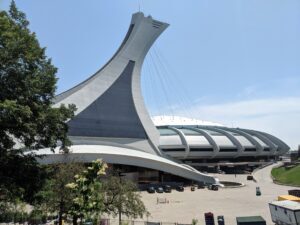
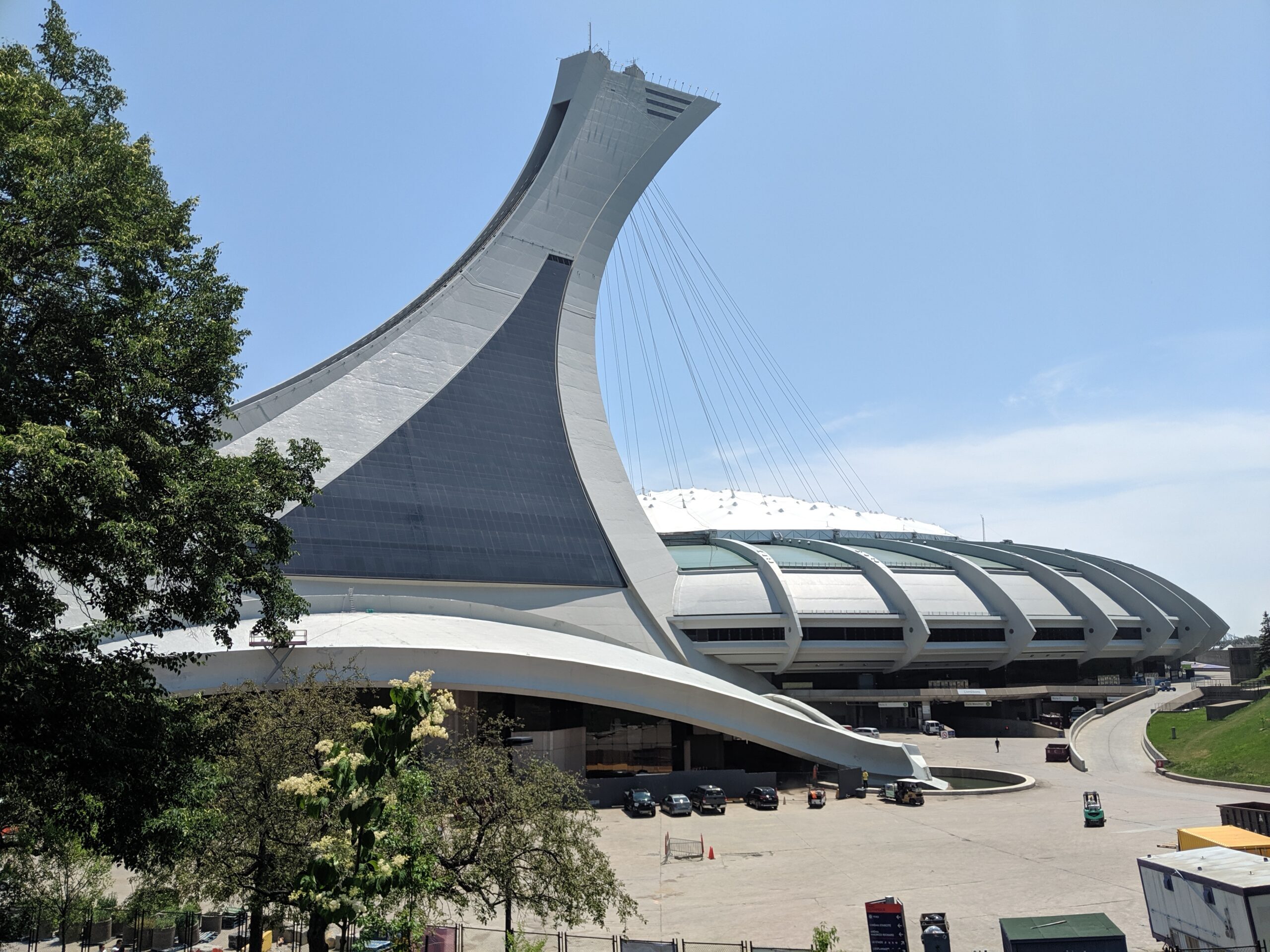
Our first stop was the Olympic Stadium. I didn’t fully appreciate what I was looking at until I was standing in front of it at the time. The stadium was built for the 1976 Summer Olympics, Montreal’s hosting moment, and it became one of the most expensive and controversial sports venues ever constructed. The retractable roof alone took over a decade past the games to actually get installed. The tower leaning over the whole complex (the tallest inclined tower in the world, by the way) wasn’t completed until ’87! It went so far over budget that Quebec taxpayers were still paying it off into the 2000s. All of that, is why the locals have called it “The Big Owe” for years.
Today it hosts concerts, trade shows, and the occasional sporting event, but there’s a strange, slightly melancholy grandeur to it. A monument to Olympic ambition that outlived its moment. I found it fascinating. Some things are more interesting for their history than how they currently exist.
Ninety Minutes in Shanghai
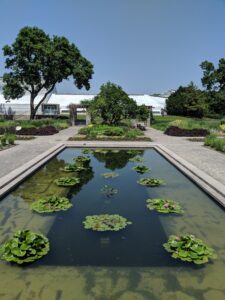
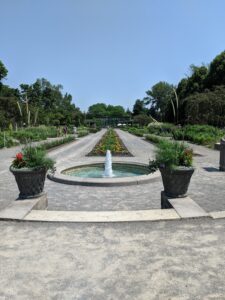
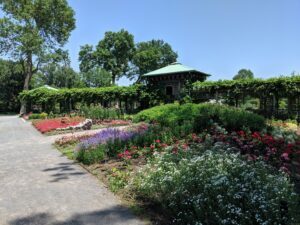
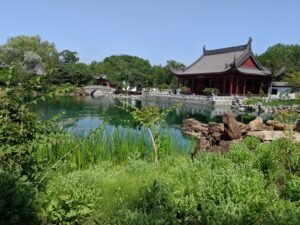
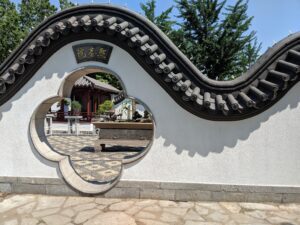
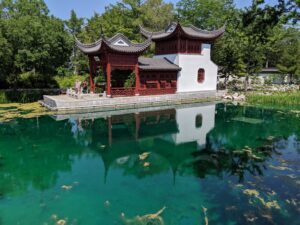
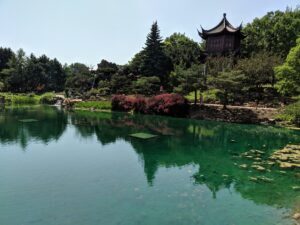
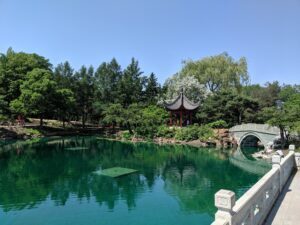
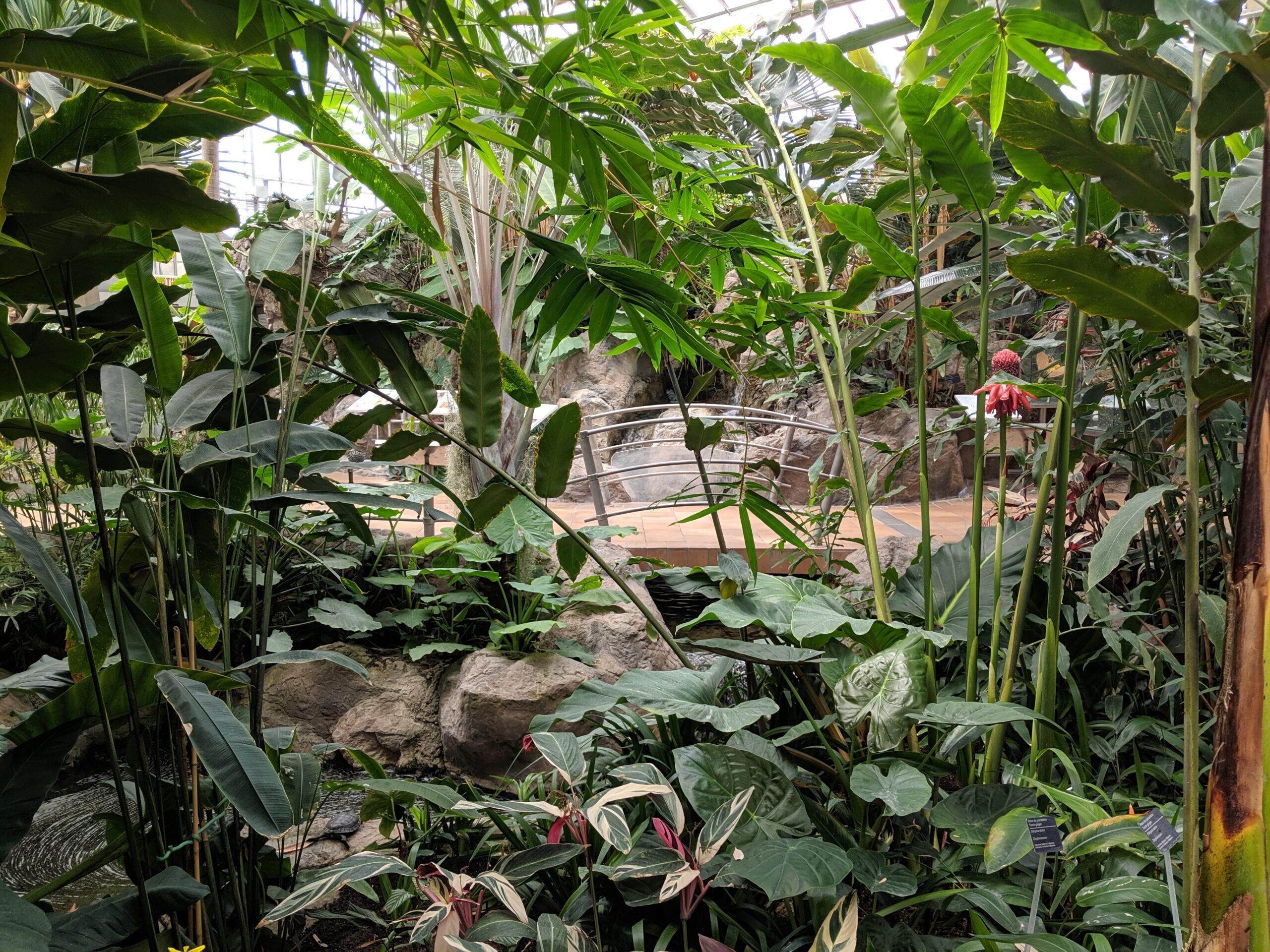
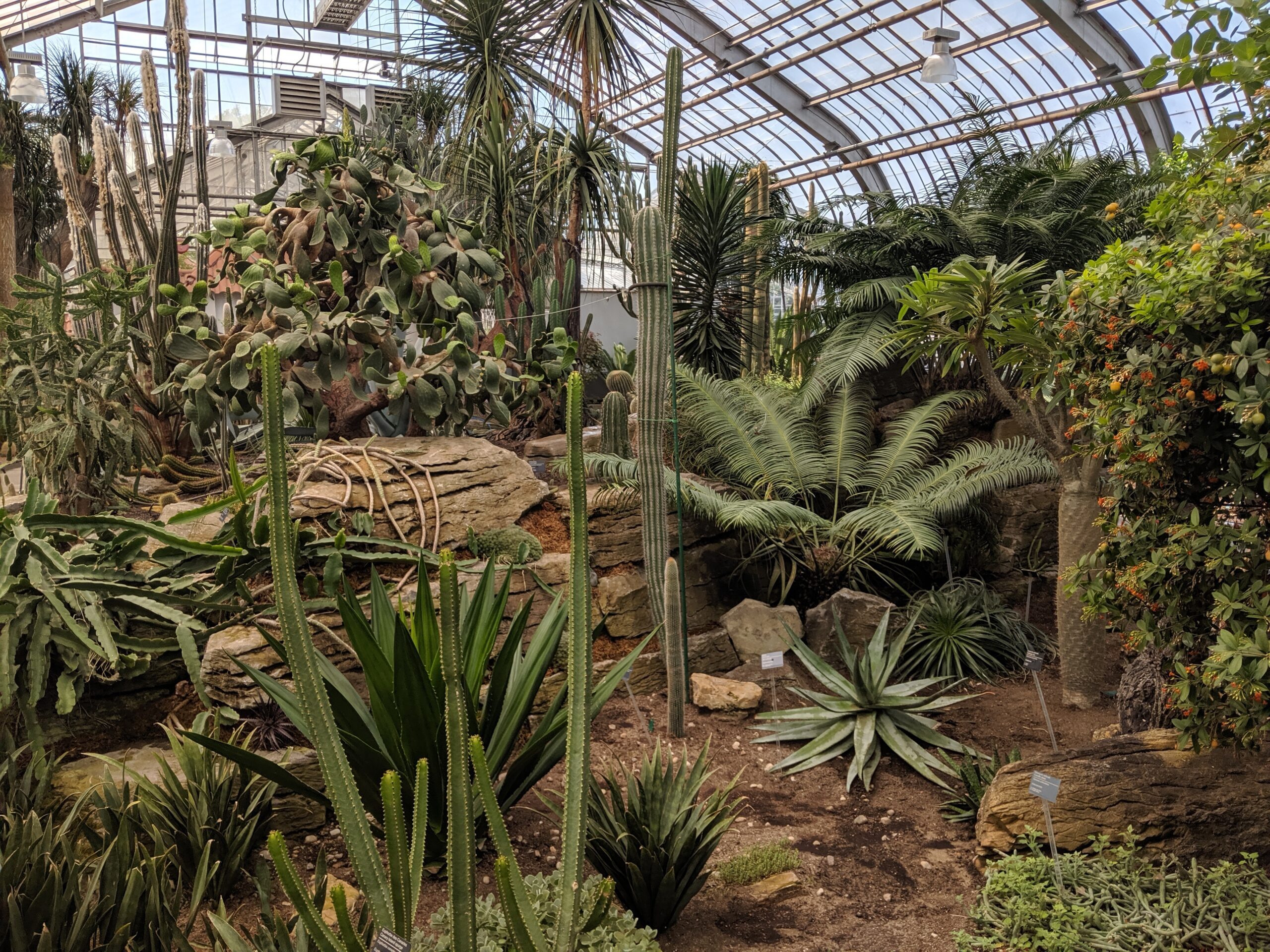
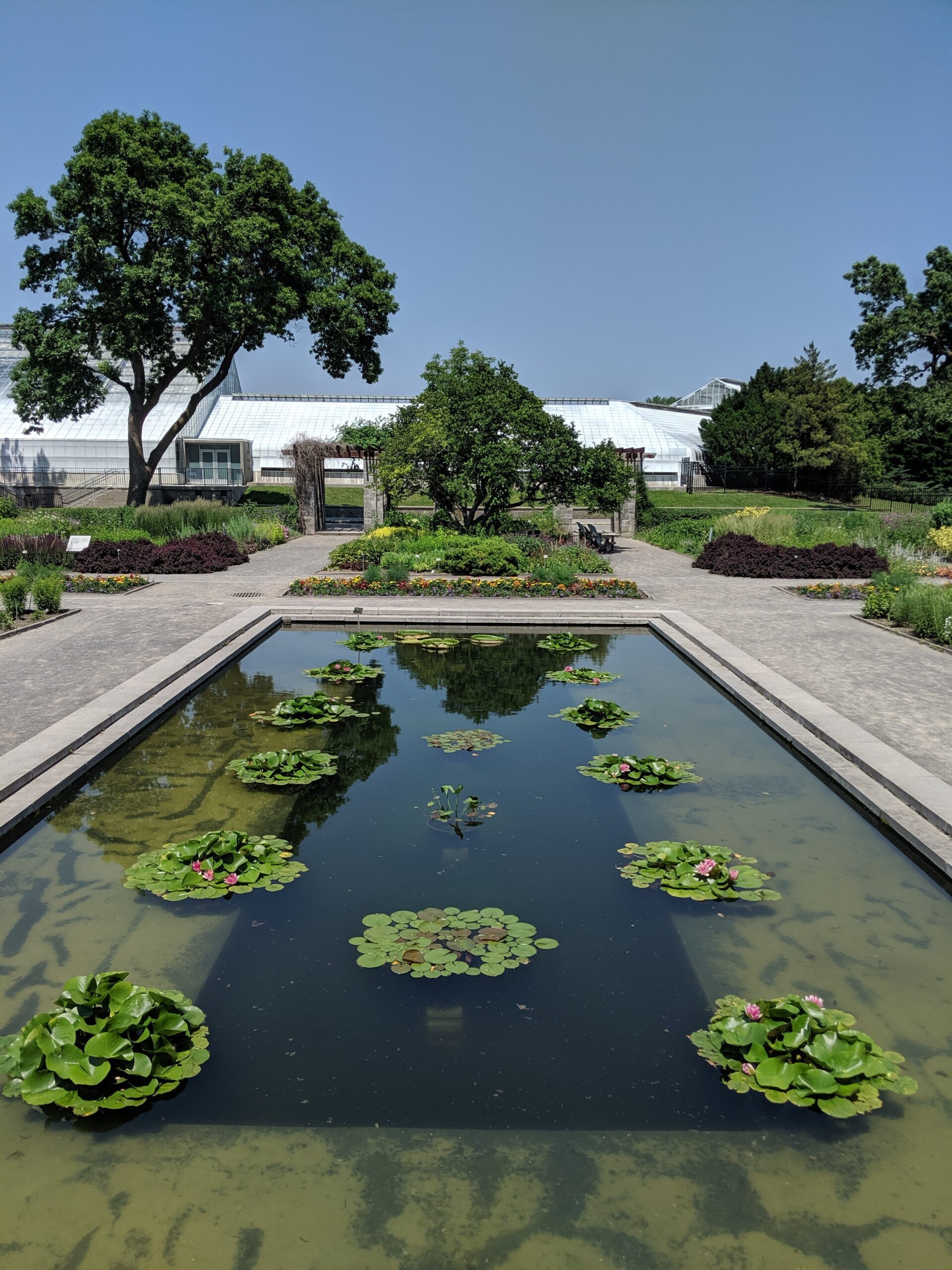
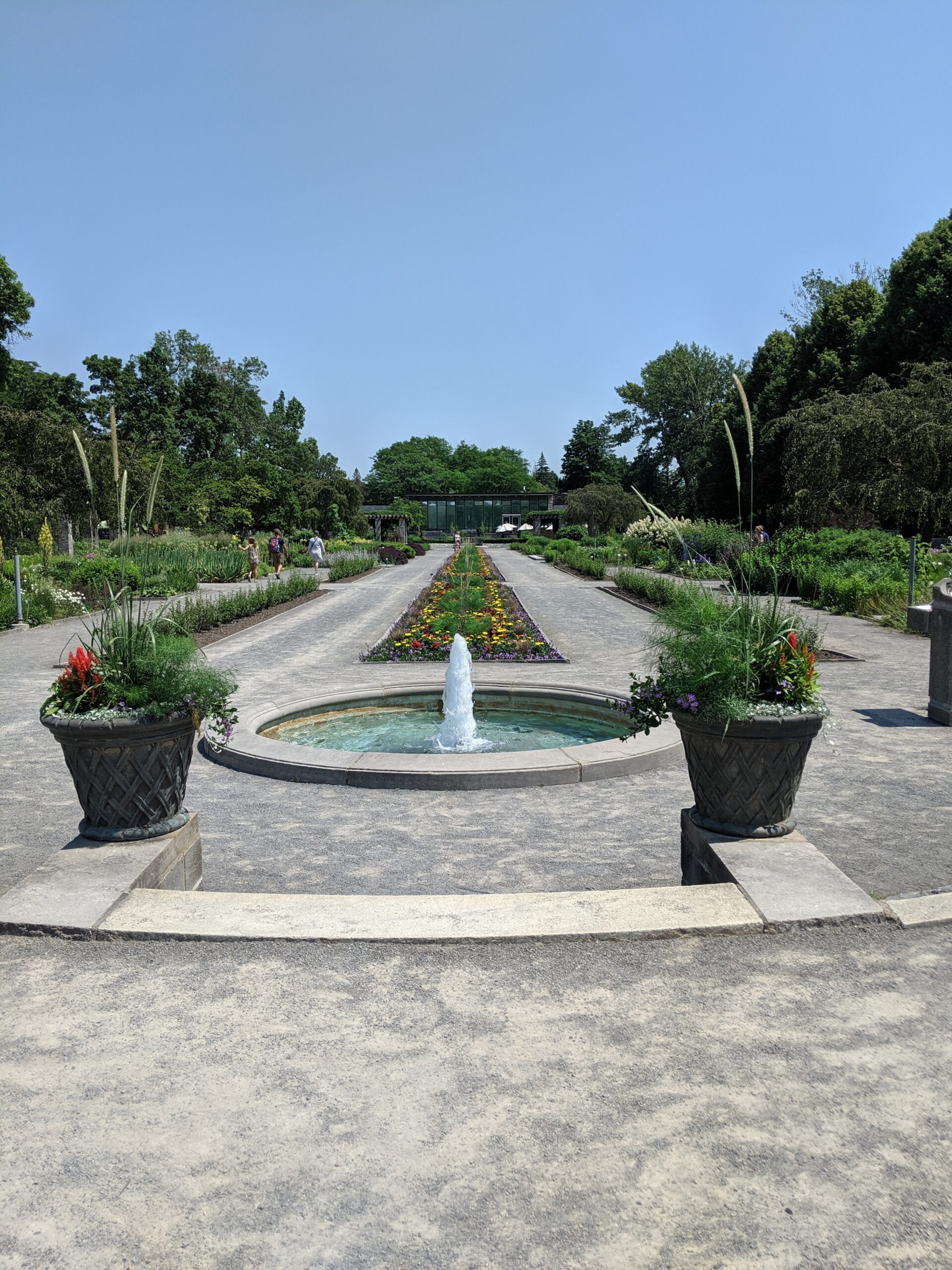
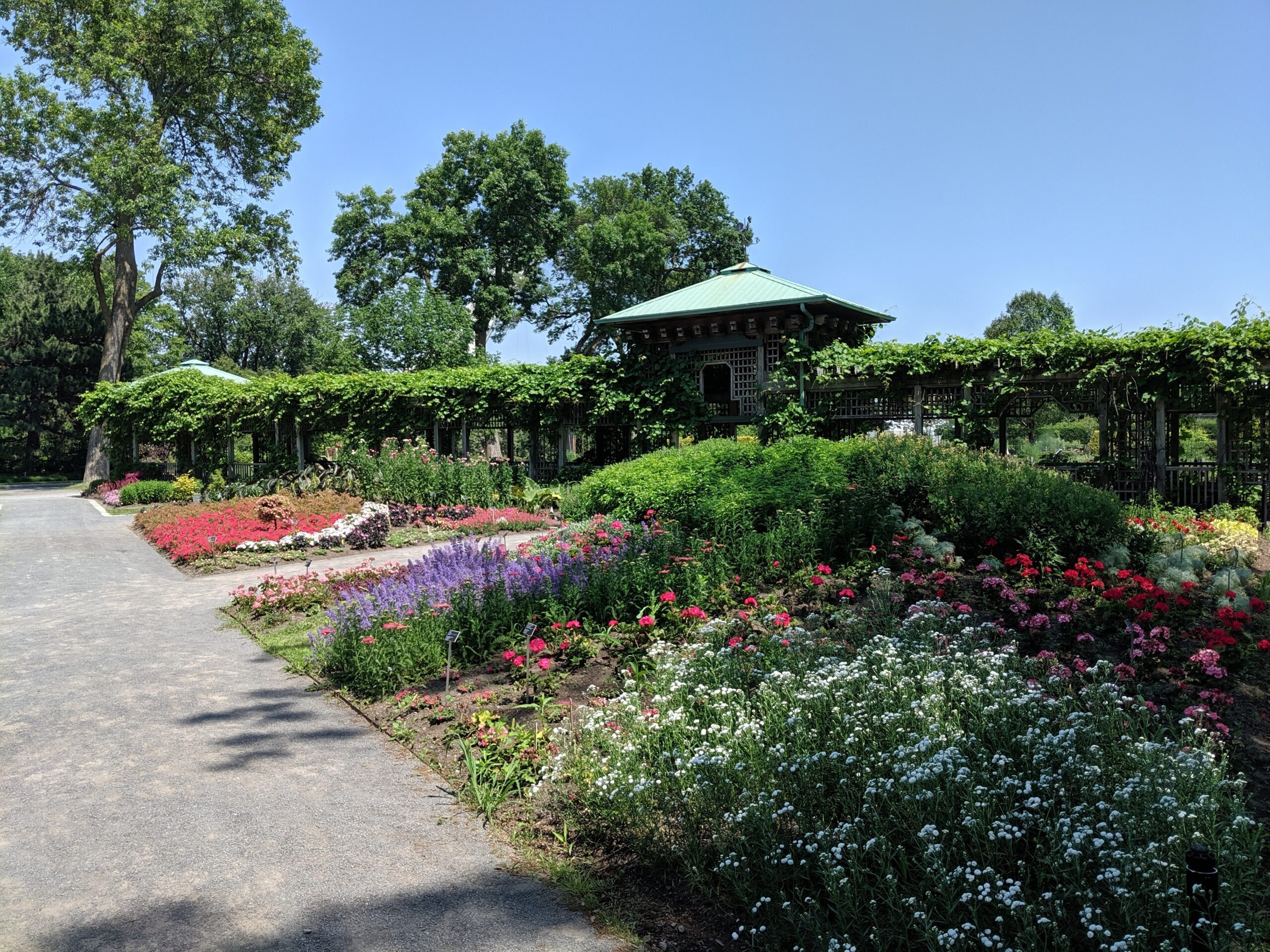
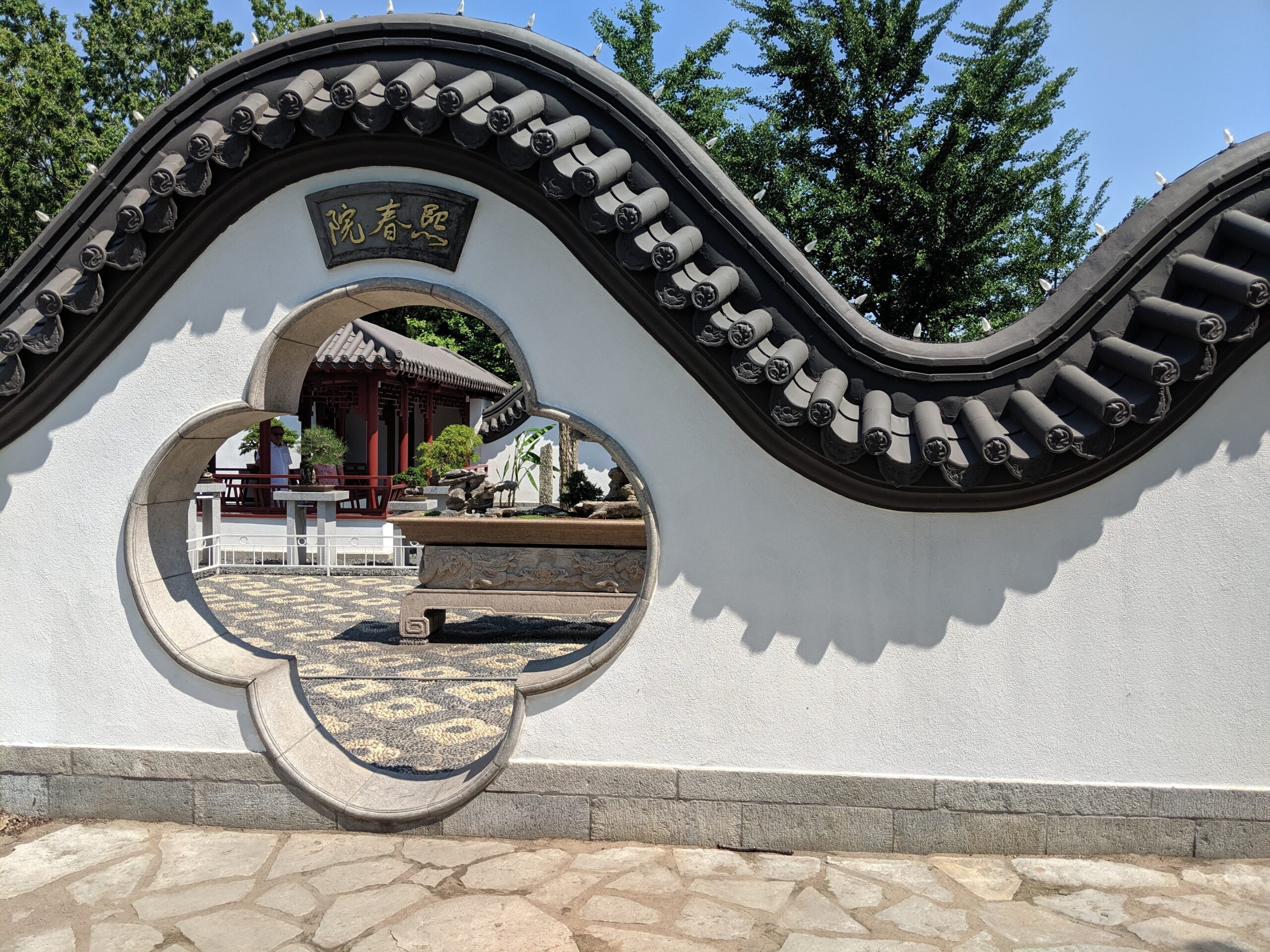
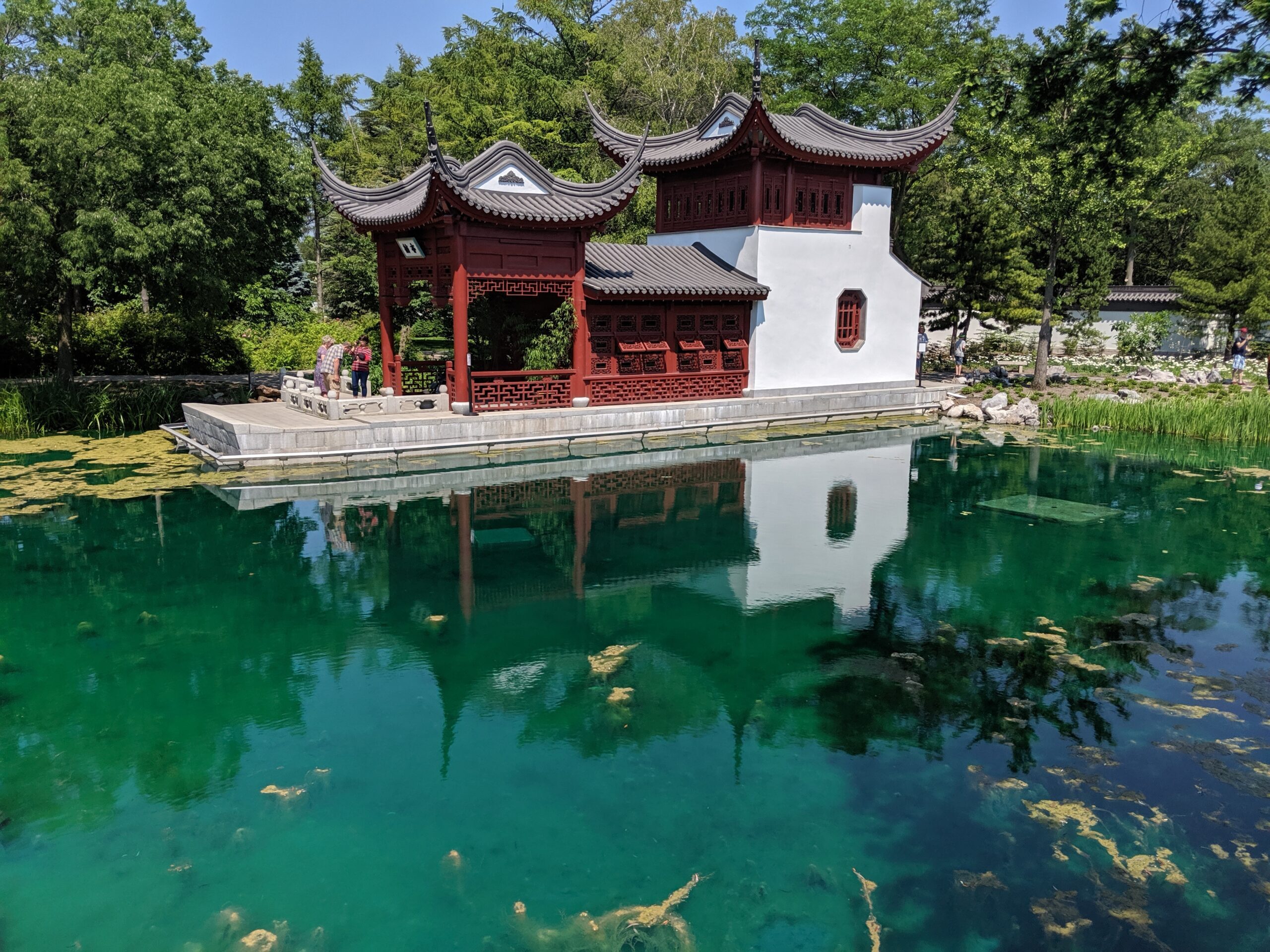
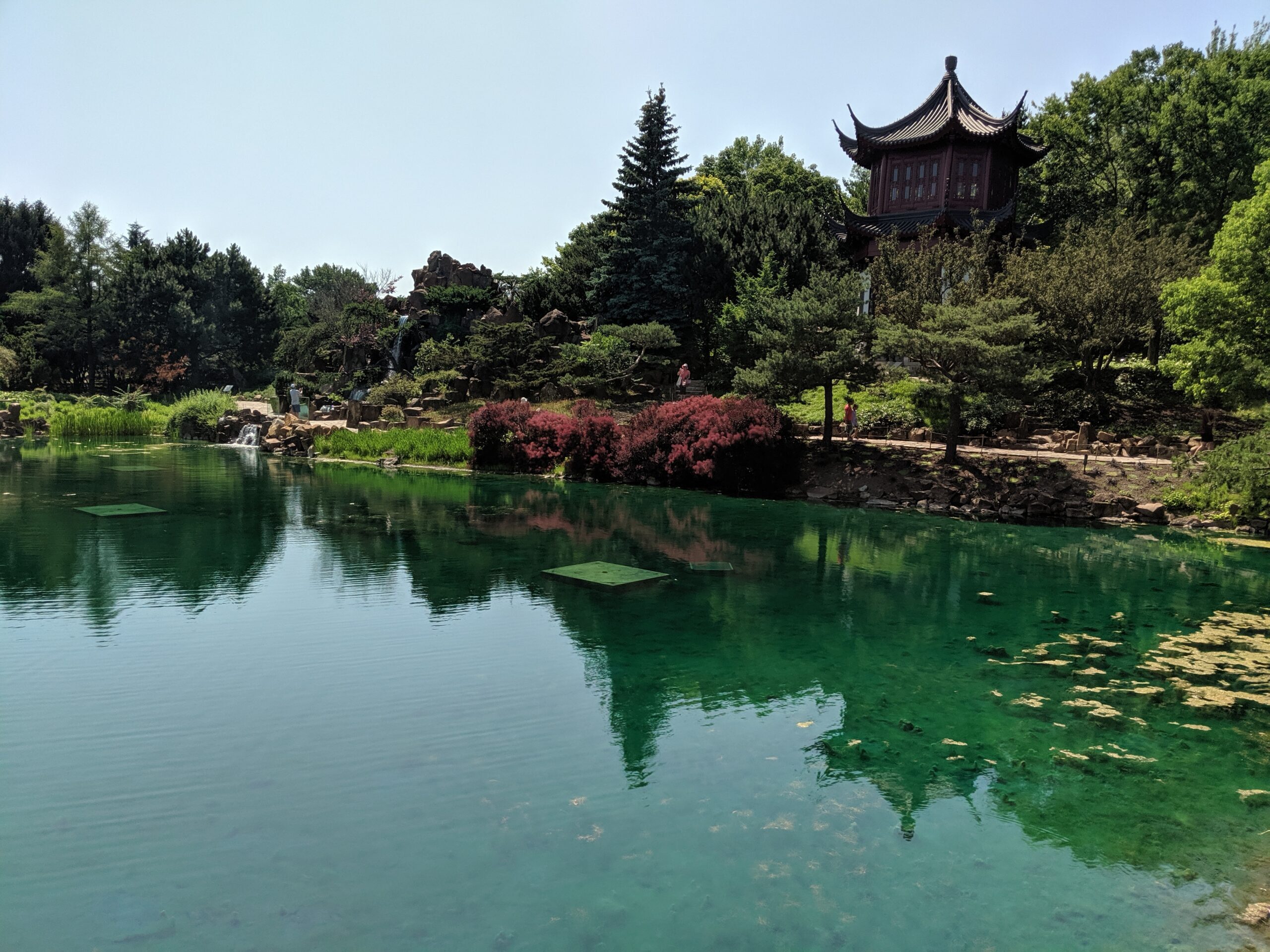
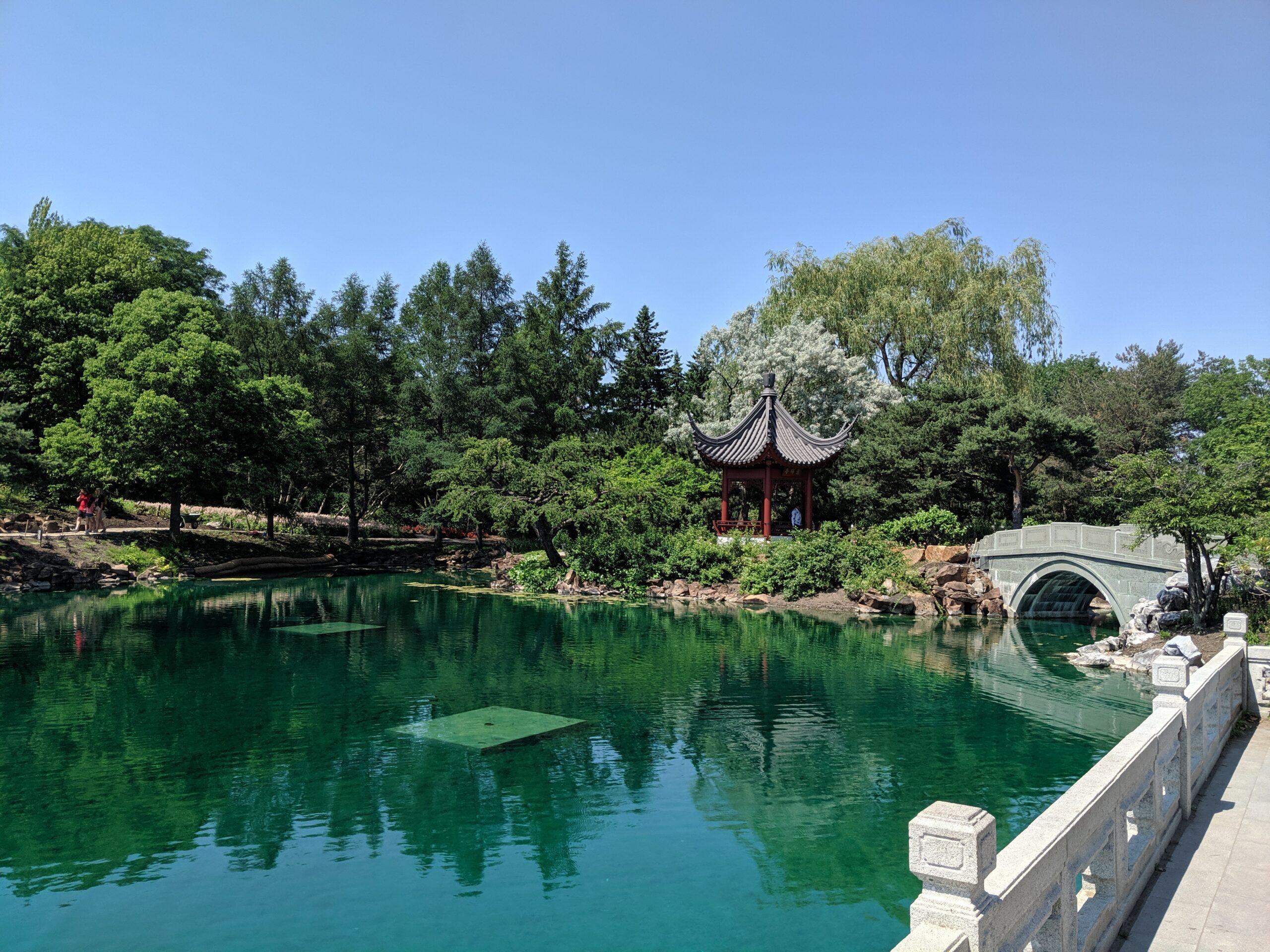
From there we went to the Montreal Botanical Garden, which turned out to be one of the genuine highlights of the trip. With over 75 hectares of land, the place is MASSIVE. The grounds are divided into themed gardens and greenhouses, each designed to feel like a completely different world from the last. Walking from one biome to the next, going from a tropical greenhouse to an alpine garden to something that felt like an elven forest floor, was its own form of “micro-exploration.”
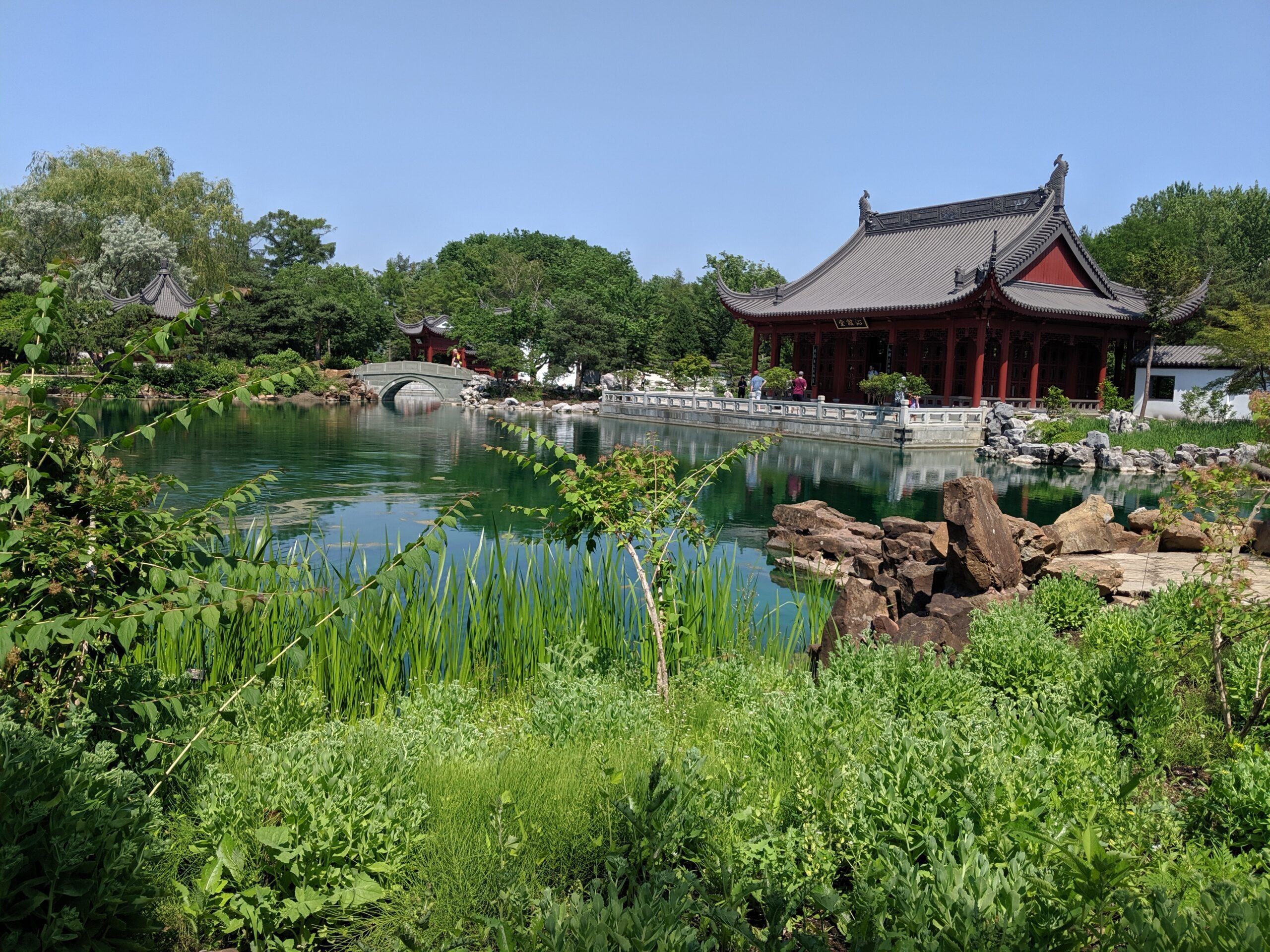
The Chinese Garden was our favorite by a long shot. One of the largest Chinese gardens outside of China, it was designed in partnership with Shanghai, and you can immediately feel that authenticity. The pavilions, the rock formations, the the creative use of water called back to my trips to Asia. It didn’t feel like a theme park version of something. It felt like the real deal. We lingered there longer than anywhere else, and honestly it will have to do until I finally make it to China.
Quebec’s Greatest Export
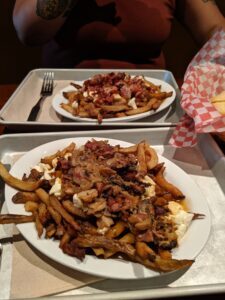
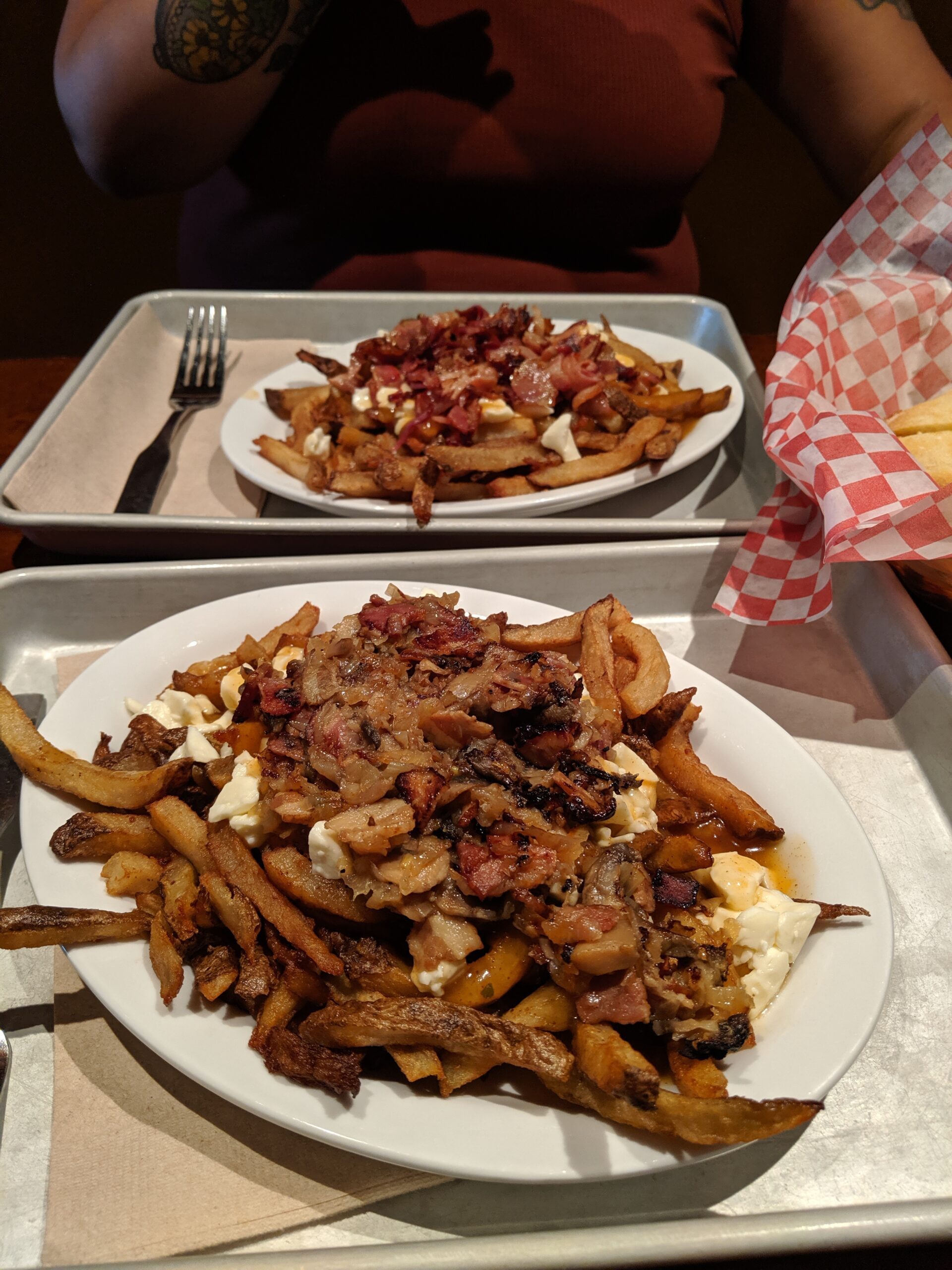
I had poutine for the first time in Montreal, and I’m still not entirely sure how I went so long without it.
For the uninitiated: poutine is a Quebec original, comprised of french fries topped with cheese curds, smothered in hot gravy. The cheese curds are the key. They need to be fresh enough that the gravy softens them without fully melting them, leaving this squeaky, slightly gooey layer between the fries and the sauce. It sounds simple because it is, and that’s why it is special. Quebec has been making it since at least the late 1950s, and it’s evolved from working-class diner food into a widely celebrated “foodie” snack. It’s on menus everywhere now, even in Easton, from greasy spoons to upscale restaurants. But the soul of the dish is still the same.
The Jewel Box
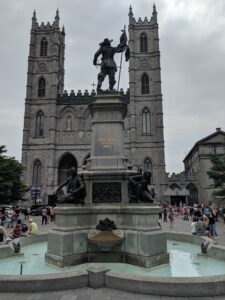
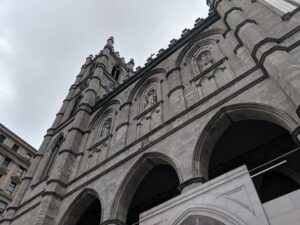
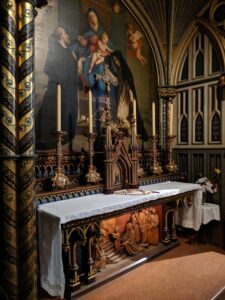
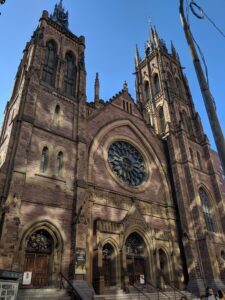
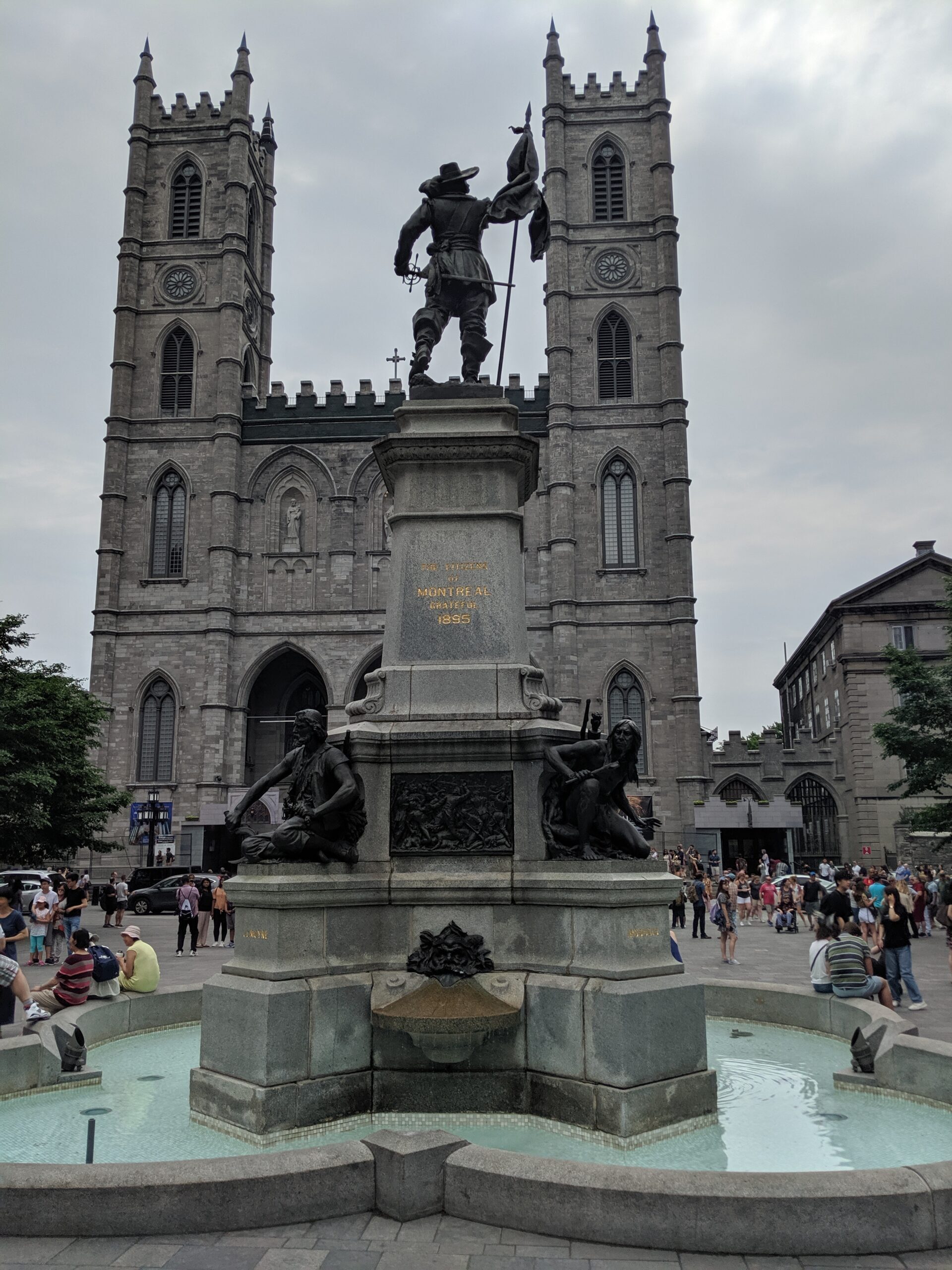
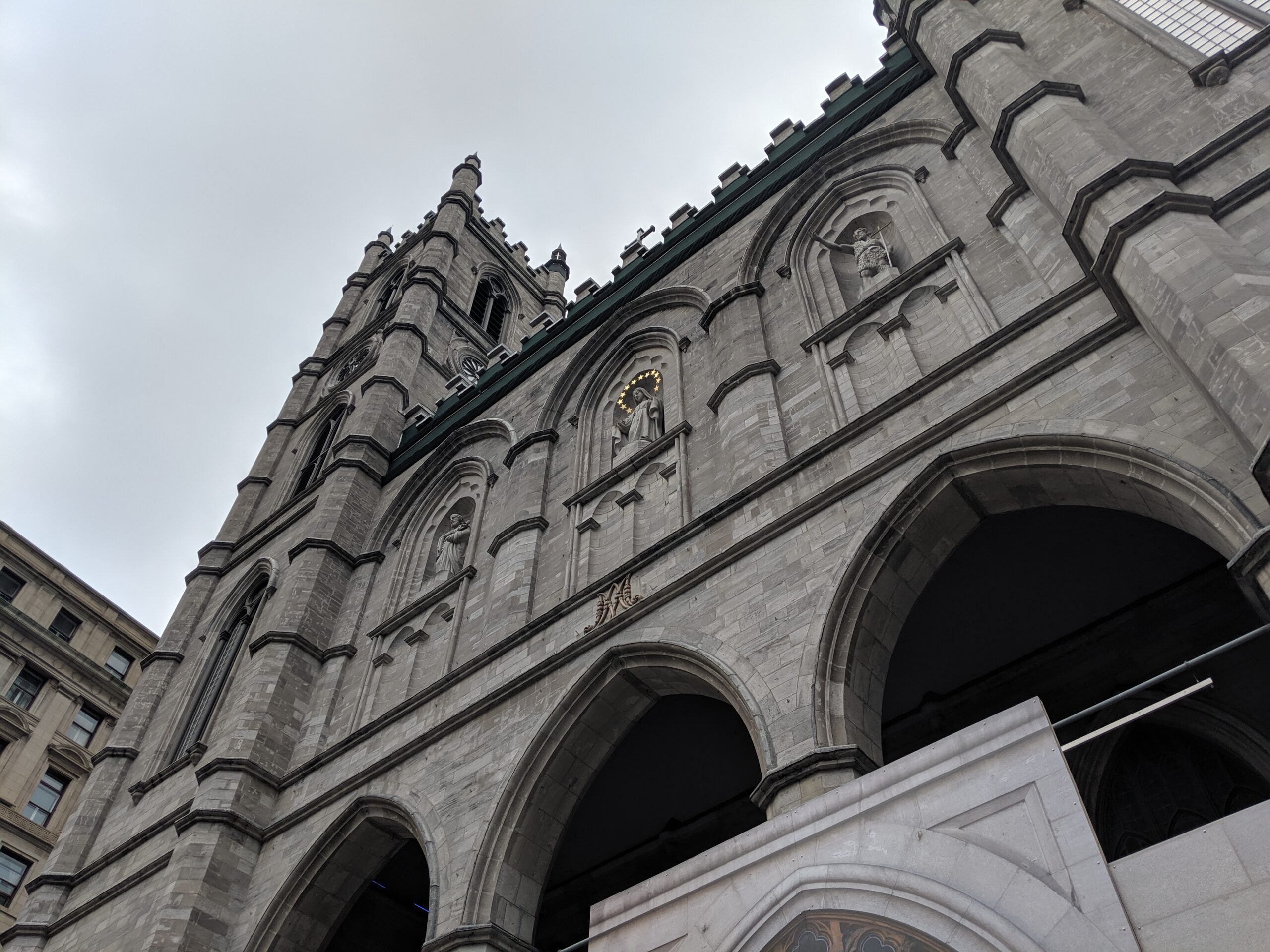
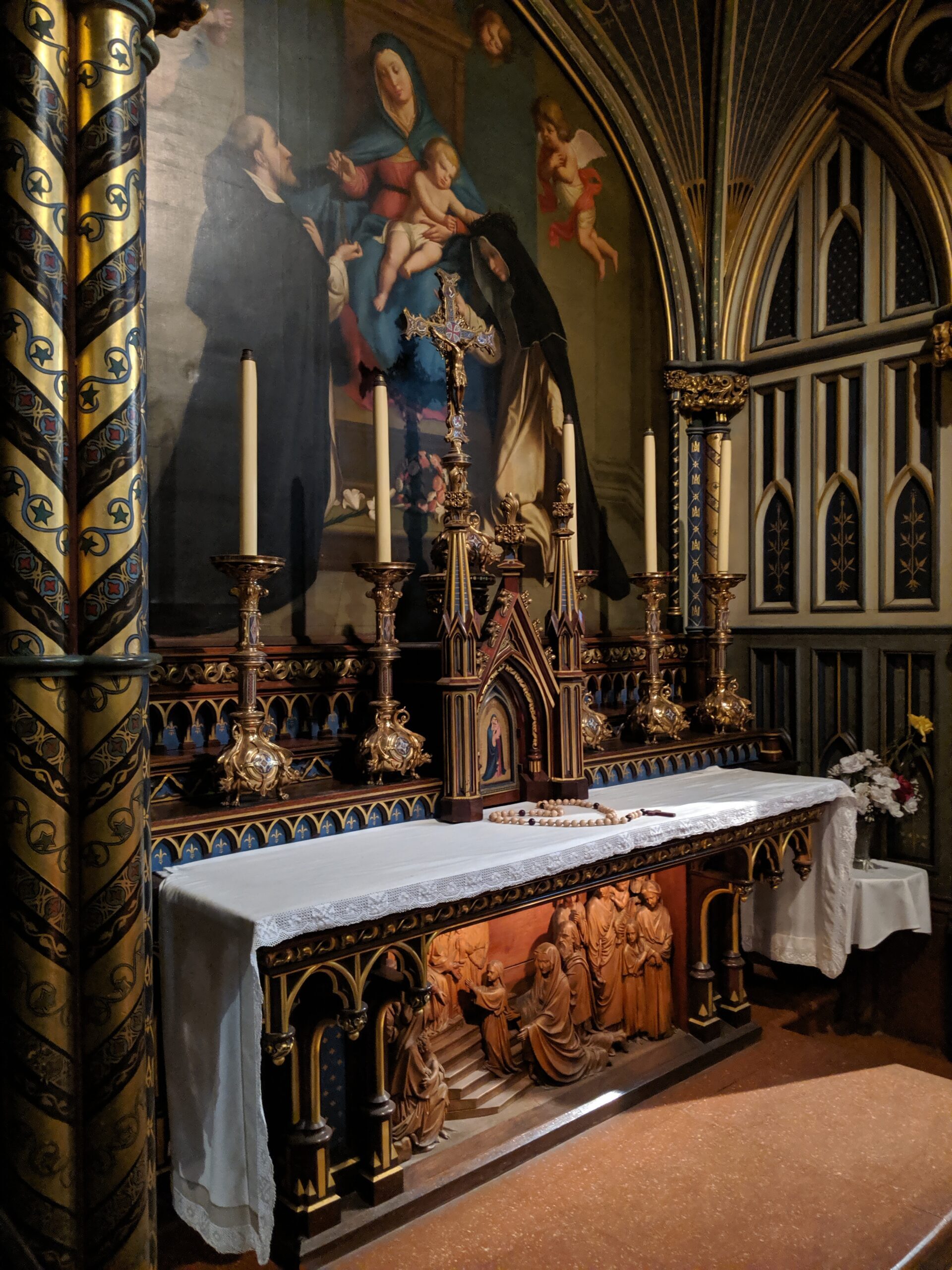
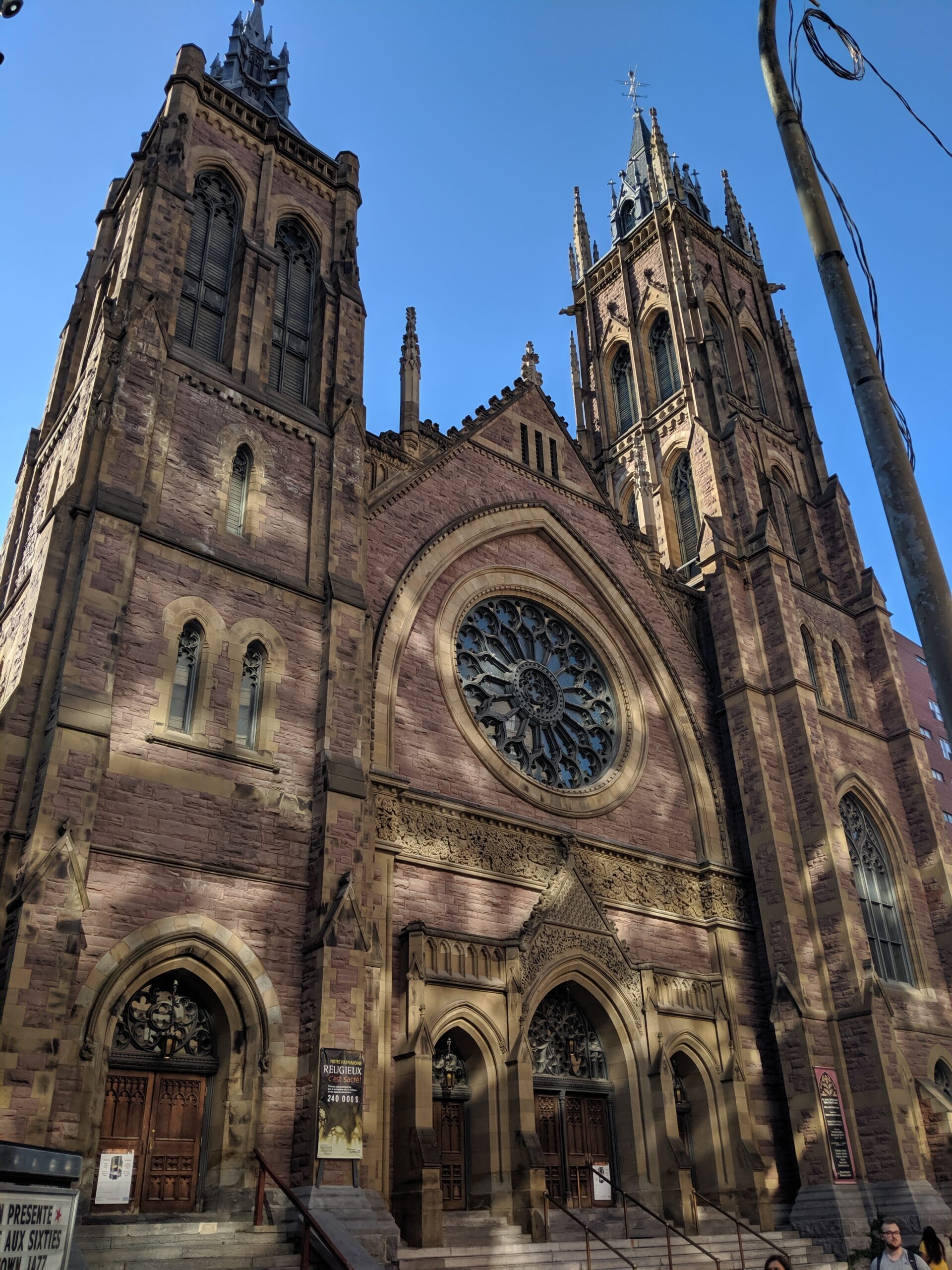
Day two started at the Basilique Notre-Dame de Montréal, and this is where I need to make a comparison I’d been curious about since we booked the trip.
I visited Notre-Dame de Paris a few years earlier, before the fire. That cathedral has centuries of history pressing down on you from every angle. It’s Gothic in the truest sense, massive and austere. Beautiful, but serious.
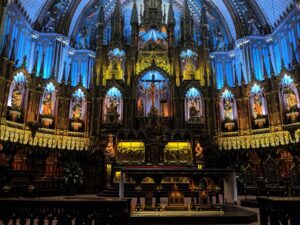
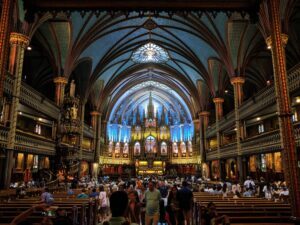
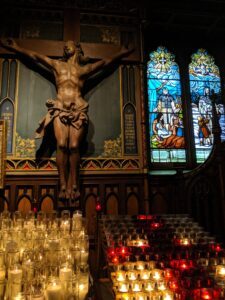
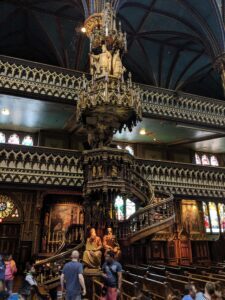
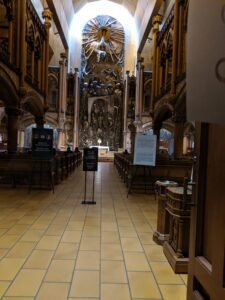
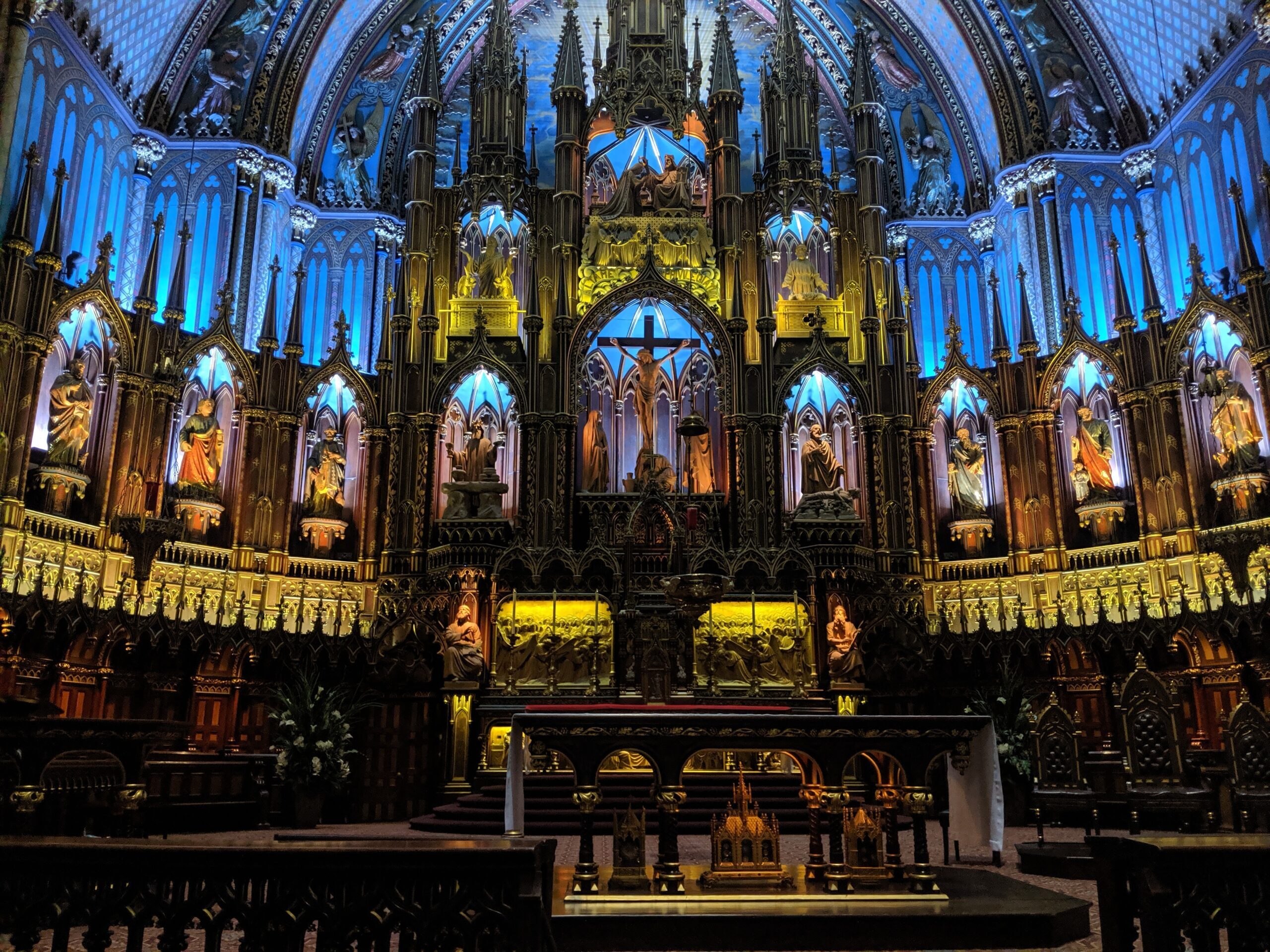
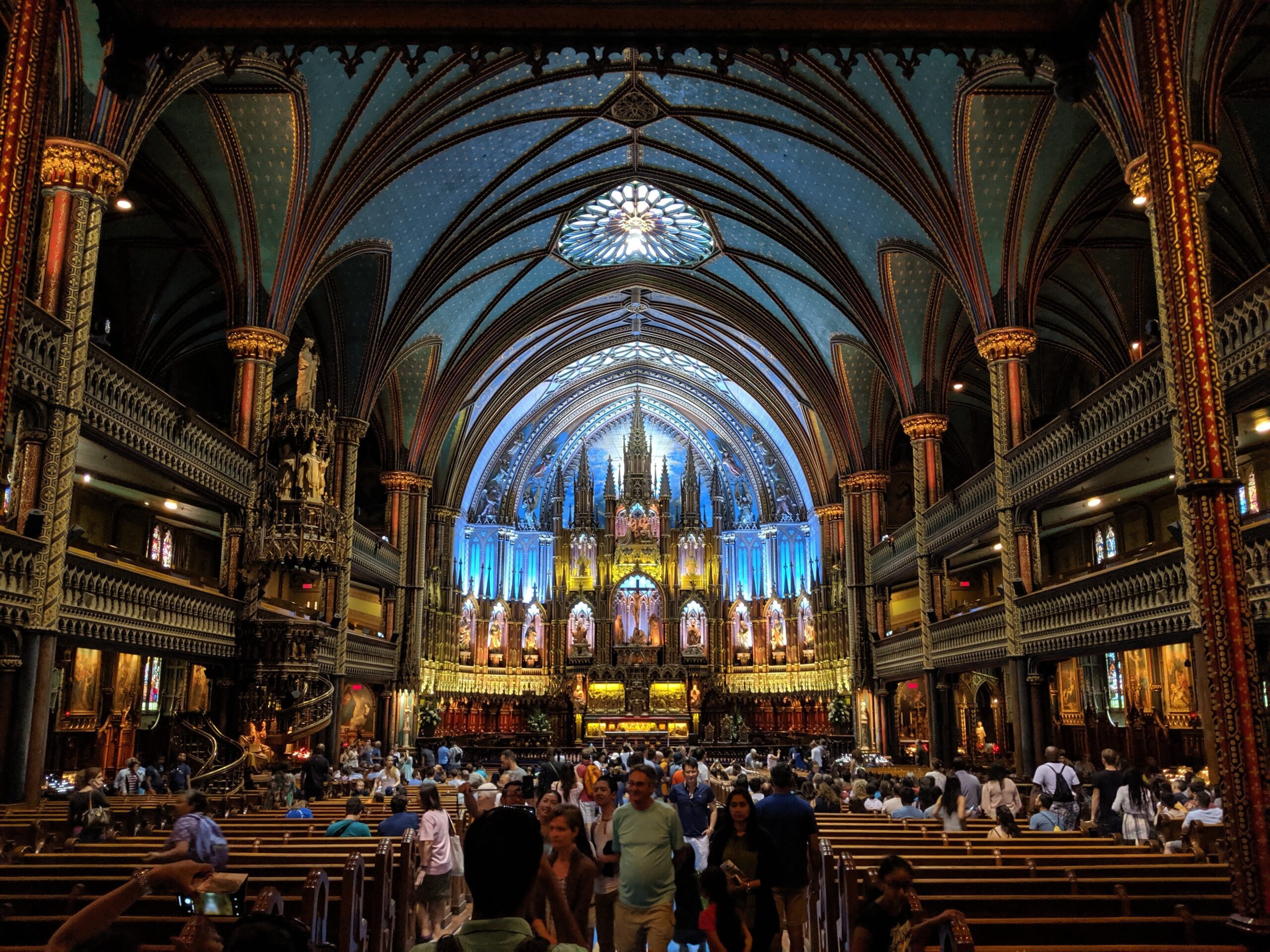
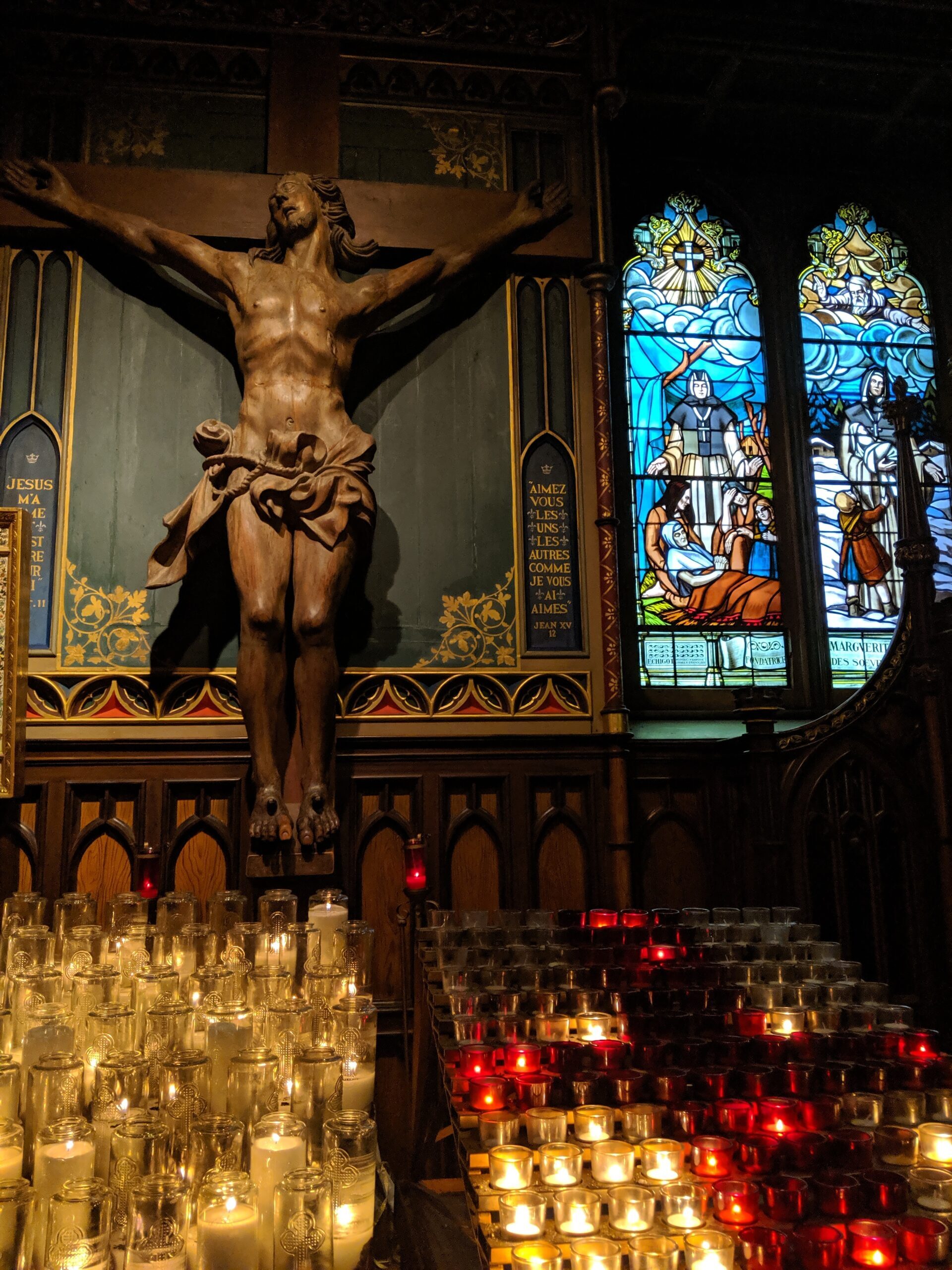
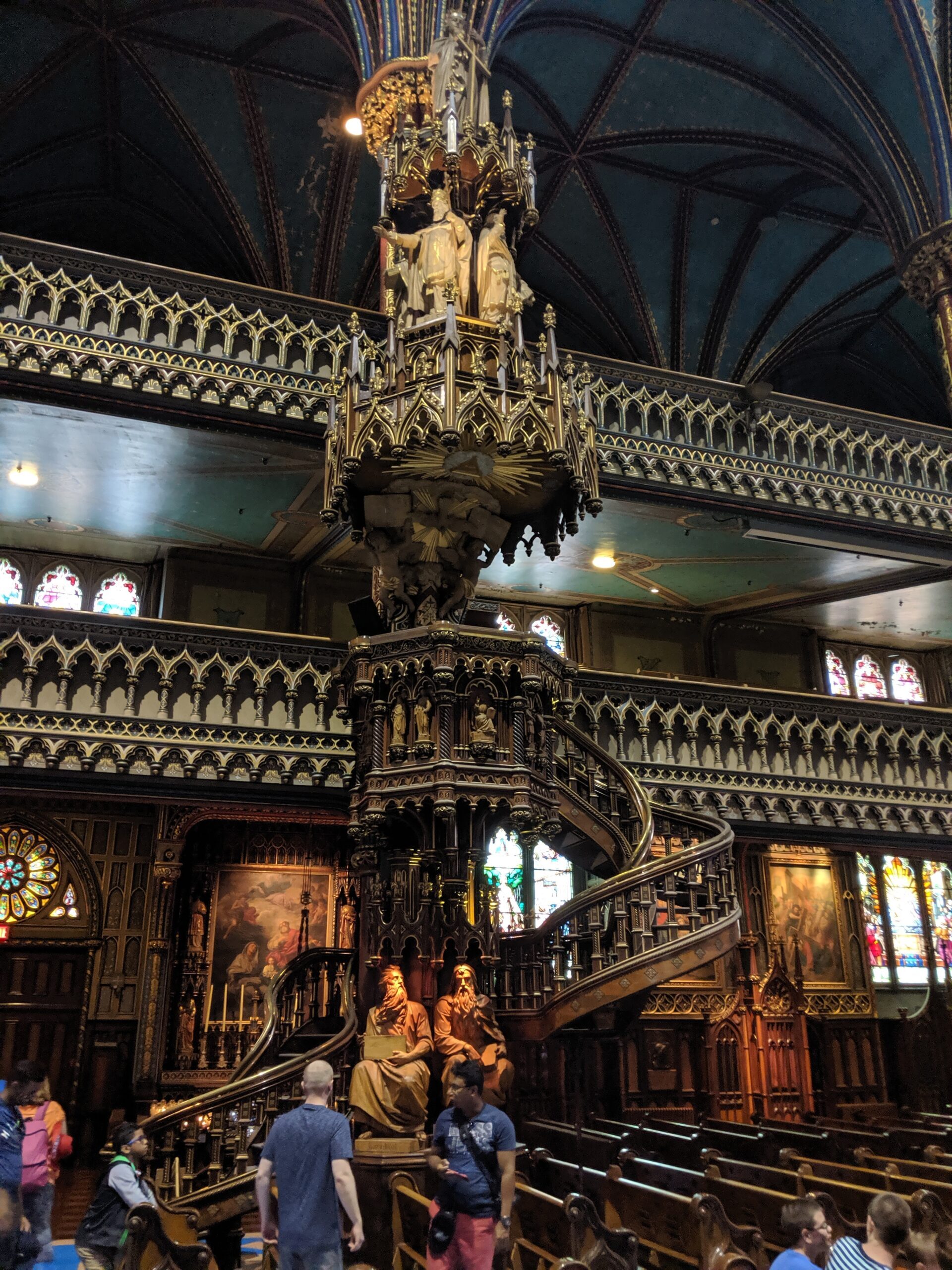
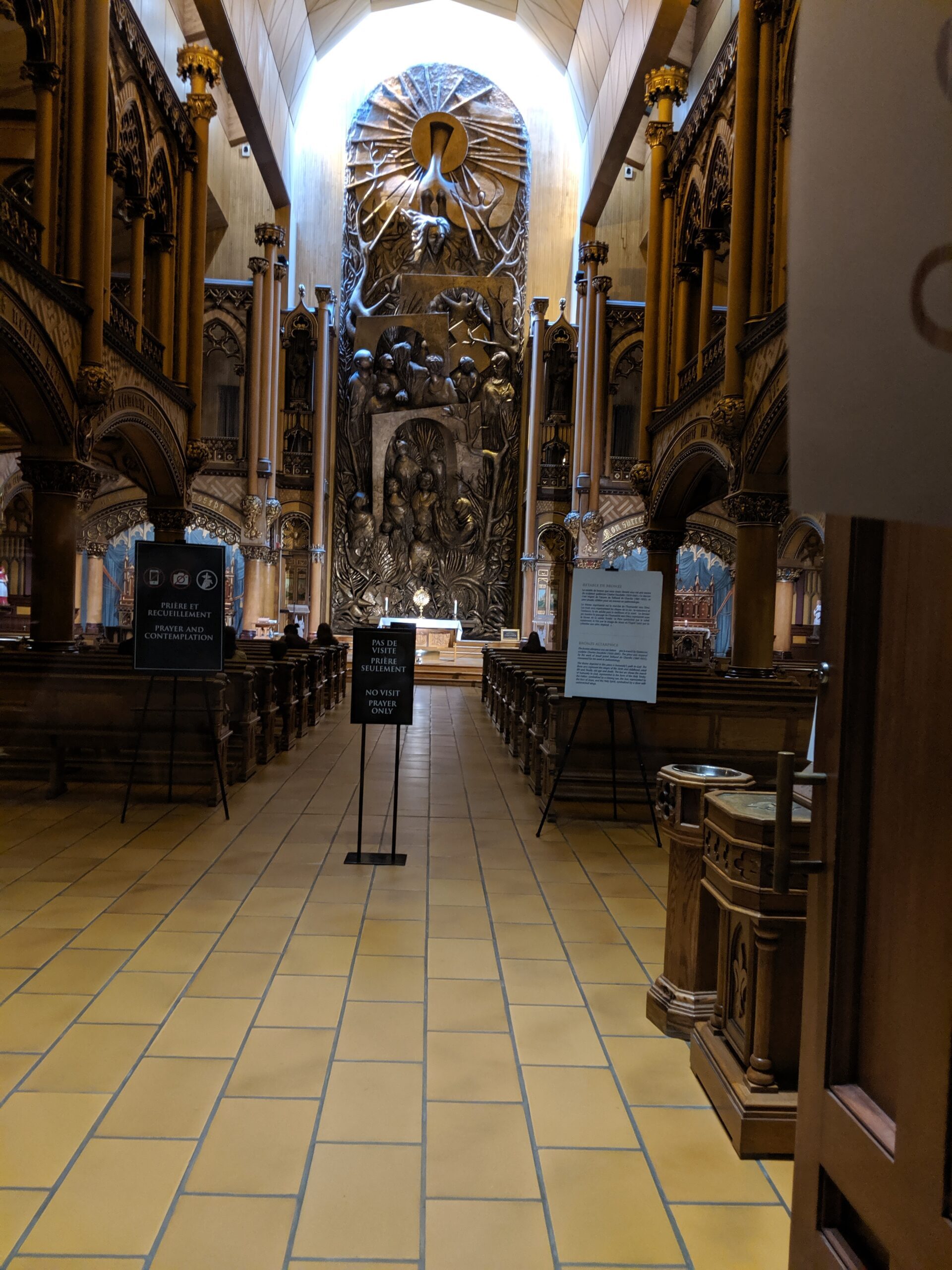
Montreal’s Notre-Dame is something else entirely. Built in the 1820s and completed in 1829, it’s Neo-Gothic rather than Gothic, meaning it’s less medieval austerity and more deliberate. The interior is electric, featuring deep blues and golds, intricately carved wooden details, an ornate ceiling. It holds around 2,500 people and it’s used today for both regular mass and large public events. In think Céline Dion got married here, lol.
If Paris’s Notre-Dame is a cathedral that makes you feel small, Montreal’s makes you feel like you wandered into a jewel box. They’re both magnificent but strive for completely different vibes. I’m glad I had the context of one when I walked into the other.
Convention Fatigue, Setting In
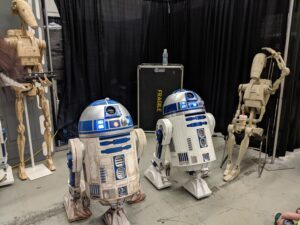
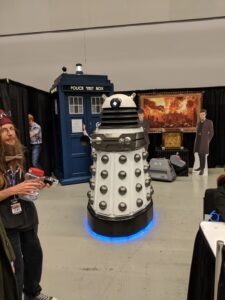
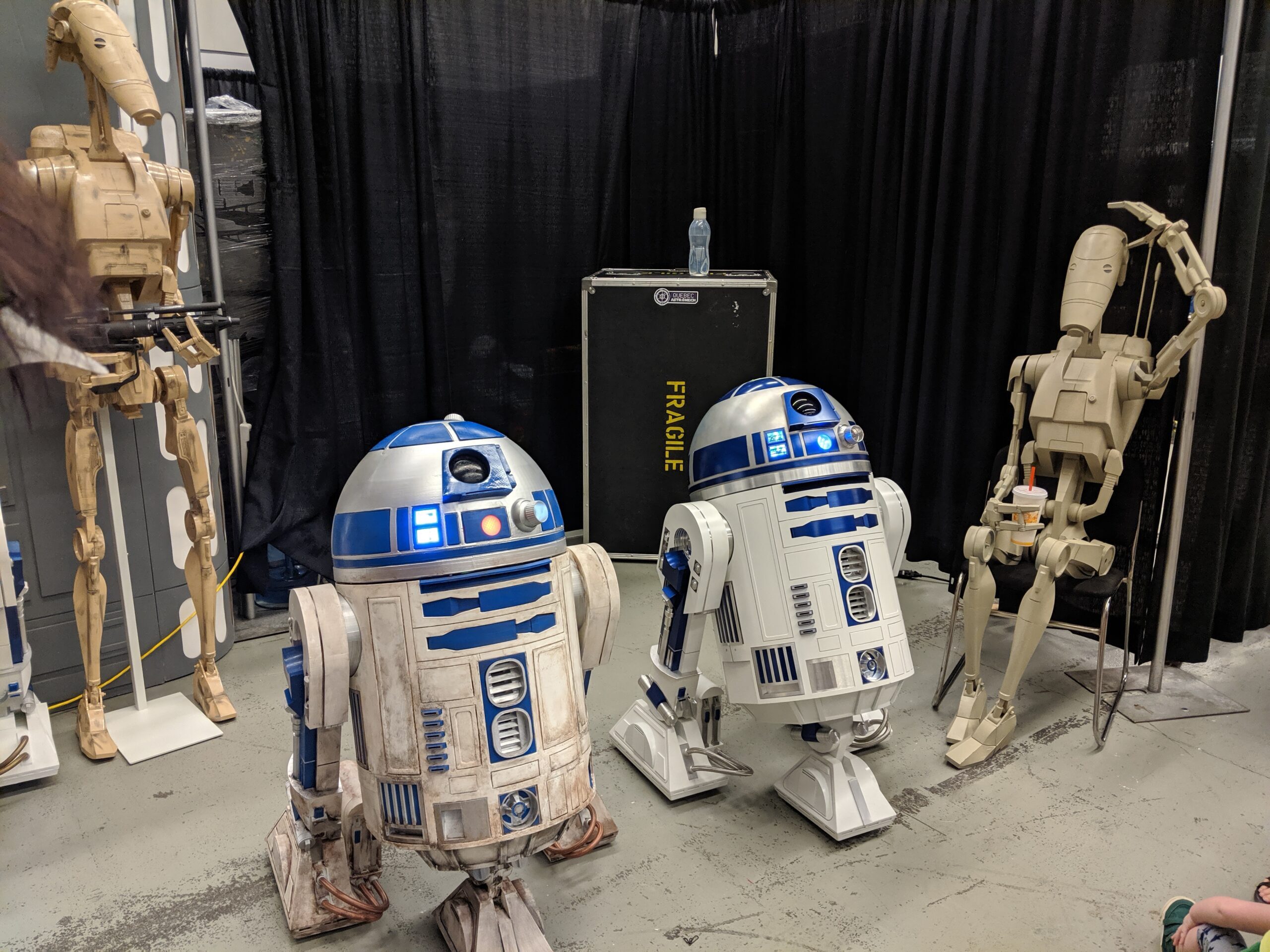
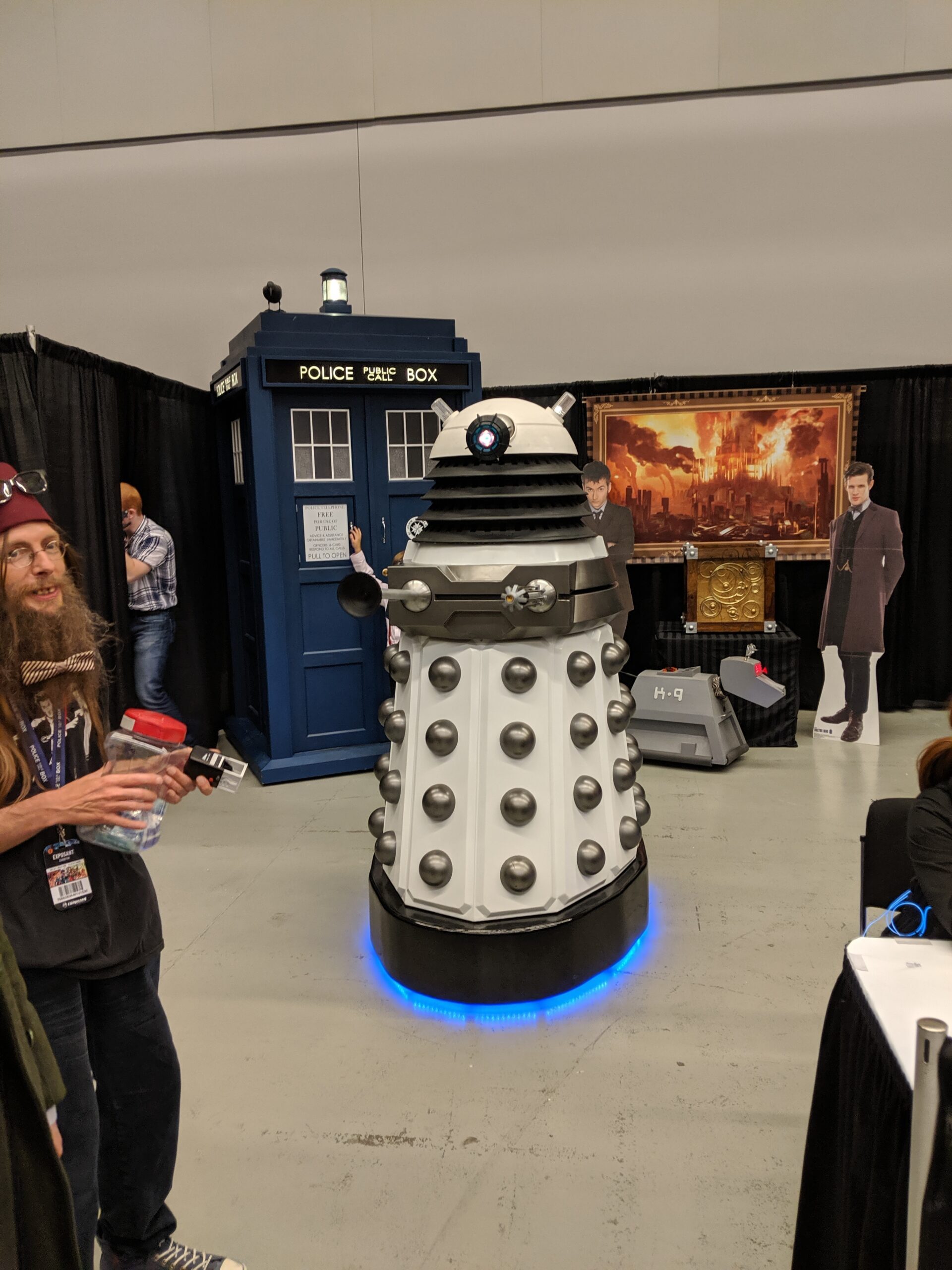
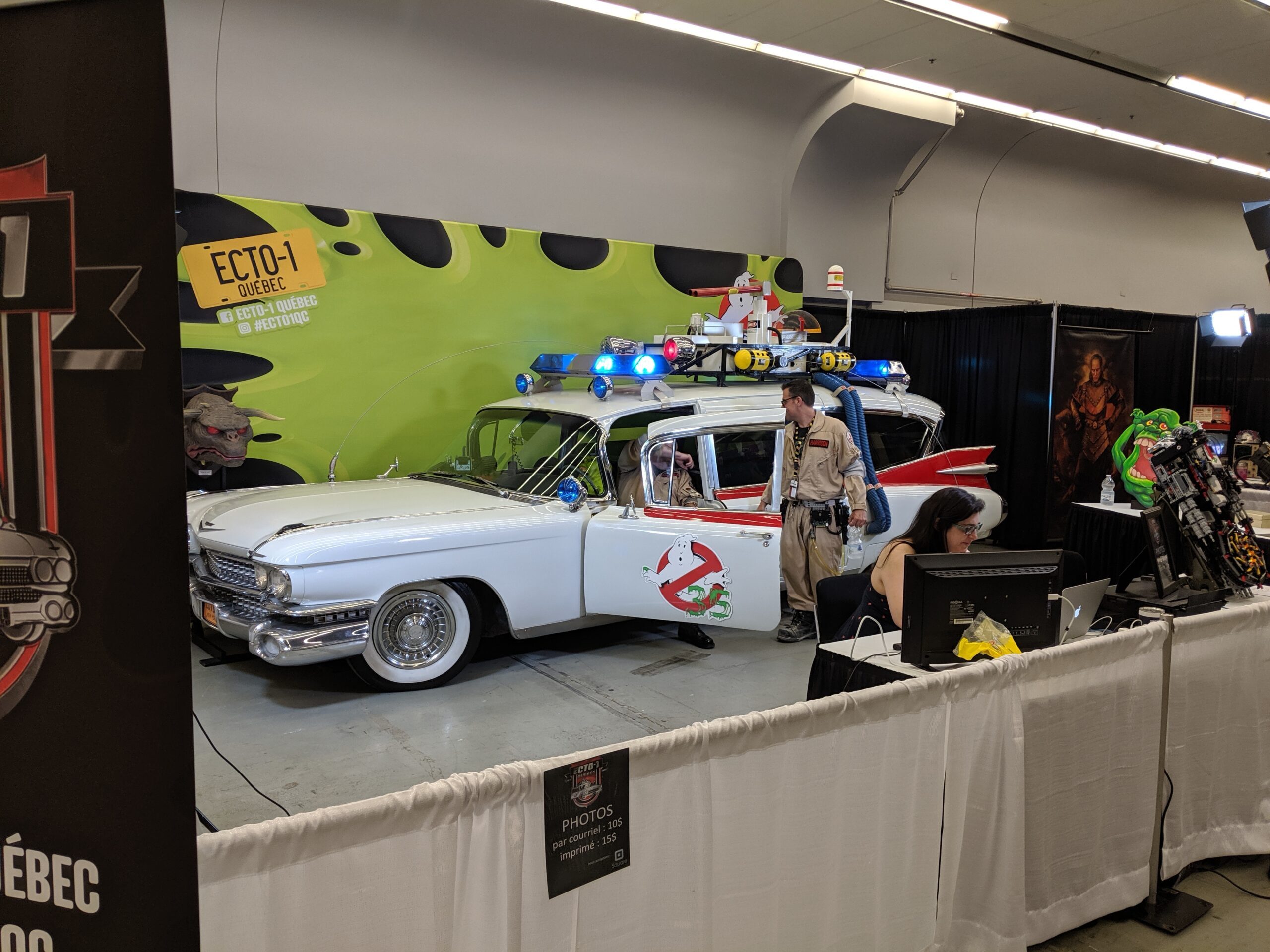
We went to the con that afternoon and had a good time. But this was also the trip where I started noticing a shift in how I feel about conventions.
Comic Cons have changed. Or maybe I have. Probably both. The floor used to feel organized around love for nerd culture. Now it feels organized around cashing out. Table after table of prints and merch, and lately, people passing off AI-generated art as handmade work, gets very frustrating. That last part especially grinds my gears. Montreal is gentler than NYC Comic Con, which at this point is basically a mall with cosplay, but I could see the direction it was heading.
Trust Your Cab Driver
For dinner we took our taxi driver’s recommendation, which is always either a great idea or a terrible one. This time, our driver knocked it out of the park.
He sent us to Romados. Portuguese chicken, an absolute institution in Montreal, been doing the same thing for decades and has zero reason to change. The chicken comes off the charcoal grill with this exquisite crispy skin and that’s all you need to know. Simple food executed perfectly.
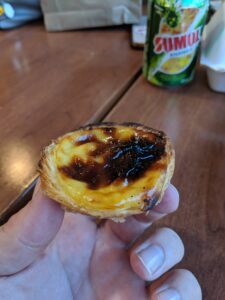
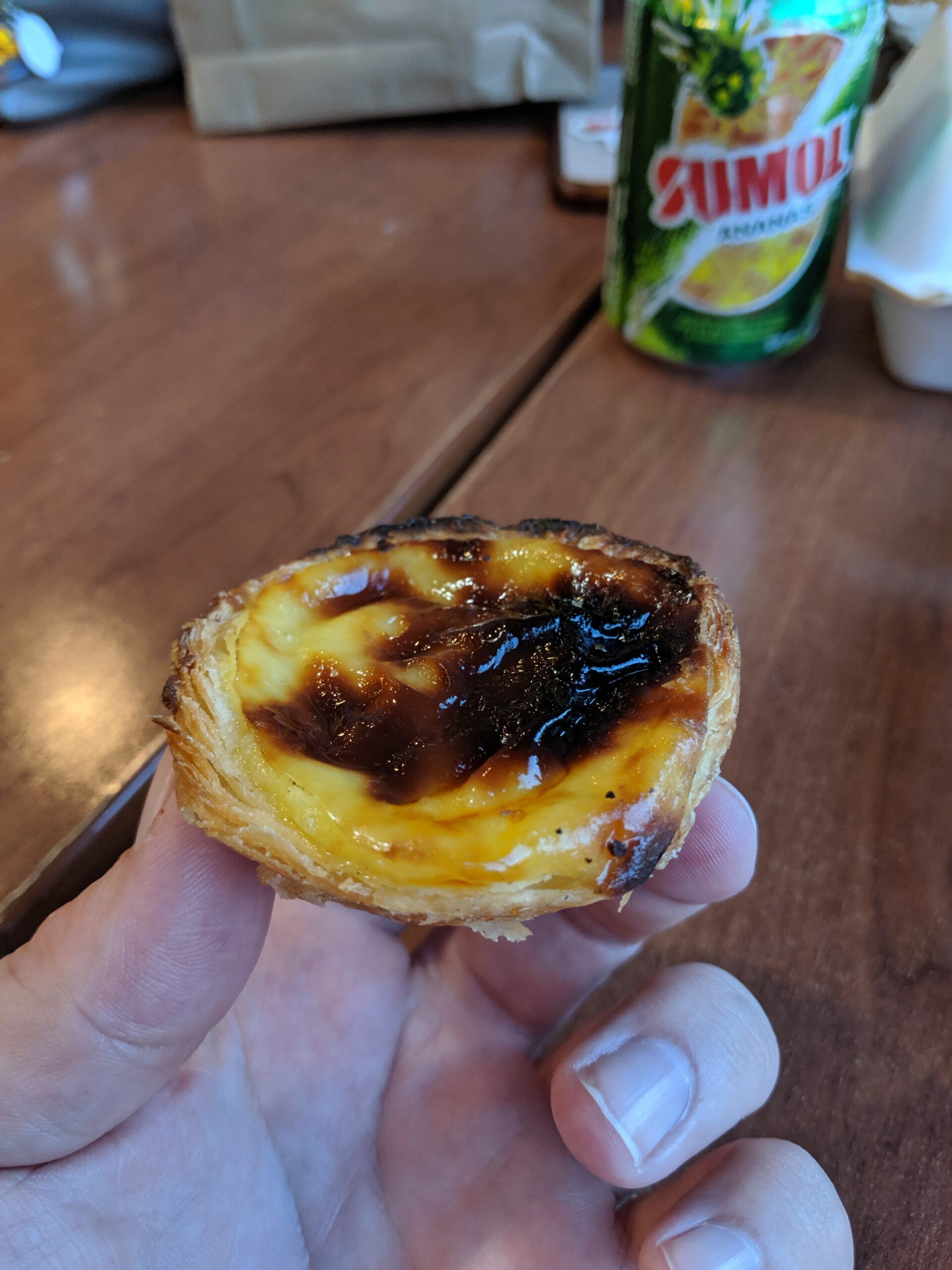
But Romados gave us something we didn’t see coming: natas. Pastel de nata. Portuguese custard tart, caramelized on top, shatteringly flaky underneath, served warm. First bite and I knew I was hooked for life. I know why these exist and why people seek them out. I’ve been chasing a great nata ever since. Thankfully, I found a local spot with them in Easton.
He wasn’t done either. Before we got out of the car he told us to go to La Banquise for poutine. Open since 1968, runs 24 hours, and it is exactly as good as everyone says it is. I still think about their poutine regularly. Montréalais don’t realized how spoiled they are.
St-Viateur’s Sacred Circle
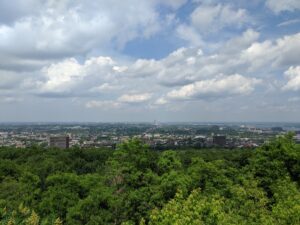
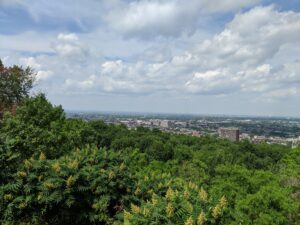
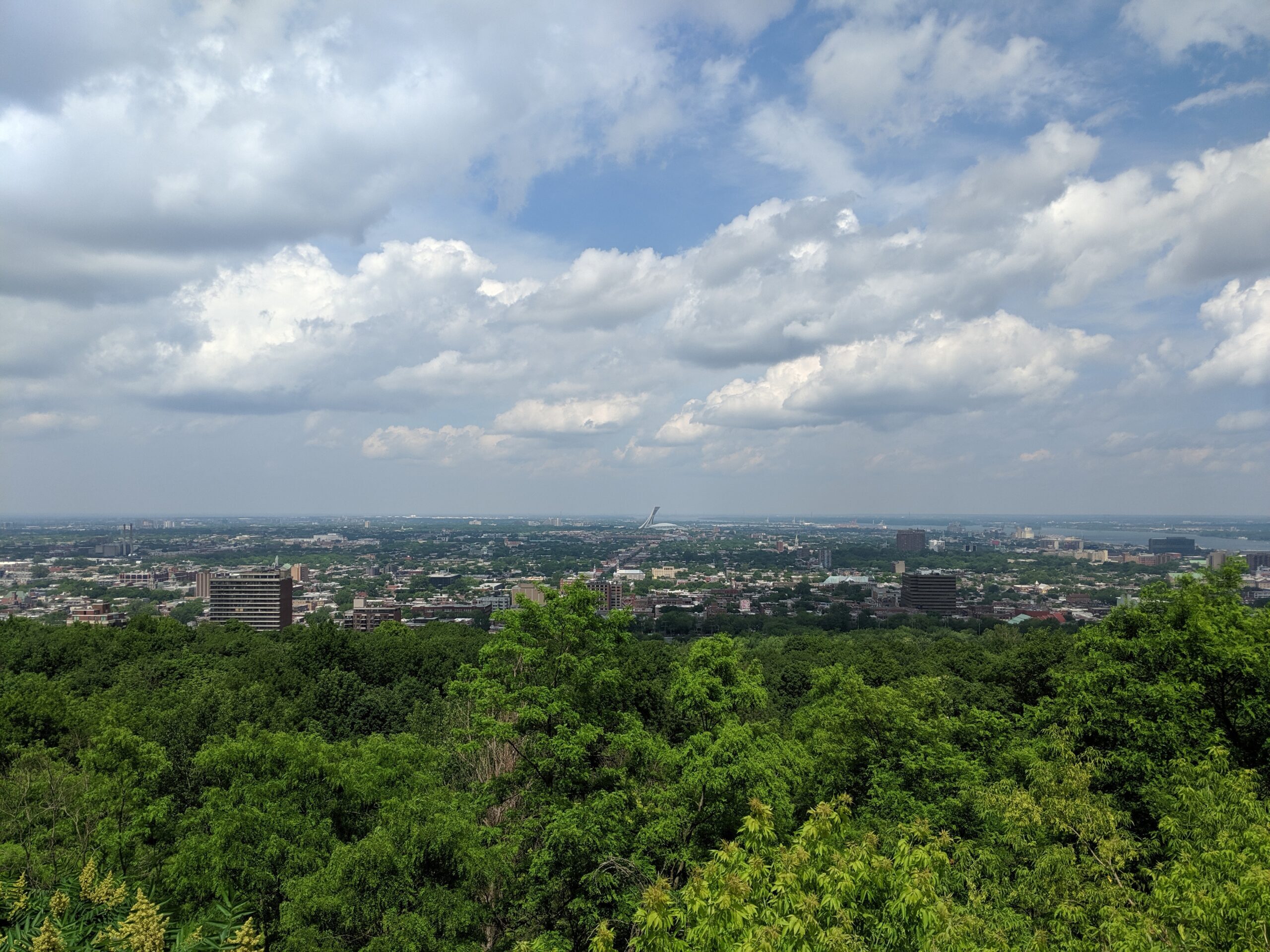
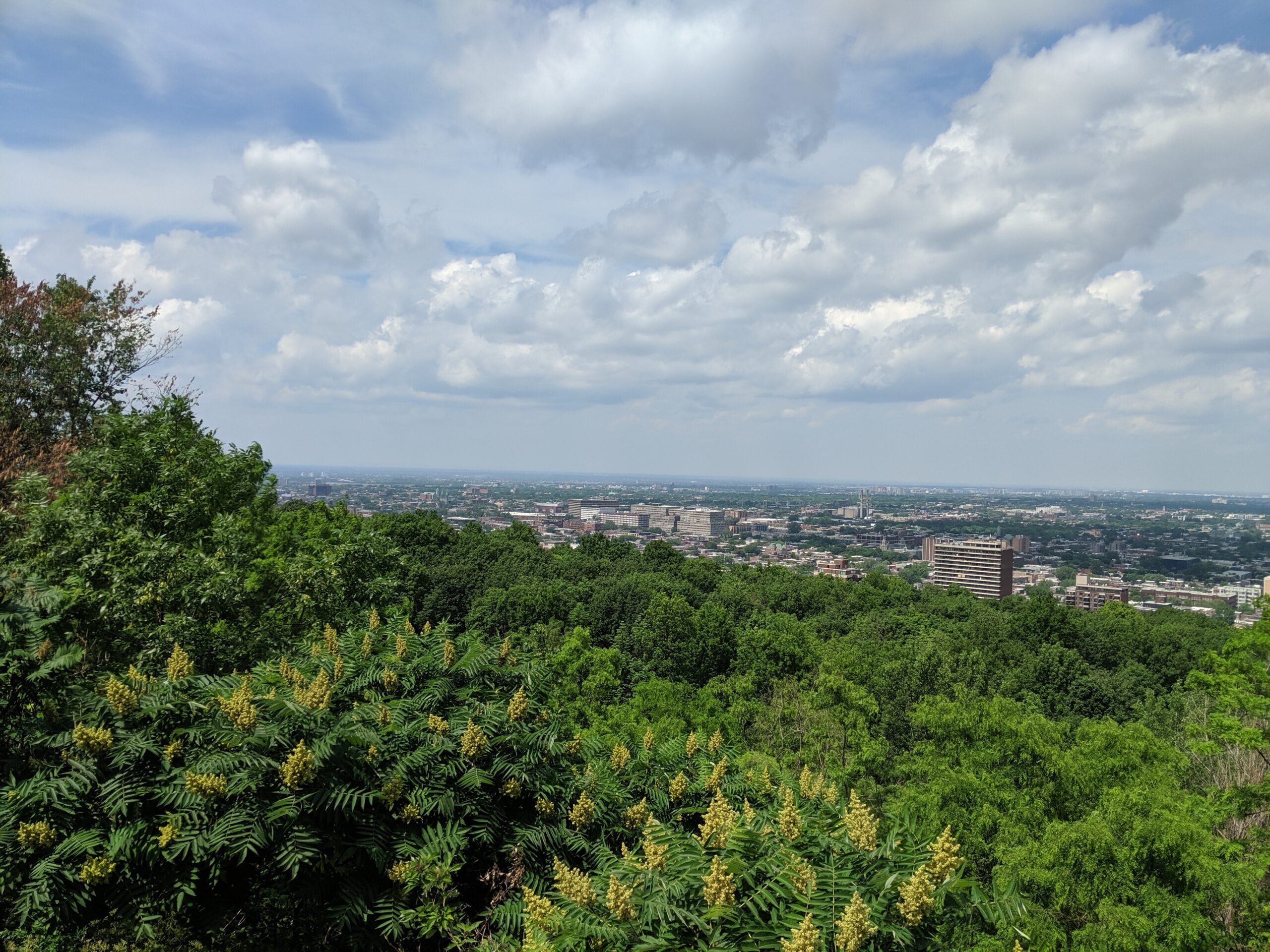
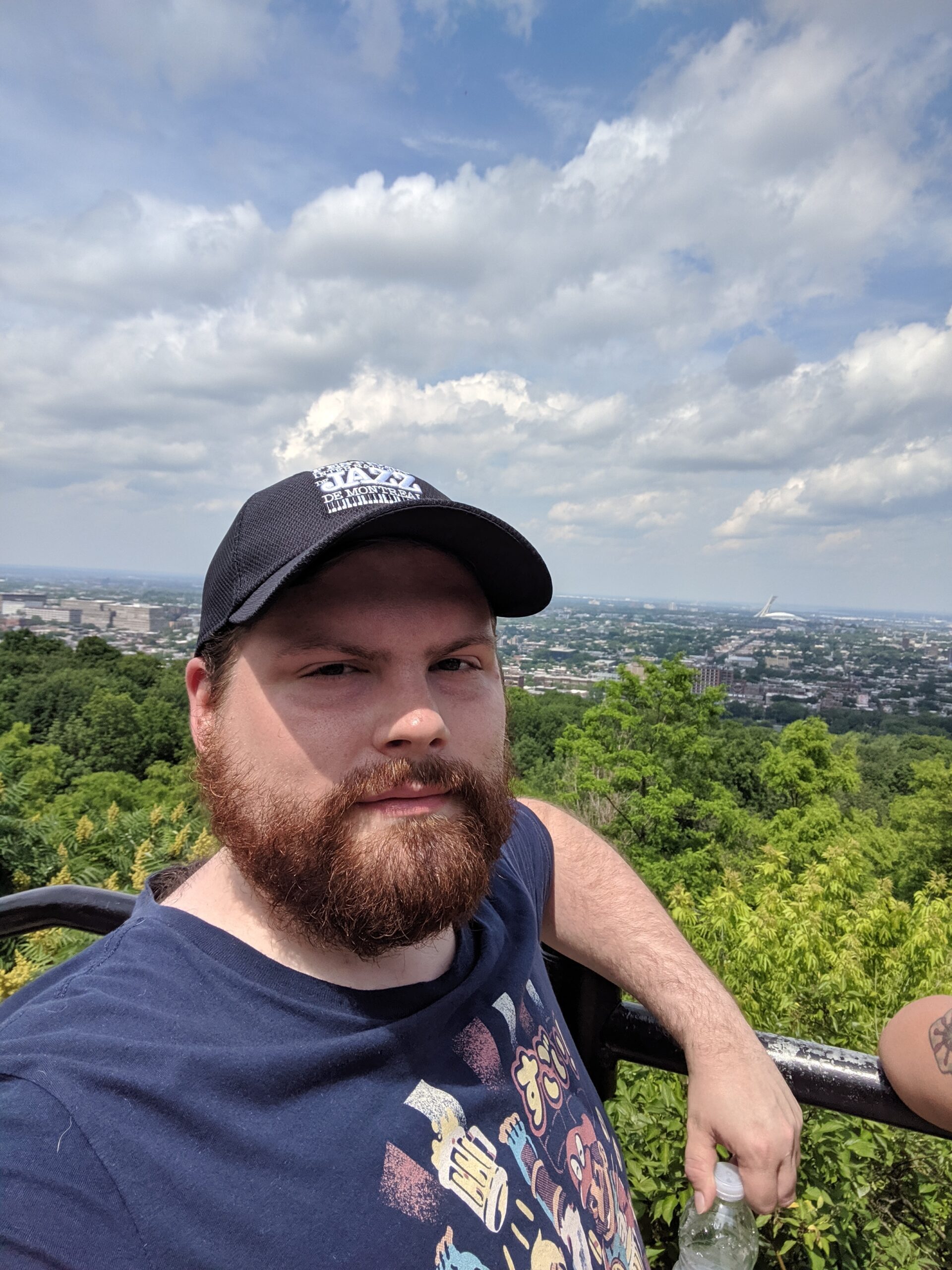
Day three we hiked Mount Royal, which gave us a sweeping view of the city. What struck me most — and this is something that hit me in Toronto too — is just how flat Canada’s topography is. Mount Royal is genuinely the only elevation you can see for miles in any direction. It’s more a hill than a mountain, but close enough. Still, the view is worth the walk.
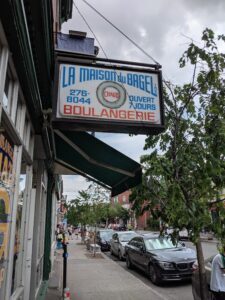
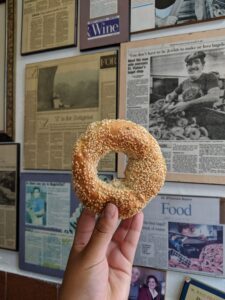
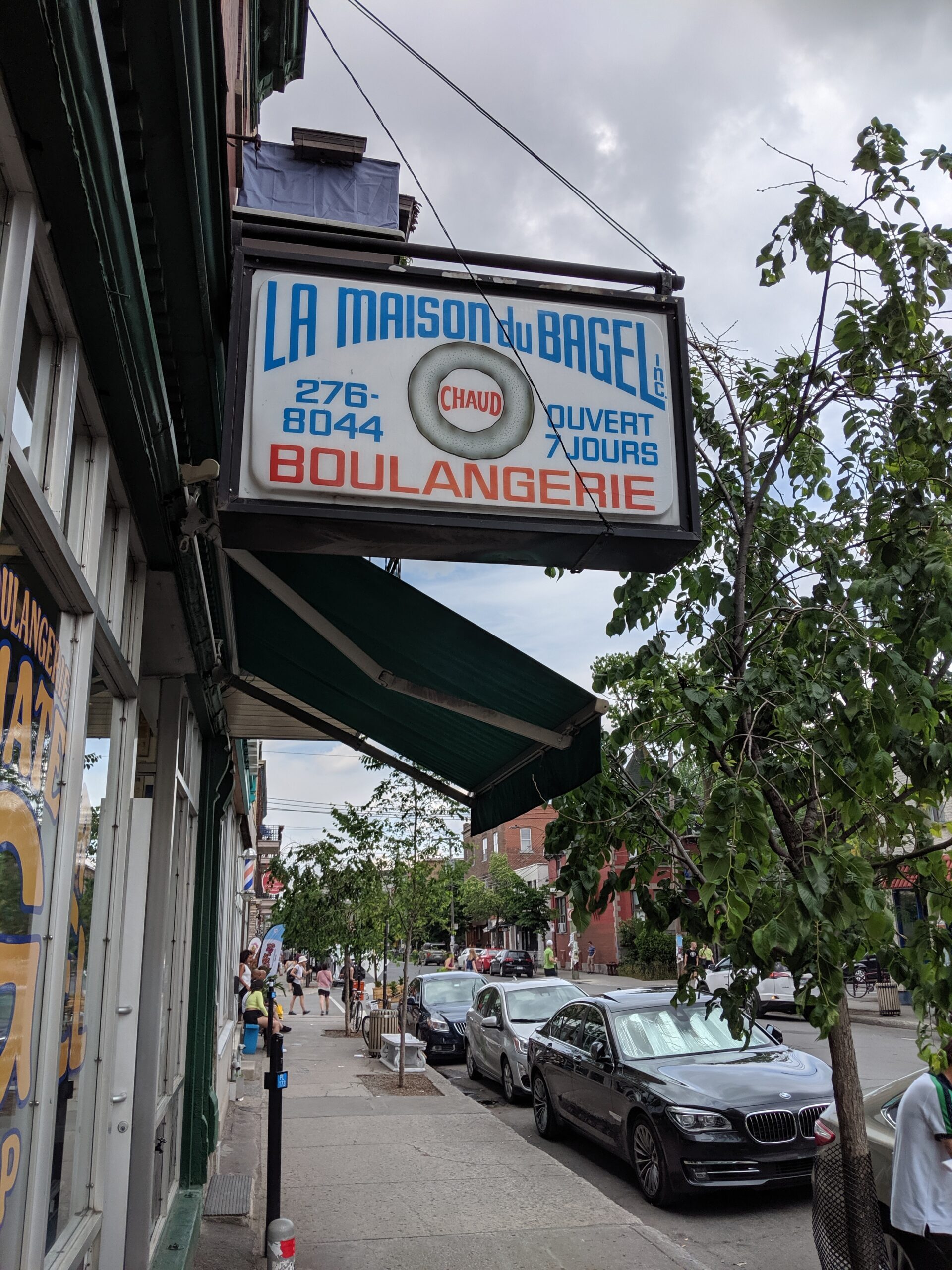
After coming back down, we went to St-Viateur Bagel, and this needs its own post to be honest.
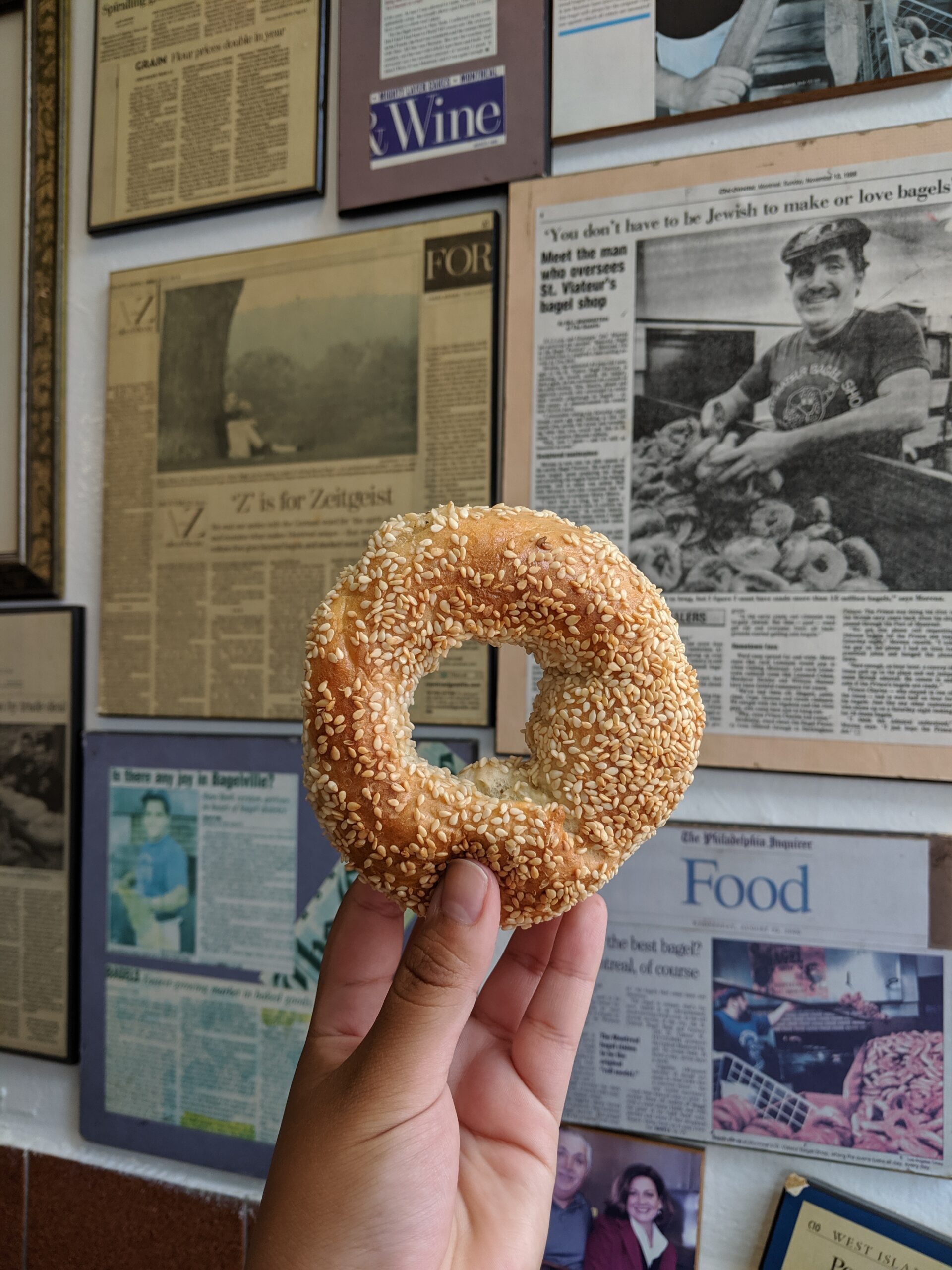
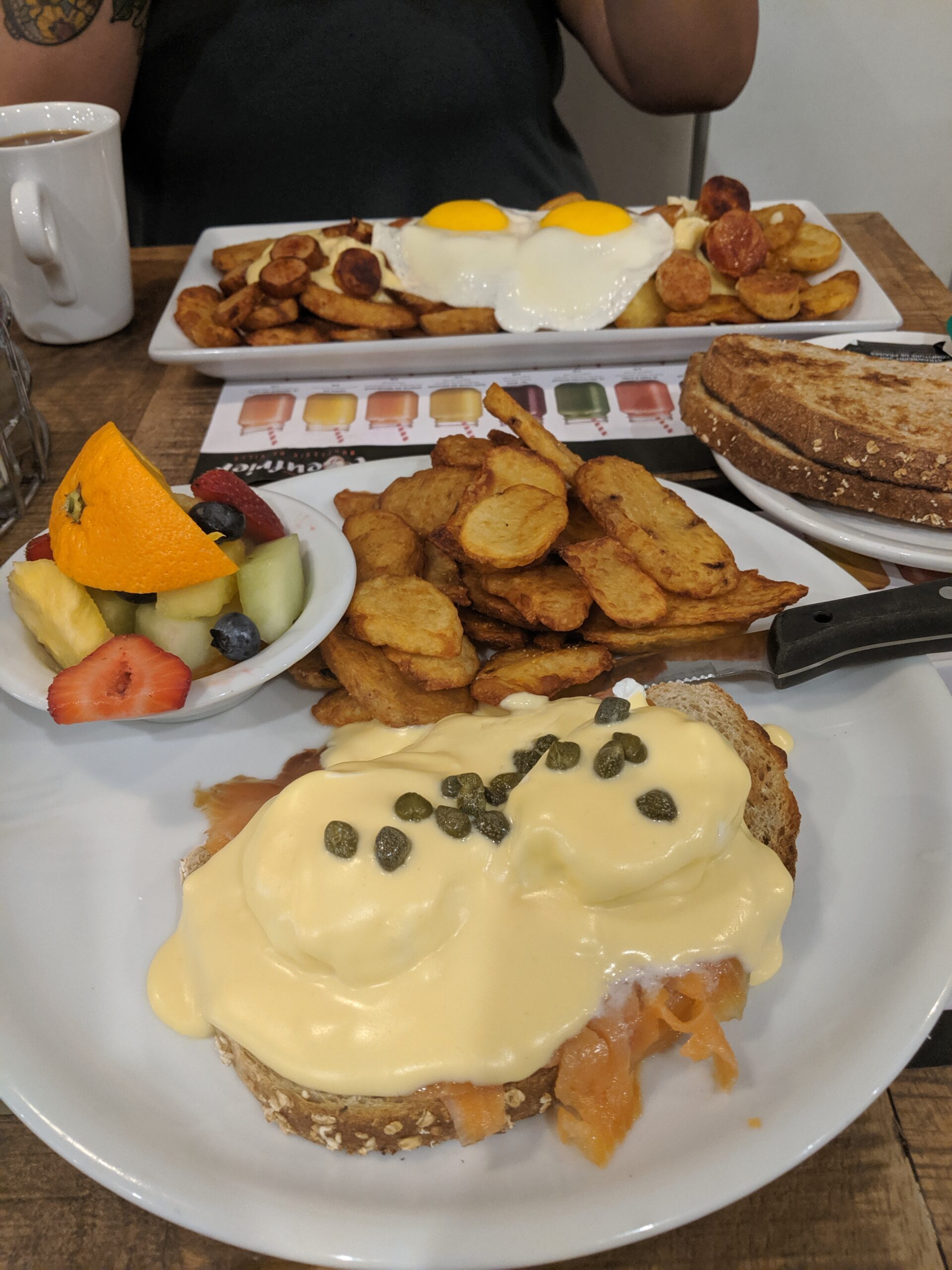
Montreal bagels are different from New York bagels, and there is fierce debate about which is better. New York bagels are bigger, denser, and chewier. They are also boiled in water before baking, giving them that thick crust with the soft interior I grew up with. Montreal bagels are smaller, thinner, slightly sweet (they add honey to the water when boiling), and then baked in a wood-fired oven. They have a tighter crumb and a crispier exterior. Neither is wrong. They’re just different bagel philosophies. I loved them enough that I imported some immediately when we got back. Straight from St-Viateur’s website.
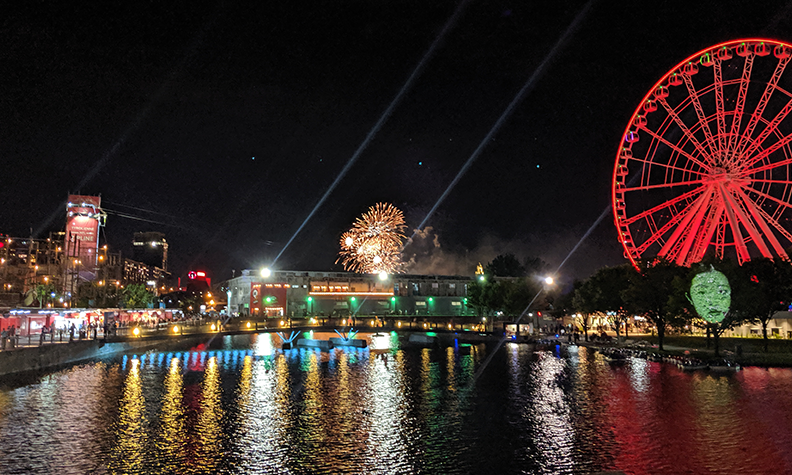
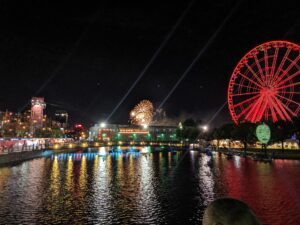
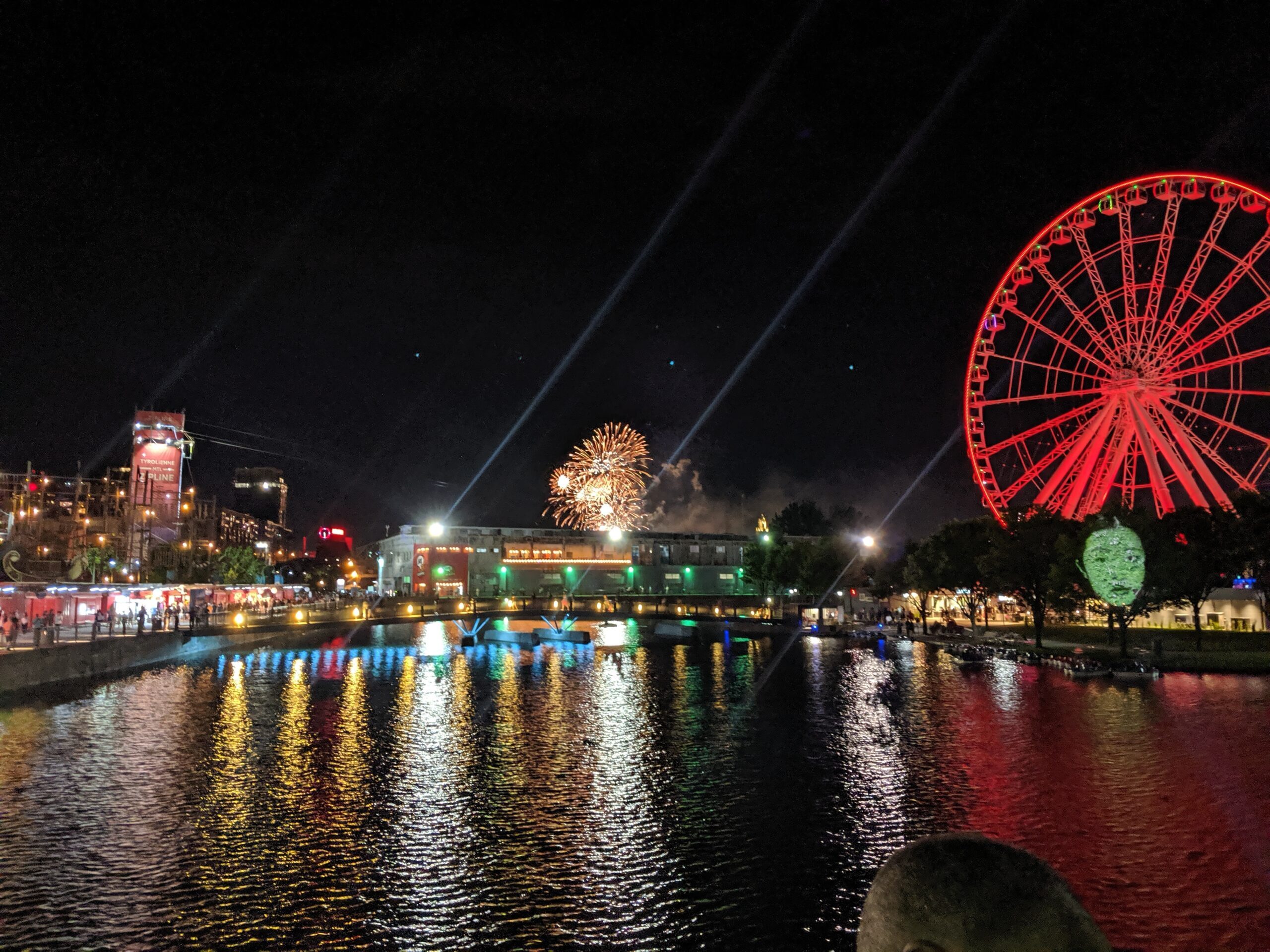
That evening we caught the light and fireworks show at Vieux-Port de Montréal, the old port area along the St. Lawrence River. A fitting way to close out the middle of the trip.
More Than Meets The Eye
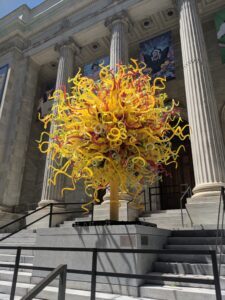
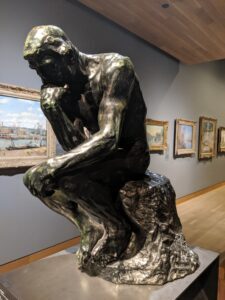
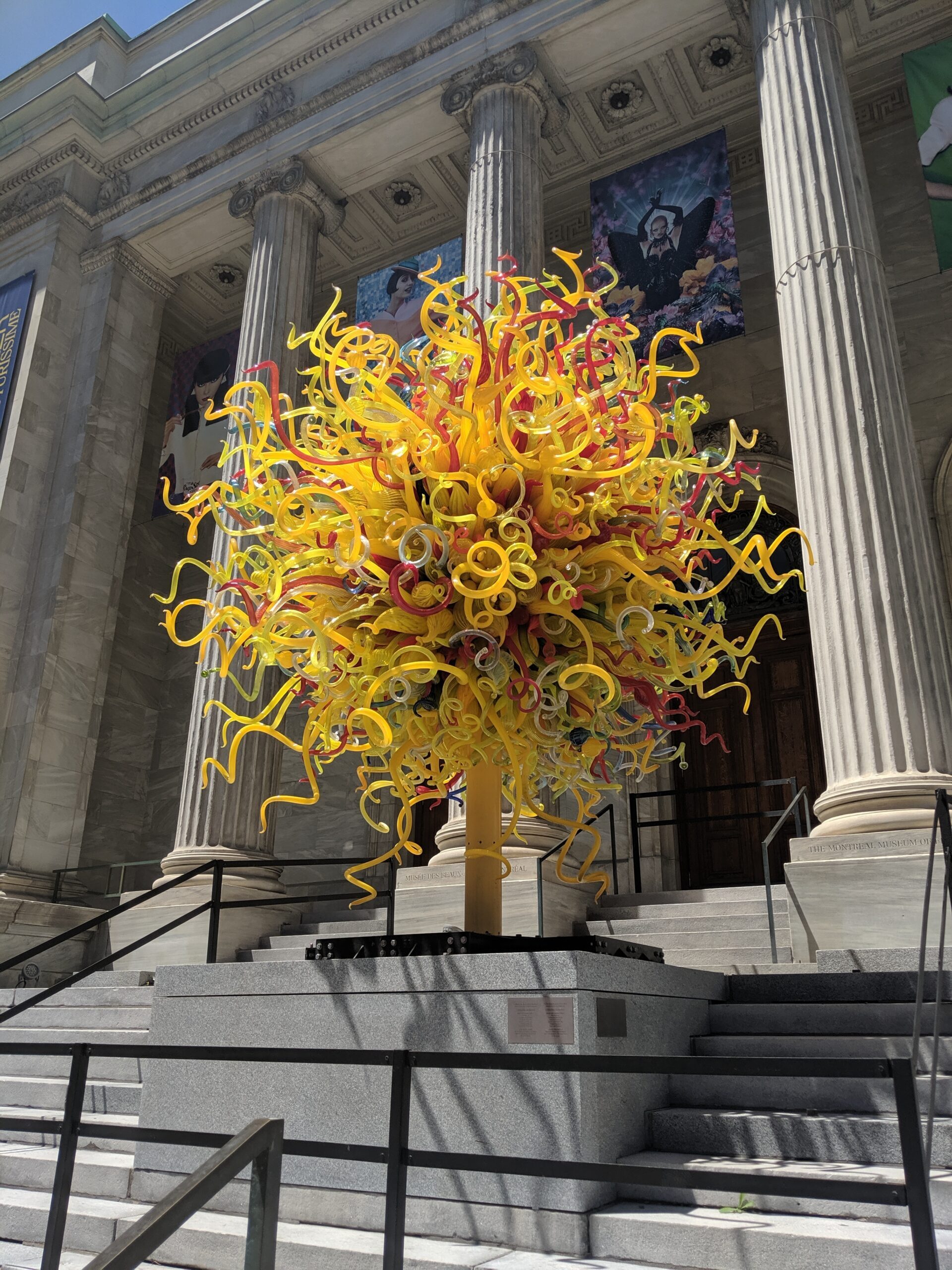
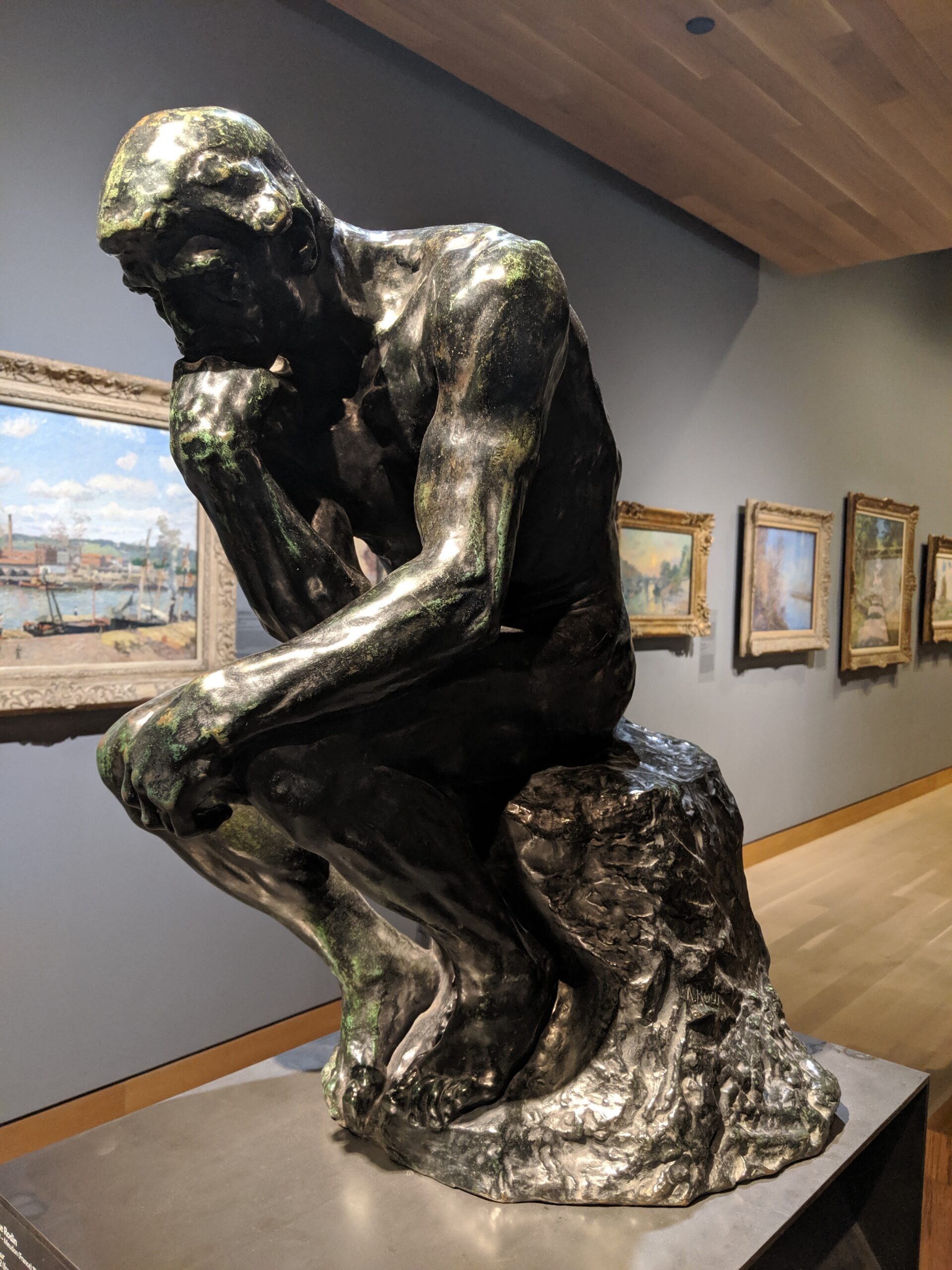
The Montreal Museum of Fine Arts took up the entire next day, and I had no problem with that. I consider myself a museum person. I’ll seek them out wherever I go, and this one did not disappoint. Wide-ranging collection, decorative arts to contemporary work, and the building itself spans multiple interconnected pavilions that are worth a slow walk before you even look at a single piece.
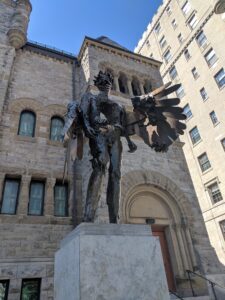
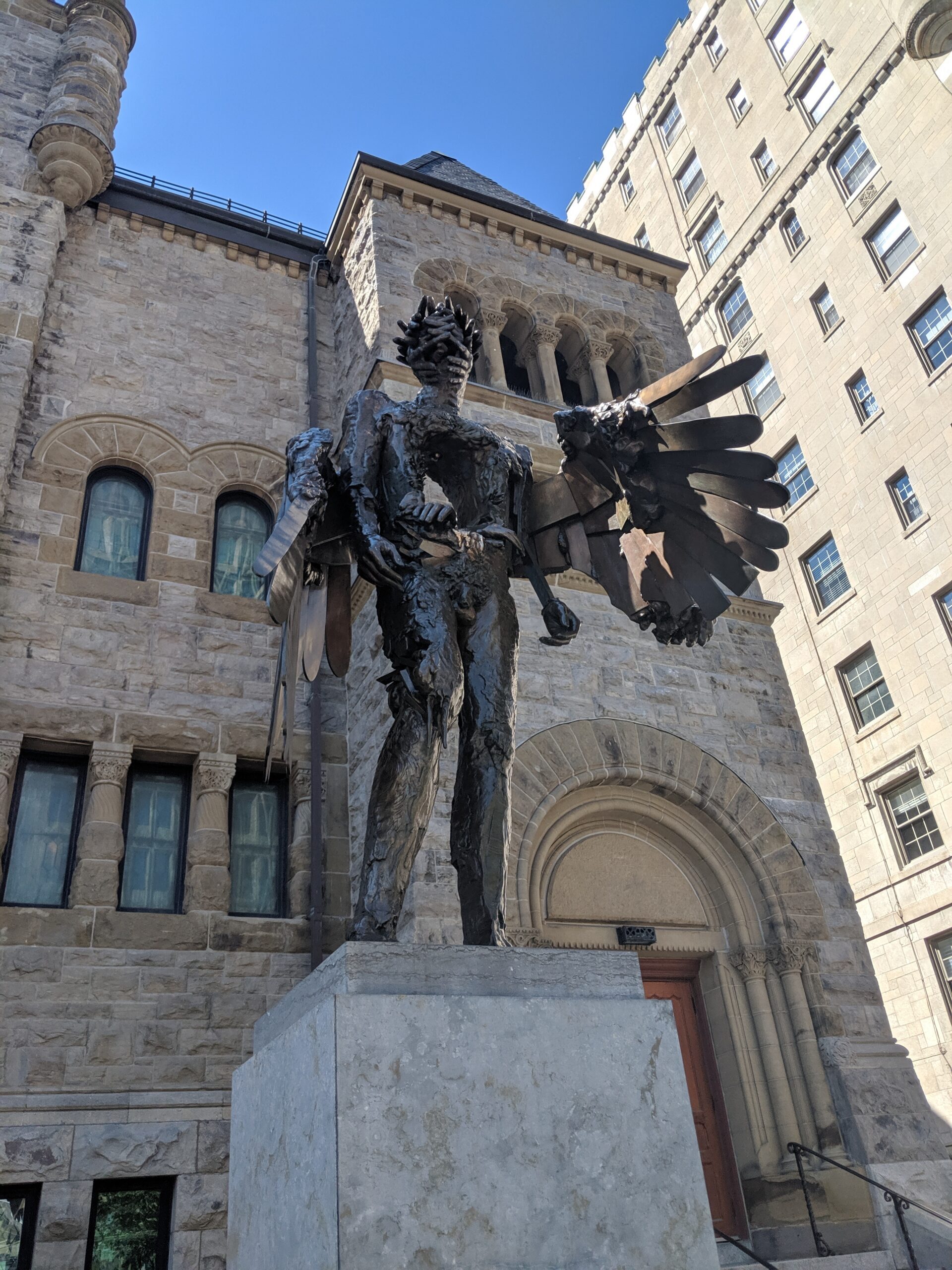
But the thing I keep coming back to is a sculpture called The Eye, and it’s sitting outside the museum on Sherbrooke Street. Created by Montreal-born artist David Altmejd in 2011, it stands nearly twelve feet tall and stops you cold. At first glance it reads as an angel, classical contrapposto pose, wings, the whole thing. Then you get closer. The face isn’t a face. It’s a cluster of grasping hands, fingers forming a crown, other fingers twisting into a mouth. The arms and legs look like they’re melting away to reveal a robotic skeleton underneath. The wings are flat metal rods, mechanical rather than feathered, with what looks like organic matter clinging to them. And then there’s the chest cavity. A gaping hole, hollow straight through, with more hands reaching out from inside it. When viewing the piece, you feel a somewhat confrontational feeling that commands your attention
It’s one of the most unsettling and genuinely compelling pieces of public art I’ve ever stood in front of. I went back to look at it twice.
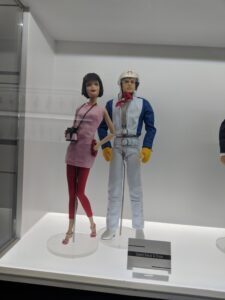
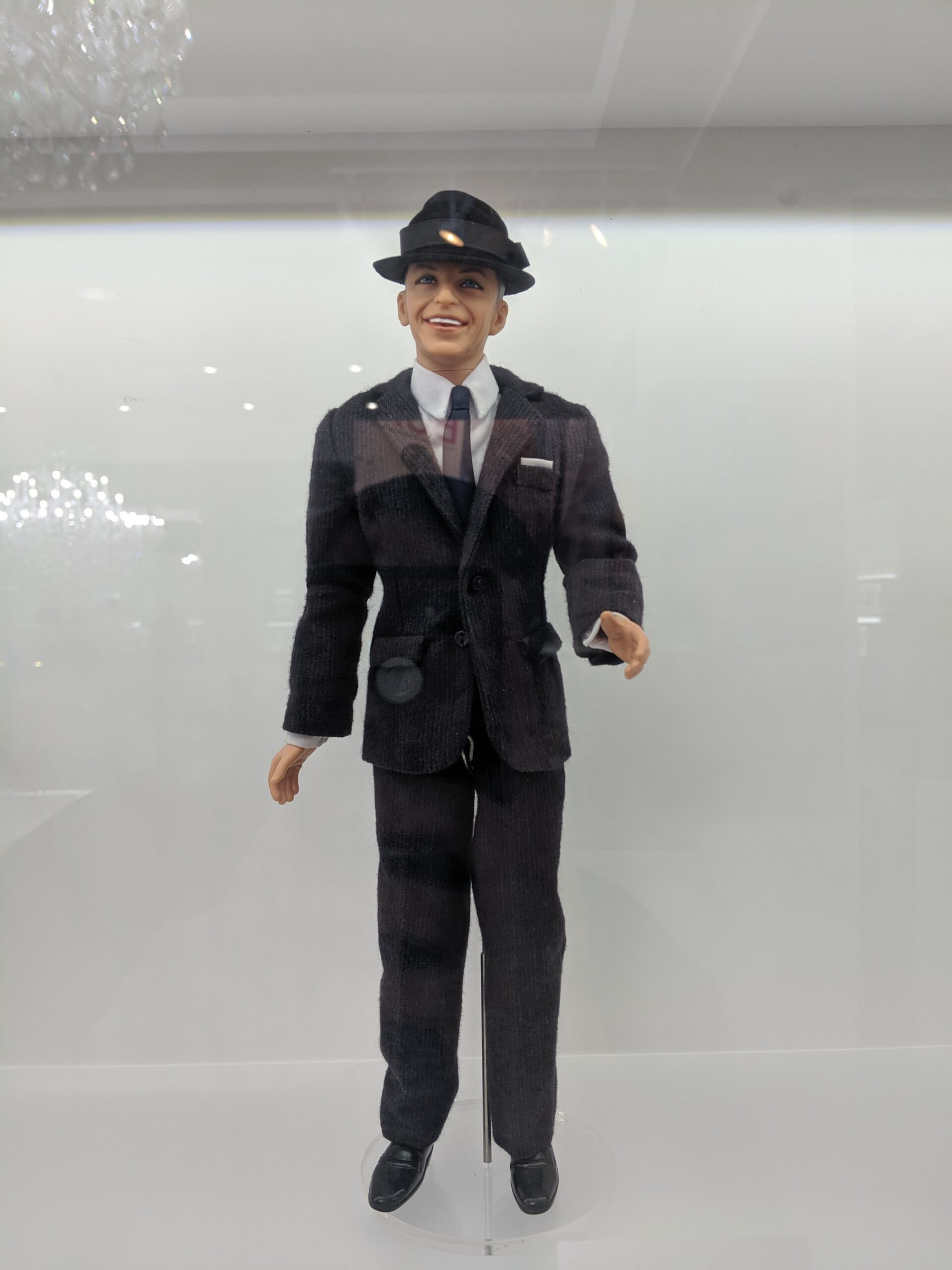
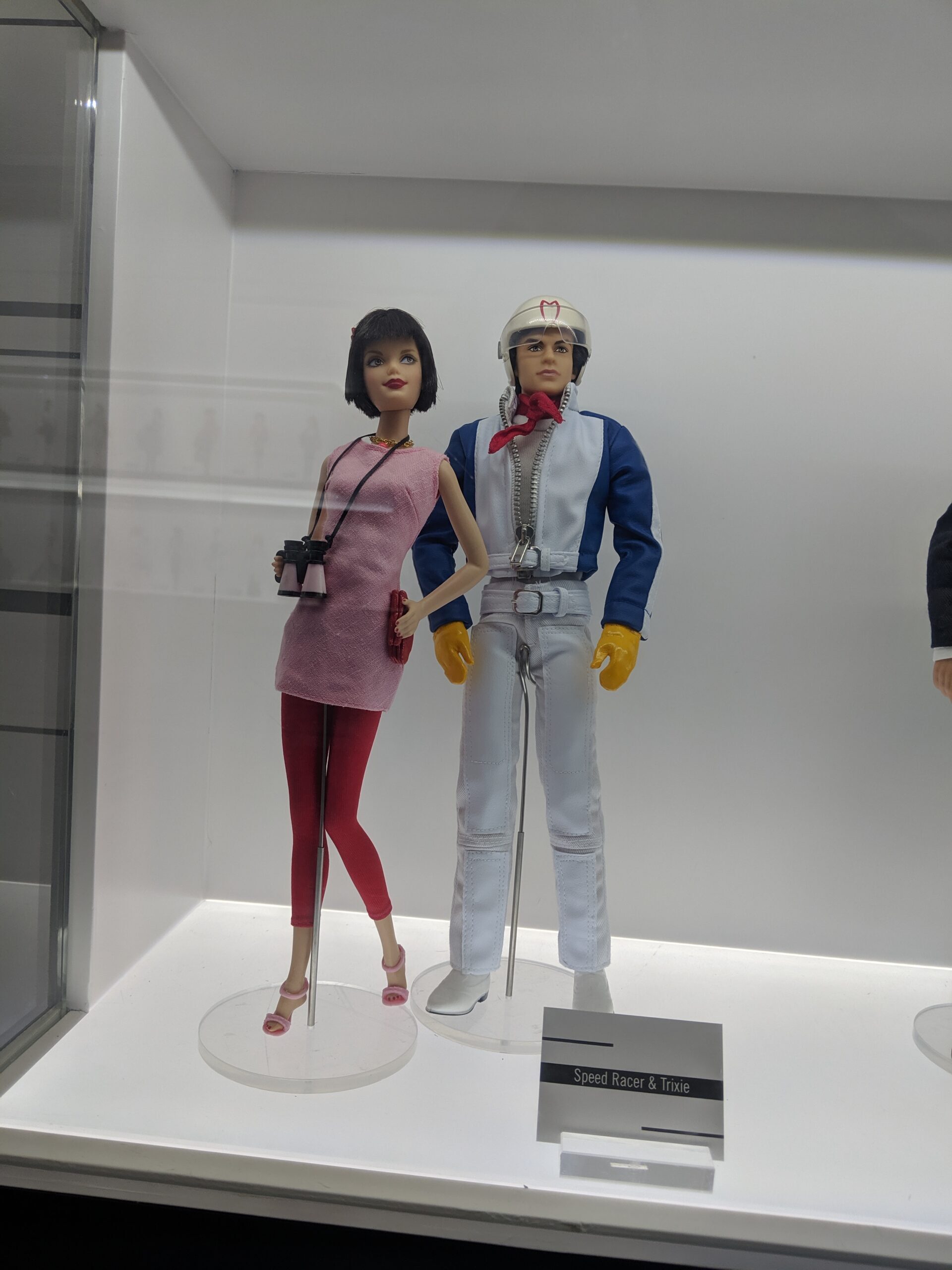
After the museum we did some shopping at Les Cours Mont-Royal, a beautiful old building converted from the original Mount Royal Hotel into a shopping gallery. They had a Barbie installation running, Barbies posed as every kind of character and archetype you can think of. Kitschy, yes. But genuinely fun in the way good pop art is fun. My girlfriend was very into it. I was more into it than I expected to be. After The Eye, maybe anything felt approachable.
The Naked Epcot Ball
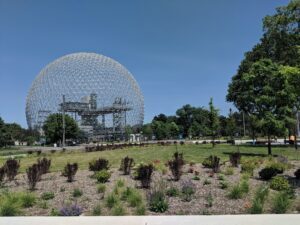
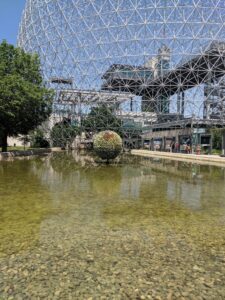
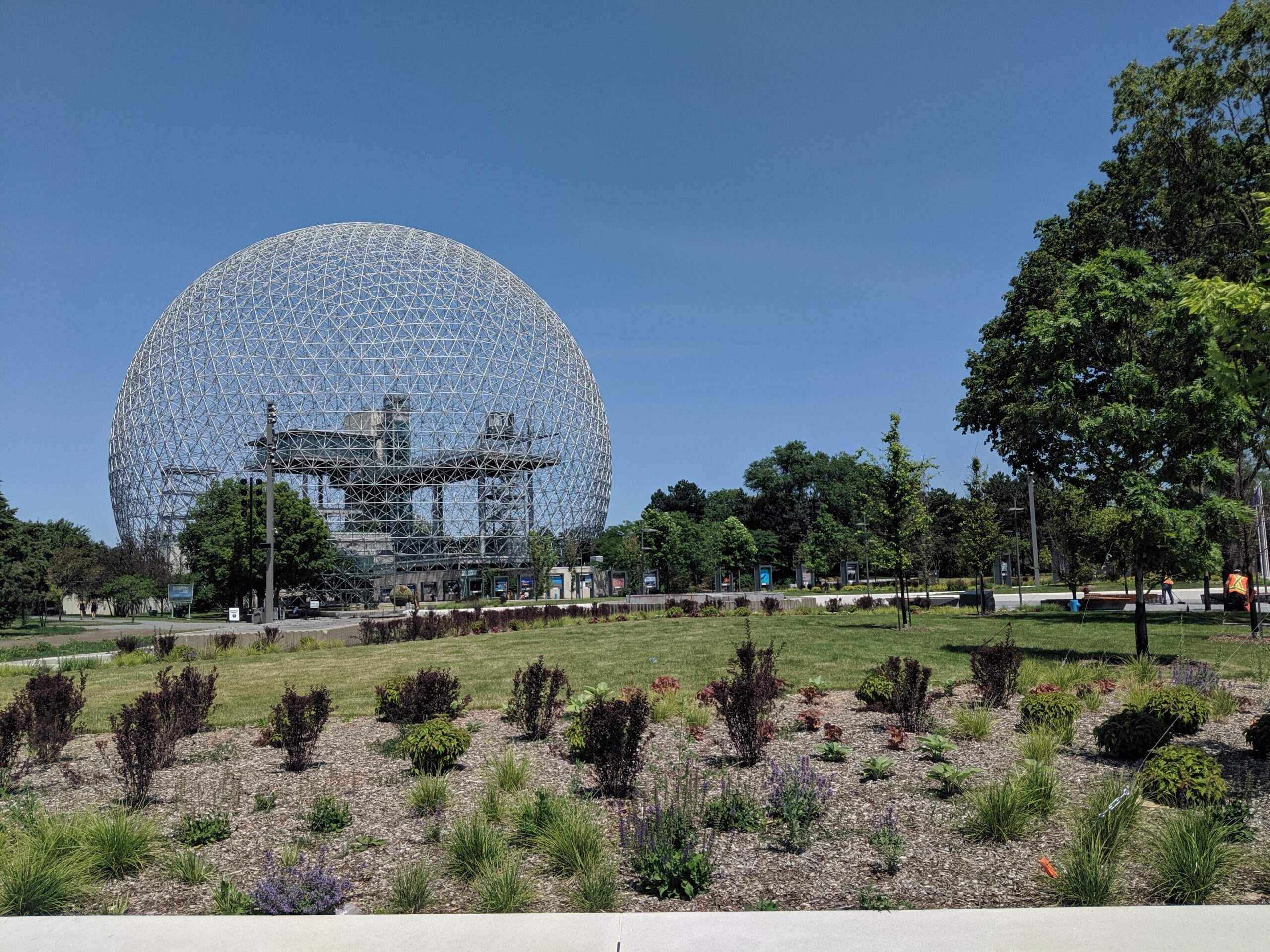
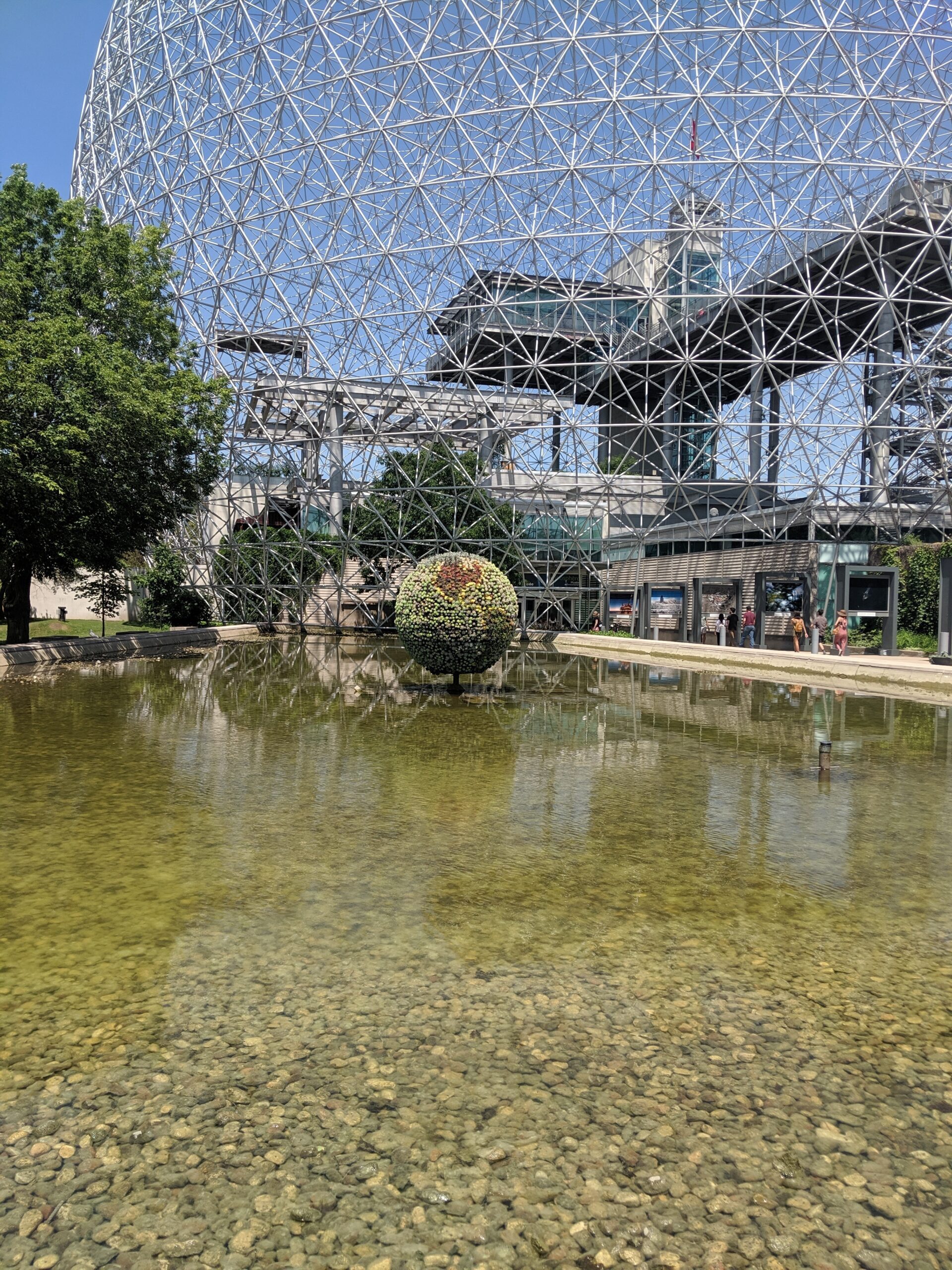
The second to last day took us to the Montreal Biosphere, and if you’ve seen it, you know exactly what I mean when I say “naked Epcot ball.”
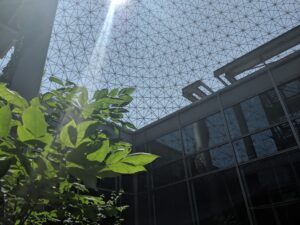
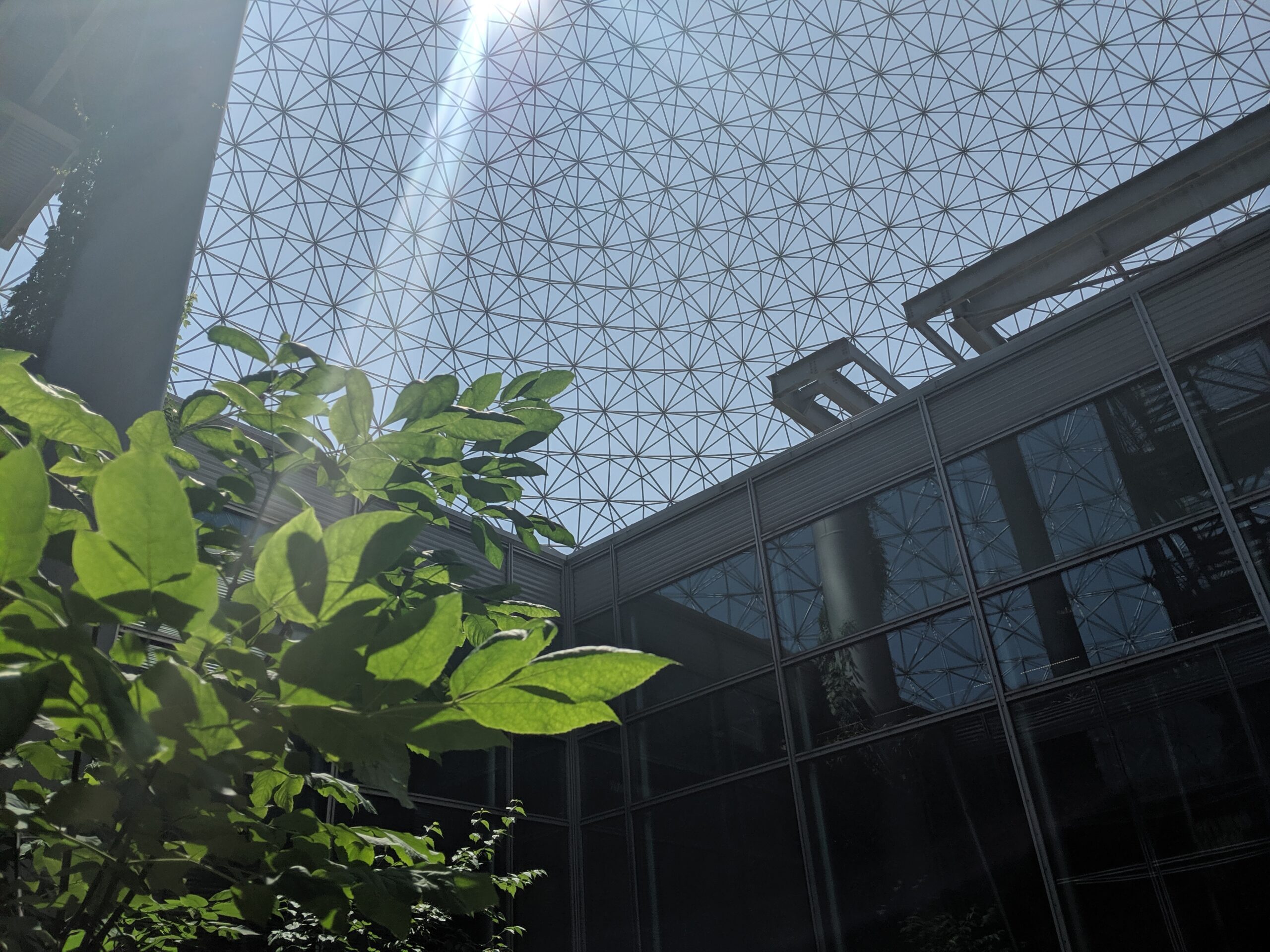
The structure was designed for the 1967 World’s Fair. It features a geodesic dome made entirely of steel, originally covered in acrylic panels. The panels burned off in a fire in 1976, leaving just the bare skeleton which still stands today. It sits on Île Sainte-Hélène like something left behind by a very ambitious civilization or a relic from a game like Mass Effect. Today it operates as an environment museum focused on climate change and the Great Lakes–St. Lawrence ecosystem. The exhibits are thoughtful and well-designed, the building is unforgettable.
How Every Trip Should End
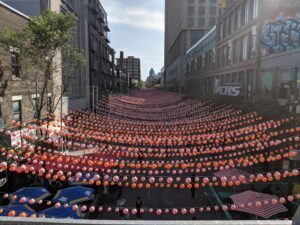
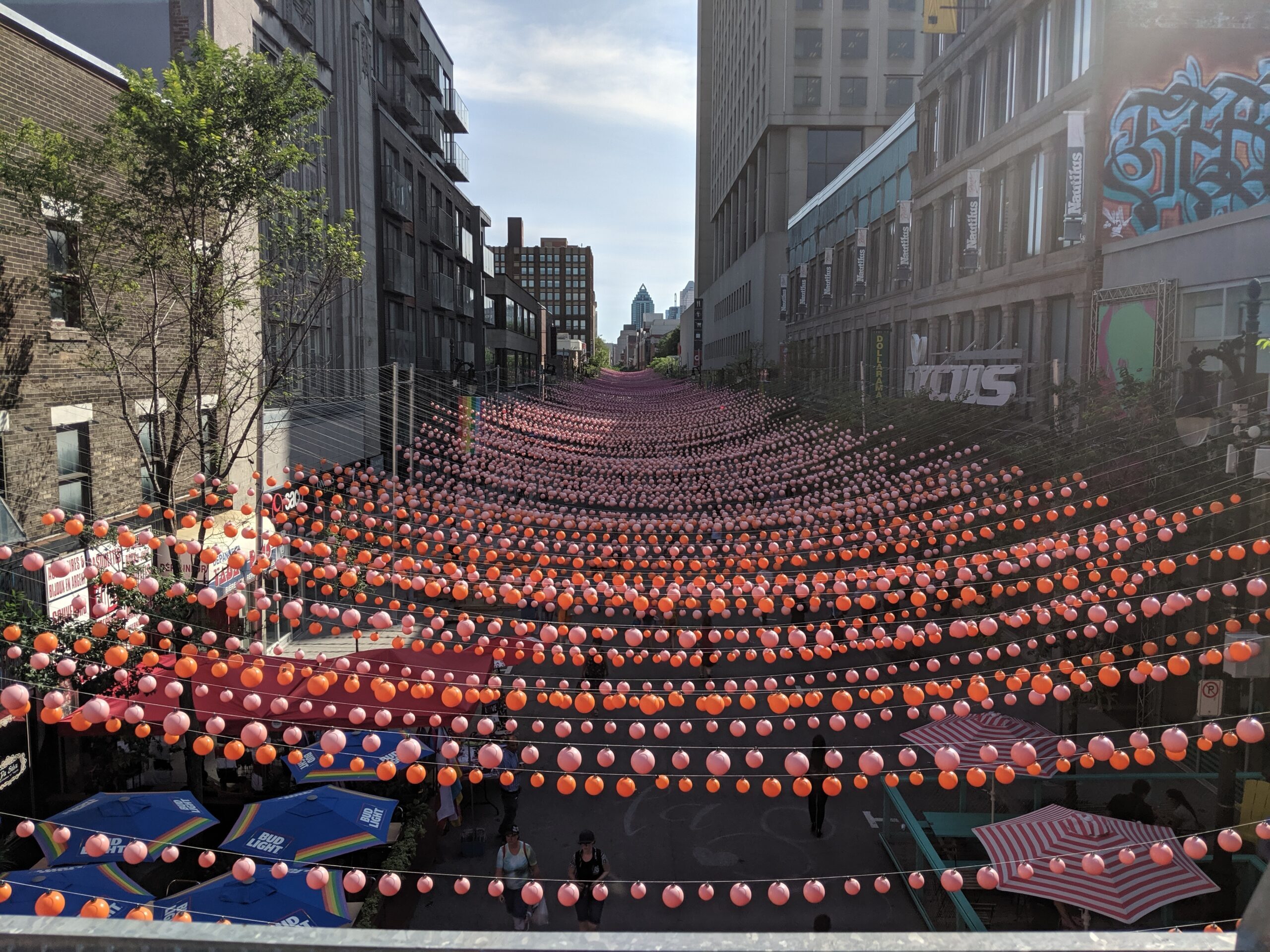
The last day we kept it simple. We wandered around the hip Verdun neighborhood. It reminded me why the last day of a trip should never be another big item on the itinerary. Sometimes the best version of a city is the one you find when you’re not trying to find anything and just feeling out the local vibes. With colorful lanterns stung over the streets, the neighborhood felt relaxed and comforting.
In Conclusion
Montreal was everything I hoped it would be. It gave me the foreignness I was looking for without a multi-hour plane ride. It gave me great food, real history, unexpected beauty, and a taxi driver with impeccable restaurant taste. I went for a comic con and came back with a new favorite North American city.