Cycling: A Way of Life
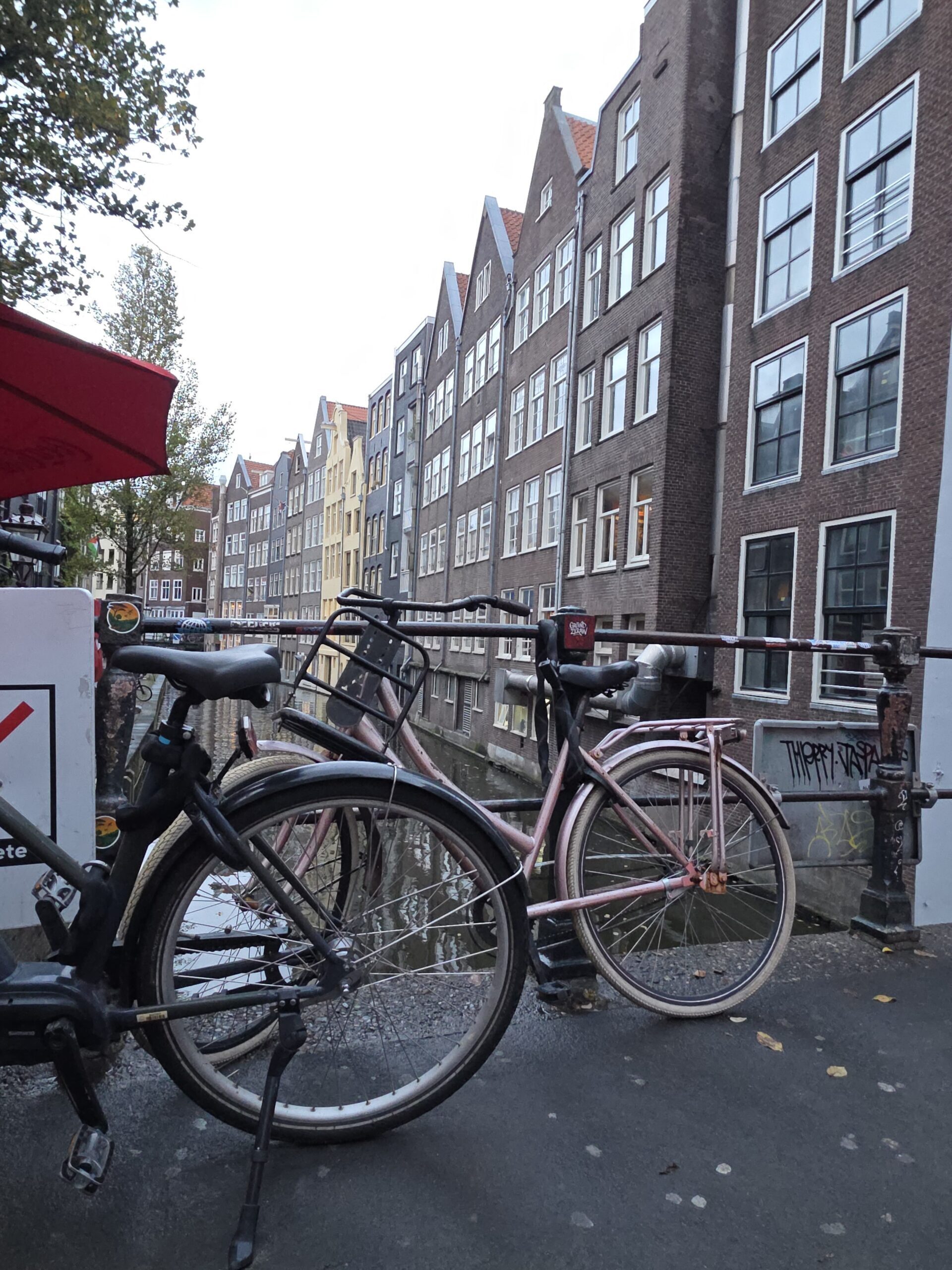
In Amsterdam, I quickly learned that the bicycle is woven into the city’s very fabric, not just a way to get around.
October 20-22, 2025
It was my first time in Amsterdam, widely regarded as the cycling capital of the world, and I had one thing on my mind: renting a bike. Nothing fancy, just one of those classic Dutch omafiets. After all, I’m not Mathieu van der Poel. But between the rain that seemed to arrive every evening and a packed work schedule, it never happened. I guess that just gives me another reason to come back.
On the way to Amsterdam, we drove through Switzerland, and I couldn’t help noticing how many cyclists were out on those winding Alpine roads. It’s hard to imagine a more beautiful place to ride. The scenery alone would make every climb worthwhile. If I lived there, I suspect I’d quickly become spoiled by those views.
I already knew cycling was more prevalent in Europe, but nothing quite prepared me for Amsterdam.
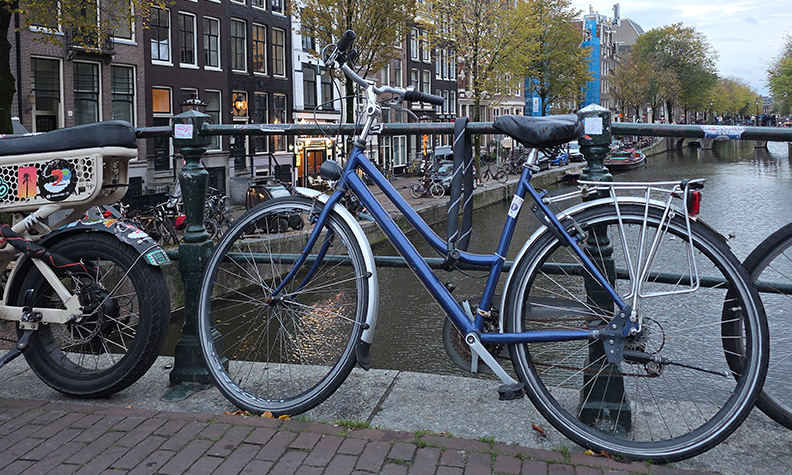
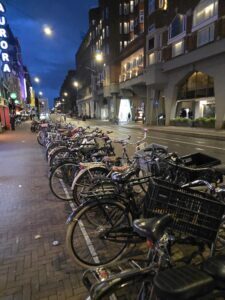
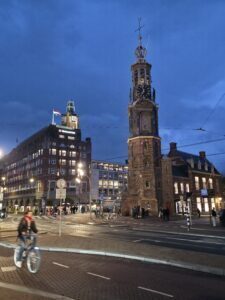
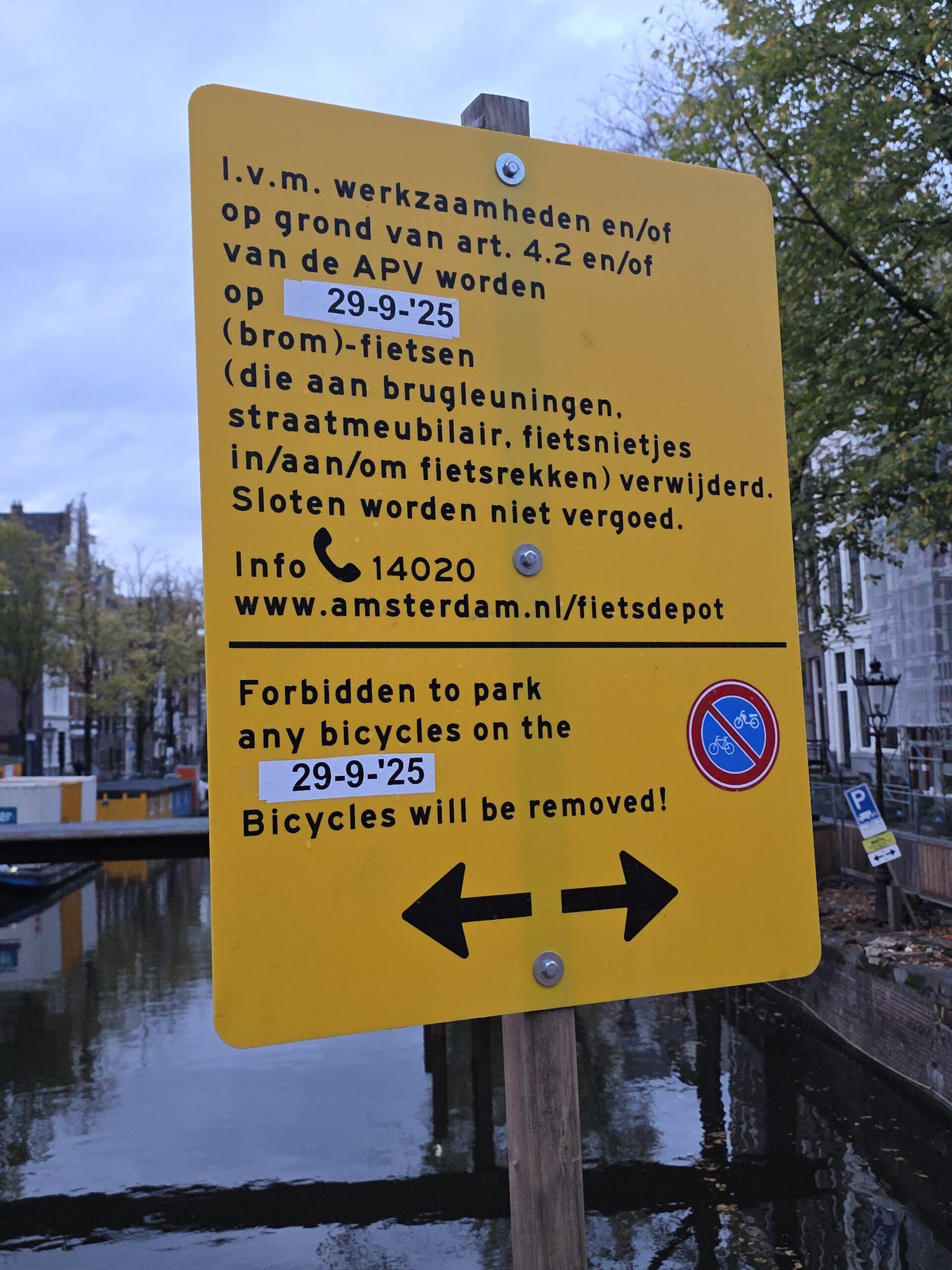
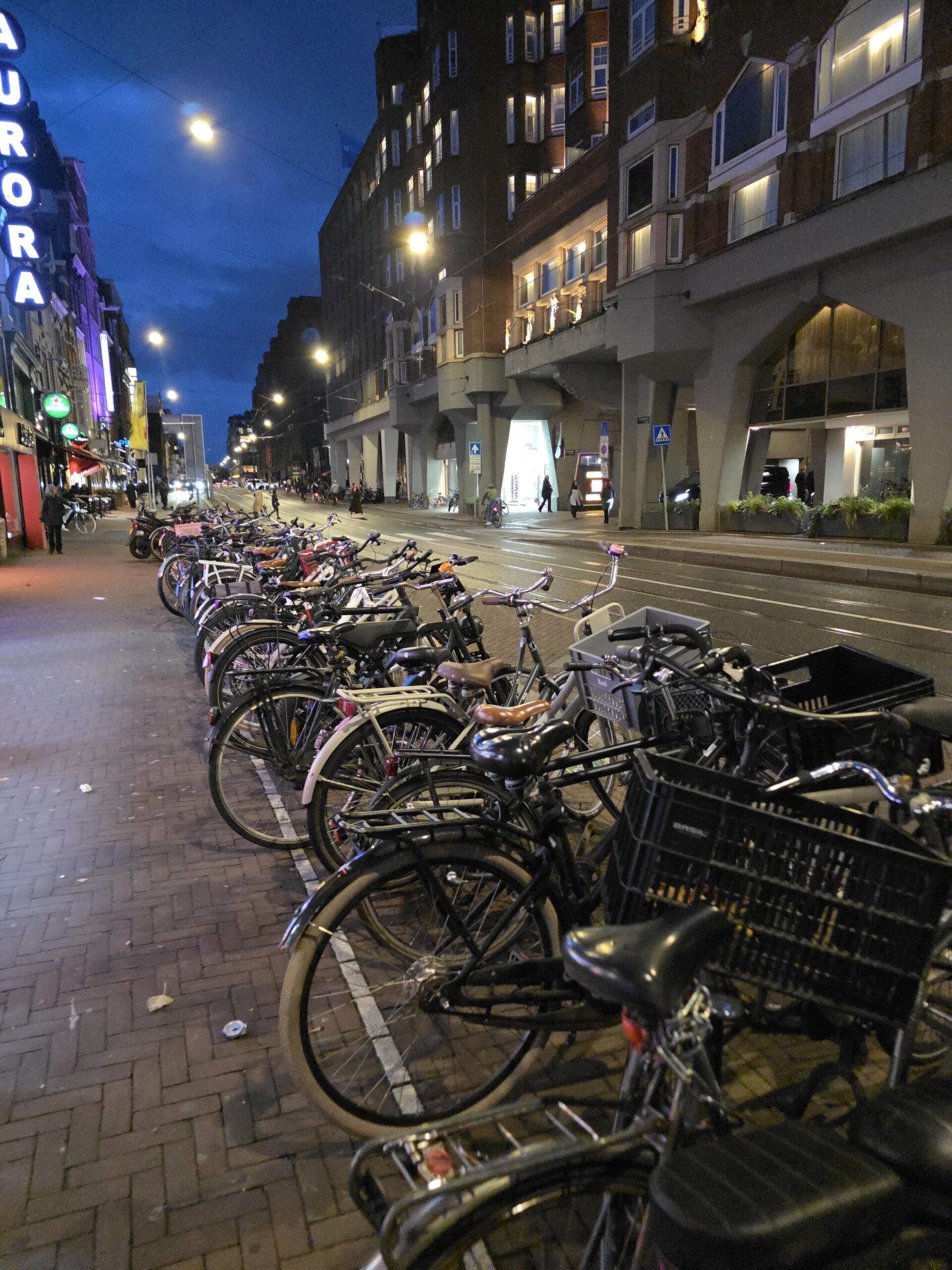
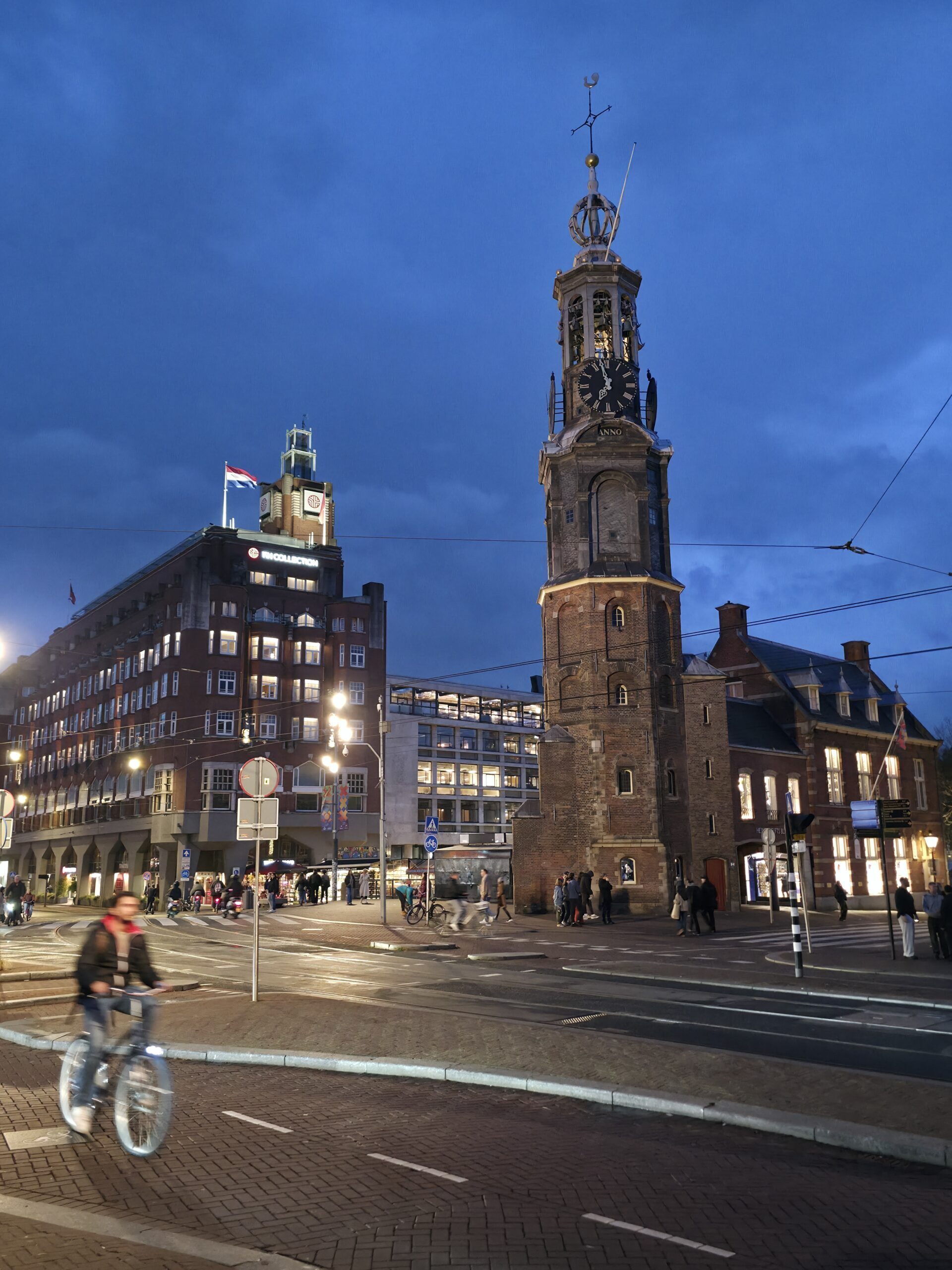
What struck me most about cycling in Amsterdam wasn’t simply the number of bicycles. It was how naturally the entire city seemed to accommodate them. Bike lanes weren’t an afterthought squeezed between parked cars and sidewalks. They were an essential part of the transportation network, with dedicated paths, traffic signals, and infrastructure designed to make cycling a practical way to get around.
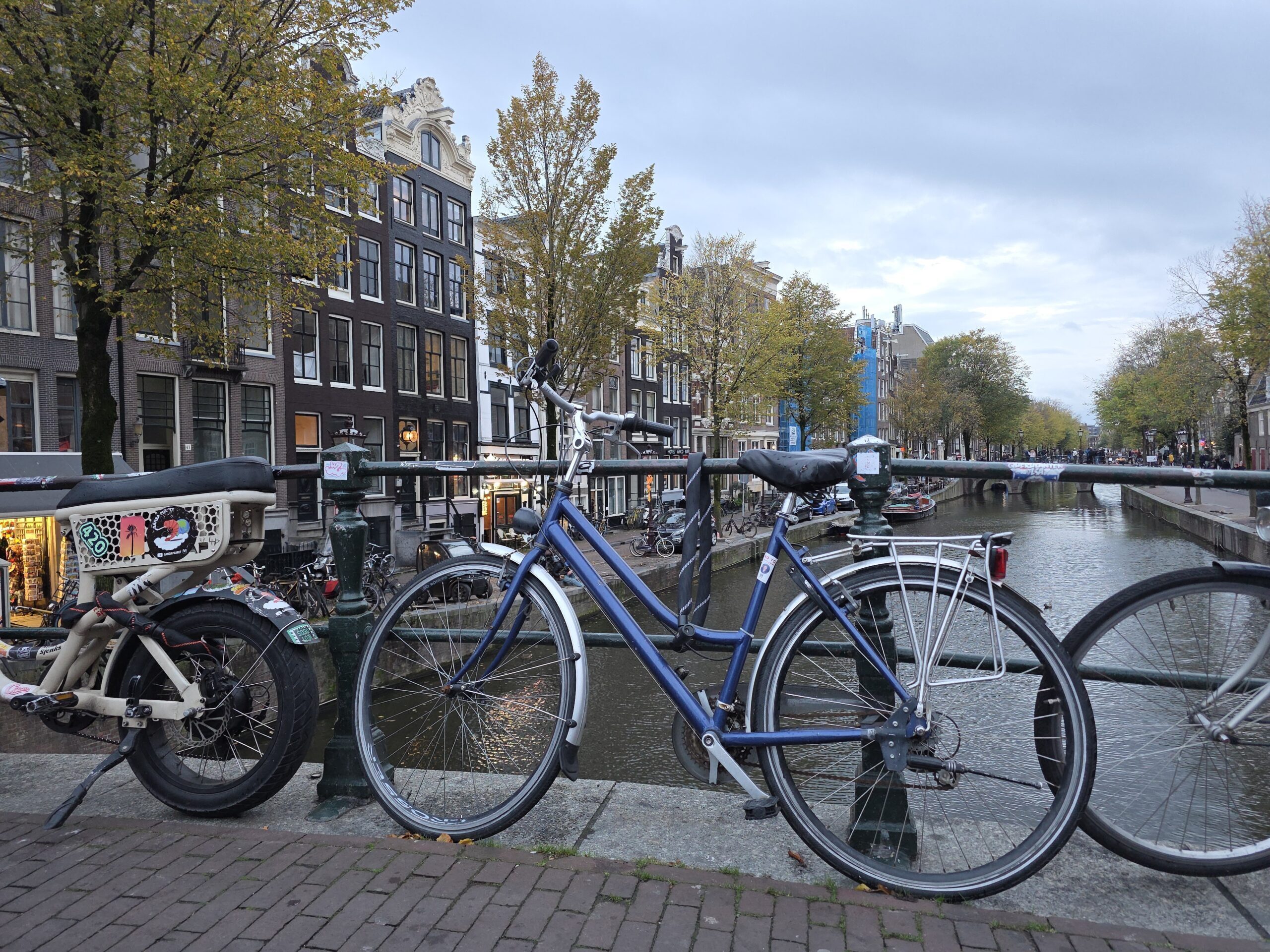
For locals, a bicycle isn’t necessarily a hobby, a fitness goal, or a weekend activity. It’s how they get to work, pick up groceries, visit friends, and move around the city. You see people of all ages riding, often without much thought or ceremony. It’s simply part of everyday life. That distinction is what makes Amsterdam so different from most American cities I’ve experienced.
The numbers help put it into perspective. Amsterdam has more bicycles than residents, with estimates putting the number at over 800,000. Cycling also accounts for a substantial share of trips around the city. And it’s not just Amsterdam. The Netherlands as a whole has built an extensive cycling network, with more than a quarter of all trips made by bicycle. Compare that with the United States, where cycling infrastructure can still feel like an afterthought, and it’s clear we have some catching up to do.
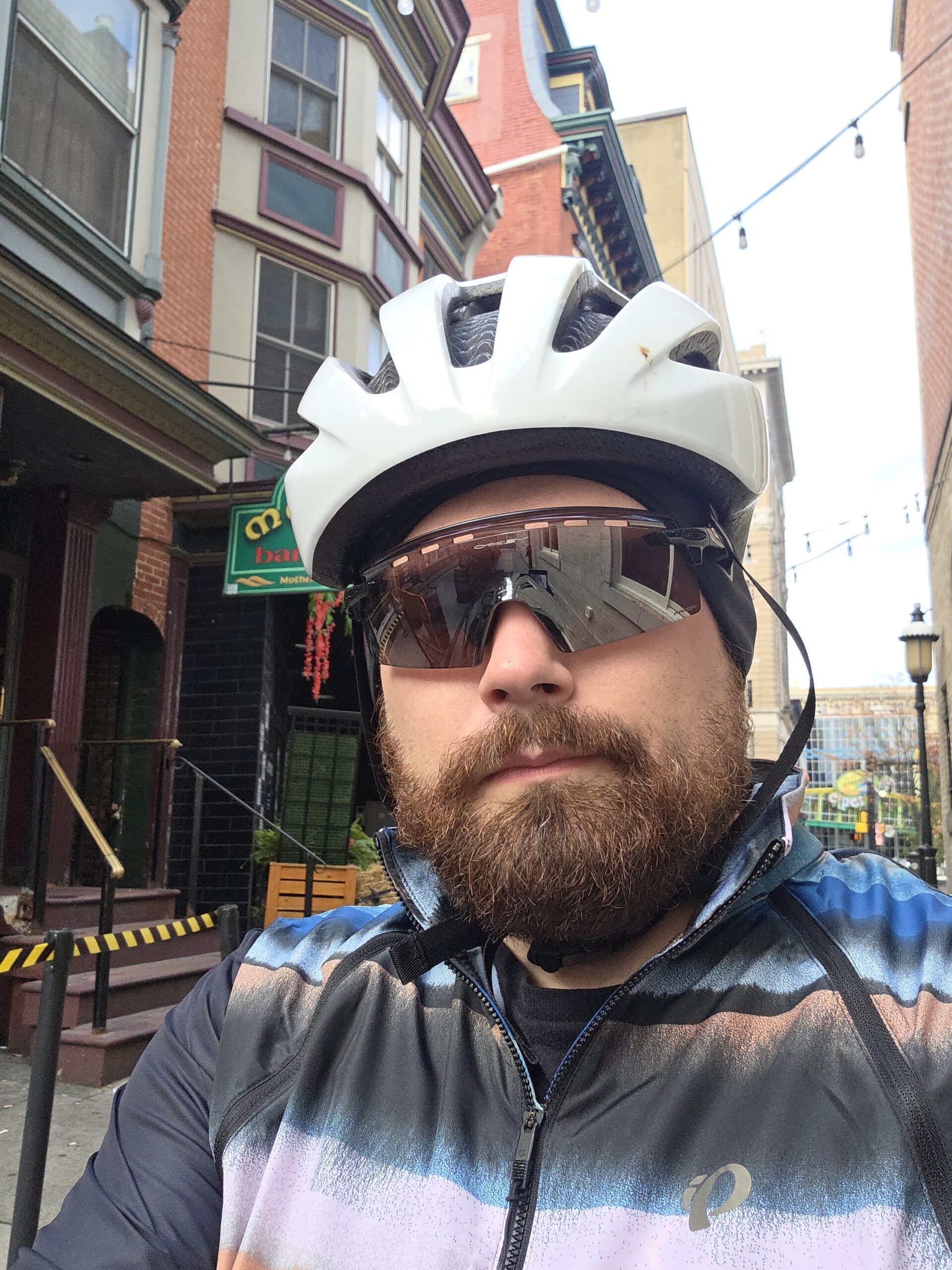
What I found interesting was how much of this changes your perspective even when you’re not riding. At home, cycling is something I make time for. It’s exercise, an escape, a way to get outside and clear my head. In Amsterdam, it’s all of those things, but it’s also how people live their lives. The bicycle isn’t separate from the city. It’s deeply woven into how the city functions.
I didn’t get to experience Amsterdam from the saddle this time, which is a shame. I would have loved to spend a morning wandering through its streets on an omafiets, stopping for coffee and seeing where the ride took me. Next time, that’s going to happen. And maybe, just maybe, I’ll embrace the ride the way the locals do.
As for the return home, I had zero jet lag. The first day back, I picked up my daily rides right where I left off. Apparently, even a trip to the cycling capital of the world wasn’t enough to keep me off my bike.